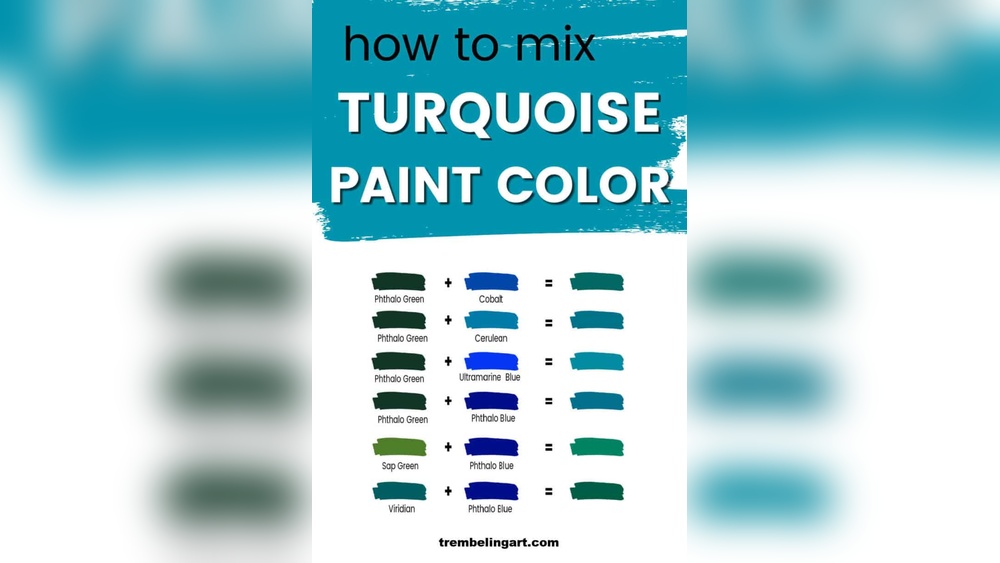
Are you ready to create the perfect teal color for your next art or design project? Knowing how to make teal can unlock a whole new palette of possibilities, whether you want a deep, rich tone or a light, pastel shade.
In this guide, you’ll learn exactly which colors to mix and how to adjust the balance to get the teal that fits your style perfectly. Keep reading, and you’ll discover simple tips to master this beautiful color and make your work stand out.
Let’s dive in and bring your vision to life with teal!
Colors Needed For Teal
Creating the perfect teal color starts with understanding the basic colors you need. Teal is a mix of blue and green, blending the calmness of blue with the freshness of green. The exact shade depends on how much of each color you use.
Adding white or black paint helps adjust the brightness or darkness of teal. White lightens the color, making it softer. Black darkens it, creating a deeper and moodier teal. Small changes to these colors can create many different teal tones.
Blue Paint
Blue is the main color needed to make teal. Use a bright, medium blue for best results. It forms the cool, calming base of teal. Without blue, the color will not have the right shade or feel.
Green Paint
Green gives teal its fresh, natural look. Mix green with blue to balance the color. The amount of green controls how bright or muted the teal appears. More green makes teal lighter and more vibrant.
White Paint
White paint helps to lighten teal and create pastel shades. Add white little by little to avoid making the color too pale. This works well for soft, gentle teal tones in designs or art.
Black Paint
Black paint darkens teal and adds depth. Use a small amount to keep teal rich but not too dark. Black helps create a more intense, deep teal shade for dramatic effects.
Basic Mixing Ratios
Understanding the basic mixing ratios is key to making the perfect teal color. This color results from blending blue and green paints in the right balance. Small changes in the ratio can create different shades of teal, from deep to bright.
Using simple ratios helps control the shade and tone. Starting with equal parts blue and green gives a balanced teal. Adjusting these amounts shifts the color’s warmth and depth. Adding white or black further changes the tint and shade.
Equal Parts Blue And Green
Mixing equal parts of blue and green creates a classic teal shade. This ratio is simple and easy to remember. It produces a balanced mix that is neither too blue nor too green.
Two Parts Blue To One Part Green
For a deeper teal, use more blue than green. A common ratio is two parts blue to one part green. This makes the teal cooler and richer in tone.
Adding White To Lighten Teal
White paint lightens the teal color. Add small amounts of white to the blue-green mix. This creates a soft, pastel teal shade that looks fresh and bright.
Adding Black Or Gray To Darken Or Muted Teal
To make teal darker, add a small amount of black paint. For a muted, less vibrant teal, mix in gray. Both change the mood of the color without losing its essence.
Adjusting With Yellow For A Greenish Hue
Add a tiny bit of yellow to the blue-green mix to shift teal toward green. This gives a warmer, earthier tone. Use yellow carefully to keep the teal balanced.
Adjusting Shade With Blue
Adjusting the shade of teal by using blue is a simple yet effective way to get the perfect color. Blue plays a key role in creating teal, as it can make the color cooler and deeper. By changing the amount of blue, you can make teal look darker or lighter. This section explains how to use blue to adjust your teal shade with ease.
Adding More Blue For A Deeper Teal
To make teal darker and richer, add more blue to your mix. Start with equal parts of blue and green. Then slowly add extra blue until you reach the shade you want. The color will look cooler and more intense with more blue.
Balancing Blue And Green
Teal is a mix of blue and green, so balancing these two colors is important. If you add too much blue, the color may look too cold. Too little blue, and the teal becomes too green. Adjust the blue carefully to keep the perfect balance.
Lightening Teal With Blue And White
For a lighter teal shade, mix blue with green, then add white. White softens the color and makes it less dark. Use blue as the main color, then add white little by little. This method keeps the teal cool but lighter.
Adjusting Shade With Green
Adjusting the shade of teal with green lets you customize the color easily. Green impacts how bright or muted your teal looks. Adding more green shifts teal toward a lighter and fresher tone.
You can start with a base teal made from blue and green. Then increase the green slightly to brighten the color. This method works well with paint, digital art, or any color mixing project.
Increasing Green For A Brighter Teal
To make teal brighter, add more green to your mix. Start with equal parts blue and green. Slowly add extra green until the color looks fresh and lively. This change makes teal more vibrant and less deep.
Balancing Blue And Green
Keep balance to avoid green overpowering the teal. Too much green can push the color toward lime or mint. Adjust the blue slightly if your teal becomes too greenish. Small tweaks create the perfect shade.
Using Green To Soften Teal
Green softens teal by reducing its blue intensity. It makes the teal feel calmer and gentler. This effect suits designs needing a relaxed and natural vibe. Mix in green slowly to control the softness.
Lightening Teal With White
Lightening teal with white creates soft, fresh shades perfect for many designs. Adding white paint to teal changes its tone and brightness. This process makes the color lighter and more delicate.
Lightened teal works well for backgrounds, pastel themes, and calm atmospheres. It keeps the blue-green essence but feels brighter and airier.
Why Add White To Teal?
Adding white to teal brightens the color without changing its base hue. It reduces the intensity and gives a pastel effect. White helps create gentle, soothing shades ideal for art and decor.
How To Mix White With Teal
Start with a small amount of white paint. Mix it slowly into your teal base color. Add more white little by little to reach the desired lightness. Stir well to blend the colors evenly.
Tips For Perfect Light Teal Shades
Use pure white paint for the clearest lightening effect. Avoid adding too much at once; it can wash out the color. Test your mix on a small surface before applying widely. Adjust the ratio to suit your project’s needs.

Credit: www.youtube.com
Darkening Teal With Black
Darkening teal with black paint changes the color’s mood and depth. Adding black creates a richer, deeper shade. This technique helps make teal perfect for dramatic art or design projects.
Use black carefully to avoid overpowering the teal. Just a small amount can darken the color without losing its unique green-blue quality. This method works well for creating shadows or a moody atmosphere in your work.
How To Add Black To Teal
Start with your base teal color. Add a tiny drop of black paint. Mix the colors thoroughly. Check the color after each addition. Stop adding black when you reach the desired darkness.
Tips For Darkening Teal Evenly
Mix the paint well to avoid streaks. Use a palette knife or brush for smooth blending. Test the color on a scrap piece before applying to your project. Add black slowly to keep control over the shade.
Uses For Dark Teal Shades
Dark teal works well for backgrounds and accents. It adds elegance and sophistication to designs. Use it in rooms for a calm, cozy feel. Dark teal pairs nicely with light colors like white or cream.
Muting Teal With Gray
Muting teal with gray creates a softer, more subtle color. This technique reduces teal’s brightness. It makes the color calm and balanced. Muted teal fits well in modern, neutral designs. Adding gray tones down teal’s intensity without losing its unique charm.
What Happens When You Add Gray To Teal?
Adding gray to teal lowers its saturation. The color looks less vibrant and more natural. It creates a smooth, muted shade. This effect is perfect for quiet, elegant spaces. Gray helps teal blend well with other colors.
How To Mix Gray Into Teal
Start with your base teal color. Slowly add small amounts of gray paint. Mix thoroughly after each addition. Watch the color carefully as it changes. Stop adding gray when you reach the desired softness. Use a neutral gray for the best result.
Uses For Muted Teal Colors
Muted teal is great for home decor and art. It works well in bedrooms and living rooms. The color adds calmness without being dull. Designers use muted teal for modern and vintage styles. It pairs nicely with whites, browns, and soft pastels.

Credit: acaketorememberblog.com
Adding Yellow For Warmth
Adding yellow to teal introduces warmth and changes its mood. This small tweak makes teal feel lively and fresh. Yellow tones brighten teal, making it less cold and more inviting.
Yellow blends with blue and green to shift teal toward a warmer shade. This adjustment works well in art and design to create harmony and balance.
How Yellow Affects Teal’s Tone
Yellow adds a subtle brightness to teal. It pushes the color closer to green, softening the coolness of blue. The result is a warmer, more natural shade.
Choosing The Right Amount Of Yellow
Start with a tiny amount of yellow paint. Mix it slowly into your teal base. Too much yellow can turn teal into lime green, so add carefully.
Best Yellow Shades To Use
Warm yellows like cadmium or golden yellow work best. These shades blend smoothly without overpowering teal’s blue and green base.
Practical Uses Of Warm Teal
Warm teal suits cozy interiors and autumn-themed artwork. It pairs well with earth tones and soft neutrals for a calm effect.
Teal Color Pairings
Teal is a versatile color that blends the calmness of blue with the freshness of green. Choosing the right colors to pair with teal can enhance its beauty and impact. Different combinations create different moods and styles.
Using complementary or contrasting colors helps teal stand out. Soft shades can make the teal look elegant, while bright colors add energy. Understanding these pairings can guide your design or art choices.
Complementary Colors For Teal
Orange is the direct opposite of teal on the color wheel. Pairing teal with orange creates a vibrant and eye-catching look. Soft peach or coral tones also work well as gentle complements. These colors bring warmth and balance to teal’s coolness.
Neutral Colors That Match Teal
White and gray are classic neutrals that highlight teal beautifully. White adds brightness and freshness. Gray offers a modern, sophisticated feel. Beige and taupe can soften teal’s intensity for a calm, natural look.
Bold Colors To Pair With Teal
Navy blue deepens teal’s blue tone for a rich, layered effect. Mustard yellow adds a pop of brightness and energy. Burgundy or deep red introduces warmth and contrast. These bold colors create dynamic and lively combinations.
Metallic Accents With Teal
Gold pairs luxuriously with teal, adding a touch of elegance. Copper and bronze offer warmth and depth. Silver gives a sleek, cool contrast. Metallics can transform teal into a glamorous and polished palette.
Tips For Perfect Teal Shades
Creating the perfect teal shade requires careful mixing and a good eye for balance. Teal is a mix of blue and green, but slight changes in proportions can alter the tone greatly. Small additions of other colors help refine the shade to fit your project. Understanding these tips makes it easier to get the exact teal you want.
Use The Right Base Colors
Start with a pure blue and a true green. Avoid colors with too much red or yellow. Use primary blue and green paints for the best results. This creates a clean teal without muddy tones.
Adjust Blue And Green Ratios
More blue gives a cooler, deeper teal. More green makes the teal brighter and fresher. Experiment by adding small amounts of each to see how the shade changes.
Add White For Lighter Shades
Mix in white paint to lighten the teal. This creates pastel or soft teal colors. Add white gradually to avoid making the color too pale.
Use Black Or Gray To Darken
To get a darker teal, add a tiny amount of black or gray. This deepens the shade without changing the base colors too much. Use black sparingly to keep the teal vibrant.
Include Yellow For Warmth
Add a small amount of yellow to shift teal toward a warmer, greenish tone. This can make the color more natural and earthy. Use yellow very carefully, as too much changes teal into a different color.
Test Small Batches First
Mix colors in small quantities before making large amounts. This helps avoid wasting paint. Test the shade on a white surface to see the true color.
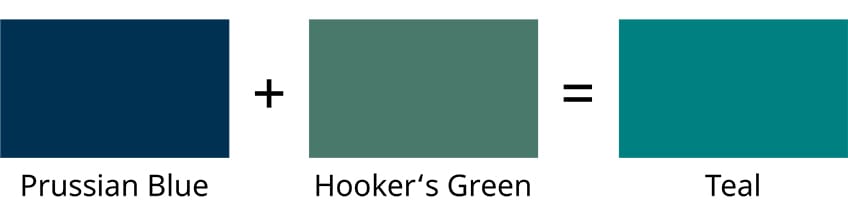
Credit: artincontext.org
Frequently Asked Questions
What Colors Do You Mix To Make Teal?
To make teal, mix blue and green paint. Adjust the shade by adding more blue or green. Add white to lighten or black to darken the color.
What Is The Best Color Combination For Teal?
Teal pairs best with white, gray, and gold for elegance. For bold looks, combine teal with coral, yellow, or navy. These combinations create fresh, balanced, or vibrant aesthetics, enhancing teal’s versatility in design and fashion.
How To Mix Colors To Make Turquoise?
Mix blue and green paint in equal parts to create turquoise. Add white to lighten or a touch of yellow for warmth. Adjust ratios to get your desired shade.
What Makes Up The Color Teal?
Teal is made by mixing blue and green paint. Adjust the shade by adding more blue, green, white, or black.
What Colors Do You Mix To Make Teal?
Mix blue and green paints to create teal. Adjust ratios for different teal shades.
How Can I Lighten The Teal Color?
Add white paint to teal to make it lighter and softer.
How Do I Make Teal Darker?
Mix a small amount of black paint into teal to darken it.
Can I Use Yellow To Adjust Teal Color?
Yes, adding a little yellow shifts teal toward a greenish hue.
What Is The Best Ratio For Making Teal?
Start with two parts blue to one part green, then adjust as needed.
How To Make Pastel Teal Color?
Mix teal with white paint to achieve a soft pastel teal shade.
Conclusion
Mixing teal color is simple and fun. Start with blue and green paints. Adjust the amounts to get your perfect shade. Add white to make it lighter or black to darken it. Experiment with small amounts of yellow for a fresh twist.
Teal works well with many colors like white, gray, and gold. This makes it great for art and design projects. Keep practicing to find the teal tone you love most. Enjoy creating your own beautiful teal color!