
Want to know how to make peach color? This practical guide explains several ways to mix peach paint, adjust its undertones, and match a finished sample without wasting materials.
Quick answer: what colors make peach?
To make peach paint, start with a generous amount of white and mix in a little orange. For a softer, pinker peach, introduce a tiny amount of red or pink. For a warmer, more apricot-like peach, add a trace of yellow. Work gradually: strong pigments can overpower a light mixture in seconds. There is no universal formula because paint brands, pigment strength, opacity, lighting, and surface color all affect the result. The most reliable method is to build a small sample, let it dry, and compare it with your target color before mixing a large batch.
What you need before mixing
Gather white acrylic or another paint appropriate for your project, orange paint or separate red and yellow paints, a clean mixing palette, a palette knife or stir stick, a small brush, paper or scrap board, and a pencil for recording proportions. Keep water available for cleaning acrylic tools, but do not use water as a substitute for white when you want an opaque pastel. If you are painting a wall, use compatible interior latex paints from the same product line rather than combining unrelated coatings. For repeatable wall color, a store-mixed formula is generally more reliable than hand-mixing multiple gallons.
Method 1: make peach with white and orange
Place roughly ten small portions of white on the palette. Add one very small portion of orange, mix completely, and inspect the color. If it looks cream rather than peach, add another trace of orange. If it is too vivid, add more white instead of trying to neutralize it with black. Paint a small swatch and allow it to dry according to the paint instructions. The ten-to-one starting idea is an experiment, not a guaranteed recipe; highly concentrated orange paint may need much less. Record every addition so you can reproduce a successful batch.
Method 2: make peach using red, yellow, and white
If you do not own orange paint, combine yellow with a smaller amount of red to make a warm orange first. Add this orange mixture into white a little at a time. Starting with white gives you more control over a pale pastel. If the result looks too yellow, introduce a pinhead-sized amount of red; if it looks too pink, add a trace of yellow. Mix thoroughly before each decision. Different reds can shift toward violet or magenta, and different yellows can look earthy or bright, so adjust by eye rather than assuming every paint set behaves identically.
Method 3: make a soft pink-peach
For a delicate blush peach, make a very light pink by adding a tiny amount of red to white. Then add a trace of yellow or pale orange until the pink begins to look warm and peachy. This method is useful when your reference leans closer to a soft pink sunset than an orange fruit. Keep the yellow addition small: too much can turn the mixture salmon or coral depending on the red. Make three side-by-side swatches with slightly different warmth levels and compare them under the lighting where the finished piece will be displayed.
How to make light peach, pastel peach, and cream peach
Light peach contains a high proportion of white relative to the warm colorants. For pastel peach, keep the saturation gentle by adding color in tiny increments and using a clean white base. For cream peach, emphasize the yellow component and reduce the pink influence. Avoid adding black to darken a pastel; it can muddy the mixture. If you need a subtle, muted version, experiment with a minute amount of a complementary cool color on a separate test swatch. Always check the result dry because wet paint may look different from the finished surface.
How to make dark peach and deeper apricot shades
To deepen peach, first reduce the amount of white relative to the orange-pink mixture. Add a little more orange for an apricot direction or a little more red for a rosy direction. A very small touch of a suitable earth pigment may produce a subdued terracotta-peach, but it can quickly turn brown. Create a separate test pile instead of changing the entire batch. If you are matching a reference photo, compare both the lightness and the undertone: two colors can be equally dark but one may be more yellow and the other more pink.
Peach versus coral, salmon, apricot, and blush
Peach is commonly understood as a light warm mixture between pink and orange. Coral tends to be more saturated and often brighter; salmon often has a more noticeable pink or reddish character; apricot generally feels more orange or yellow; blush is typically softer and pinker. These are descriptive color names rather than fixed pigment formulas. A paint company may label a particular shade differently from an artist. When accuracy matters, rely on an actual painted sample, color code, or manufacturer chip rather than the name alone.
A practical peach paint mixing chart
Use these descriptions as starting directions rather than exact ratios. Classic peach: white with a little orange. Pink peach: white, a touch of red, and a smaller touch of yellow. Apricot peach: white with more yellow-orange. Pale peach: a very large white base with tiny amounts of orange and pink. Muted peach: a peach base adjusted with an extremely small amount of a neutralizing pigment. Create and label a swatch for each version. Once you find a match, measure your additions using the same spoon, dropper, or marked container for the next batch.
Why your peach mixture looks too orange
An overly orange mixture usually has too much warm pigment relative to white, or it has a yellow-heavy undertone. Add white in small increments to soften the intensity. If it remains distinctly orange after lightening, try a tiny touch of pink or red in a separate sample to move it toward peach. Do not immediately add blue or black: those pigments may neutralize the orange and produce a dull brown or gray. Work with small samples so corrections are cheap and reversible.
Why your peach mixture looks too pink
A mixture that reads as pink may need a small yellow or orange adjustment. Add a tiny amount, mix fully, and inspect the result against white paper. Do not dump in yellow all at once because some yellows are highly tinting and may push the color toward cream. If you are matching a wall color, hold your dried test against the existing trim and furnishings. A shade that appears peach on the palette can look pink beside warm beige or cool gray surroundings.
Why your peach mixture looks brown or muddy
Muddy peach often results from adding too many opposing pigments, using a dirty brush, or overcorrecting with dark colors. Rather than endlessly adjusting a muddy mixture, restart with clean white and a controlled orange or pink-orange tint. Keep mixing tools clean between tests. Transparent pigments, opaque pigments, and different binders can also change the appearance. If you are using leftover paint, verify that it has not separated or deteriorated and that the paints are compatible before combining them.
How to mix peach with acrylic paint
Acrylic paint is convenient for small art projects because it is easy to mix on a palette and dries relatively quickly. Use white acrylic as the base, introduce orange or red-and-yellow in tiny amounts, and mix with a palette knife. Paint test strokes on the same type of canvas, paper, or primed surface you plan to use. Acrylic colors may shift in appearance as they dry, so do not judge the final match solely from a wet puddle. If you need more working time, use an acrylic medium intended for that purpose according to its directions.
How to make peach with watercolor
Watercolor behaves differently from opaque acrylic paint. You can often create a light peach wash by diluting a warm orange-pink mixture with clean water and allowing the white paper to provide brightness. For transparent watercolor, adding opaque white is not always necessary and may change the look of the wash. Test a diluted orange with a small touch of red or pink on scrap watercolor paper. Let the wash dry before comparing. Paper absorbency, pigment granulation, and the amount of water can change the finished shade considerably.
How to make peach wall paint
For a small decorative sample, combine compatible paints in a clean container, stirring thoroughly from the bottom and sides. For an entire room, use a professional color-matching service or a manufacturer formula where possible. Hand-mixed batches are difficult to reproduce across multiple cans, and inconsistent ratios can leave visible differences on the wall. Paint at least two sample patches in different locations and check them during daylight and artificial lighting. Follow the coating manufacturer’s instructions for mixing, ventilation, application, drying, and storage. Never mix water-based and oil-based coatings together.
How lighting and surface affect peach
Peach is especially sensitive to context. Warm lamps may emphasize orange and yellow, while cooler daylight may make the same swatch seem pinker or less saturated. A bright white surface can make peach appear richer; a dark or highly colored background can alter your perception. Glossy and matte finishes also reflect light differently. For reliable comparisons, paint swatches on the actual surface or on primed sample boards and observe them at different times. Compare dried samples side by side instead of relying on a phone screen, which may not reproduce color accurately.
How to repeat a successful peach formula
Write down the brand, product line, pigment color names, approximate quantities, surface, and date for every successful mix. Take a photo for reference, but keep a physical dried swatch because phone displays vary. When mixing a larger batch, scale each ingredient proportionally and stir thoroughly. Test the enlarged batch before painting the whole project. If exact consistency matters for a large area or later touch-ups, consider purchasing a commercially mixed paint with a saved tint formula. Avoid estimating with unmarked squeezes from tubes when precision is important.
Common mistakes to avoid
The first mistake is adding a large amount of red or orange to a small white base. The second is judging only the wet mixture. The third is using dirty tools that introduce unwanted pigment. The fourth is mixing incompatible coating types. The fifth is expecting a precise color from an online RGB or hex code without a physical paint sample. The sixth is attempting to rescue every failed mixture with more colors, which can make it dull. Small measured tests, clean tools, and patient drying checks solve most of these problems.
Peach color combinations for DIY projects
Peach can work with warm white, cream, muted sage, soft gray, dusty blue, and natural wood tones, depending on the specific shade. For a gentle nursery or craft palette, pair a pale peach with warm off-white. For a more energetic accent, combine a richer peach with restrained blue-green details. When selecting trim or adjacent wall colors, compare real samples under the room’s lighting. The goal is not to follow a universal color rule but to find a combination that feels balanced in your particular space.
Frequently asked questions
Can I make peach with just pink and yellow?
Yes. Mix a very light pink and add a tiny amount of yellow, then adjust with white if the mixture is too saturated. The result depends on the pigments.
Can I make peach without orange paint?
Yes. Mix yellow and a smaller amount of red to make orange, then gradually add that mixture to white.
What makes peach lighter?
For opaque acrylic or wall paint, add compatible white paint. For transparent watercolor, use more water and let the white paper show through.
What if my peach looks like coral?
Coral is often stronger and more saturated. Add white to soften the color, then adjust the pink-orange balance in small steps.
Is peach a warm color?
Peach is generally perceived as warm because it combines orange, yellow, and pink or red influences.
How do I match a specific peach shade?
Use a physical reference, create several labeled test swatches, let them dry, and compare under the intended lighting. For large wall projects, professional color matching is usually more repeatable.
Recommended Supplies for Mixing Peach Paint
Choose the tools that match your project. Each product below includes its purpose and a direct Amazon link. Product photos are displayed through the Amazon affiliate integration; check each listing for current product variations.
Affiliate disclosure: As an Amazon Associate, we may earn from qualifying purchases.
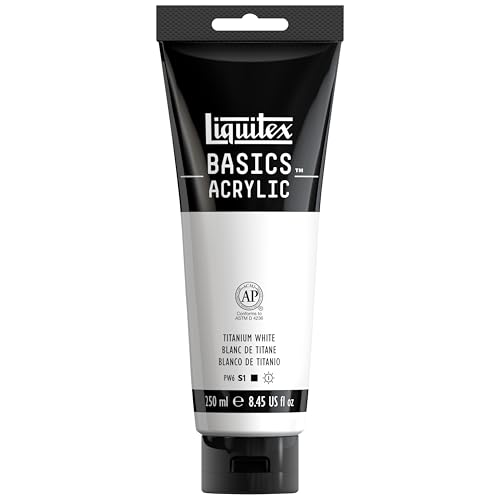
Liquitex BASICS Titanium White
What it is used for: Makes peach lighter and softer.
Use as the white base. Add orange or red/yellow slowly to control the shade.

Liquitex Acrylic Paint
What it is used for: Adds warm color to the mixture.
Check the selected shade on Amazon; choose a warm orange or suitable red/yellow for peach mixing.

CONDA Palette Knife Set
What it is used for: Blends paint without wasting a brush.
Use to combine pigments evenly and scrape leftover paint from the palette.

Strathmore Acrylic Paper
What it is used for: Tests the final peach shade.
Make small swatches, let them dry, and compare the finished colors.

Amazon Basics Acrylic Paint Tubes
What it is used for: Provides colors for mixing experiments.
A paint-set option for experimenting with warm shades; check the included colors.

Lightwish Palette Knife Set
What it is used for: Alternative tool for color mixing.
Useful for mixing small acrylic batches and keeping pigments blended.
Product availability and variants can change. Check the exact listing before ordering.
Final checklist
Begin with a clean white base, add warm pigments sparingly, mix completely, and test on the real surface. Compare dry swatches under realistic lighting and write down the formula that worked. Choose acrylic, watercolor, or wall paint methods based on the material rather than treating every paint type as interchangeable. For related techniques, see our guides to making orange paint and mixing pink. These basic color adjustments are usually more useful than buying additional pigments for a one-off craft project.