Have you ever wondered how to make the perfect shade of pink? Whether you’re painting, crafting, or mixing colors for a project, knowing how to create pink can open up a world of creative possibilities for you.
The secret is simpler than you might think—just two colors combined in the right way. But how much red? How much white? And what kind of red should you use to get the exact pink you want? Keep reading, and you’ll discover easy steps to mix beautiful pinks, from soft baby pinks to vibrant magentas, so you can bring your artistic vision to life with confidence.
Basic Pink Mixing
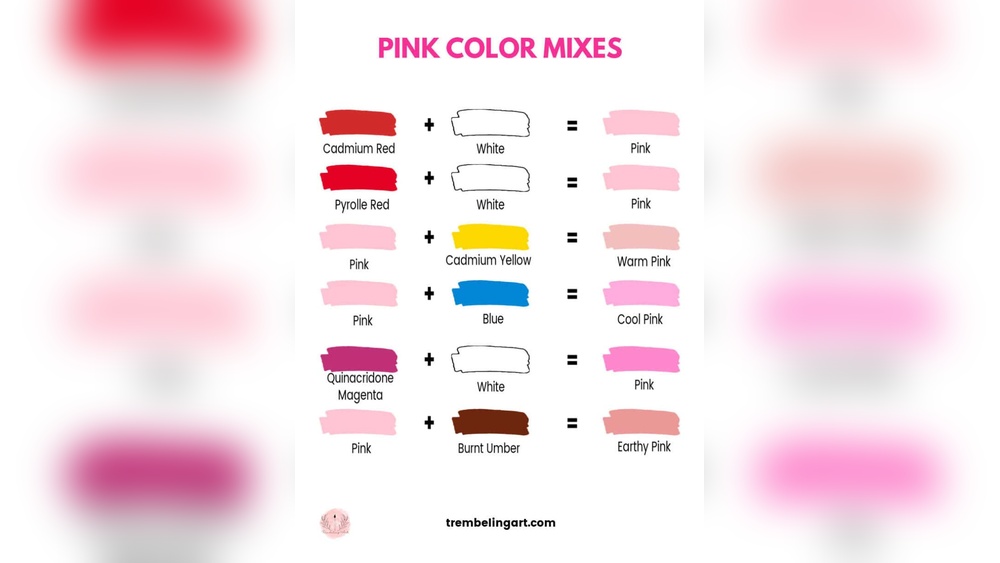
Creating the perfect shade of pink is simple with just two colors. Basic pink mixing involves blending red and white paints. The ratio of these colors controls how light or dark the pink appears. The choice of red also influences the final look. This guide explains how to mix pink with easy steps.
Red And White Ratio
Start with a base of white paint on your palette. White makes it easier to control the pink shade. Add small amounts of red paint to the white. Mix the colors well until smooth. More white means a lighter pink. More red creates a deeper, richer pink. Adjust slowly to find the shade you like best.
Choosing The Right Red
The type of red paint changes your pink’s tone. Bright reds like magenta produce vivid pinks. Cooler reds give a fresh, lively pink. Warm reds create soft coral or salmon hues. Test different reds to see how each changes your pink. This helps you make pinks that suit your project perfectly.
Credit: artstudiolife.com
Adjusting Pink Shades
Adjusting pink shades is key to getting the exact color you want. Pink can vary from soft and pale to deep and rich. Small changes in mixing can create many beautiful tones. Understanding how to lighten or darken pink helps you customize your paint or design perfectly.
Lightening With White
Start with a base of red paint. Add white paint slowly and mix well. Adding white makes the pink softer and lighter. This method creates shades like baby pink or pastel pink. Keep adding white until you reach your desired lightness. White also helps balance intense reds for a gentle color.
Darkening With Red
To darken pink, add small amounts of red paint. Mix the red and lighter pink thoroughly. More red deepens the color, making it richer and stronger. This creates shades like rose or deep pink. Add red little by little to avoid making the pink too dark. Adjust until you find the perfect dark shade.
Warm Vs Cool Pinks
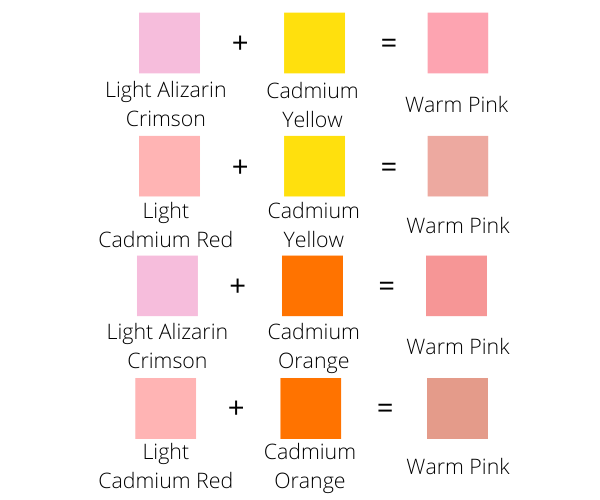
Pink is not just one color. It splits into warm and cool shades. Warm pinks feel cozy and soft. Cool pinks look fresh and calm. Knowing the difference helps to create the exact pink you want. Using the right red and white mix makes all the difference.
Coral And Salmon Tones
Warm pinks like coral and salmon have a touch of orange or peach. They come from mixing red with a small amount of yellow and white. Coral pinks glow with energy and warmth. Salmon tones are softer, with a hint of brown or orange. These colors work well in cozy spaces and create a friendly mood.
Bright And Vivid Hues
Cool pinks lean towards blue or purple. Mixing red with blue and white gives bright, vivid pinks. These shades stand out and feel fresh. They add a modern touch to art and design. Cool pinks are perfect for a clean, lively look. They balance warmth and brightness beautifully.
Using Different Reds
Choosing the right shade of red is key to making the perfect pink. Different reds create different pink tones. Each red brings a unique warmth or coolness to the final color. Experimenting with reds helps find the pink you want.
Magenta For Vibrancy
Magenta is a bright, bold red with a hint of blue. Mixing magenta with white creates a vivid, eye-catching pink. This pink looks lively and fresh. It works well for projects needing a pop of color. Use magenta to make pinks that stand out clearly.
Cadmium Red For Softness
Cadmium red has a warm, earthy tone. Mixing it with white gives a soft, gentle pink. This pink feels calm and natural. It suits designs needing a subtle, soothing look. Cadmium red makes pinks that feel warm and inviting.
Mixing Pink Without Red
Creating the color pink usually means mixing red and white. But what if red is not available? Mixing pink without red is possible using other color combinations. These alternatives can produce different pink shades. This section explores how to make pink without using red paint directly.
Alternative Color Combinations
One way to get pink without red is mixing white with magenta. Magenta contains red tones and can give a similar pink effect. Another option is blending white with purple or violet. These colors have red and blue, which can create a soft pink.
Mixing white with orange and a touch of blue also works. Orange has red and yellow, so adding blue balances it to a pinkish shade. Be careful with amounts; too much blue makes the color purple instead of pink.
Using white and a bit of warm pink pigment substitutes for red. This method works well if you have limited colors but still want a pink tone.
Limitations And Results
Mixing pink without red can limit the exact shade you want. The pink might lean towards purple or peach, depending on the colors used. It may not be as bright or vibrant as pure red-based pink.
These alternative mixes require careful balancing to avoid muddy colors. Small amounts of darker colors affect the final tone a lot. Expect softer or cooler pinks rather than strong, classic pink.
Testing your mixtures on paper helps see how the colors appear when dry. Lighting and paint type also change the look of your pink. Patience and practice improve the results over time.
Pink With Acrylic Paints
Creating the color pink with acrylic paints is simple and fun. Pink is a mix of red and white paint. The shade depends on how much red or white you use. Using more white creates a soft, light pink. More red gives a deep, strong pink. Different types of red can change the pink tone. For example, magenta makes a bright pink. Warmer reds give coral or salmon colors. This guide helps you make pink step-by-step with acrylics.
Step-by-step Mixing
Start by squeezing white paint onto your palette. Use a good amount as the base. Add a small drop of red paint to the white. Mix the paints together using a brush or palette knife. Blend until the color is smooth and even. Look at the pink color you made. Add more white for a lighter pink shade. Add more red to darken the pink color. Keep mixing and adjusting until you get the pink you want.
Tips For Smooth Blending
Use a clean brush or knife for mixing colors well. Mix slowly to avoid streaks or uneven color. Add red paint in tiny amounts to control the shade. Mix in circular motions for a smooth blend. Keep paint thickness medium; too thick or thin affects blending. Clean your brush between mixing to keep colors pure. Practice mixing to get comfortable with color changes. Patience helps in making perfect pink shades.
Pink With Oil Paints
Creating pink with oil paints offers a rich, smooth color that blends beautifully on canvas. Oil paints have a unique texture and drying time compared to other paint types. Mixing pink requires patience and attention to how colors interact in oil form.
Start with white oil paint as your base. Slowly add small amounts of red oil paint. Mix thoroughly after each addition to see the true shade. The red tone you pick changes the pink’s warmth or coolness. Lighter pinks need more white, while deeper pinks need more red. The slow drying time of oils allows you to adjust the color easily before it sets.
Differences From Acrylics
Oil paints dry much slower than acrylics. This slow drying time helps blend colors directly on the canvas. Acrylics dry fast and often require quick mixing. Oil paint has a thicker texture, giving a creamy feel to your pink. Acrylics are water-based, oils use oil as a binder. This difference changes how pigments mix and spread. Oil paints often produce a richer, more vibrant pink. Acrylic pinks can appear flatter due to faster drying.
Best Practices
Use a clean palette knife to mix your paints well. Start with more white paint to avoid dark pink mistakes. Add red gradually to control the color depth. Clean your brushes often to prevent muddy colors. Work in thin layers to build color slowly. Keep your workspace ventilated for safety with oils. Store oil paints tightly to prevent drying out. Practice patience—the slow drying helps perfect your pink shade.
Pink In Food Coloring
Pink in food coloring adds charm to cakes, drinks, and desserts. It creates a fun and inviting look. Achieving the perfect pink shade requires mixing edible colors carefully. The process is simple and safe for all recipes.
Mixing Edible Colors
Start with a base of white food coloring or a clear base. Add a small amount of red food coloring slowly. Mix thoroughly after each drop to see the color change. Stop adding red once you reach the desired pink shade. Use gel or liquid colors for easy mixing. Avoid adding too much red at once to prevent a strong red color.
Achieving Safe Shades
Use food-safe colors approved for consumption. Check labels for natural or artificial ingredients. Natural options include beet juice or strawberry powder for pink hues. Test a small amount of color before use to ensure safety. Adjust color intensity by adding more white or clear base. This keeps the pink soft and safe for eating. Proper mixing ensures no clumps or uneven color in food.
Common Mixing Mistakes
Mixing pink paint seems easy, but many make common mistakes. These errors can lead to dull or muddy colors instead of bright pinks. Understanding these pitfalls helps create the perfect shade every time. Below are frequent issues and how to fix them quickly.
Avoiding Muddy Colors
Muddy pink happens when too many colors mix together. Adding green or blue to red and white dulls the pink. Stick to pure red and white for clear pinks. Use small amounts of red paint gradually. Mix well after each addition to see the true color. Avoid mixing different reds that clash and darken your pink.
Correcting Off-tones
Sometimes pink looks too orange or too purple. To fix too orange, add a tiny bit of white or cool red. For a purple shade, add a warmer red or more white. Always add color little by little. Mix thoroughly before deciding to add more. This method controls the exact tone without overdoing it.

Credit: www.color-meanings.com
Creative Pink Shades
Pink is a versatile color with many creative shades to explore. Mixing red and white creates a base pink, but slight changes yield unique tones. These shades can fit various moods and styles in art and design.
Understanding how to adjust the mix opens up a world of pink variations. From soft and subtle to bright and eye-catching, each shade has its charm.
Blush And Pastel Pinks
Blush pink is soft and gentle, often used in delicate designs. To make blush, add more white to red for a light, warm pink. Pastel pinks are similar but can lean cooler or warmer depending on the red shade. Mixing a tiny amount of red with plenty of white gives a smooth, calming color. These tones work well for backgrounds, weddings, and baby themes.
Bold And Neon Variants
Bold pinks grab attention with their strong presence. Use a bright red like magenta and add less white to keep intensity. Neon pinks are even brighter and can glow under black light. Mixing red with a hint of fluorescent paint or using high saturation creates this effect. These shades fit pop art, fashion, and modern designs that want to stand out.

Credit: www.celebratingcolor.com
Frequently Asked Questions
Which Color Mix To Make Pink?
Mix red and white paint to make pink. Use more white for lighter pink and more red for darker shades. Different reds create varied pink hues.
Do Yellow And Purple Make Pink?
Yellow and purple do not make pink. Pink results from mixing red and white, not yellow and purple.
Do Purple And Red Make Pink?
Purple and red do not make pink. Pink forms by mixing red with white paint, not purple.
How To Make Pretty Pink Paint?
Mix red and white paint to make pink. Add more white for lighter pink and more red for darker shades. Use different reds for varied hues, like magenta for bright pink or warm reds for coral tones. Mix thoroughly for an even color.
What Colors Do I Need To Make Pink Paint?
You need red and white paint to create the color pink.
How Do I Make Light Pink Color?
Mix more white paint with a small amount of red.
How Can I Make Dark Pink Shade?
Add more red paint to white for a deeper pink tone.
Which Red Color Is Best For Bright Pink?
Magenta or bright red gives a vivid and bright pink.
Can I Mix Other Colors To Get Pink?
No, pink is made by mixing red and white only.
How Do I Make Coral Or Salmon Pink?
Use warm red with white paint to create coral or salmon pink.
Conclusion
Mixing pink is simple and fun. Start with white paint, then add red little by little. Stir well to see the true color. More white makes pink lighter; more red makes it darker. Try different reds for unique pink shades.
Keep experimenting until you find the perfect pink. Now, you can create beautiful pinks for any painting or craft. Enjoy making your own colors!