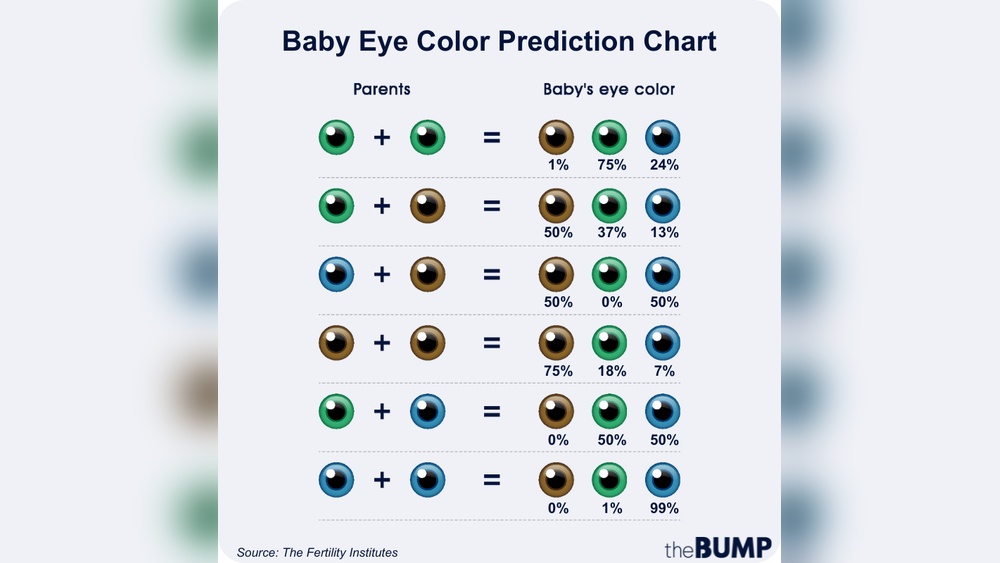
Have you ever wondered when your baby’s eye color will finally settle? It’s one of those little mysteries that keeps new parents guessing.
Right now, your baby’s eyes might look light blue, grey, or even a soft shade of green, but that color can change over time. Understanding why and when this happens can help you enjoy every stage of your baby’s development without the endless guessing game.
You’ll discover the timeline for eye color changes, what influences these changes, and when you can expect to see your baby’s true eye color shine through. Keep reading—you’ll soon know exactly what to expect from those adorable eyes staring back at you.

Credit: community.babycenter.com
Baby Eye Color At Birth
Newborn babies often surprise parents with their eye color at birth. Many infants come into the world with light-colored eyes. These eyes may look blue or gray, but the final color is not set yet. The reason behind this is low melanin levels in the iris. Melanin is the pigment that gives eyes their color.
At birth, a baby’s eyes contain very little melanin. This lack of pigment causes their eyes to appear lighter. Over time, melanin builds up, changing the eye color. The process can take months or even years. Parents should expect gradual changes as the eyes develop.
Why Are Babies’ Eyes Often Blue Or Gray At Birth?
The iris has little melanin at birth. Melanin is the pigment that decides eye color. Without much melanin, eyes appear blue or gray. This is common for most newborns worldwide.
How Does Melanin Affect Baby’s Eye Color?
Melanin increases after birth. Sunlight exposure helps melanin production. More melanin means darker eye color. Babies born with less melanin may see their eyes change to green, hazel, or brown.
Can Baby’s Eye Color Change After Birth?
Yes, eyes can change color during the first year. Some babies’ eyes darken quickly. Others take longer to show their true color. The change is slow and natural. Final eye color may not appear until age three.
Melanin’s Role In Eye Color
Eye color depends on melanin in the iris. Babies usually start with light eyes due to low melanin. Over months, melanin grows, changing eye color to its final shade.
What Is Melanin?
Melanin is a natural pigment found in the body. It gives color to skin, hair, and eyes. In the eyes, melanin lives in the iris, the colored part. The amount of melanin in the iris decides eye color.
How Melanin Affects Eye Color
Babies are often born with low melanin in their irises. This causes many newborns to have blue or gray eyes. Over time, melanin production increases. This makes the eyes darker or changes their color. More melanin means brown eyes. Less melanin means blue or green eyes.
When Melanin Levels Change
Melanin levels start low at birth. Light exposure helps increase melanin in the iris. By 6 to 12 months, many babies have more melanin. Their eye color often changes during this time. Some eyes keep changing up to 3 years old. The final eye color depends on how much melanin the iris keeps producing.
Timeline For Eye Color Changes
Babies’ eye color usually begins to change between 3 to 6 months as melanin builds up in their irises. Final eye color often settles by 9 to 12 months but can continue changing up to 3 years. Genetics and light exposure play key roles in this process.
Early Weeks: The First Color Clues
Most babies are born with blue or gray eyes. This happens because their irises have little melanin. Melanin is the pigment that gives eyes their color. In the first few weeks, the color may look very light or even change slightly. The eyes are still developing and adjusting to light.
3 To 6 Months: Noticeable Changes
Between three and six months, eye color often begins to change. Melanin production increases during this time. The eyes may darken or take on a new shade like green or hazel. This stage is when many parents start to see their baby’s true eye color.
6 To 12 Months: Color Stabilizes
By six months, most babies’ eye color becomes more stable. Changes are slower but can still occur. Some eyes may lighten or darken slightly until about one year old. After this, the eye color usually stays the same for life.
Factors Affecting Eye Color Change
Genetics play the biggest role in final eye color. Sunlight exposure can also increase melanin, making eyes darker. Health conditions sometimes influence melanin production and eye color too. Each baby’s timeline can be a little different.
Common Eye Colors In Newborns
Newborn babies display a range of eye colors at birth. Most infants have light eyes because melanin levels are low. Melanin is the pigment that gives eyes their color. Over time, melanin increases and changes the eye color. This process can take months or even years to finish.
Understanding common eye colors helps parents know what to expect. Babies’ eye colors often start light and then gradually darken. The final color depends on genetics and melanin production. Here are some of the most common eye colors in newborns.
Blue Eyes
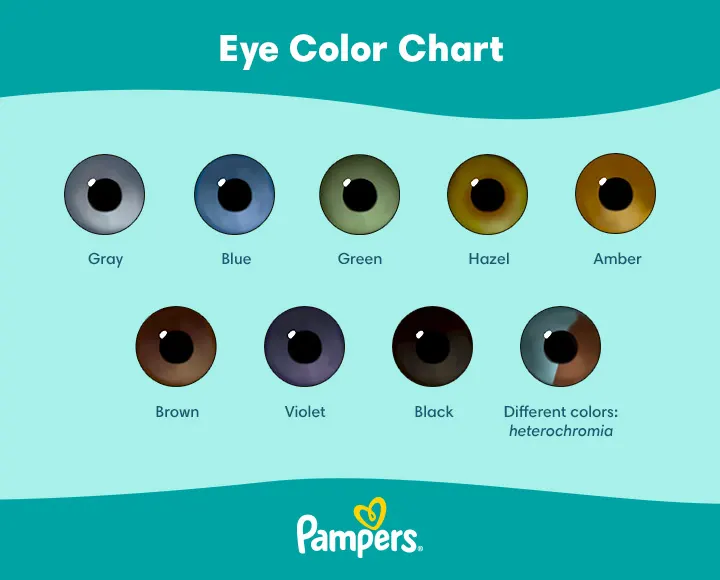
Blue eyes are very common in newborns, especially among babies of European descent. Low melanin in the iris causes this light color. Blue eyes often change as melanin increases, sometimes turning green, hazel, or brown. Many babies keep their blue eyes, but changes can happen up to age three.
Brown Eyes
Brown eyes have the highest amount of melanin. Babies born with brown eyes usually keep their color. This eye color is common worldwide. The richness of brown can vary from light amber to dark chocolate. Brown eyes often appear darker at birth.
Green Eyes
Green is a less common eye color for newborns. It results from a moderate amount of melanin combined with a yellow pigment. Babies born with green eyes may have them change slightly over time. Green eyes often appear in families with mixed ancestry.
Hazel Eyes
Hazel eyes show a mix of colors like brown, green, and gold. This color is due to varying melanin levels and light reflection. Hazel eyes can look different in various lighting. Babies with hazel eyes may notice color shifts as they grow.
Genetics And Eye Color
Eye color is a fascinating trait passed down through genes. It depends on how much melanin the body makes in the iris. Melanin is the pigment that gives color to eyes, skin, and hair. Babies often start with light eyes because they have little melanin at birth. Over time, melanin levels can rise, changing the eye color.
Genetics play a key role in deciding a baby’s final eye color. Different genes interact to control melanin production. This interaction creates a range of colors from blue to green to brown. Brown eyes usually have more melanin, while blue eyes have less. The exact color depends on the combination of genes inherited from the parents.
How Genes Influence Eye Color
Each parent gives half of their genes to their child. These genes include instructions for melanin production. Some genes are dominant, meaning they have a stronger effect. Brown eye genes are usually dominant over blue. But multiple genes work together, making eye color hard to predict exactly.
Why Babies’ Eye Color Changes Over Time
Babies’ eyes often look blue or gray at birth. This is due to low melanin levels in the iris. Sunlight exposure triggers melanin production. As melanin increases, eyes darken. This process can take months or even years. The final color settles by age three in most children.
Genetic Variations And Unique Eye Colors
Some babies may have rare eye colors like green or hazel. These come from unique gene combinations. Genetic variations can also cause differences in each eye’s color. This is called heterochromia. It is usually harmless but worth checking with a doctor if noticed.
Impact Of Light Exposure
Light exposure plays a key role in how a baby’s eye color develops. Newborns often have light eyes because their irises contain little melanin at birth. Melanin is the pigment that gives color to eyes, skin, and hair.
When a baby spends time in natural light, their eyes begin to produce more melanin. This process slowly changes the color of the eyes. The change can take months or even years to fully show.
How Light Affects Melanin Production
Melanin production increases when the eyes receive sunlight. This pigment darkens the iris and deepens the eye color. Babies with less melanin at birth will often see the most change. Light acts like a trigger for this natural process.
Timing Of Eye Color Changes
Most eye color changes occur in the first six to twelve months. During this time, light exposure helps melanin build up. The eyes may look different in various lighting conditions. This is normal as the color settles.
Why Some Babies’ Eyes Stay Light
Some babies live in places with less sunlight. They may produce less melanin over time. This can result in lighter eye colors lasting longer. Genetics also influence how sensitive the eyes are to light.
Protecting Baby’s Eyes From Too Much Light
While light helps eye color develop, too much sun can harm a baby’s eyes. Use hats and shade to protect their eyes outdoors. Avoid direct sunlight during peak hours to keep their eyes safe.
When Eye Color Typically Settles
Babies are often born with light-colored eyes. This happens because their irises have little melanin at birth. Melanin is the pigment that gives color to eyes, hair, and skin.
As babies grow, their eyes produce more melanin. This causes their eye color to change and often darken. The process can take several months or even years.
How Long Does It Take For Eye Color To Settle?
Most babies’ eye color starts to change around 6 to 12 months of age. By this time, the melanin in their irises has increased. The color may continue to change slightly until about age 3.
By age 3, the eye color usually becomes stable. After this age, major changes are rare but still possible in some cases.
Factors That Affect Eye Color Development
Genes play a big role in deciding eye color. Your baby inherits specific genes that control melanin levels. More melanin usually means darker eyes.
Light exposure also affects melanin production. Babies who spend more time in natural light may develop darker eyes faster.
Health conditions can influence eye color too. Some illnesses or eye problems may change how melanin forms.
When To Consult A Doctor About Eye Color Changes
Most eye color changes are normal. But sudden or uneven changes may need attention.
See a doctor if your baby’s eyes show different colors or unusual spots. Also, seek advice if pupils do not react or if the cornea looks cloudy.
Credit: www.pampers.com
Unusual Eye Color Changes
Babies’ eye color can change as they grow. Health plays a key role in this change. Certain health factors can affect melanin, the pigment that colors the eyes. This can alter the final eye color of a baby.
Understanding these health factors helps parents know what to expect. Some conditions can slow or speed up melanin production. This leads to changes in eye color over time.
Genetic Influence On Eye Color
Genes carry instructions for melanin production. These genes come from both parents. They decide how much melanin the iris will have. More melanin means darker eye color. Less melanin means lighter eyes. Genetic variations can cause unexpected eye colors too.
Impact Of Medical Conditions
Some medical issues affect melanin levels. Conditions like albinism reduce melanin, causing very light eyes. Other eye disorders may change eye color or appearance. Eye infections or injuries might also impact the iris color. Regular checkups can catch such problems early.
Role Of Sunlight And Environment
Sunlight triggers melanin production in the eyes. Babies exposed to more natural light may develop darker eyes faster. Limited light exposure can slow this process. Indoor environments with low light might delay eye color changes. Safe sun exposure benefits healthy eye development.
Health Factors Affecting Eye Color
Knowing when to consult a doctor about your baby’s eye color can ease your worries. Most babies’ eyes change color naturally during the first year. Yet, some signs need medical attention. Watch your baby’s eyes closely for unusual changes.
Rapid or extreme color changes in one or both eyes may signal a problem. If one eye changes color while the other stays the same, consult a doctor. This condition, called heterochromia, can sometimes point to health issues.
Cloudy Or White Spots On The Eye
Cloudiness or white spots on the iris or pupil is not normal. These could indicate cataracts or other eye conditions. Early diagnosis helps prevent vision problems later.
Abnormal Pupil Movement Or Size
Pupils that do not respond to light or move unevenly need a doctor’s check. Unequal pupil sizes or fixed pupils can be signs of neurological or eye disorders.
Excessive Redness Or Swelling
Redness, swelling, or discharge around the eyes may mean infection or injury. These symptoms require prompt medical evaluation to avoid complications.
Delayed Eye Development
If your baby’s eyes do not seem to follow objects or react to light by six months, seek advice. Delays in eye function might affect vision development.

Credit: kdfoundation.org
Frequently Asked Questions
When Can You Tell Baby Eye Color?
You can usually tell a baby’s final eye color by 6 to 12 months, as melanin develops and darkens the iris.
Do All Babies Have Blue Eyes At 4 Months?
Not all babies have blue eyes at 4 months. Eye color often changes as melanin develops, influenced by genetics and light exposure.
What Color Will Grey Baby Eyes Turn?
Grey baby eyes often darken to blue, green, or brown as melanin develops. Genetics mainly determine the final color.
How Long Does It Take For Blue Eyes To Turn Green?
Blue eyes can turn green over several months to a few years as melanin levels increase in the iris.
When Do Babies’ Eyes Start To Change Color?
Babies’ eye color usually begins to change at 3 to 6 months old as melanin increases.
At What Age Is Baby’s Eye Color Permanent?
Most babies’ eye color settles between 9 and 12 months, but it can change up to 3 years.
Why Are Newborn Babies’ Eyes Often Blue?
Newborns often have blue eyes because their irises have little melanin at birth.
How Does Melanin Affect Baby’s Eye Color?
Melanin pigment darkens the iris, gradually changing eye color from blue to green, hazel, or brown.
Can Baby’s Eye Color Change After One Year?
Yes, eye color can continue to change subtly until about age 3 years.
Do Genetics Determine Baby’s Eye Color?
Yes, genes inherited from parents control how much melanin the baby produces and eye color.
Conclusion
Babies’ eye color usually changes in the first year. Melanin builds up slowly, making eyes darker. Genetics play a big role in the final color. Some babies’ eyes stay light, while others turn brown or green. Changes can continue until around age three.
Watch for unusual changes and talk to a doctor if concerned. Remember, every baby is unique, and eye color adds to their special charm. Patience helps as you wait to see your baby’s true eye color. Enjoy this exciting journey of discovery!