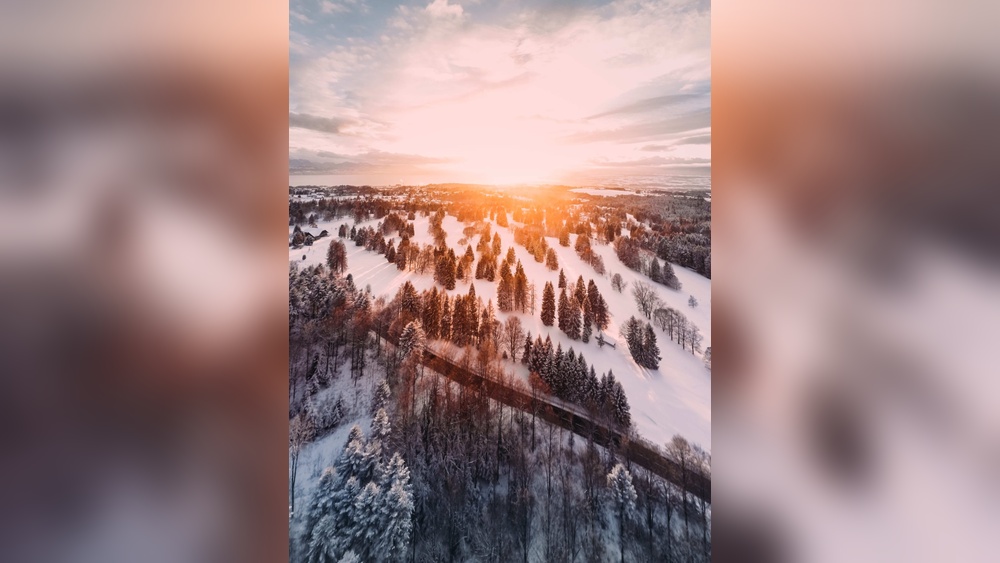
Are you wondering when the first snowflakes will start falling in Colorado? Whether you’re planning a winter getaway or just curious about the snowy season, knowing when it snows in Colorado can help you prepare.
Snow in Colorado isn’t just a winter event—it can surprise you as early as September and sometimes linger into late spring. Curious about how the snow season shapes up across the state? Keep reading to discover when you can expect snow in different parts of Colorado and how the snowfall patterns might affect your plans.
Snowfall Timeline
Colorado’s snowfall varies by region and elevation. Snow can appear early or late depending on the location. Understanding the timeline helps plan trips and activities better.
The mountains get snow earlier than the plains. Snowfall can start as early as September in high areas. Lower elevations usually see snow starting in October or November.
Early Snowfall: September To October
High mountain areas often receive their first snow in September. This early snowfall is usually light but signals the upcoming winter. By October, many mountain towns have a solid snow base.
Lower regions may get a few flakes in late October. It is rare but not impossible to see snow in the foothills this early.
Peak Snowfall: November To February
Most of Colorado experiences the heaviest snow from November through February. Ski resorts thrive during these months. Snow covers the mountains and often reaches the plains.
January and February usually bring the most consistent and deepest snow. These months are the core of Colorado’s winter sports season.
Late Snowfall And Melt: March To June
Snow continues in many mountain areas through March and April. Some high peaks hold snow well into May and June. Lower areas start to see snow melt and warmer weather.
Late spring snowfalls can still surprise visitors. Summer months usually have little to no snow except at the highest elevations.
Early Snow In September
Early snow in Colorado can surprise many visitors and residents alike. While most expect snow to start in October, some years bring flakes as early as September. This early snowfall usually affects higher elevations first. Lower areas might stay snow-free for a while longer.
The early snow can create beautiful landscapes. It also signals the start of the long winter season in the mountains. For hikers and outdoor lovers, early snow means planning carefully. Roads and trails might become slippery or blocked.
Where Does Early Snow Usually Fall?
Early September snow mostly falls in Colorado’s mountain regions. Areas like the Rockies and high plateaus see snow first. Cities at higher altitudes, such as Aspen and Breckenridge, often get early snow. Lower cities like Denver rarely see snow this early.
How Early Snow Affects Outdoor Activities
Early snowfall can change outdoor plans quickly. Hiking trails may close for safety reasons. Ski resorts might open early or prepare for the season. Campers should check weather forecasts before heading out. Early snow means colder nights and slippery paths.
Why Does Snow Sometimes Come Early?
Early snow happens due to cold air moving down from the north. Mountain elevation causes temperatures to drop faster. Weather patterns bring moisture that turns into snow instead of rain. Early snow is more common in some years than others.
October Snow Patterns
October marks the start of snow season in Colorado’s high country. Snow can appear anytime during this month, especially in mountain areas. The plains and cities see snow later, but the mountains often get dusted early.
Snow in October is usually light and patchy at first. It builds up as the month goes on, especially in the higher elevations. These early snows set the stage for the winter months ahead.
Early October Snowfall
Snowfall in early October is rare but not impossible. Mountain peaks can see light snow even in the first week. This snow often melts quickly due to warmer daytime temperatures.
Lower areas typically stay snow-free during early October. The weather can change fast, so sudden snow showers happen occasionally in high places.
Mid To Late October Snow Trends
Mid to late October sees more consistent snow in Colorado’s mountains. This is when ski resorts start to prepare for winter. Snow cover begins to build up, creating a base for the season.
Lower elevations may get their first snowflakes now. It usually does not stick around long, but the chance of lasting snow grows.
Regional Variations In October Snow
Snowfall timing varies across Colorado. The western mountains often get snow earlier than the eastern plains. Foothills around Denver might see snow by late October.
Higher elevations, like those in Summit County, commonly have snow by mid-October. Lower towns may wait until November for measurable snow.

Credit: 5280.com
November Snow Trends
November marks the true start of the snow season in Colorado. Snowfall becomes more frequent and heavier compared to October. Many areas begin to see consistent snow cover by mid-November.
The mountains often get their first big snowstorms in November. Lower elevations may still experience a mix of rain and snow. This month sets the tone for the winter months ahead.
Early November Snowfall Patterns
Snow in early November can be light and scattered. It often melts quickly at lower altitudes. Mountain regions, like the Rockies, start building snowpack. Ski resorts begin opening their slopes around this time.
Mid-november Snow Activity
Snowfall usually increases in mid-November. Storm systems bring heavier and more widespread snow. Snow cover becomes more reliable, especially in high country areas. Temperatures drop, allowing snow to stick longer.
Late November Snow Trends
Late November often brings the first major snowstorms. Mountains may receive several feet of snow. Front range cities start seeing regular snowfalls. Roads can become slippery and travel slows down.
Impact On Outdoor Activities
November snow boosts winter sports like skiing and snowboarding. Trails in the mountains become snowy and ideal for hiking. Wildlife adapts to the colder, snowy conditions. People prepare homes and vehicles for winter weather.
Peak Snow Months
Colorado’s snow season spans many months. Yet, some months see the heaviest snowfall. These are the peak snow months.
During these months, snow covers the mountains and plains. Ski resorts open, and winter sports thrive.
December
December marks the start of heavy snow in Colorado. Cold air and moisture come together to create frequent snowfalls. Many ski areas begin their season this month. Snow depth builds quickly, making it ideal for winter activities.
January
January is often the snowiest month. Temperatures drop, and storms bring consistent snow. The landscape turns white, creating perfect conditions for skiing and snowboarding. Travelers can expect thick snowpack and cold days.
February
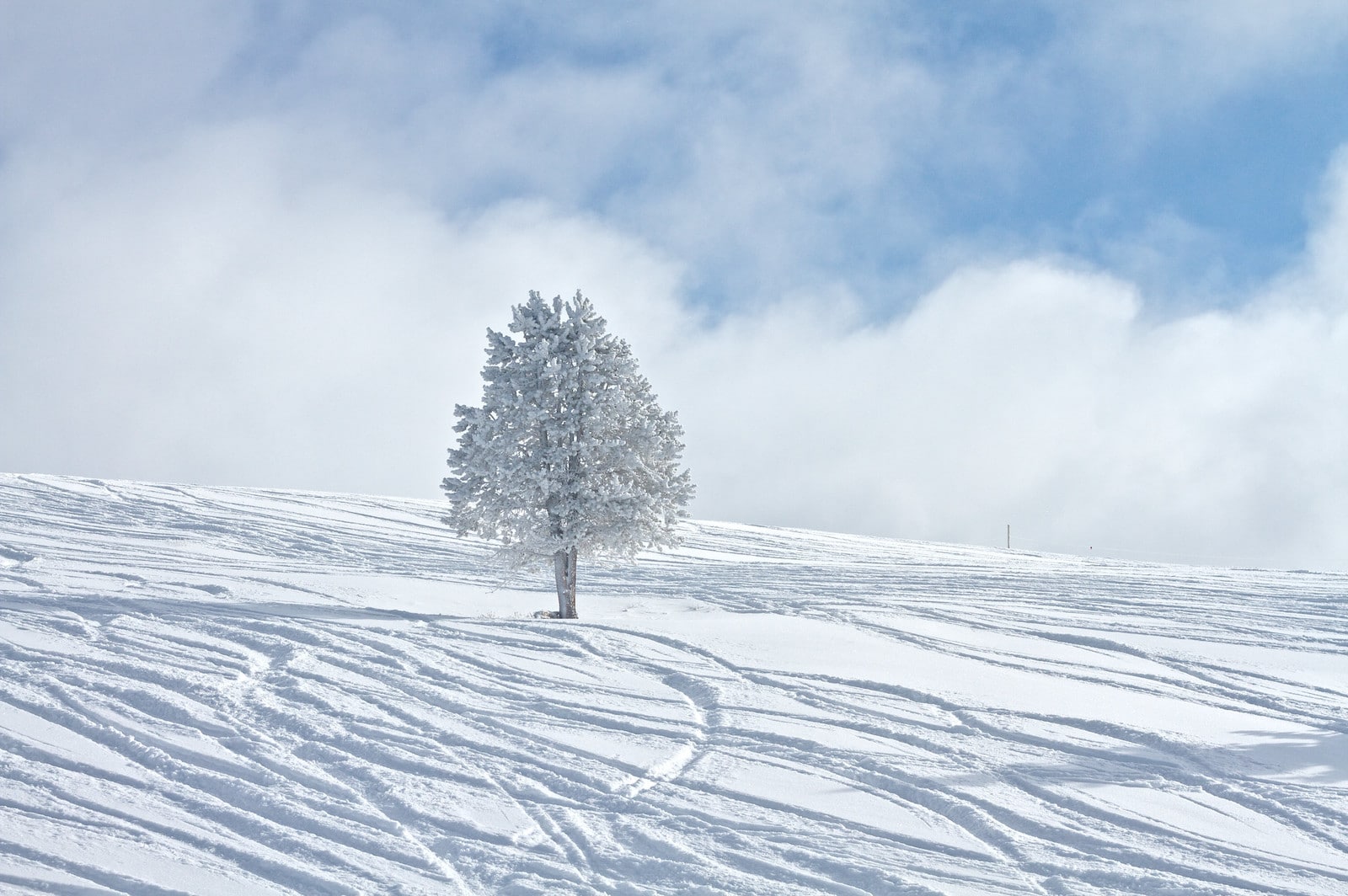
February continues the snowy trend. Snowstorms occur regularly, adding fresh powder. Days start to get longer but remain chilly. Snow remains deep in the mountains and foothills, supporting winter tourism well into the month.
Credit: www.uncovercolorado.com
Snowfall In December
December marks the true arrival of winter in Colorado. Snowfall becomes more frequent and heavier. This month sets the tone for the ski season and holiday activities.
Snow covers the mountains and often the cities. The landscape turns white and festive. Cold temperatures help maintain the snow on the ground.
Typical Snowfall Amounts In December
Snowfall varies by location. Mountain areas get more snow than lower cities. On average, mountain resorts receive several feet of snow. Denver and other cities see a few inches to a foot. This amount is enough to create a winter atmosphere.
Weather Patterns That Bring Snow
Cold fronts move through Colorado in December. They bring moisture and drop temperatures quickly. These conditions cause snowstorms. The mountains trap the moisture, increasing snowfall there. Cities may get light snow or flurries during these storms.
Popular Areas For December Snow
Mountain towns like Aspen, Vail, and Breckenridge see heavy snowfall. These places are popular for skiing and snowboarding. Denver and Colorado Springs get lighter snow but still have winter weather. Visitors enjoy winter sports and holiday events in these snowy areas.
Winter Snow In January And February
Winter snow in Colorado peaks during January and February. These months bring the coldest temperatures and the most consistent snowfall across the state. Many ski resorts thrive in this period, offering fresh powder for winter sports enthusiasts. The snow covers mountain peaks and valleys, creating iconic winter landscapes.
Snowfall in January and February varies by location. Higher elevations receive heavy snow, while lower areas see lighter amounts. The snow often falls in steady storms, sometimes lasting several days. This creates excellent conditions for skiing, snowboarding, and snowshoeing.
Typical Snowfall Amounts In January And February
January and February bring the largest snowfall totals of the year. Mountain towns like Aspen and Vail can get over 50 inches of snow each month. Denver and other Front Range cities usually see less, about 5 to 10 inches monthly. Snow accumulates steadily, creating deep winter conditions.
Weather Patterns Affecting Winter Snow
Cold air masses from the north and moisture from the Pacific Ocean combine in winter. This mix causes frequent snowstorms during January and February. Storms often bring heavy, wet snow that sticks to trees and roads. These patterns make winter snow reliable in most parts of Colorado.
Impact On Outdoor Activities
Snow in January and February supports many outdoor winter activities. Skiing and snowboarding are popular in mountain resorts. Snowshoeing and cross-country skiing are common in forested areas. The consistent snow cover also enhances winter hiking and wildlife viewing opportunities.
Spring Snow In March And April
Spring snow in Colorado often surprises many visitors and locals alike. March and April bring a mix of warming temperatures and lingering winter weather. Snowfall during these months can be heavy but usually melts quickly. This period offers unique conditions that differ from the deep winter snows.
Colorado’s mountainous regions frequently see snow in spring. Lower elevations get occasional snow showers, but they rarely last long. The weather shifts rapidly, causing snow to fall one day and sunshine to return the next. This makes spring snow both beautiful and unpredictable.
March Snow Patterns In Colorado
March marks the transition from winter to spring. Snow still falls regularly, especially in higher areas. Storms can bring fresh powder that attracts skiers. Daytime temperatures rise, causing snow to melt faster than in winter. March snow often arrives in bursts rather than steady accumulation.
April Snowfall And Its Effects
April snow is less common but still possible. It usually happens during cold snaps or late-season storms. Snow in April tends to be wetter and heavier than in March. This can cause temporary disruptions but also nourishes soil and plants. Snowfall in April signals that winter is not fully over yet.
Impact On Outdoor Activities
Spring snow creates mixed conditions for outdoor lovers. Ski resorts often stay open due to fresh spring snow. Trails and roads may be slippery or muddy as snow melts. Hikers should prepare for changing weather and variable trail conditions. Spring snow offers a chance to enjoy both winter sports and early signs of spring.
Late Snow In May And June
Late snow in Colorado can surprise many. Snowfall sometimes arrives even in May and June. This is common in higher elevations and mountain areas. The weather in spring and early summer can still be cold enough for snow. Understanding late snow helps visitors and residents prepare better for changing conditions.
Why Does Snow Occur So Late In Colorado?
Colorado’s high mountains keep temperatures low longer. Cool air masses often move through the region in spring. These cold fronts bring moisture that turns into snow. The elevation affects how long snow stays on the ground. Late snow happens because mountain weather changes quickly.
Which Areas See Snow In May And June?
High mountain regions like the Rockies often get late snow. Places such as Summit County and the San Juan Mountains see snow in May. Even some lower valleys might get a dusting in early May. Snow in June is rare but possible at the highest peaks. These areas have colder climates and higher altitudes.
How Does Late Snow Affect Outdoor Activities?
Late snow can change plans for hikers and campers. Trails may be slippery or covered with snow. Ski resorts sometimes extend their seasons because of late snow. Gardeners should protect plants from frost damage. Being aware of late snow helps people stay safe and enjoy the outdoors.
Regional Snow Differences
Snowfall in Colorado varies widely across regions. The state’s diverse landscape causes different snow patterns. Mountains, plains, and valleys all receive snow differently. Knowing these differences helps plan trips and activities better.
The mountains get early and heavy snow. The plains see lighter, later snow. Elevation plays a big role in how much snow falls and when it arrives.
Snow In The Rocky Mountains
The Rocky Mountains get snow as early as September. High elevations keep temperatures cold enough for snow. Snowfall here can last until May or June. Ski resorts in this region depend on this long snow season.
Snow amounts are heavy, often several feet deep. The terrain and weather create perfect conditions for winter sports.
Snow On The Front Range
The Front Range includes cities like Denver and Boulder. Snow usually starts in October here. Snowfall is lighter than in the mountains but still enough for winter fun. Snow often melts quickly in the city areas due to warmth.
Storms from the mountains can bring sudden heavy snow to this region. Snowfall usually ends by March or April.
Snow On The Eastern Plains
The eastern plains get the least snow in Colorado. Snow starts later, often in November. Snowfall amounts are lower and snow melts fast. Winds can cause snow to drift, making some areas deeper than others.
Snow may fall less often, but when it does, it can still impact travel and daily life.

Credit: www.fox21news.com
Frequently Asked Questions
Is It Snowing In Colorado In November?
Yes, Colorado often experiences snow in November, especially in mountainous regions. Snowfall increases as winter approaches.
How Early Does Denver Get Snow?
Denver usually gets its first snow in mid to late October. Snow can occur earlier in nearby foothills and mountains.
Does It Snow In October In Colorado?
Yes, Colorado often experiences snow in October, especially in mountainous areas. Early to mid-October usually marks the first snowfall. Snowfall can vary by location and elevation, but October snow is common in high country regions.
Does It Snow In Colorado In Early September?
Yes, snow can occur in Colorado in early September, especially in higher elevations. It is rare but possible.
When Does It Usually Start Snowing In Colorado?
Snow often starts in mid to late October, especially in the mountains and foothills.
How Long Does The Snow Season Last In Colorado?
The snow season typically lasts from October through April, sometimes longer in high areas.
Can It Snow In Colorado During Summer Months?
Yes, snow can fall even in July at high elevations, though it’s rare.
Which Months Have The Heaviest Snowfall In Colorado?
December through February usually bring the most snow, especially in mountain regions.
Does Denver Get Snow Earlier Than Other Colorado Cities?
Denver often sees its first snow in October, but nearby mountains get snow sooner.
Is Snow Common In Colorado In September?
Snow in September is possible in the mountains but rare in lower areas.
Conclusion
Snow in Colorado can start as early as September in high places. Most snow falls between October and April. Some areas see snow even in June. The mountain regions get snow earlier and keep it longer. Denver usually gets its first snow in October.
Winter weather varies across the state. Knowing when it snows helps plan trips and activities. Colorado’s snowy season offers many chances to enjoy winter sports. Stay prepared for changing weather during these months. Snow makes Colorado a beautiful winter destination year after year.