Are you ready to master the art of creating the perfect grey color? Whether you’re painting, designing, or simply mixing colors for a project, knowing how to create grey opens up a world of possibilities.
Grey isn’t just a dull shade—it can be warm, cool, light, or dark, depending on how you mix your colors. In this guide, you’ll discover simple, step-by-step methods to make a wide range of greys using basic colors you likely already have.
By the end, you’ll feel confident mixing greys tailored exactly to your needs, making your creative work stand out. Let’s dive in and unlock the secrets to creating stunning grey tones!
Basic Gray Mixing
Basic gray mixing is a simple way to create the color gray. This method uses just a few colors to get different shades. You can start with black and white or use other colors for varied tones.
Understanding how to mix gray helps in painting, design, and art projects. It allows you to control the exact shade and mood of your work. Let’s explore the basic ways to mix gray.
Mixing Black And White
The easiest way to create gray is by mixing black and white paint. Start with white as your base. Add small amounts of black gradually. Stir well to see the true color. This method creates a neutral gray without any color bias.
Using Complementary Colors
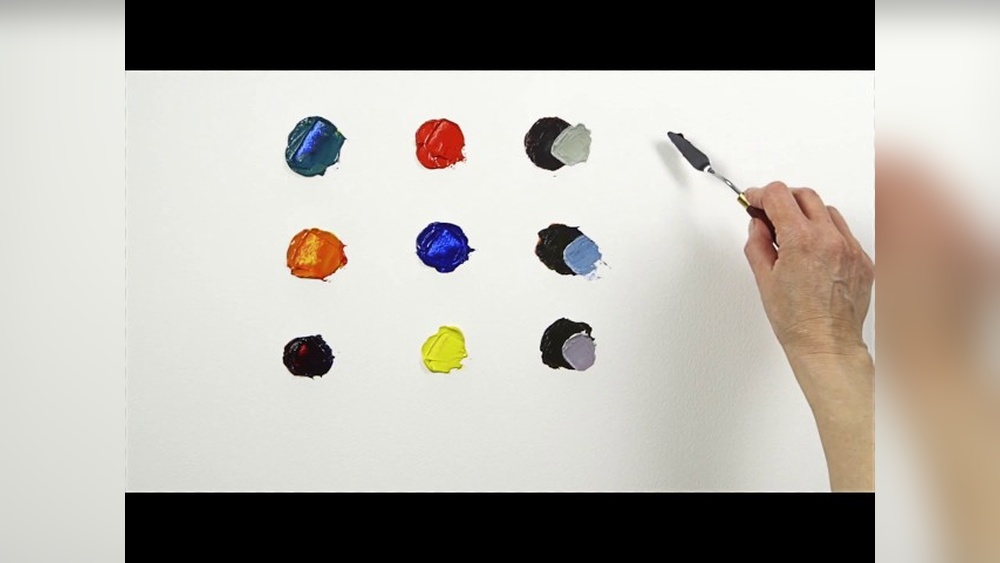
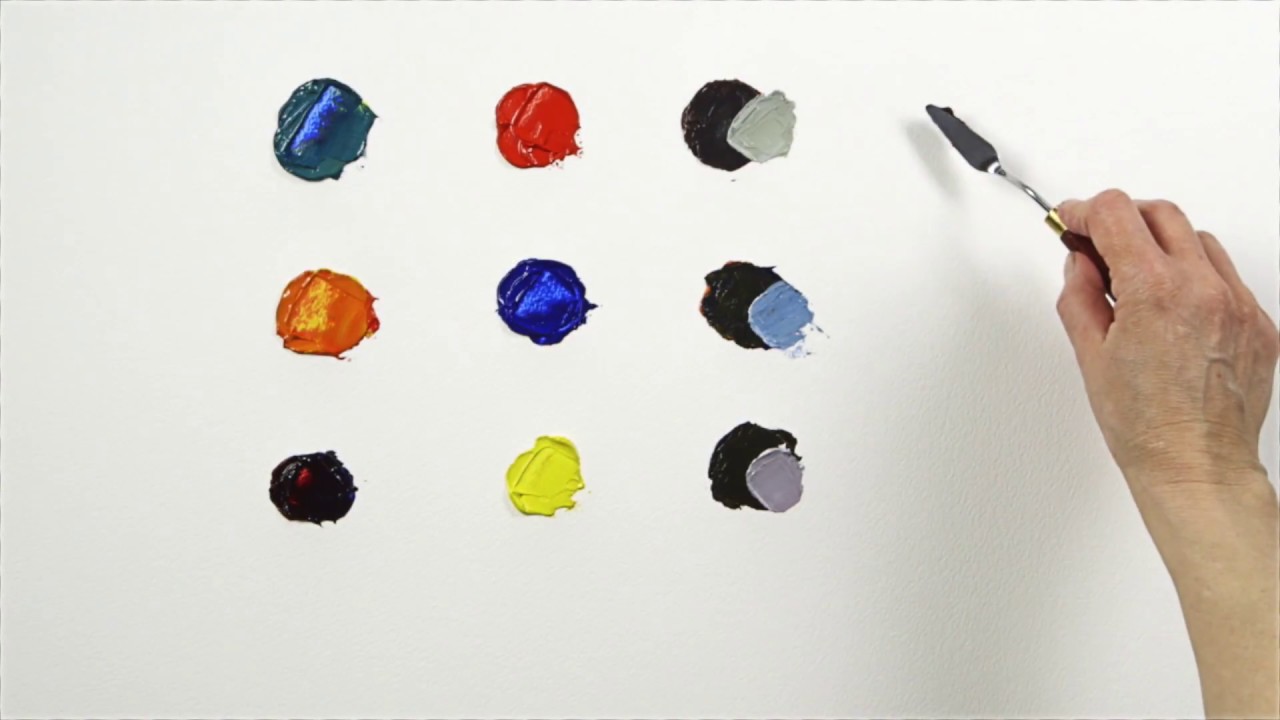
Complementary colors sit opposite each other on the color wheel. Examples include blue and orange, red and green, or yellow and purple. Mixing these colors in equal parts creates a gray with a slight tint. Adjust the ratio to make warmer or cooler grays.
Adjusting Shade With White
Adding white to your gray mix lightens the color. It helps create soft, pale grays. Use this for highlights or gentle backgrounds. Too much white can wash out the color, so add it slowly.
Tips For Smooth Mixing
Use a clean palette or mixing tray. Mix colors thoroughly to avoid streaks. Test your gray on a piece of paper before applying. Keep notes of your color ratios for future reference.

Credit: www.artistsnetwork.com
Using Black And White
Creating grey by mixing black and white is the simplest way to get a neutral color. Black adds darkness, while white lightens the shade. By adjusting the balance, you can make many different grey tones.
Mid-tone Gray
Start with equal parts of black and white paint. This gives a true mid-tone grey. It is neither too dark nor too light. This grey is perfect for backgrounds or neutral design elements.
Light And Dark Shades
Add more white to create a light grey. It looks soft and subtle. To make a dark grey, add more black. This shade feels strong and bold. Both light and dark greys work well in different parts of your artwork.
Warm And Cool Grays
Grey can feel warm or cool depending on the black used. Some blacks lean blue, making a cool grey. Others lean brown or red, making a warm grey. Mixing different blacks with white changes the mood of your grey color.
Complementary Colors For Gray
Complementary colors play a key role in creating gray shades. Mixing complementary colors balances their intensity. This balance produces neutral or tinted gray tones. Understanding these pairs helps in crafting unique grays. It also allows for creative control over the final hue.
Blue And Orange
Blue and orange sit opposite on the color wheel. Mixing them in equal parts creates a neutral gray. Adjusting the ratio shifts the gray’s tone. More blue results in a cooler gray. More orange adds warmth to the gray. This pair offers a versatile range of gray shades.
Red And Green
Red and green are another complementary pair. When combined, they produce a muted gray. Changing the amounts changes the gray’s undertone. A red-heavy mix yields a warm gray. A green-heavy mix leans toward a cooler gray. This combination works well for earthy gray hues.
Yellow And Purple
Yellow and purple create gray through contrast. Equal parts give a balanced gray tone. More yellow creates a softer, warmer gray. More purple results in a deeper, cooler gray. This pair is useful for grays with subtle color hints. It adds depth and interest to gray shades.
Primary Colors Blend
Creating grey color begins with blending primary colors: red, blue, and yellow. These three colors mix to form many shades. By adjusting their amounts, you can create different neutral tones, including grey. Understanding the balance of these colors helps in making grey without adding black or white at first.
Creating Dark Neutral Black
Mix equal parts of the three primary colors. This blend produces a dark, almost black color. The result is a deep neutral tone without using actual black paint. Adjust the amounts slightly to avoid muddy colors. This dark mix serves as the base for many grey shades.
Adjusting Color Balance
Change the ratio of primary colors to shift the tone. Adding more blue makes the grey cooler. More red or yellow warms the grey. Small changes create subtle hues in the grey color. Experiment to find the perfect balance for your project.
Adding White For Gray Shades
Add white paint slowly to the dark mix. White lightens the color and creates various grey shades. The more white you add, the lighter the grey becomes. This step helps to achieve soft, natural-looking greys. Use this method to customize the brightness of your grey.
Warm Vs Cool Gray Tones
Gray color has many faces. It can feel warm or cool depending on the tones mixed. Warm and cool gray tones change the mood of your design or artwork. Understanding the difference helps you create the perfect gray for your needs.
What Are Warm Gray Tones?
Warm gray tones have hints of red, yellow, or brown. These colors make gray feel cozy and inviting. Warm grays often remind people of earth and autumn colors. They work well in spaces meant to feel comfortable and friendly.
What Are Cool Gray Tones?
Cool gray tones contain blue, green, or purple hues. These colors give gray a fresh and calm feeling. Cool grays often look modern and clean. They fit well in spaces needing a sleek or peaceful look.
How To Mix Warm And Cool Grays
Mix black and white paint to start with a neutral gray. Add a small amount of red, yellow, or brown for a warm gray. For cool gray, add blue, green, or purple instead. Adjust the amount of color to get the shade you want.
Choosing Between Warm And Cool Gray
Think about the mood you want to create. Warm grays suit cozy and welcoming places. Cool grays fit calm and modern spaces. Try both to see which matches your style better.
Credit: www.youtube.com
Gray Variations With Acrylics
Creating gray with acrylic paints offers many possibilities beyond simple black and white mixtures. Gray variations can add depth and mood to your artwork. Experimenting with different mixes helps find the perfect shade for your project.
Using acrylics, you can achieve warm, cool, or neutral grays. Each type suits different styles and themes. Small changes in color ratios create subtle shifts in tone. This section explores common methods to create varied gray hues.
Mixing Black And White For Classic Gray
Start with equal parts of black and white acrylic paint. This creates a neutral gray base. Adjust the ratio to make it lighter or darker. Adding more white softens the gray. More black deepens it. This method is simple and effective.
Creating Warm Gray With Complementary Colors
Mix small amounts of red and green paint to form a warm gray. The colors neutralize each other, removing brightness. Add white to lighten the mix. This gray has a soft, cozy feel. It is great for natural or skin tones.
Cool Gray Using Blue And Orange
Combine blue and orange paints to produce a cool gray shade. These complementary colors balance out to a muted tone. Adding white paint brightens the color. Cool gray works well in shadows and urban scenes. It adds a calm, modern touch.
Adjusting Gray With Other Color Hues
Add tiny amounts of purple or yellow to your base gray. This shifts the gray toward violet or gold tones. Use this technique to match specific light conditions. It creates a more interesting and complex gray. Test small batches before applying.
Gray Shades In Watercolor
Gray shades in watercolor offer subtle beauty and great flexibility. Artists use these shades to create depth and mood in paintings. Mixing gray in watercolor is different from mixing it in acrylic or oil paint. It requires careful blending and understanding of color behavior in water. The transparency of watercolor makes gray shades delicate and soft. This softness adds a dreamy effect to artworks.
By mixing different colors, artists can create various gray tones. These tones range from cool to warm, from light to dark. Learning to mix gray shades helps painters avoid dull or flat results. It also expands the range of colors available for creative expression.
Mixing Black And White For Gray
The simplest way to make gray is by mixing black and white paint. Start with a small amount of black and add white to lighten it. This method produces a neutral gray that works well in many paintings. Adjust the balance to make the gray darker or lighter. Using too much black can make the gray too harsh or muddy. Use gentle strokes to keep the color smooth and even.
Creating Gray With Complementary Colors
Complementary colors are pairs opposite on the color wheel. Examples include blue and orange, red and green, or yellow and purple. Mixing these colors in equal parts creates a natural gray. This gray can have subtle hints of color depending on which pair is used. Experiment with different mixes to find warm or cool grays. This technique avoids using black and adds richness to the painting.
Lightening Gray Shades
Add water or white paint to lighten gray shades. Watercolor paint is transparent, so adding water thins the color. This creates soft, pale gray washes. White paint can brighten gray but may reduce transparency. Use white sparingly to keep the delicate look of watercolor. Light gray shades work well for backgrounds or soft shadows in paintings.
Using Gray To Add Depth
Gray shades help build depth and contrast in watercolor art. Use darker grays to create shadows and form. Light grays can show mist, fog, or gentle light. Mixing gray tones with other colors adds realism to landscapes and portraits. Balance gray areas with vibrant colors to keep paintings lively. Skillful use of gray shades brings more emotion and detail to the artwork.
Avoiding Black For Gray
Creating gray without using black is a smart choice for vibrant, rich results. Black paint can dull colors and make the gray look flat. Avoiding black helps maintain the brightness and allows more control over the tone. Using other color mixes gives more natural and lively grays.
Gray made without black feels softer and blends better with other colors. This method is useful in painting, design, and digital art. It keeps the gray from being too harsh or cold, giving a more pleasing and balanced look.
Using Complementary Colors To Make Gray
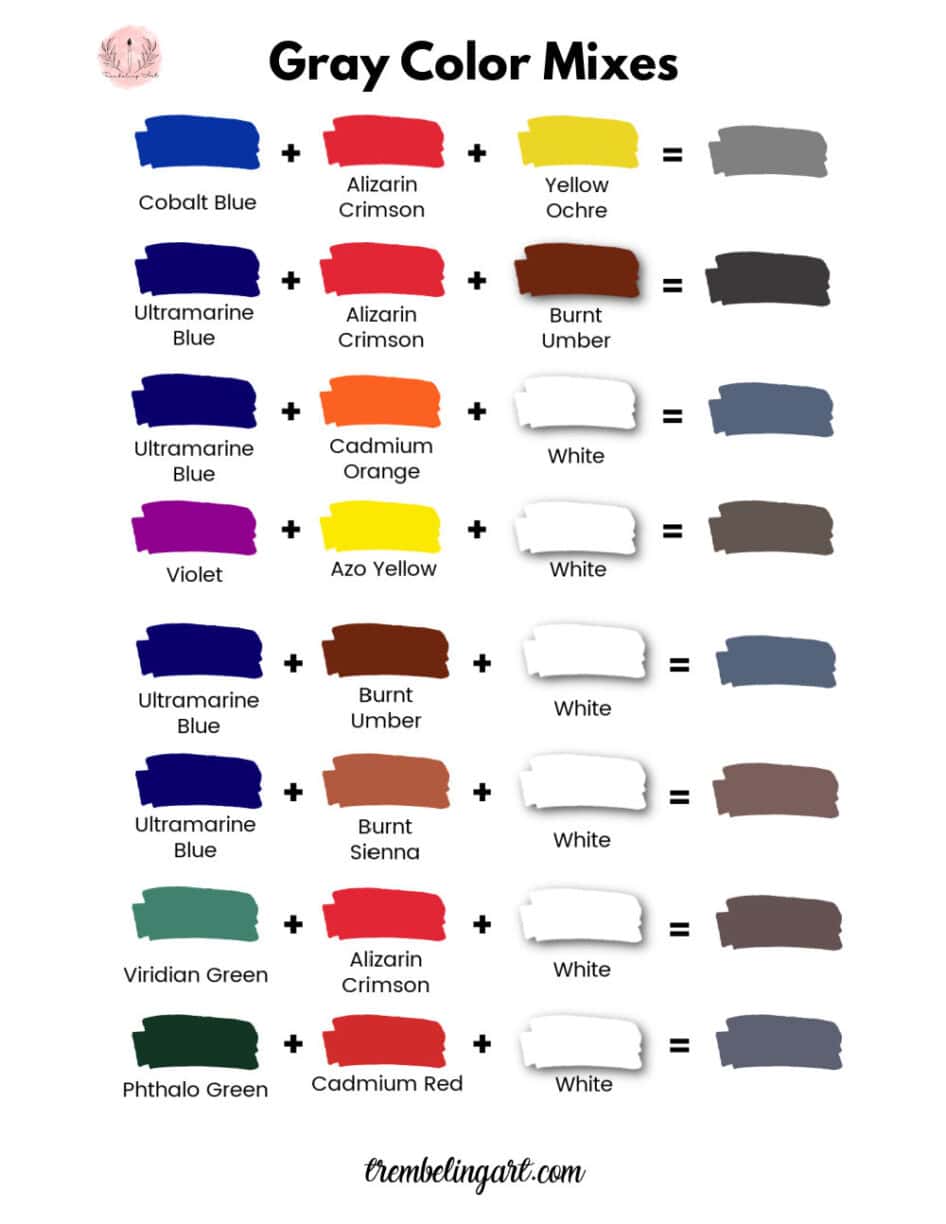
Mix two colors that sit opposite on the color wheel. For example, red and green or blue and orange. These pairs cancel out each other’s brightness, creating a neutral gray. Adjust the amount of each color to find the perfect shade.
Adding White To Soften The Gray
Once you have a base gray from complementary colors, add white to lighten it. White makes the gray softer and more pastel-like. It helps control the brightness and prevents the gray from looking too dark or heavy.
Mixing Multiple Colors For Unique Grays
Combine more than two colors to create special gray tones. For example, mix a bit of blue, orange, and white. This technique gives depth and complexity to the gray. Experiment with different colors to find the shade that suits your project best.
Tips For Perfect Gray Shades
Creating the perfect shade of gray can be simple with the right tips. Gray is not just black and white mixed. It can have warm or cool tones. Small changes in mixing create big differences. Understanding these tips helps you get the gray you want every time.
Use The Right Ratio Of Black And White
Start with a small amount of black paint. Add white paint slowly. Mix well after each addition. This helps avoid making the gray too dark or too light. Adjust the ratio until the shade fits your need.
Try Mixing Complementary Colors
Complementary colors sit opposite on the color wheel. Examples are blue and orange, red and green, or yellow and purple. Mixing these colors can create a neutral gray with a subtle hue. This method gives your gray a unique tone.
Add Small Amounts Of Color For Warm Or Cool Gray
To make a warm gray, add a tiny bit of red or yellow. For a cool gray, add a small amount of blue or green. Mix thoroughly to blend the color evenly. This tip helps to match your gray with other colors in your design.
Test Your Gray On Different Surfaces
Gray can look different on paper, fabric, or walls. Paint a small sample on your project surface. Observe how the gray changes with light and texture. This helps you decide if you need to adjust the shade.
Use Quality Paints And Tools
High-quality paints mix better and show true color. Use clean brushes or mixers to avoid muddy colors. Good tools make the mixing process smoother and results more accurate.
Credit: smart.dhgate.com
Common Mistakes In Mixing Gray
Mixing gray paint seems simple, but many make common mistakes. These errors change the color unexpectedly or make the gray look dull. Understanding what to avoid helps create better gray shades. Avoiding these pitfalls saves time and paint.
Using Only Black And White
Mixing black and white is the easiest way to get gray. This method often creates flat, lifeless gray. It lacks depth and can appear cold or harsh. Adding small amounts of color warms or cools the gray. Without color, the gray looks too plain.
Ignoring Color Temperature
Gray has warm and cool tones. Mixing without thinking about temperature causes muddy colors. Using warm colors like red or yellow shifts gray toward brown or green. Cool colors like blue or purple keep gray fresh and clean. Balancing warm and cool hues gives vibrant gray.
Adding Too Much Black
Black paint is strong and can overpower other colors. Too much black makes the gray too dark quickly. It also dulls the color and hides subtle shades. Use black sparingly and blend in other colors for better control. Lighten with white, not just black.
Not Testing The Mix
Mixing colors without testing leads to surprises. The color may dry different from wet paint. Always test a small amount on paper or canvas. Let it dry and see the true shade. Testing helps adjust the mix before painting the whole area.
Frequently Asked Questions
Which Colors Mix To Make Grey?
Mix black and white for neutral grey. Combine complementary colors like blue-orange, red-green, or yellow-purple for varied grey shades. Adjust proportions to lighten or darken the grey.
Do Yellow And Blue Make Gray?
Yellow and blue do not make gray; they combine to create green. To make gray, mix complementary colors like blue and orange or use black and white.
What Four Colors Make Gray?
Four colors that make gray include red, blue, yellow, and their complementary colors like orange, green, or purple. Mixing equal parts of these creates neutral gray. Adding white lightens it, while adjusting proportions changes the shade. This method produces varied gray tones without using black.
Do Green And Blue Make Grey?
Mixing green and blue does not create gray. Gray results from mixing black and white or complementary colors like red and green.
What Colors Combine To Create Grey Color?
Mix black and white or mix complementary colors like blue and orange.
How To Make Light Grey Color Easily?
Add more white to your grey mix for a lighter shade.
Can Grey Be Made Without Black Paint?
Yes, mix complementary colors equally to create a neutral grey.
Why Use Complementary Colors To Create Grey?
They neutralize each other, producing balanced grey tones without black.
How To Adjust Grey Tone Warmth Or Coolness?
Add a small amount of warm or cool color to your grey.
What Is The Easiest Way To Make Mid Grey?
Mix equal parts of black and white paint for mid grey.
Conclusion
Creating grey color is simple and fun. Mix black and white for a neutral tone. Adjust amounts to get lighter or darker grey. Use complementary colors for unique grey shades. Experiment with warm or cool colors for different effects. Practice mixing to find your perfect grey.
Enjoy exploring all the grey tones you can make.