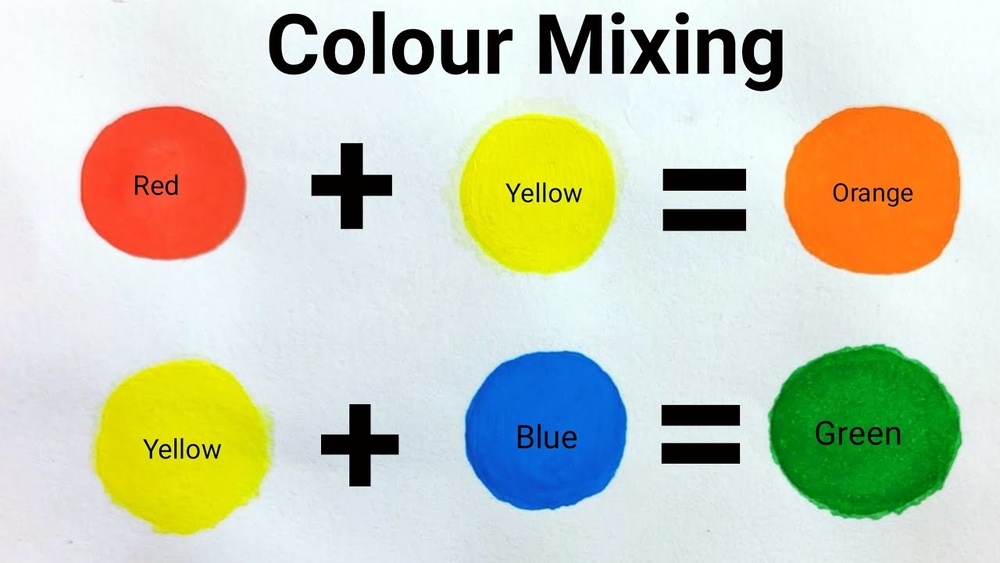
Have you ever wondered how to make the perfect shade of orange? Whether you’re painting, crafting, or just curious about colors, knowing how to create orange can open up a world of creative possibilities for you.
It’s simpler than you think — with just two basic colors, you can mix your own vibrant orange right at home. You’ll discover easy steps to mix orange and how to tweak it to get the exact shade you want.
Keep reading, and you’ll soon master the color orange like a pro!
Primary Colors For Orange
Orange is a bright, warm color that comes from mixing two primary colors. These colors are red and yellow. By blending them, you get the base of orange.
You can change how orange looks by changing the amount of red or yellow. More red makes the orange deeper. More yellow makes it lighter and sunnier.
Red: The Warm Base
Red is one of the main colors needed to make orange. It adds warmth and richness. Without red, orange cannot form. Use a bright red for a vivid orange.
Yellow: The Brightener
Yellow brings brightness to orange. It lightens the color and gives it a sunny feel. Use a lemon or golden yellow depending on the shade you want.

Credit: www.youtube.com
Basic Mixing Ratios
Creating the color orange starts with understanding the basic mixing ratios. Orange comes from mixing two primary colors: red and yellow. Changing the amounts of each color changes the shade of orange you get. Using more red gives a deeper, warmer orange. Using more yellow results in a lighter, brighter orange.
Adding white lightens the orange, making it softer and peach-like. Adding a small amount of black or blue darkens the orange, giving it a muted tone. Knowing these basic ratios helps you mix the exact orange you need for your project.
Equal Parts Red And Yellow
Mix equal parts of red and yellow paint. This creates a pure, vibrant orange. Use this ratio for a standard orange color. It is bright and balanced.
More Yellow For Lighter Orange
Add more yellow than red. This makes the orange lighter and more yellowish. It looks fresh and sunny. Perfect for warm, light designs.
More Red For Darker Orange
Add more red than yellow. This creates a deeper, richer orange. It has a warm, intense feel. Use this for bold, strong orange shades.
Mix a small amount of white into orange. This softens the color and makes it lighter. The result is a peach or pastel orange. Great for gentle, subtle looks.
Darkening Orange With Black Or Blue
Add a tiny bit of black or blue to orange. This darkens and tones down the brightness. The color becomes more muted and earthy. Use this for natural or fall-inspired palettes.
Adjusting Red-orange Shades
Adjusting red-orange shades helps create warm and vibrant tones. It gives you control over the exact look of orange. By changing the balance between red and yellow, you can make the color more red or more yellow. Small changes make a big difference in shade and mood.
Understanding these adjustments improves your painting and design work. It also allows you to match colors better for art or decoration. Here is how to adjust red-orange shades effectively.
Increasing Red For Deeper Orange
Add more red than yellow to make a deeper orange. This creates a rich, warm color similar to autumn leaves. It feels bold and strong. Use this shade for accents or highlights that need attention.
Balancing Yellow For Brighter Orange
Use more yellow than red for a brighter orange. This shade looks sunny and cheerful. It works well for light, happy scenes or designs. Adjust slowly to keep the orange from turning too yellow.
Using White To Lighten Red-orange
Add white paint to your red-orange mix to create a lighter tone. This gives you soft shades like peach or coral. Lightened orange colors are great for gentle backgrounds or skin tones.
Adding Blue Or Black To Muted Orange
Mix a tiny bit of blue or black to mute the orange. This produces earthy, natural shades. Use muted orange for shadows or calm color palettes. Be careful; a small amount changes the tone a lot.

Credit: partnersinfire.com
Creating Yellow-orange Tones
Creating yellow-orange tones opens up a bright and warm palette. These shades bring energy and cheer to art and design projects. Mixing the right colors can produce lively and fresh tones that resemble sunsets or ripe fruits.
Yellow-orange tones lean more toward yellow but keep the warmth of orange. They work well for highlights and soft accents. Achieving these tones requires careful mixing of primary colors and small adjustments.
Mixing Base Colors For Yellow-orange
Start by mixing yellow and red to make orange. Use more yellow than red to shift toward yellow-orange. This balance creates a bright and sunny shade. Test small amounts before mixing larger batches.
Adjusting Brightness And Warmth
Add white paint to lighten the yellow-orange tone. This creates soft, pastel-like colors such as peach or apricot. For deeper shades, add a tiny bit of red or brown. Avoid too much red to keep the yellow influence strong.
Using Yellow-orange In Design
Yellow-orange tones work well in nature scenes and autumn themes. They add warmth without overpowering other colors. Pair with neutral colors like beige or gray for balanced designs. These tones can brighten spaces and create inviting moods.
Lightening Orange With White
Lightening orange with white is a simple way to create soft and pastel shades. Adding white paint to orange makes it less intense and more delicate. This method is perfect for creating peach, coral, or pastel orange tones. It also helps in balancing the brightness for various art projects or designs.
Understanding The Role Of White In Lightening Orange
White paint reduces the saturation of orange. It makes the color appear softer and lighter. The more white you add, the paler the orange becomes. This process is called tinting. Tinting does not change the hue but changes the brightness and softness.
Step-by-step Guide To Lighten Orange With White
Start with a base of orange paint. Use equal parts of red and yellow to mix orange. Gradually add small amounts of white paint. Stir the mixture well after each addition. Continue adding white until you reach the desired lightness. Avoid adding too much white at once to control the shade better.
Tips For Achieving Smooth And Consistent Lightened Orange
Use a clean palette and brush for mixing. Mix paint slowly to avoid streaks. Test your color on a scrap piece before applying. Add white little by little to prevent over-lightening. Remember that dried paint looks slightly different from wet paint.
Darkening Orange With Black
Mix red and yellow to create bright orange. To darken orange, slowly add black paint in small amounts. This deepens the color without losing its warmth.
What Happens When You Add Black To Orange?
Adding black paint to orange makes the color darker. It creates a deep, rich shade. This darker orange can add depth to your artwork or design.
Be careful with black. A small amount can change orange a lot. Start with tiny drops and mix well. This helps you control the shade better.
How To Mix Dark Orange With Black
First, mix red and yellow to get bright orange. Then, add a little black paint slowly. Stir the colors until you see the shade you want.
Use a palette or mixing tray for better control. Test the color on paper before using it on your final work. This step avoids mistakes and saves paint.
Tips For Using Darkened Orange
Dark orange works well for shadows and backgrounds. It gives a warm, natural feel to your project. Combine it with lighter colors for contrast.
Remember, darkening orange with black is different from mixing brown. Brown has more black and less red or yellow. Experiment to find the perfect tone for your needs.
Muting Orange Using Blue
Muting orange using blue is a simple way to soften bright orange tones. Blue is the opposite of orange on the color wheel. When combined, these colors reduce each other’s intensity. This process creates more subtle, muted orange shades.
Adding blue to orange shifts the color toward brown or gray. This technique helps artists and designers create natural, earthy tones. It also adds depth and sophistication to orange hues.
How To Mix Blue And Orange
Start with a bright orange made from red and yellow. Add a small amount of blue slowly. Mix well after each addition. Watch the orange lose brightness and become muted. Stop when you reach your desired shade.
Choosing The Right Blue
Select a blue with a cool tone like ultramarine or cobalt. Warm blues can change the orange too much. Cool blues neutralize orange without altering the base color too much. This creates a balanced muted orange.
Tips For Controlled Muting
Add blue little by little to avoid over-darkening. Use a palette knife or brush to mix thoroughly. Test the color on paper or canvas before using it in your project. Keep a separate sample to compare as you work.

Credit: smart.dhgate.com
Avoiding Common Mixing Mistakes
Mixing orange paint sounds simple but can easily go wrong. Many beginners face common errors that affect the final color. Avoiding these mistakes helps create a bright, true orange.
Understanding the right way to mix colors saves time and paint. Small errors can make the color look dull or muddy. Watch out for these common pitfalls to get the perfect orange every time.
Using Too Much Red Or Yellow
Orange is made by mixing red and yellow equally. Using too much red makes the orange look dark and brownish. Too much yellow causes a pale or greenish tone. Balance the two colors for a true orange.
Adding Incorrect Colors
Adding blue or green can dull the orange. These colors cancel out the warmth of orange. Stick to just red and yellow first. Add white or black only to adjust brightness or darkness.
Mixing Without Testing
Always test your mix on a small area before applying. Paint can look different when dry. Testing helps you see the final shade. Adjust colors slowly and test again.
Ignoring Paint Quality
Cheap or old paints can change the color outcome. Use fresh, high-quality paints for better results. Poor paint may not mix well or dry unevenly.
Using Orange In Different Mediums
Orange is a bright and warm color that appears differently across various mediums. Using orange effectively depends on the medium you choose. Each medium has unique traits that affect the color’s look and feel. Understanding these traits helps in making the perfect shade of orange every time.
Using Orange In Painting
In painting, orange is made by mixing red and yellow. The ratio of these two colors changes the shade. More yellow creates a lighter orange, while more red makes it deeper. Artists can add white to soften orange or black to darken it. Acrylics, oils, and watercolors each show orange differently. Acrylics dry fast and keep bright orange tones. Oils blend smoothly for rich, warm oranges. Watercolors create soft and transparent orange shades.
Using Orange In Digital Design
Digital design uses RGB colors to make orange. Red and green light mix to produce orange on screens. The combination of 255 red, 165 green, and 0 blue is a common orange tone. Designers can adjust brightness and saturation to get the right orange for logos or websites. Orange looks vibrant on digital screens and grabs attention quickly. It works well for calls to action and highlights.
Using Orange In Fabric And Textiles
In textiles, orange comes from dyes or pigments. The fabric type affects how orange appears. Cotton absorbs dye differently than silk or polyester. Some fabrics hold orange colors brighter and longer. Mixing dyes needs care to avoid uneven shades. Natural dyes give soft, earthy orange tones. Synthetic dyes offer bright and lasting orange colors. Orange fabric adds warmth and energy to clothing and home decor.
Using Orange In Makeup
Orange shades in makeup add a fresh, lively look. Lipsticks, blushes, and eyeshadows use orange pigments. The shade must match skin tone for a natural effect. Bright orange works well on warm skin, while softer peachy orange suits fair skin. Makeup formulas affect orange’s brightness and texture. Creams give a dewy finish, powders offer matte looks. Mixing orange with other colors creates unique makeup styles.
Tips For Vibrant Orange Shades
Creating vibrant orange shades requires more than just mixing red and yellow. The right balance and small adjustments bring out the best brightness and richness. These tips help you achieve lively, eye-catching orange colors for your artwork or projects.
Use Pure Red And Yellow Paints
Start with bright, pure red and yellow paints. Avoid dull or mixed colors. Pure colors mix better and give a clearer orange. This base makes your orange vibrant and strong.
Adjust Ratios For Different Shades
Change the amount of red or yellow to alter the shade. More red gives a warmer, deeper orange. More yellow creates a lighter, golden tone. Experiment to find the perfect balance.
Add White For Lighter Oranges
Mix in small amounts of white paint to lighten orange. This creates soft, pastel-like colors such as peach. White makes the color brighter and more delicate.
Use Small Amounts Of Blue Or Black To Darken
Add tiny drops of blue or black to darken orange. Be careful, as too much can dull the color. These additions create rich, muted orange shades for depth.
Mix Thoroughly For Even Color
Stir the paints well to avoid streaks. Even mixing ensures the orange shade is smooth and consistent. This step improves the final look and quality.
Frequently Asked Questions
Which Two Colors Make Orange?
Mixing the primary colors red and yellow creates orange. Adjust red or yellow amounts to change shades.
Do Blue And Red Make Orange?
No, blue and red do not make orange. Mixing blue and red creates purple. Orange forms by mixing red and yellow.
Can Red And Green Make Orange?
No, red and green do not make orange. Mixing red and yellow creates orange. Green combined with red makes brown or gray.
Are Yellow And Red Make Orange?
Yes, mixing yellow and red creates orange. Adjust red or yellow amounts to make different orange shades.
What Two Colors Make The Color Orange?
Mixing red and yellow paint creates the color orange.
How Can I Make Lighter Shades Of Orange?
Add white paint to orange to create lighter shades like peach.
How Do I Make Darker Or Muted Orange Colors?
Mix orange with a little black or blue to darken or mute it.
Can I Use Paint Or Light To Make Orange?
Orange paint is made by mixing colors, while orange light mixes red and green light.
What Is The Best Ratio To Mix Red And Yellow?
Start with equal parts red and yellow, then adjust for your desired orange shade.
How Do I Make Bright, Vivid Orange Paint?
Use pure red and yellow paints without adding other colors for vivid orange.
Conclusion
Making orange color is simple and fun. Just mix red and yellow paint. Change the amount of each color to get new shades. Add white to lighten orange or black to darken it. Practice mixing to find your favorite orange tone.
Enjoy creating vibrant colors for your art projects. Now you know how to make orange easily and clearly.