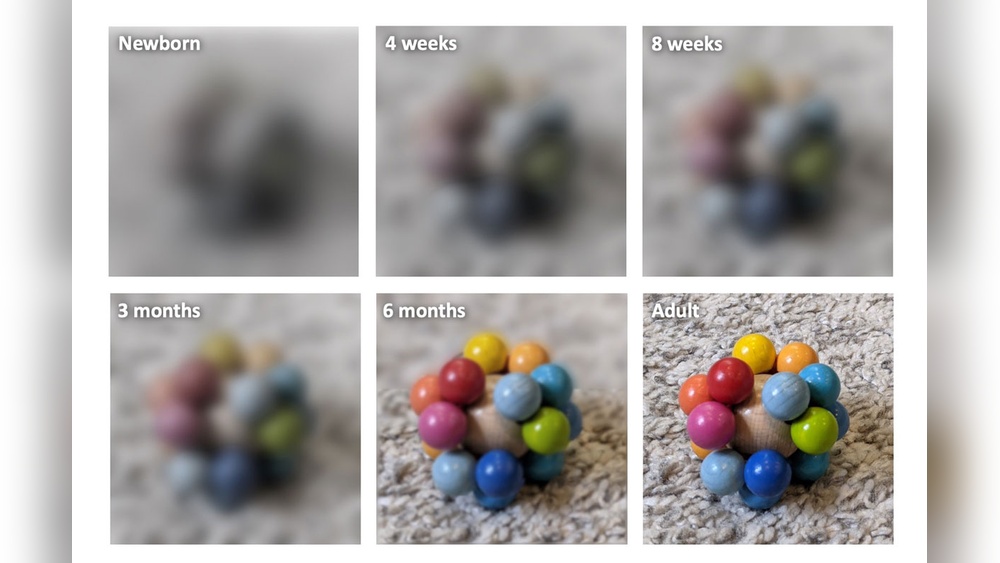
Have you ever wondered when your baby will start to see the world in full color? It’s amazing to think that your little one’s vision begins in shades of gray and gradually transforms into a vibrant spectrum.
Understanding when babies begin to see color can help you connect more deeply with their early experiences and support their development. You’ll discover exactly when your baby starts to notice colors, which hues capture their attention first, and simple ways you can help nurture their growing eyesight.
Keep reading to unlock the colorful journey your baby is about to embark on!
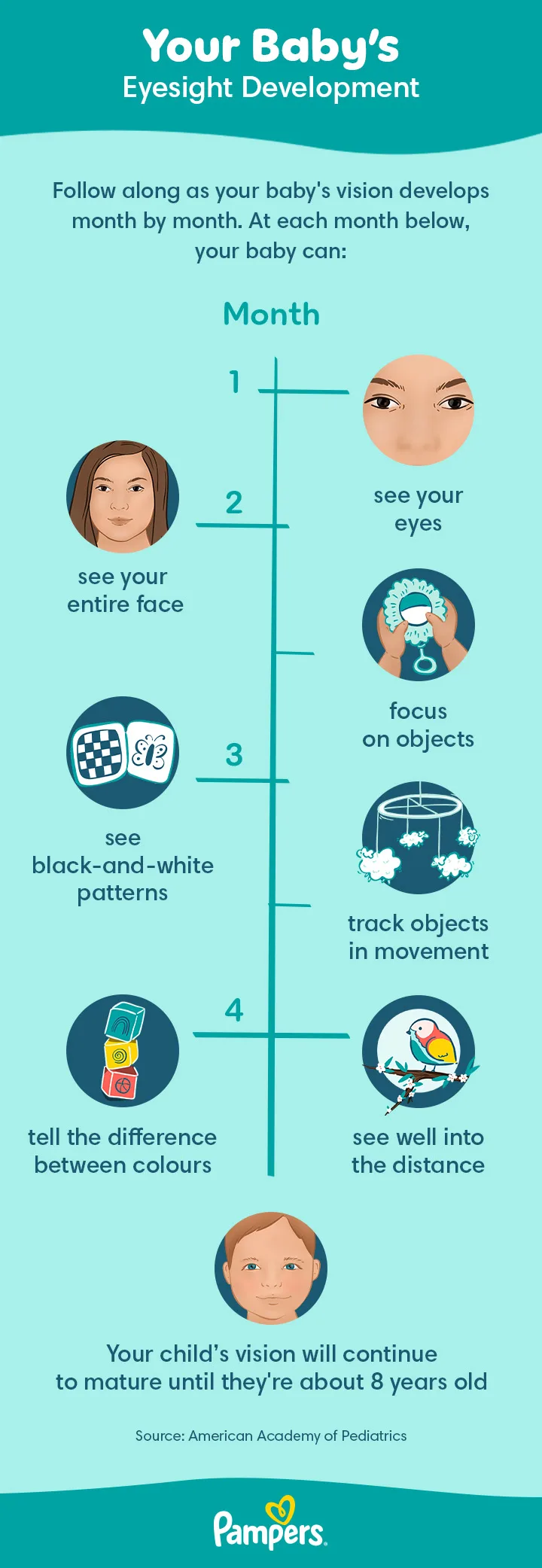
Credit: www.pampers.com
Newborn Color Perception
Babies begin to see colors around two months old, starting with bright reds and blues. Their vision improves as they learn to distinguish more colors over time. High-contrast shades help newborns notice colors better than soft pastels.
Newborn babies see the world differently from adults. Their vision is blurry and mostly in shades of gray. They can detect light and dark, but colors are not clear yet.
At birth, babies start to notice strong contrasts. Black and white patterns catch their attention more than colors. This helps their eyes and brain develop.
Colors Newborns Can Distinguish
Newborns begin to recognize some colors early on. Red, yellow, and blue are the easiest for them to see. These colors are bright and bold, making them stand out.
Babies respond well to high-contrast colors. Bright red or deep blue toys and clothes attract their gaze. Soft pastels or light colors do not stand out as much.
What Colors Are Hard For Newborns To See
Newborns cannot tell apart colors that look similar. Shades like pink and light red appear almost the same to them. Their vision is not mature enough for subtle differences.
Colors like green and purple may be confusing at first. It takes time for the brain to learn how to separate these shades.
How Color Vision Develops
Color vision improves during the first few months. By two months, babies start to see red, green, and blue more clearly. Their eyes and brain work better together.
Exposure to vivid colors helps this development. Toys, books, and nursery decorations with bright colors support their growing vision.
Color Vision Development Timeline
The color vision development timeline shows how babies begin to see and recognize colors. Newborns see mostly in shades of gray. Their eyes and brain are still learning to process colors. Over weeks and months, their vision improves step by step.
Understanding this timeline helps parents know what to expect. It also guides them in choosing the best colors and toys for their baby’s visual growth.
First Few Weeks: Seeing Mostly In Gray
At birth, babies can only see in black, white, and shades of gray. Their eyes are not ready to detect colors yet. Contrast is easier for them to notice than colors. They respond best to bold patterns and strong light differences.
One To Two Months: Starting To See Red And Green
Between one and two months, babies begin to see some colors. Red and green are the first colors they can detect. Bright and vivid colors work best to catch their attention. Pastel or soft colors are hard for babies to see clearly.
Three To Four Months: Recognizing More Colors
By three to four months, babies see blue and yellow. Their color vision is becoming stronger. They start to notice differences between similar colors. This helps with their brain development and focus.
Six Months And Beyond: Color Vision Nears Adult Level
At six months, babies’ color vision is almost like adults. They can see many colors and subtle shades. This skill keeps improving as they grow. Bright and clear colors still attract their eyes the most.
First Colors Babies Recognize
Babies begin to see colors a few weeks after birth. Their vision starts blurry and improves over time. At first, babies see high-contrast colors best. Bright and bold colors catch their attention more easily.
Some colors are easier for babies to recognize early on. These colors help stimulate their developing eyesight. Understanding which colors babies notice first can guide parents and caregivers.
Colors They Can Distinguish
Babies often recognize red, yellow, and blue first. These colors are bright and have strong contrast. Red stands out because it is bold and vibrant. Yellow is bright and easily catches the eye. Blue is calming and clear to babies.
These colors help babies focus and track objects. They create a visual interest that aids learning and development.
What They Need To See Colors
Strong, vivid, and high-contrast colors help babies see better. Pastel or light colors are harder for babies to notice. Bright shades provide clear boundaries between colors. This contrast supports their eyesight growth.
Using bold colors in toys and books helps babies explore their world. High-contrast patterns are ideal for newborns.
Colors They Prefer
Babies often prefer colors like red and blue. These colors are bold and easy to see. Red attracts attention and can excite babies. Blue has a soothing effect and holds their gaze.
Bright colors help babies stay engaged and curious. Offering colorful objects supports their visual development.
Colors That Are Less Developed
Newborns cannot yet distinguish subtle shades or similar colors. Their vision is not mature enough for fine color differences. Light pinks, soft greens, and pale blues may look the same to them.
As babies grow, their ability to see more colors improves. But early on, bold colors remain the best choice.

Credit: www.visionlearncenter.com
Visual Contrast And Color Detection
Babies begin to see colors clearly at about two months old. Bright, bold colors like red and blue catch their attention best. Their eyes need strong contrast to distinguish different shades easily.
Understanding Visual Contrast In Early Baby Vision
Babies are born with limited vision. Their eyes see mainly in black, white, and gray at first. High contrast helps babies focus and learn. Bold patterns like stripes or checkerboards attract their attention. Visual contrast makes objects easier to see and recognize.
Strong contrasts stimulate brain development. They improve a baby’s ability to track moving objects. Parents can use toys and books with dark and light colors to support this growth. Contrast is key before babies fully see colors.
How Babies Begin To Detect Color
Color detection starts slowly. Newborns see some colors but not clearly. By about two months, babies notice bright colors like red and blue. These colors stand out because they have strong contrast. Babies respond more to vivid shades than soft pastels.
Color vision improves as babies grow. Their eyes develop cells called cones to detect colors. This process takes time and practice. Early exposure to colorful objects helps babies learn to tell colors apart.
Colors Babies Prefer And Recognize First
Babies tend to prefer bright and bold colors. Red and blue are among the first colors they recognize. These colors show up well against lighter backgrounds. Yellow is also easy for babies to see. Soft colors like pink or light green come later.
Choosing toys and surroundings with bright reds, blues, and yellows supports visual learning. These colors grab attention and encourage babies to explore. Colorful environments help develop their sight and curiosity.
Preferred Colors For Infants
Babies begin to develop color vision within the first few months. Their eyes and brain start working together to recognize colors. At first, babies see mostly black, white, and gray. As their vision improves, they notice bright and bold colors more easily. These colors catch their attention and help them learn about the world.
Bright colors stimulate babies’ brains and encourage visual development. Some colors stand out more than others for infants. These preferred colors support early learning and focus.
Colors They Can Distinguish
Babies can distinguish strong, vivid colors better than soft shades. Red, blue, and yellow are among the easiest colors for them to see. These colors have high contrast, making them clear and sharp. Babies start to notice these colors around 2 to 3 months old.
What They Need To See Colors
Babies need bright and clear colors to see differences. High-contrast colors help their eyes and brain work together. Soft pastels or light colors are hard for babies to see. These colors do not support eyesight development well. Using bold colors can improve their ability to focus and recognize patterns.
Colors They Prefer
Babies often prefer red and blue colors. These colors are bright and bold, making them easy to notice. Red is especially popular because it is vivid and attracts attention. Blue also stands out and is soothing to babies. Yellow can be interesting but is seen less clearly at first.
Limitations In Early Color Vision
Babies do not see colors clearly at birth. Their color vision is limited and develops gradually. Early on, babies mainly see in shades of gray.
Their eyes and brain need time to learn how to process colors. This means they cannot tell many colors apart in the first weeks.
Limited Color Detection
Newborns can detect only a few colors at first. They mainly see high-contrast colors like black and white.
Colors such as red, yellow, and blue start to become visible after about six weeks. These colors are easier for babies to notice.
Need For Bright And Vivid Colors
Babies respond better to bright and bold colors. Soft pastels or light shades are hard for them to see clearly.
Strong, vivid colors help stimulate their developing vision and attract their attention more easily.
Difficulty With Similar Or Subtle Shades
Newborns cannot distinguish between colors that look alike. Subtle differences, like light blue versus light green, are too hard to see.
Their vision improves slowly, allowing them to recognize more colors as they grow older.
Color Preferences In Early Months
Babies often prefer bright red and blue colors. These colors catch their eyes and keep them engaged.
Parents can use these colors in toys and nursery items to support visual development.
Milestones For Color Differentiation
Babies do not see the world in full color right after birth. Their eyes and brain develop in stages to recognize colors. Understanding these milestones helps parents support their baby’s vision growth.
Color differentiation starts with recognizing bright, contrasting shades. Babies gradually learn to tell colors apart as their eyesight sharpens.
Early Color Recognition
At birth, babies see mostly in shades of gray. Their color vision is limited and blurry. By around 4 to 6 weeks, babies begin to notice bright colors. Red is often the first color they recognize clearly. This happens because red has a strong wavelength that stands out more.
Developing Color Vision
Between 2 to 3 months, babies can tell red, green, and blue apart. Their eyes and brain learn to process these colors better. They start focusing longer on colorful toys or objects. This stage shows that their color vision is improving.
Preference For Bright Colors
Babies prefer bright and bold colors over pastel shades. Strong colors like red, yellow, and blue attract their attention. These colors help stimulate their vision and brain development. Using toys or books with vivid colors can support this growth.
Challenges With Subtle Colors
Babies find it hard to see similar or soft colors. Light shades like pale pink or light gray look almost the same to them. Their eyes are still learning to detect small differences. This skill improves gradually over the first year.
Color Differentiation By Six Months
By six months, babies can see most colors clearly. They can distinguish between different shades and hues. Their color vision is close to that of adults. This milestone helps babies explore and understand their environment better.
Role Of Nursery Colors
The role of nursery colors is important in a baby’s early visual development. Babies begin to see colors a few weeks after birth. Choosing the right colors in their nursery can help stimulate their eyesight. Bright and contrasting colors capture a baby’s attention best. Soft pastels do not provide enough contrast for newborns.
Colors in the nursery can support brain growth and visual skills. They make the environment more engaging and comforting. Parents often wonder which colors work best to help babies recognize hues. Certain shades like red and blue stand out to babies first. These colors are easier for infants to distinguish.
Colors Babies Can Distinguish Early
At about two months old, babies start to see some colors clearly. They can tell the difference between red, blue, and green. These colors have strong wavelengths that babies’ eyes detect better. Bold and vivid shades are easier for babies to focus on. This helps their brain learn to process color information.
Importance Of High-contrast Shades
Babies need strong contrasts to see colors well. Black and white patterns mixed with bright colors work best. These contrasts make objects stand out and attract babies’ gaze. Avoid using too many light or pastel colors. They blend too much and do not help babies’ visual development.
Colors To Avoid In A Nursery
Very soft colors can be hard for babies to notice. Light pinks, pale yellows, or faint blues are less effective. Babies’ vision is still maturing and cannot see subtle differences. Using these colors alone may not stimulate their eyes enough. Mixing in brighter colors improves visibility and interest.
Preferred Colors For Baby Nurseries
Babies often prefer bright red and blue shades. These colors catch their attention quickly. They are stimulating but not overwhelming. Using these colors in toys, wall art, or bedding helps babies focus. Red and blue also support healthy visual and cognitive growth.
Tips To Enhance Color Recognition
Helping babies recognize colors is a fun and important part of their growth. Early exposure to colors boosts their brain and eye development. Simple activities can make color learning easier and more enjoyable for little ones. Bright, clear colors work best to catch their attention.
Use Bright And Bold Colors
Choose toys and books with strong colors like red, blue, and yellow. These colors are easier for babies to see. Avoid pale or pastel shades at first. Bright colors help babies focus and tell colors apart.
Show One Color At A Time
Present one color during play to avoid confusion. This helps babies notice details and differences. Repeat the same color often to build recognition. Simple color lessons stick better with less distraction.
Talk About Colors While Playing
Name colors clearly when playing with your baby. Say “red ball” or “blue block” to link words with colors. This practice supports language and visual learning. Babies learn faster when they hear and see colors together.
Use High-contrast Patterns
Patterns with strong contrasts, like black and white or red and yellow, attract babies’ eyes. These patterns improve visual tracking and focus. Use high-contrast items in toys, books, and clothes.
Repeat And Be Patient
Color recognition develops slowly. Repeat color activities daily for steady progress. Give babies time to explore and understand colors. Patience and consistency help build their skills.
Impact Of Color On Baby’s Development
Color plays a vital role in a baby’s early growth. It helps stimulate their brain and senses. Babies use colors to learn about their world. Bright and contrasting colors catch their attention more easily. This focus helps improve their visual skills and alertness.
Seeing colors also supports emotional development. Certain colors can calm or excite babies. Red and blue, for example, often attract babies’ eyes. These colors encourage curiosity and engagement. Early exposure to varied colors can boost cognitive skills too.
How Color Stimulates Visual Development
Colors help babies learn to focus and track objects. High-contrast colors like black and white are easiest for newborns. By two months, babies begin to see red and green. These colors help develop the retina and brain pathways. Seeing different colors sharpens their vision over time.
Color And Emotional Responses In Babies
Colors can influence a baby’s mood and feelings. Warm colors like red and yellow often feel exciting. Cooler colors like blue and green create calmness. This emotional response helps babies connect with their environment. Parents can use colors to create soothing or stimulating spaces.
Colors That Encourage Learning And Exploration
Bright and bold colors invite babies to explore. They stimulate curiosity and encourage interaction. Toys with vivid colors promote hand-eye coordination. Exposure to diverse colors helps babies distinguish objects better. This early learning supports brain development and memory.
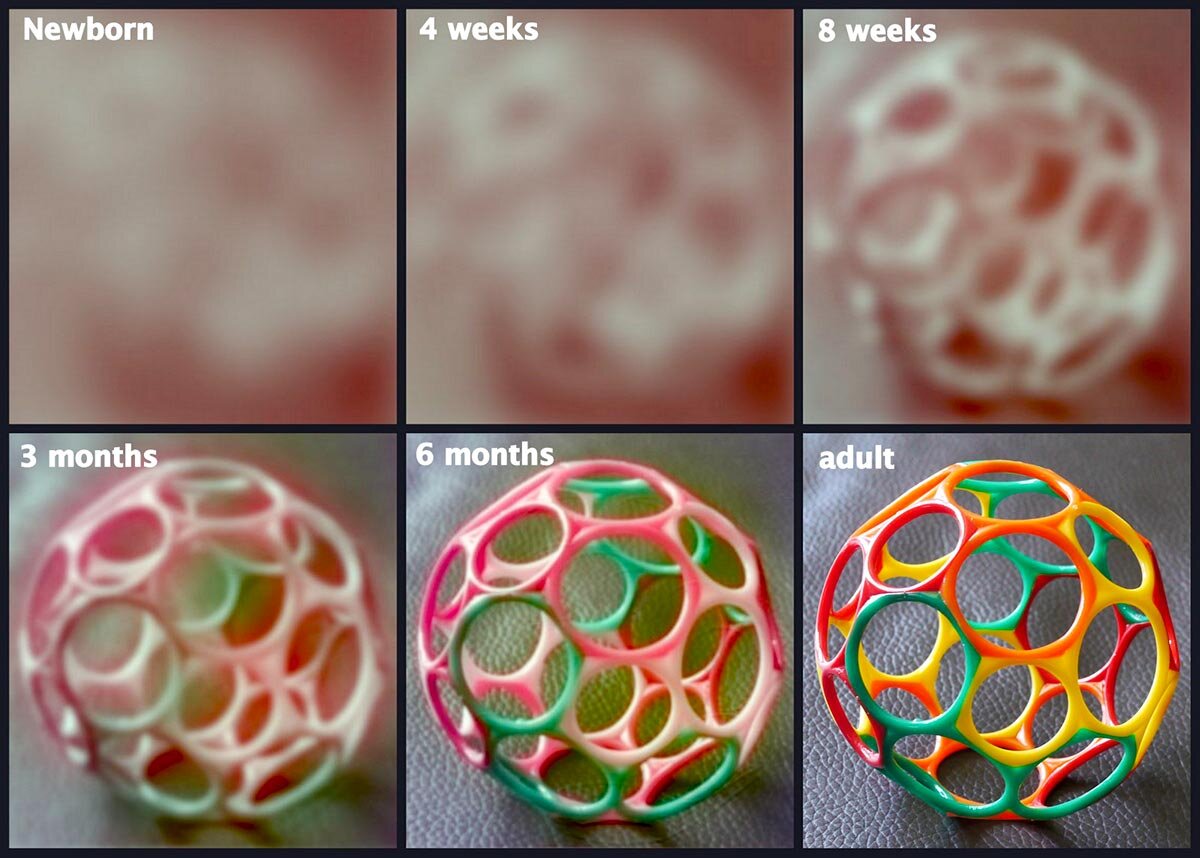
Credit: www.spectacleoptometry.com
Frequently Asked Questions
What Color Can A 2 Month Old See?
At 2 months, babies begin to see bright, bold colors like red, blue, and yellow. Their vision prefers high-contrast shades for better distinction. They cannot yet differentiate subtle or similar colors clearly. Vivid colors help stimulate their developing eyesight effectively.
What Is The 5 8 5 Rule For Babies?
The 5 8 5 rule for babies means holding the baby snugly and walking steadily for 5 minutes, then sitting quietly for 8 minutes, followed by 5 more minutes of walking to soothe and help the baby sleep.
How Far Can A 3 Week Old See?
A 3-week-old baby can see objects about 8 to 12 inches away. Their vision is blurry and focuses best on close faces.
What Age Do Newborns First See Color?
Newborns begin to see colors around 2 months old. They first notice bold, high-contrast colors like red and blue. Their vision matures gradually to distinguish more shades over time.
When Do Babies Start To See Colors Clearly?
Babies begin to see some colors around 2 months old, with vision improving over time.
Which Colors Can Newborns See First?
Newborns first distinguish bright colors like red, blue, and yellow better than pastels.
How Does Baby’s Color Vision Develop?
Color vision sharpens gradually as their eyes and brain mature during the first 6 months.
Can Babies See All Colors At Birth?
No, babies see mostly black, white, and gray at birth; colors come later.
Why Do Babies Prefer Bright Colors?
Bright colors have high contrast, making it easier for babies to notice and focus.
When Do Babies Recognize Different Shades?
Babies start to notice different shades around 4 to 6 months as their vision develops.
Conclusion
Babies begin to see colors around two months old. Their vision improves as they grow. Bright, bold colors like red and blue catch their attention first. Soft pastel shades may be harder for them to notice. Parents can support development by using strong, high-contrast colors.
Watching their reactions helps track progress. Remember, each baby develops at their own pace. Patience and gentle encouragement matter most. Color vision is just one part of their amazing growth. Enjoy these early moments of discovery together.