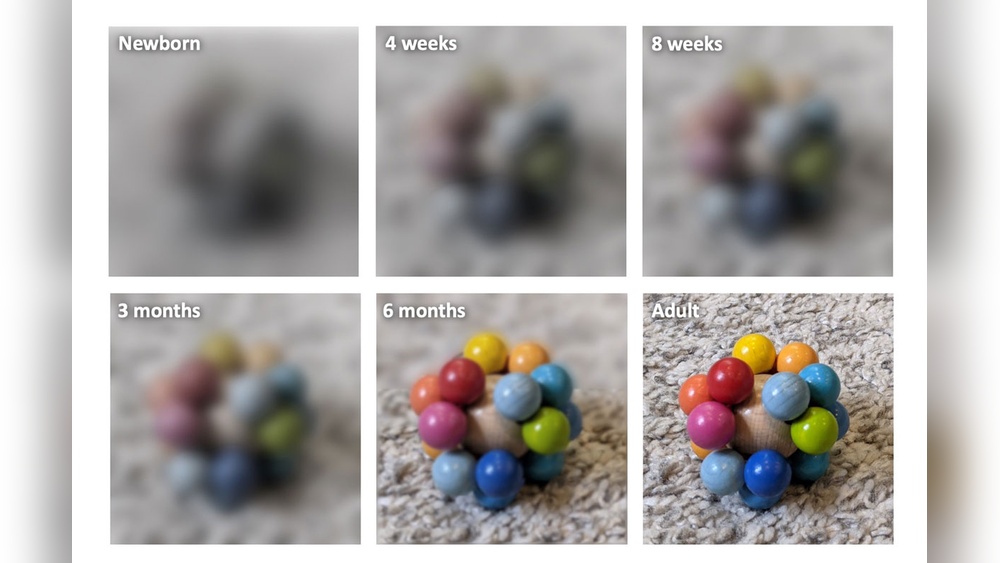
Have you ever wondered if your newborn truly sees the vibrant world around them or if everything is just a blur of black and white? When it comes to your baby’s vision, the journey from shades of gray to a full spectrum of colors is fascinating—and faster than you might think.
Understanding how your infant’s eyes develop and when they begin to see colors can help you connect better and nurture their growing curiosity. You’ll discover exactly what colors your baby can see at different stages and how their vision evolves in those crucial first months.
Keep reading to unlock the colorful secrets of your baby’s world—you won’t want to miss a single detail!

Credit: www.science.org
Baby Vision At Birth
Babies are born with very limited vision. Their eyes and brain are still developing. At birth, babies see mostly in black, white, and shades of gray. They cannot see colors clearly yet.
Their vision is blurry. They focus best on objects about 8 to 12 inches away. This distance is perfect for seeing their caregiver’s face during feeding or cuddling.
How Newborns See The World
Newborns notice high contrast patterns. Bold black and white shapes catch their attention. This helps their brain start to process visual information. Bright colors do not stand out much yet.
Color Vision At Birth
At birth, babies do not see colors like adults do. Their eyes have fewer color receptors. These cells, called cones, detect color. They are not fully mature in newborns.
Newborns can see some colors, but only in very faint shades. Red is usually the first color they can notice. It may take weeks for other colors to become clear.
Vision Development In The First Months
Within the first month, babies begin to see colors more vividly. Their brain and eyes learn to work together better. By three months, many infants can see most colors clearly.
Color vision development is a gradual process. Parents can help by showing colorful toys and pictures. This encourages babies to practice focusing and recognizing colors.
Color Perception Timeline
Infants do not see colors the same way adults do at birth. Their color vision starts very limited. It develops quickly over the first months of life. Understanding this timeline helps parents know what to expect.
Newborns mainly see in black, white, and gray shades. Bright and high-contrast patterns catch their attention more. Colors begin to appear clearer as their eyes grow stronger.
At Birth: Seeing In Black And White
Newborn babies see mostly black, white, and shades of gray. Their eyes and brain are still developing. They respond best to sharp contrasts. This helps them focus on faces and shapes.
First Few Weeks: Red Becomes Visible
By around 4 weeks old, babies start to see red. This is the first color they recognize. It stands out because red has a strong wavelength. Babies begin to notice simple colors more now.
Two To Three Months: Color Vision Expands
Between 2 and 3 months, babies see more colors. Green and yellow join red in their vision. Their eyes improve in focusing and distinguishing colors. This stage makes the world more colorful for them.
Four Months And Beyond: Near Adult Color Vision
By 4 months, color vision is close to adult level. Babies can see many colors clearly. Their brains process color signals better. This helps with learning and recognizing objects and people.
High Contrast Attraction
Newborns are naturally drawn to high contrast images. Their vision starts blurry and mostly sees black, white, and gray shades. These stark contrasts help babies focus and recognize shapes. Bright colors do not attract newborns as much as clear, bold contrasts do.
High contrast patterns stimulate a baby’s developing brain. These patterns make it easier for them to process visual information. This attraction supports early learning and visual development.
Why High Contrast Patterns Matter
Babies have immature eyes and brains at birth. They need strong visual cues to understand their surroundings. High contrast helps by creating clear edges and shapes. This clarity helps babies track objects and faces better.
Examples Of High Contrast Patterns For Babies
Simple black and white patterns work best. Stripes, checkerboards, and bold shapes catch their attention. Toys, books, and nursery decor often use these patterns to engage infants.
How High Contrast Supports Color Vision Development
High contrast images build the foundation for seeing colors. Once babies can detect differences in light and dark, their eyes learn to see color more clearly. This step is crucial before they recognize different hues.
First Colors Seen
Newborns see mostly in black, white, and gray at first. Color vision starts developing within weeks, beginning with red. By a few months, babies recognize more colors clearly.
Newborn babies do not see the world in full color right away. Their eyes and brain are still learning to process colors. At birth, infants mostly see in black, white, and gray shades. This helps them focus on simple shapes and strong contrasts.
Within a few weeks, babies start to notice colors. The first color they can usually see well is red. This bright color stands out and grabs their attention. Red objects look clearer to babies than other colors early on.
Why Red Is The First Color
Red is easier for babies to see because of how their eyes develop. The cells that detect red light mature sooner than others. This gives infants a chance to recognize red before other colors.
Bright red toys or clothes can be very interesting to babies. They often look longer at red items compared to blue or green ones.
How Color Vision Grows
After red, babies begin to see green and yellow. These colors appear a little later in their vision development. By about three months old, infants can see many colors clearly.
Babies learn to distinguish colors by practicing with different objects. Their brain links color with shapes and experiences. This helps improve their vision over time.
Development Of Color Range
Infants do not see the full spectrum of colors at birth. Their color vision grows stronger over time. This growth happens in clear stages as their eyes and brain develop. Color perception improves rapidly in the first few months.
Understanding this development helps parents and caregivers support their baby’s sensory skills. Babies start with simple color recognition and gradually see more shades. This process is natural and steady.
Early Color Perception
Newborns mainly see in black, white, and gray. Their eyes focus on high-contrast patterns first. This helps them notice shapes and movements clearly. Color detection is very limited at this stage.
Recognizing Basic Colors
Within weeks, babies begin to see red. This color stands out because of its brightness. Red is often the first color infants can spot. Their vision is still blurry but improving.
Expanding Color Range
By two to three months, babies start to recognize green and yellow. These colors become easier to identify. Their brain learns to process more color information. This stage marks a big step in visual growth.
Full Color Vision
At about five months, infants see most colors clearly. Their eyes and brain work together better. They can distinguish between similar shades. This helps them explore and learn from their surroundings.
Vision Milestones By Age
Infant vision develops quickly in the first months of life. Babies start with very limited sight and gain new skills as they grow. Tracking these vision milestones by age helps understand how infants begin to see the world, including colors.
Each stage marks important changes in clarity, focus, and color perception. Parents and caregivers can support healthy vision by knowing what to expect at different ages.
At Birth: Black, White, And Gray
Newborns see mostly in black, white, and shades of gray. Their vision is blurry and only clear at close distances. High-contrast patterns catch their attention best. Color vision is very limited at this stage.
1 To 2 Months: Red And Bright Colors
By a few weeks old, babies start to notice the color red. Bright, bold colors become easier for them to see. Their eyes also begin to focus better on objects.
3 To 4 Months: Full Color Vision Develops
At this age, infants start to see a wider range of colors. They can distinguish between blues, greens, and yellows. Color vision becomes more vivid and closer to adult levels.
5 To 6 Months: Depth And Detail
Babies improve depth perception and can see fine details. Their color vision sharpens further, helping them recognize familiar objects and faces more easily.
Visual Acuity And Depth
Visual acuity and depth perception are key parts of how infants see the world. At birth, babies have limited sharpness in their vision. Their eyes and brain work together to improve this ability over time. These skills help babies recognize faces and objects and learn about their environment.
Depth perception allows babies to judge how far away things are. This skill develops as their eyes start to work together. Visual acuity and depth are important for a baby’s overall development and safety.
Visual Acuity In Newborns
Newborns see blurry images at first. They can focus best on objects about 8 to 12 inches away. This is roughly the distance to a parent’s face during feeding. Their vision sharpens quickly in the first months.
By three months, babies can see more details. They start to notice shapes and colors better. This growth in visual acuity helps babies explore their surroundings.
Development Of Depth Perception
Depth perception needs both eyes working together. This skill begins to develop around three to five months. Babies start to see the world in three dimensions. This helps them reach and grab objects more accurately.
As depth perception improves, babies gain confidence in moving and exploring. Crawling and walking become safer and easier. These changes support a baby’s growing independence.
Color Preferences In Infants
Infants begin to show color preferences very early in life. These preferences reveal how their vision develops and how they interact with the world. Understanding which colors attract babies helps parents choose toys and surroundings that stimulate their senses.
Early Color Preferences
Newborns prefer high-contrast colors like black and white. These colors are easier for their eyes to see. Within weeks, babies start to notice bright colors. Red is usually the first color they recognize. This early preference helps them focus and learn.
Why Bright Colors Attract Babies
Bright colors stand out more than dull ones. Babies’ eyes are drawn to vivid hues because they are easier to see. Colors like red, yellow, and orange catch their attention. These colors help babies stay engaged and curious.
How Color Preferences Change Over Time
As babies grow, their color vision improves. They begin to see more colors clearly. Preferences shift from just red and bright colors to a wider range. By six months, babies can see most colors like adults do.
Impact Of Retina Development
The retina plays a key role in how infants see color. It contains cells that detect light and color. These cells, called cones, are not fully developed at birth. This affects a baby’s ability to see colors clearly.
As the retina matures, the number and function of cone cells improve. This change helps infants start to see colors more like adults. The development happens quickly during the first few months of life.
The Role Of Cone Cells In Color Vision
Cone cells in the retina detect different colors. At birth, infants have fewer cone cells than adults. These cells are also immature, limiting color perception. Over time, cones grow and become more sensitive.
This growth allows babies to see a wider range of colors. Initially, infants see high-contrast colors better, such as red and green. Their ability to distinguish colors sharpens as cones develop.
Retinal Maturation Timeline
Retinal development follows a clear timeline. In the first weeks, infants see mostly black, white, and gray. By about two months, red colors become more visible. Around four months, infants start recognizing more colors.
By six months, most babies have near-adult color vision. This timeline matches the growth and improvement of cone cells. The retina’s development directly influences how colors are perceived.
Impact On Visual Experience
The state of retina development shapes what infants notice visually. Early on, babies prefer bold, high-contrast patterns. These patterns are easier to see with immature cones. As cones mature, colors become more vivid and distinct.
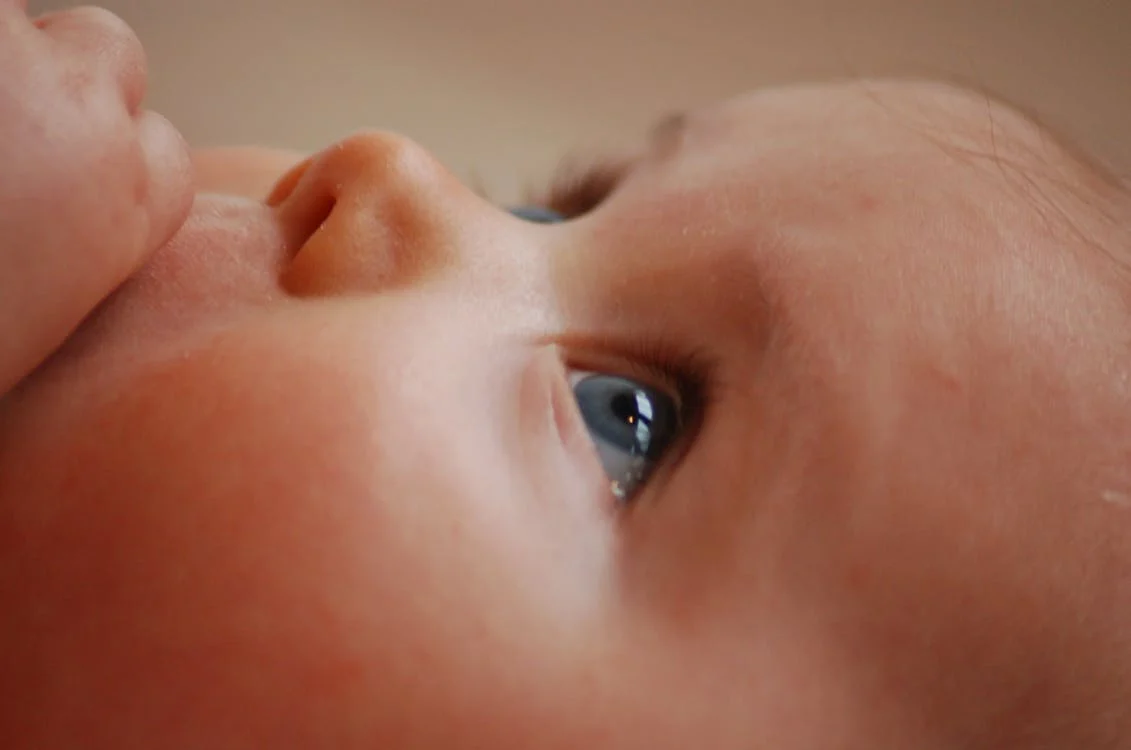
Improved color vision helps infants explore their environment. It supports learning and emotional connection through visual cues. The retina’s growth is essential for this important stage.
Credit: poppyseedplay.com
Tips For Stimulating Vision
Stimulating an infant’s vision is key to healthy eye development. Babies start with blurry, black-and-white vision. Their ability to see colors improves quickly over weeks. Parents can support this growth with simple activities. These tips encourage babies to focus, track, and recognize colors and shapes.
Use High-contrast Colors
Infants see high-contrast colors more easily. Black, white, and red attract their attention. Choose toys and books with bold patterns. Place these items where the baby can see them clearly. Changing colors gradually helps babies learn to distinguish hues.
Introduce Colorful Toys
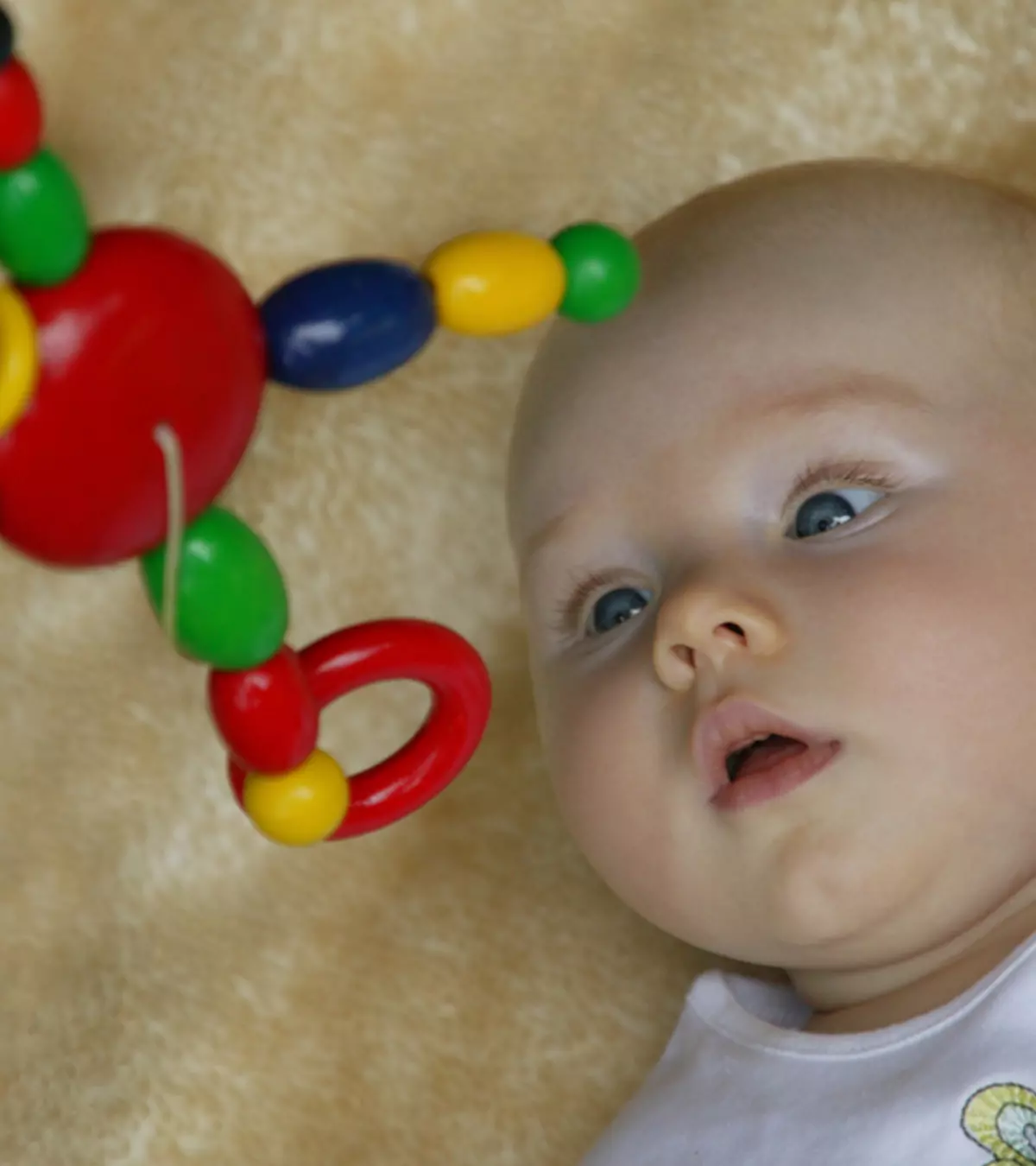
Brightly colored toys invite visual exploration. Soft blocks, rattles, and mobiles work well. Move toys slowly from side to side. This action trains the baby’s eyes to track movement. Repeating this exercise daily builds visual skills.
Engage With Face-to-face Interaction
Babies love looking at faces. Hold your baby close and smile often. Expressive faces with clear features help focus their eyes. Talking or singing adds interest and encourages eye contact. This interaction fosters both vision and bonding.
Provide Varied Lighting
Natural light enhances color perception. Let the baby experience different light levels safely. Avoid harsh, direct sunlight on their eyes. Soft daylight helps the eyes adjust and see colors better. Changing environments stimulate visual development.
Create A Visual Play Area
Set up a safe, colorful corner for your baby. Use blankets, toys, and mobiles with different colors. Position them within the baby’s visual range. Encourage reaching and touching to connect sight and movement. This area becomes a daily place for vision practice.
Credit: www.momjunction.com
Frequently Asked Questions
What Colors Can Babies See?
Babies see black, white, and gray at birth. Within weeks, they notice red. By 2-4 months, they distinguish green and yellow. Around 5 months, babies develop nearly full color vision. Bright, contrasting colors attract their attention most during early months.
What Is The 5 8 5 Rule For Babies?
The 5-8-5 rule for babies involves holding the baby close and walking steadily for 5 minutes, then sitting down for 8 minutes, followed by another 5 minutes of walking. This technique helps soothe crying infants and promotes sleep effectively.
At What Age Do Newborns First See Color?
Newborns begin to see bright colors, especially red, within the first few weeks. Full color vision develops by five months.
Is It True That Newborn Babies See Black And White?
Newborn babies mainly see in black, white, and gray due to immature vision. They start distinguishing colors, like red, within weeks. Color vision develops rapidly over the first few months, improving their ability to see a full range of colors by around five months.
Do Newborns See Colors At Birth?
Newborns mainly see black, white, and gray. Color vision starts developing soon after birth.
When Do Infants Start Seeing Colors Clearly?
Babies begin to distinguish colors like red around 4 to 6 weeks old.
Which Colors Can Babies See First?
Red is usually the first color babies can recognize clearly.
How Does Baby Color Vision Develop Over Time?
Color vision improves gradually during the first few months, becoming more vivid by six months.
Can Infants See All Colors Like Adults?
No, infants see fewer colors and less brightness compared to adults at first.
Why Do Newborns Prefer Black And White Patterns?
High-contrast patterns are easier for newborns to see due to their limited vision.
Conclusion
Infants begin life seeing mostly black, white, and gray. Their color vision develops quickly in the first weeks. They start noticing bright colors, especially red, soon after birth. This early color perception helps babies explore and learn about their world.
Understanding this growth can help parents support their baby’s development. Color vision continues to improve as infants grow older. Watching how babies react to colors offers insight into their changing sight. Babies do see color, just not as clearly as adults at first.