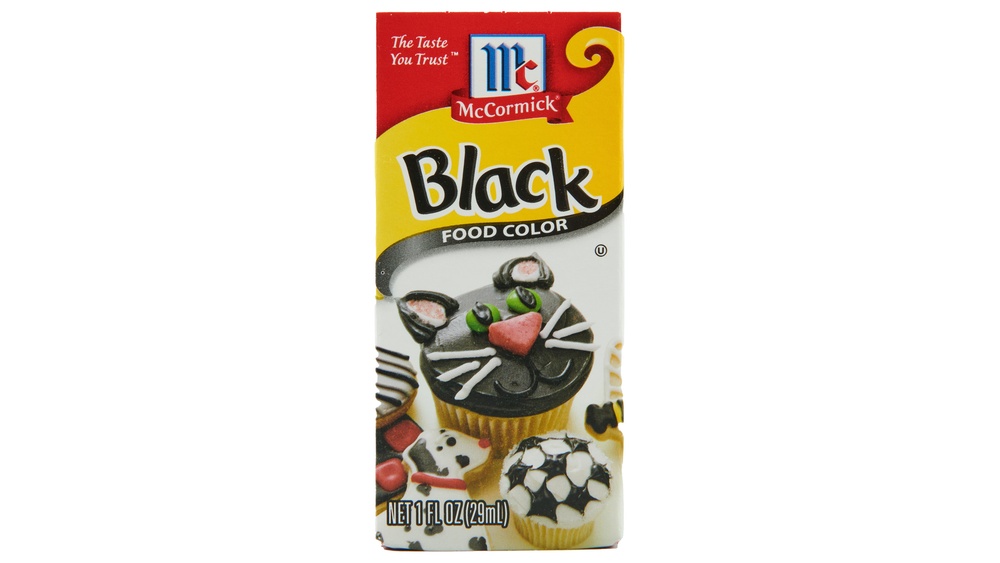
Want to create perfect black food coloring right at home without buying a special bottle? You’re in the right place.
Making black food coloring using the basic colors you already have is easier than you think. With just a few simple steps and common food coloring shades, you can achieve a rich, deep black that will make your cakes, icings, and desserts stand out.
Keep reading, and you’ll discover the exact color combos and tips to get a true black every time—no guesswork needed. Let’s get started!

Credit: www.youtube.com
Choosing Your Food Coloring
Choosing the right food coloring is the first step in making black food coloring. The type and quality of colors affect the final shade and intensity. Picking vibrant, concentrated colors leads to a richer black tone.
Not all food colors work the same way. Some are liquid, while others are gel or paste. Each type blends differently and impacts the color’s strength and texture.
Types Of Food Coloring
Liquid food coloring is easy to find and use. It mixes well but may create a lighter black. Gel food coloring is thicker and more concentrated. It produces a deeper black with fewer drops. Paste food coloring is the most intense. Use it sparingly for the darkest black.
Color Combinations For Black
Black is made by mixing multiple colors. Start with red, blue, and green for a balanced black. Adjust the amounts to get the shade you want. Using equal parts often works best. Add small drops at a time and mix well.
Quality And Brand Considerations
Choose trusted brands for reliable results. Cheap colors may fade or change the taste. High-quality food coloring holds color better after baking. Check for food-safe labels to ensure safety.
Gel Vs Liquid Food Coloring
Choosing between gel and liquid food coloring affects the final black shade. Both types mix red, blue, and green to create black. Yet, their textures and color intensity differ significantly.
What Is Gel Food Coloring?
Gel food coloring has a thick, paste-like texture. It contains more pigment than liquid coloring. This makes colors deeper and more vibrant. A small amount of gel gives strong color. It is perfect for frosting and fondant. Gel colors do not thin out batter or icing. They allow precise control over color darkness.
What Is Liquid Food Coloring?
Liquid food coloring is thinner and watery. It spreads easily in batter or icing. The color is lighter compared to gel. More liquid coloring is needed to reach black. This can change the texture of your mixture. Liquid colors may dilute frosting or batter slightly. They work well for drinks or thin icings.
Which One Works Better For Making Black?
Gel coloring is usually better for making black. It creates a richer, darker black quickly. Less gel is needed to avoid thinning. Liquid coloring requires more drops for black. This can affect consistency and taste. Gel colors blend smoothly without adding extra liquid. Choose gel for intense, deep black shades.
Primary Colors Needed
Creating black food coloring requires mixing the three primary colors: red, blue, and yellow. Using gel food coloring helps achieve a richer, deeper black shade. Start with equal parts and adjust until the color looks just right.
Creating black food coloring at home starts with the right primary colors. These colors combine to form a deep, rich black shade. Using the correct types and amounts is key to success.
The three primary colors you need are red, blue, and yellow. Each plays an important role in mixing black. These colors are the base of all other colors and work together to create black.
Red Food Coloring
Red is a strong color that adds warmth to the mix. Use a vibrant red for better results. It balances the cool tones of blue and the brightness of yellow.
Blue Food Coloring
Blue adds depth and coolness to the mixture. It is essential for achieving a true black color. Choose a deep blue for a richer final color.
Yellow Food Coloring
Yellow brightens the mix and helps neutralize the other colors. Using a bright yellow ensures the black is not too dull. It completes the trio needed for black.
Mixing Basic Colors
Mixing basic colors is the first step to create black food coloring at home. By blending simple colors, you can get a deep black shade without buying special dyes. This method uses red, blue, and green food coloring, which are easy to find in stores.
Start with small amounts and adjust as you mix. Using gel food coloring can give a richer color than liquid types. Mixing colors correctly helps you avoid a muddy or dull result.
Using Red, Blue, And Green
Combine equal drops of red, blue, and green food coloring in a bowl. Stir slowly to blend the colors well. This mix often creates a dark black shade that works for icing and batter.
Add more blue or green if the color looks too warm or reddish. Adjust the balance little by little until you reach the perfect black tone.
Adding Purple And Orange For Depth
For a richer black, try mixing purple and orange with your base colors. These complementary shades enhance the black without brightening it.
Use small drops of purple or orange and mix thoroughly. This method gives a more natural black color, ideal for cakes and decorations.
Testing And Adjusting The Color
Test your black food coloring on a small piece of white frosting or batter. Let it dry or bake to see the true color. If it looks gray or light, add more color in small amounts.
Keep mixing and testing until the black looks strong and even. This careful adjustment ensures the best results for your recipes.
Creating Dark Shades
Making black food coloring requires starting with dark base colors. You cannot achieve true black by using just one color. Mixing several colors carefully creates the deep shade needed.
Dark shades form the foundation of black food coloring. Using the right colors and ratios is key to avoid dull or muddy results. The goal is a rich, even black that works well in baking and decorating.
Choosing The Base Colors
Use red, blue, and green food coloring as the base. These colors combine to form black when mixed correctly. Gel food coloring works best for strong, vibrant results. Liquid colors are less intense and may need more layers.
Mixing The Colors
Start by adding equal drops of red, blue, and green into a bowl. Stir gently to blend the colors. Observe the color and add small amounts of each color to darken the mix. A little goes a long way.
Adjusting The Shade
If the color looks muddy, add more blue to cool the tone. For warmer black, increase the red slightly. Green balances the mix and deepens the shade. Test frequently to get the perfect black.
Testing The Color
Test the black food coloring on a small piece of white frosting or dough. Let it dry to see the final shade. Adjust the mixture if the color is too light or uneven. Keep notes of your ratios for future use.

Credit: www.youtube.com
Adjusting Color Intensity
Adjusting the color intensity is key to making perfect black food coloring. The right shade depends on your recipe and desired look. You can control how dark or light the black appears by changing the amount of each color added.
Start with a small amount of food coloring. Mix and check the color before adding more. This helps avoid making the color too dark or too light.
Adding More Color For Deeper Black
To get a deeper black, add more blue, red, and green food coloring. Gel colors work best because they are stronger. Mix slowly and test often to reach the shade you want.
Using Less Color For Lighter Shades
If you want a softer black, use less food coloring. A small drop of each color can create a dark gray or charcoal shade. This is perfect for subtle designs or lighter frostings.
Balancing The Colors
Balance the amounts of red, blue, and green carefully. Too much of one color can make the black look off. Equal parts usually work well, but slight adjustments may be needed.
Testing The Color Before Use
Always test your black food coloring on a small piece of frosting or batter. Color can change after mixing with other ingredients. Testing helps you see the final look before applying it widely.
Testing Your Black Color
Testing your black color is an essential step in making black food coloring. It ensures the color looks just right for your recipe. The perfect black should be deep, rich, and even. Without testing, your black might turn out too dark, too light, or have unwanted hues.
Testing helps you see how the color behaves with your food. It shows if you need to adjust the mixture. Testing also helps find the right balance of colors for a true black shade.
How To Test The Color On A Small Sample
Take a small amount of your black food coloring. Place it on a white plate or piece of parchment paper. This shows the true color without distractions. Wait a few minutes for the color to dry. The dried color often looks different than wet.
Checking Color Intensity And Shade
Look closely at the black color. Is it deep and dark enough? If it looks gray or dull, add more food coloring. A mix of blue, red, and green usually works best. Add small drops and mix well after each addition. Avoid adding too much at once.
Testing With Different Food Types
Try your black food coloring on different foods. Use it on icing, batter, or frosting. Foods absorb color differently. Testing on various foods shows how your black will appear in final dishes. Adjust the color if it looks off on any food type.
Common Mistakes To Avoid
Making black food coloring at home can save money and add fun to baking. Still, some common mistakes can affect the color and texture of your mix. Avoid these errors to get a smooth, rich black color every time.
Using Only One Color
Relying on a single color like blue or green will not produce true black. Black needs a mix of colors to absorb all light. Use red, blue, and green food coloring for the best results.
Adding Too Much Food Coloring
Too much food coloring can make the mixture watery or sticky. It may affect the taste or texture of your food. Add colors slowly and mix well after each drop.
Not Mixing Colors Evenly
Uneven mixing causes streaks or patches of color. Stir the food coloring thoroughly to get a smooth, uniform black shade. Use a whisk or spoon to blend well.
Using Liquid Food Coloring Instead Of Gel
Liquid food coloring can dilute your mixture. Gel food coloring has more pigment and gives a darker, richer black. Choose gel colors for stronger, more vibrant results.
Ignoring The Base Ingredients
The base you mix with food coloring matters. Thin bases can make colors runny. Use thick frosting or icing for the best black color hold and consistency.
Storing Homemade Black Coloring
Storing homemade black food coloring properly keeps it fresh and ready to use. The right storage method preserves its color and prevents spoilage. Follow simple tips to extend its shelf life and maintain quality.
Use An Airtight Container
Choose a small, clean airtight container for your black food coloring. Airtight containers stop air from drying out the coloring. Glass jars or plastic containers with tight lids work best. Avoid containers that are too big to reduce air exposure.
Keep It Refrigerated
Store homemade black food coloring in the refrigerator to keep it fresh longer. The cool temperature slows down bacteria growth. Make sure the container is sealed well to avoid absorbing fridge odors. Use within two weeks for best results.
Label The Container
Label your container with the date you made the black coloring. This helps track freshness and avoid using old coloring. Write the date clearly with a permanent marker or a sticker. Proper labeling keeps your kitchen organized.
Stir Before Use
Stir the black food coloring well before each use. Ingredients may settle or separate during storage. Mixing it ensures even color and consistency every time you apply it. Use a clean spoon or stirrer to keep it hygienic.
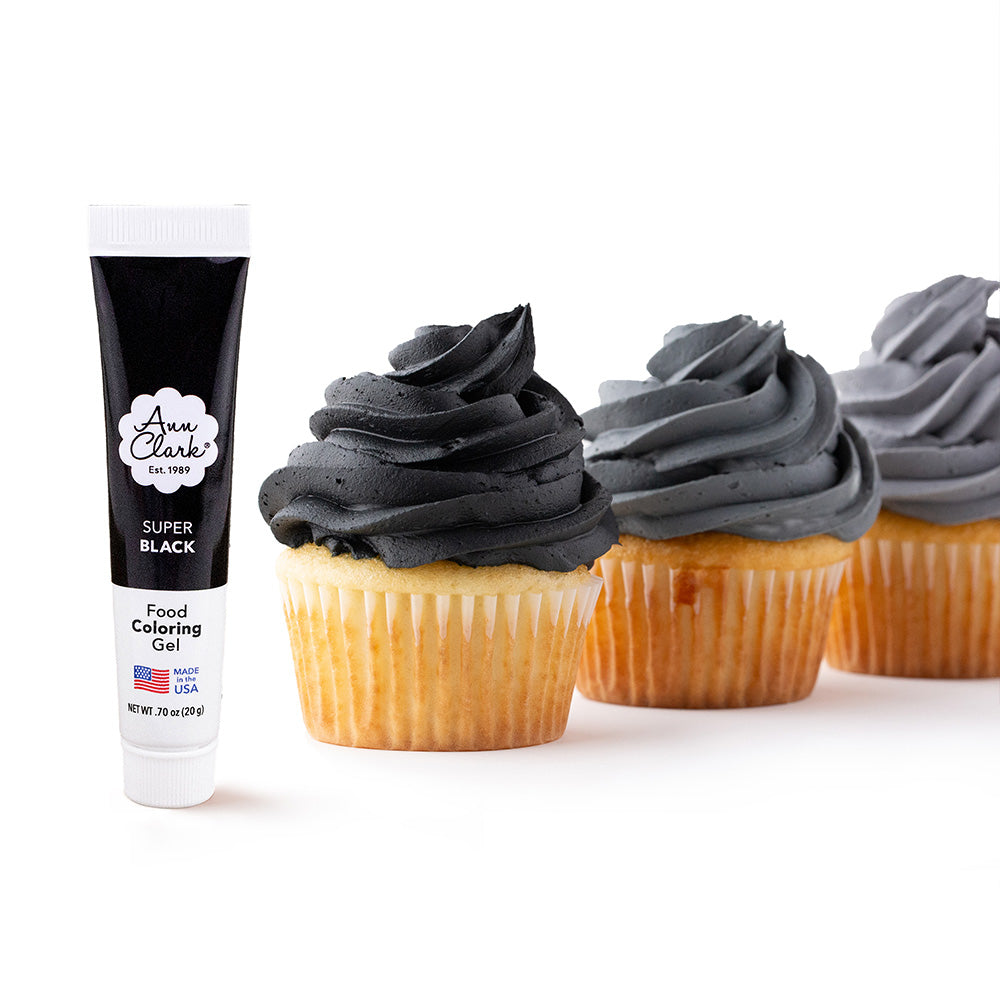
Credit: www.annclark.com
Uses For Diy Black Coloring
DIY black food coloring has many uses in the kitchen. It offers a cost-effective way to add bold color to your recipes. You can create a deep black shade using simple food coloring mixes. This homemade color suits various dishes and treats. It works well for baking, decorating, and crafting unique culinary creations.
Decorating Cakes And Cupcakes
Use DIY black food coloring to tint frosting and fondant. It gives a striking contrast to lighter colors. Perfect for Halloween or themed parties. It also helps create elegant designs with a modern look.
Coloring Dough And Batter
Add black coloring to cookie dough or cake batter. It creates dramatic black cookies or cakes. Great for themed treats or special occasions. Mix well to avoid streaks and uneven color.
Making Edible Art
Use black food coloring for painting on edible surfaces. It works well with royal icing or white chocolate. Create sharp lines, lettering, or intricate designs. This adds a professional touch to your desserts.
Enhancing Beverages
Add a drop of black coloring to drinks for a unique look. It can tint cocktails, lemonades, or milkshakes. Use sparingly to avoid altering taste. It makes drinks visually interesting and fun.
Creating Themed Party Treats
Black coloring helps make spooky or elegant treats for events. Use it for Halloween, black-tie parties, or movie nights. It brings creativity and color to simple recipes. Homemade black coloring makes this easy and affordable.
Frequently Asked Questions
What Colors Make Black In Food Coloring?
Mix equal parts of red, blue, and green food coloring to make black. Gel colors produce a richer black shade.
What Two Colors Mix To Make Black?
Mix blue and orange or red and green to create a dark color close to black. Mixing primary colors red, yellow, and blue in equal parts also produces true black.
How To Make Black Food Coloring Ratio?
Mix equal parts of red, blue, and green gel food coloring for black. Adjust ratios for deeper black. Use gel for intensity.
What Colors Do You Mix Together To Make Black Icing?
Mix equal parts of red, blue, and yellow gel food coloring to make black icing. Adjust for deeper black.
What Colors Combine To Make Black Food Coloring?
Mix equal parts of red, blue, and green food coloring to create black.
Can I Use Liquid Food Coloring To Make Black?
Yes, but gel food coloring gives a richer, deeper black shade.
How Much Of Each Color Is Needed For Black Food Coloring?
Start with equal drops of red, blue, and green, then adjust as needed.
Why Is Gel Food Coloring Better For Black Color?
Gel colors are more concentrated, producing a darker and more vivid black.
How To Test If Homemade Black Food Coloring Is Dark Enough?
Apply a small amount on white paper or icing to check the color.
Can I Make Black Food Coloring Without Food Coloring Kits?
Yes, mixing basic red, blue, and green colors works well for black.
Conclusion
Making black food coloring at home is simple and budget-friendly. Use red, blue, and green colors to mix a deep black shade. Gel food coloring works best for a rich, dark color. Adjust the amounts slowly until you reach your desired black tone.
This method saves you from buying expensive black coloring. Try it next time you bake or decorate. Your food will look vibrant and unique without extra cost. Experiment and enjoy the creative process of making your own colors.