Have you ever wondered if fish see the world in color like you do? When you’re out fishing or simply curious about underwater life, this question can change how you think about fish behavior and their environment.
Understanding whether fish perceive colors—and which ones they see best—can actually boost your fishing success and deepen your appreciation for aquatic life. You’ll discover surprising facts about fish vision, how water affects color perception, and what colors really catch a fish’s eye.
Ready to unlock the colorful secrets beneath the surface? Keep reading to find out!
Credit: www.northlandtackle.com
Fish Color Vision Basics
Fish live in a world where light changes with depth and water clarity. Their vision adapts to these changes. Color helps fish find food, avoid predators, and communicate.
Not all fish see color the same way. Some see many colors clearly. Others see fewer colors or rely on different light types.
How Fish Detect Color
Fish eyes have special cells called cones. These cones sense different colors. The number and type of cones vary by species. This affects which colors fish can see best.
Common Colors Fish See
Many fish see blues and greens well. These colors penetrate water deeply. Some fish can also see ultraviolet light. Red and orange colors fade quickly underwater, so fish often see them less.
Why Color Vision Matters To Fish
Color helps fish find mates and recognize rivals. It also aids in hunting prey. Fish use color to blend into their environment or warn others of danger.
Credit: www.reelcoquinafishing.com
How Water Affects Color Perception
Water changes how colors appear underwater by filtering certain light waves. Fish see colors differently because water absorbs reds and yellows first. Blues and greens stay visible longer, shaping what fish can detect and how they react to their environment.
Light Absorption And Color Loss
Water absorbs light differently than air. Red light disappears first, within the first few meters. Orange and yellow fade next, leaving mostly blue and green light. Fish living deeper see fewer colors. This changes how fish perceive their environment.
Water Clarity And Color Visibility
Clear water lets more colors travel farther. Murky or muddy water blocks light and colors quickly. Fish in cloudy water rely less on color and more on shapes or movement. This affects how fish respond to colorful lures or prey.
Depth And Color Changes
As depth increases, colors shift and dim. At 10 meters, red is nearly invisible. Blue and green stay vibrant even in deep water. Fish eyes adapt to these changes to help them survive. Color perception depends on the depth they live in.
Role Of Cone Cells In Fish Eyes
Cone cells are the key to color vision in fish eyes. These cells detect different wavelengths of light. They allow fish to see colors in their environment.
Fish have different types of cone cells depending on their species. Some fish have more cone types than humans. This gives them a wider range of color vision.
Types Of Cone Cells In Fish
Fish eyes contain cone cells that respond to various colors. Common types react to blue, green, and red light. Some fish even have cones sensitive to ultraviolet light.
This variety helps fish spot prey, avoid predators, and communicate. The number and types of cones vary by habitat and lifestyle.
How Cone Cells Help Fish See Color
Cone cells convert light into signals the brain can understand. Each cone type reacts to specific light wavelengths. The brain mixes these signals to create color images.
This process lets fish distinguish colors underwater. It helps them find food and navigate through their surroundings.
Adaptations Of Cone Cells To Different Environments
Fish living in deep or murky water have cone cells tuned to limited colors. These adaptations improve vision in low light. Shallow water fish often have more cone types for bright colors.
Such adaptations increase survival chances by matching color vision to habitat needs.
Differences In Shallow Vs Deep Sea Vision
Fish vision changes a lot between shallow and deep waters. Light behaves differently as it moves through water. This affects what colors fish can see and how clearly they see them.
In shallow water, sunlight is strong and full of colors. Fish here can see many colors like red, green, and blue. Their eyes are adapted to catch this wide range of light. They use these colors to find food and avoid danger.
In deep water, sunlight fades quickly. Only blue and green light can reach these depths. Red and yellow colors disappear fast. Fish living deep underwater often see only blues or shades of gray. Their eyes are more sensitive to low light but less able to detect color.
Vision Adaptations In Shallow Water Fish
Shallow water fish have many color receptors. This helps them spot bright colors and patterns. They rely on color for hunting and communication. Bright coral reefs are full of colorful fish. Their vision suits this colorful world perfectly.
Vision Adaptations In Deep Sea Fish
Deep sea fish have fewer color receptors. Some see only in black and white. They depend on light sensitivity to detect shapes and movement. Many use bioluminescence to create their own light. This helps them find prey in the dark.
How Light Affects Fish Color Vision
Water absorbs colors differently at each depth. Red light disappears within a few meters. Blue light penetrates deepest. This limits the colors fish can see at depth. Fish eyes are tuned to the colors available in their environment.
Colors Most Visible To Fish
Fish perceive colors differently than humans do. Their underwater world shapes which colors stand out the most. Light behaves uniquely in water, affecting color visibility. Some colors fade quickly with depth, while others remain bright. Understanding the colors most visible to fish helps anglers choose effective lures and bait.
Blue And Green: The Most Visible Colors
Blue and green light penetrate water the best. Many fish species see these colors clearly even in deep water. These colors blend with the underwater environment, making fish more comfortable and alert. Anglers often select blue or green lures to attract fish in clear water.
Red: Visible Only In Shallow Water
Red light fades quickly as depth increases. Fish see red well near the surface, but it disappears beyond a few feet. Red lures work best in shallow water or clear conditions. In deep water, red often appears gray or black to fish.
Ultraviolet Light: Seen By Some Fish
Some fish can detect ultraviolet (UV) light invisible to humans. UV light helps fish spot prey and mates. Lures with UV-reflective materials can attract these fish. This ability varies by species and water clarity.
Yellow And Orange: Moderate Visibility
Yellow and orange colors show moderate visibility underwater. They remain visible at medium depths but lose brightness faster than blue or green. These colors work well in murky water or low light conditions. Bright yellow or orange lures often catch fish attention.
Species That Detect Ultraviolet Light
Some fish can see ultraviolet (UV) light. This ability helps them in many ways. UV detection allows fish to find food, mates, and avoid predators. It also helps them navigate underwater where light changes with depth. Different species have different UV vision abilities.
Coral Reef Fish
Many coral reef fish see UV light. This helps them spot prey hidden in bright coral. UV vision also aids in recognizing other fish and signaling during mating. These fish live in clear, shallow waters where UV light is strong.
Salmon
Salmon can detect UV light too. They use this skill to find food in murky waters. UV vision helps them see small insects on the water surface. It also plays a role during their long migrations upstream.
Freshwater Fish
Some freshwater fish, like certain cichlids, see UV light. This helps them pick out food and mates. UV patterns on fish bodies are invisible to predators but clear to their own kind. This gives them a survival advantage.
Impact Of Color On Fishing Lures
The impact of color on fishing lures plays a key role in catching fish. Fish see colors differently than humans. This affects how they react to lures. Choosing the right color lure can increase your chances of a catch. Understanding fish vision helps anglers pick effective colors.
How Fish Perceive Colors Underwater
Water absorbs and changes light colors. Red colors vanish quickly in deep water. Blue and green colors travel farther underwater. Some fish can see ultraviolet light. This ability helps them detect prey and lures.
Choosing Lure Colors For Different Fish Species
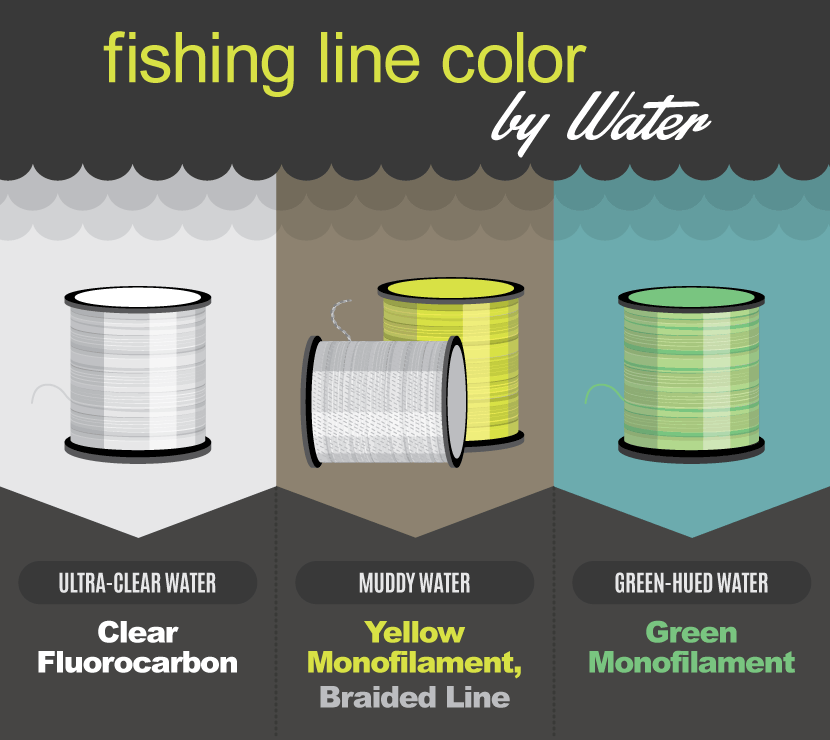
Largemouth bass see colors in the blue and green range. Trout may notice brighter colors like yellow or orange. Matching lure color to fish vision improves attraction. Use natural colors in clear water. Use bright colors in murky water.
Effect Of Water Clarity On Lure Color
Clear water favors subtle, natural colors. Murky water requires bright, contrasting colors. Bright colors help lures stand out in low visibility. Darker colors work well in shaded or deep water. Adjust lure color to water conditions for better results.
Why Some Colors Are Invisible Underwater
Light changes as it travels underwater, causing some colors to disappear quickly. Red and orange fade first, making them hard for fish to see. Fish mainly detect blues and greens, colors that penetrate deeper in water.
Light changes as it travels through water. Water absorbs colors differently. This affects which colors fish can see.
Red light disappears quickly underwater. It fades within just a few feet. That makes red objects look dark or black to fish.
Blue and green light travel deeper. These colors remain visible at greater depths. Fish eyes are often adapted to these colors.
How Water Absorbs Light
Water molecules absorb light energy. Red and orange wavelengths vanish first. Blue and green wavelengths last longer.
Sunlight includes many colors. As sunlight sinks, water filters out the reds. Only blues and greens pass through deeply.
The Role Of Depth And Clarity
Deeper water blocks more colors. Murky water blocks colors faster than clear water. This changes what fish can see in different places.
In shallow water, more colors show. In deep water, colors shift toward blue and green. Fish adjust to these changes.
Fish Vision And Color Perception
Fish have different types of eyes. Many see blues and greens best. Some can detect ultraviolet light invisible to humans.
Fish see fewer colors than humans. Colors like red may be invisible underwater. This guides their behavior and hunting.
Fish Vision Compared To Human Vision
Fish and humans see the world very differently. The way fish perceive colors is not the same as humans. Fish live underwater, where light behaves in unique ways. This changes how their eyes work compared to ours.
Fish vision has adapted to their environment. Water absorbs many colors and changes light intensity. This means fish often see fewer colors but can detect some that humans cannot. Understanding these differences helps us learn more about fish behavior and their surroundings.
How Fish Eyes Differ From Human Eyes
Human eyes have three types of color receptors called cones. These cones detect red, green, and blue light. Fish eyes can have two to four types of cones. Some fish see ultraviolet light, which humans cannot see. This gives fish a different color view under water.
Color Range In Fish Vision
Fish see mostly blues and greens clearly. These colors travel far in water. Red and orange colors fade quickly underwater. Many fish do not detect red well. Some species can see ultraviolet light, which helps them find food or mates.
Water filters sunlight and removes certain colors. Red light disappears quickly, even in shallow water. Blue and green light reach deeper depths. Fish eyes have evolved to see these colors best. This helps fish survive and find food in their environment.
Why Fish Vision Matters For Anglers
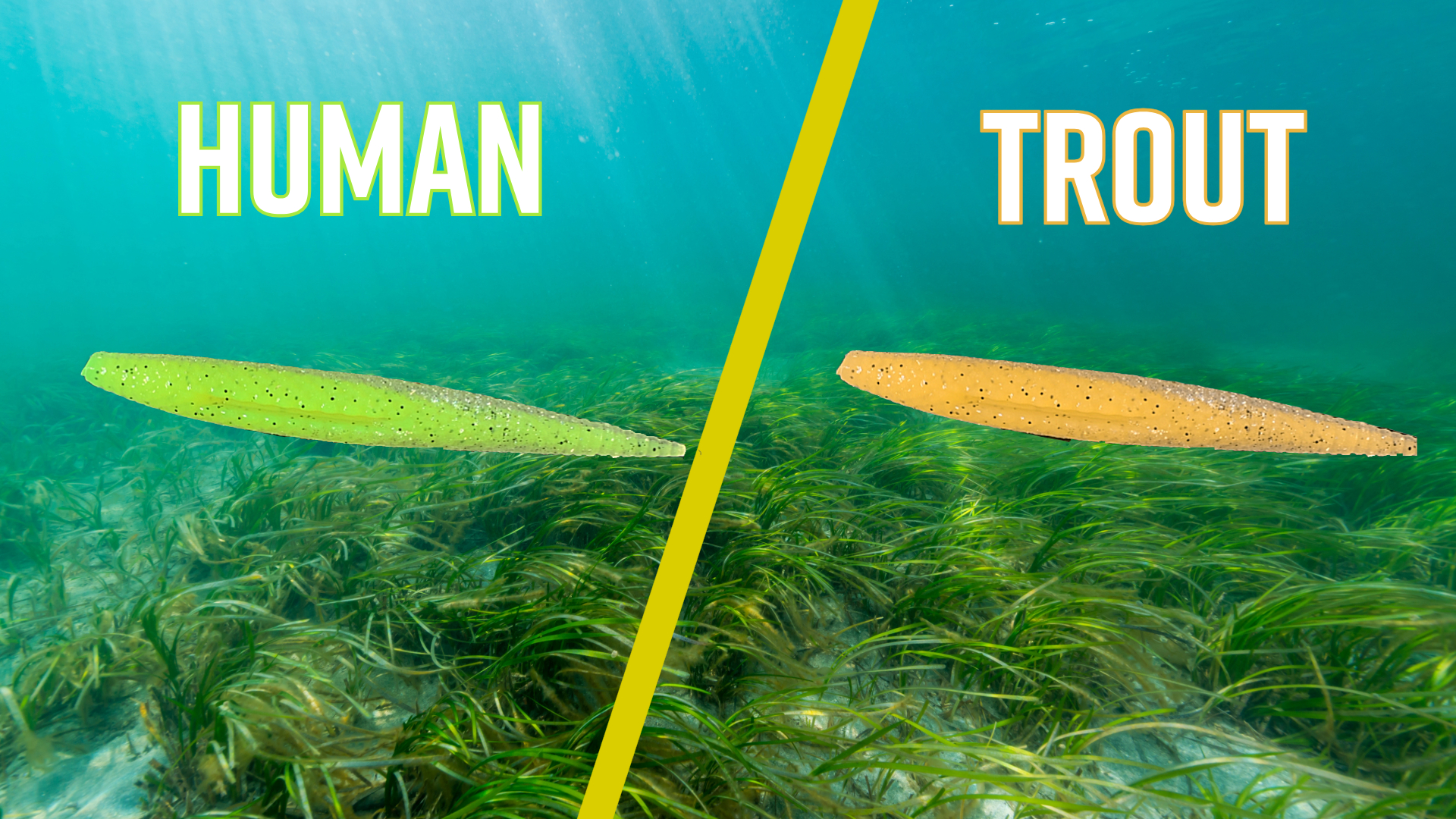
Knowing what colors fish see helps choose the best fishing lures. Bright red lures may not be visible to many fish. Blue or green lures often work better in clear water. Understanding fish vision can improve fishing success.
Credit: www.saltstrong.com
How Anglers Use Fish Color Vision
Understanding how fish see color helps anglers improve their fishing tactics. Fish color vision affects lure choice, bait presentation, and fishing success. Different fish see colors differently, which influences what attracts them underwater. This knowledge guides anglers to pick the best colors for lures and baits.
Choosing Lure Colors That Attract Fish
Fish often see blue and green colors better than others. Some species detect ultraviolet light, invisible to humans. Anglers select lure colors based on the water type and fish species. Bright colors work well in murky water. Natural colors suit clear water and calm conditions.
Matching Lure Colors To Fish Vision
Each fish species has unique color perception. For example, trout may see colors differently than bass. Anglers study fish vision to match lure colors. Using colors fish can easily see increases bite chances. Experimenting with color helps find what works best.
Using Color To Trigger Fish Behavior
Color can make a lure look like prey or a threat. Red or orange may signal danger or food. Blue and green often blend with water and plants. Anglers use color to spark curiosity or aggression in fish. This makes fish more likely to strike the lure.
Frequently Asked Questions
What Color Do Fish See Best?
Fish see blues and greens best, with some species also detecting ultraviolet (UV) light. Their color vision varies by species.
What Colors Not To Wear When Fishing?
Avoid bright colors like orange, red, and neon shades when fishing. These can spook fish by standing out against natural surroundings. Choose muted tones like green, brown, blue, or gray to blend in and increase your chances of a catch.
What Colors Can Fish Not See?
Fish cannot see red colors well, especially in deep water where red light fades quickly. They mainly detect blues and greens.
What Does A Fish Vision Look Like?
Fish vision features round, protruding lenses that bend light efficiently. They see wide fields of view and detect colors like blue, green, and ultraviolet. Their eyes adapt to underwater environments for clear, broad vision.
Can Fish See Colors Underwater?
Yes, many fish can see colors underwater, especially blues and greens.
Which Colors Do Fish See Best?
Fish mainly see blue and green colors clearly.
Do All Fish See Colors The Same Way?
No, color vision varies by species and their environment.
How Does Water Depth Affect Fish Color Vision?
Water depth filters light, making some colors harder for fish to see.
Can Fish See Ultraviolet (uv) Light?
Some fish species can detect ultraviolet light, aiding their vision.
Why Do Lure Colors Matter In Fishing?
Choosing the right lure color attracts fish by matching their vision.
Conclusion
Fish do see color, but their vision differs from humans. They mostly detect blues and greens, with some seeing ultraviolet light. This helps fish find food and avoid danger. Knowing this can improve fishing success by choosing the right lure colors.
Fish vision varies by species and water depth too. So, understanding fish color perception matters for anglers. Keep these facts in mind next time you fish. It makes a real difference.