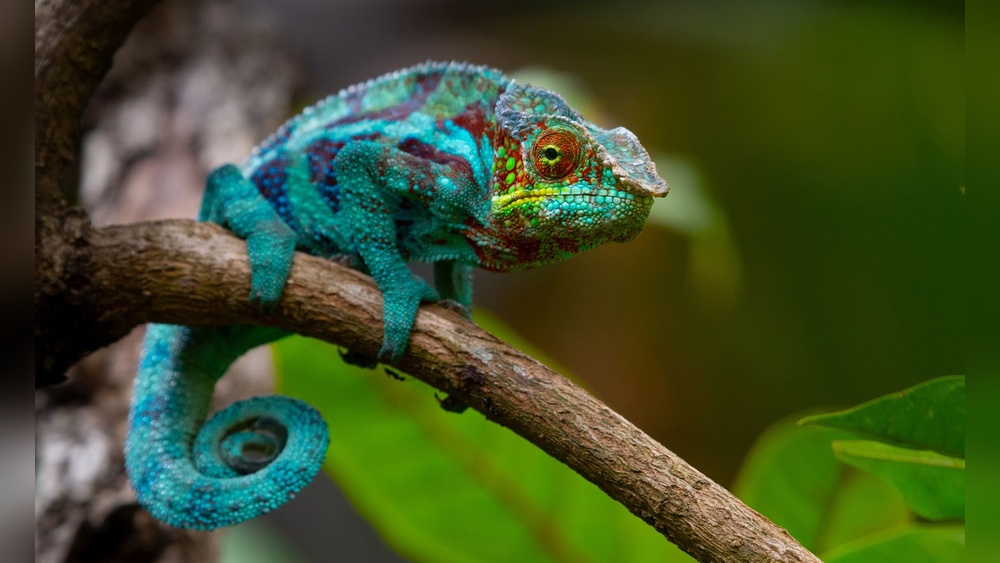
Have you ever wondered why chameleons change color right before your eyes? It’s not just for show—this fascinating ability serves several important purposes that help them survive and thrive.
When you understand the real reasons behind their color shifts, you’ll see these creatures in a whole new light. Whether it’s blending into their surroundings to avoid danger, sending messages to other chameleons, or even managing their body temperature, each color change tells a story.
Keep reading, and you’ll discover how these amazing reptiles use color to communicate, protect themselves, and navigate their world. Your curiosity is about to be rewarded with some surprising and eye-opening facts!
Color Change Mechanism
Chameleons change color through a fascinating biological process. Their skin contains special cells that control color shifts. These cells work by manipulating light and pigments.
This color change helps chameleons communicate, regulate temperature, and hide from predators. The mechanism behind this process is complex but can be broken down into clear steps.
Specialized Skin Cells
Chameleons have unique skin cells called iridophores. These cells contain tiny nanocrystals. The crystals reflect light in different ways. By changing the distance between the crystals, chameleons change the color they reflect.
How Nanocrystals Work
Nanocrystals in the iridophores act like tiny mirrors. When the crystals are close, they reflect shorter wavelengths of light, like blue and green. When they spread apart, they reflect longer wavelengths, such as red and yellow. This shift creates the visible color change.
Role Of Pigments
Under the iridophores, pigment cells add more color variety. These cells contain yellow and brown pigments. The combination of pigments and crystal reflection creates the final skin color. This mix allows chameleons to produce many different colors.
Control By The Nervous System
The chameleon’s nervous system controls the spacing of nanocrystals. Signals from the brain tell the skin cells when to adjust. These signals respond to temperature, light, mood, and social cues. This control makes color changes fast and precise.
Role Of Iridophores
Chameleons are famous for their color-changing ability. The secret lies deep in their skin. Iridophores play a key role in this process. These special cells contain tiny crystals that reflect light. By changing how these crystals are arranged, chameleons control the colors they show.
This color change is not just for looks. It helps chameleons communicate, control body temperature, and blend into their surroundings. Understanding iridophores helps explain why chameleons can shift colors so quickly and smoothly.
What Are Iridophores?
Iridophores are layers of cells found under the chameleon’s outer skin. These cells have nanocrystals inside them. These crystals reflect light in different ways. The way light bounces off these crystals determines the color we see on the chameleon’s skin.
Iridophores work like tiny mirrors. They can reflect blue, green, and other colors. The exact color depends on the distance between the crystals in the cells.
How Iridophores Change Color
Chameleons adjust the spacing between the nanocrystals in iridophores. When crystals are close, they reflect shorter light waves, like blue. When crystals spread out, they reflect longer waves, like red or yellow.
This change in crystal spacing shifts the color the chameleon shows. The process happens quickly and smoothly. It allows chameleons to display many different colors in a short time.
Why Iridophores Are Important
Iridophores give chameleons the ability to change color without using pigments. This is called structural color. It is more flexible and faster than pigment color changes.
This system helps chameleons communicate emotions and health. It also aids in camouflage and temperature control. Iridophores make chameleons’ color change fascinating and functional.
Nanocrystal Spacing
Nanocrystal spacing plays a key role in how chameleons change their color. Tiny crystals lie under their skin in special cells called iridophores. These crystals can move closer or farther apart. This movement changes how light reflects off their skin. Different spacing reflects different colors. This process is what causes the chameleon’s skin to shift from green to blue or even red.
The change in color is not due to pigments alone. The nanocrystals create structural color by affecting light waves. When the crystals are tightly packed, they reflect short wavelengths like blue. When they spread out, they reflect longer wavelengths like red or yellow. This clever system allows chameleons to adjust their color rapidly and precisely.
How Nanocrystals Reflect Light
Nanocrystals reflect light by bouncing it off their surfaces. The distance between these crystals decides which colors bounce back. Close spacing reflects blue or green light. Wider spacing reflects yellow, orange, or red light. This method is called structural coloration. It is different from pigment-based color, which absorbs or reflects fixed colors.
Role Of Iridophores In Color Change
Iridophores are skin cells that hold nanocrystals. These cells act like tiny mirrors. By changing the spacing of the crystals inside, iridophores control the skin’s color. The chameleon’s nervous system signals these cells to adjust spacing. This lets the chameleon change color based on mood or environment.
Benefits Of Nanocrystal Spacing
Nanocrystal spacing helps chameleons communicate with others. It also helps them control body temperature. Darker colors absorb heat, while lighter colors reflect it. This ability helps chameleons survive in different climates. It also allows them to signal danger or attract mates.

Credit: www.science.org
Wavelength Reflection Shift
The fascinating ability of chameleons to change color relies on a process called wavelength reflection shift. This process involves the way their skin reflects light at different wavelengths. The skin contains tiny crystals that can move closer or farther apart. This movement changes which wavelengths of light bounce back to our eyes. As a result, the chameleon’s color appears to change.
This shift in reflected wavelengths is not about pigments alone. It is a physical change in how the skin interacts with light. This allows chameleons to show bright and vibrant colors quickly. The change can signal mood, temperature, or even help with camouflage. Understanding this process helps explain why chameleons can display such a wide range of colors.
How Nanocrystals Control Color
Chameleon skin contains nanocrystals arranged in layers. These crystals reflect light in specific ways depending on their spacing. When the crystals are packed tightly, shorter wavelengths like blue and green reflect. When spaced further apart, longer wavelengths such as red and orange appear. This shifting controls the color seen on the skin.
The Role Of Iridophores
Iridophores are special cells that house the nanocrystals. These cells act like tiny mirrors that reflect light. The chameleon changes the distance between the crystals inside iridophores. This action alters the color by changing the light wavelength reflected back. Iridophores are key to the chameleon’s color-changing ability.
Color Change Beyond Pigments
Unlike many animals, chameleons do not rely solely on pigments to change color. Their skin structure uses physical light reflection to create color shifts. Pigments add to the color but the main change comes from how light reflects. This makes their color change fast and dynamic.
Melanin Pigment Effects
Chameleons change color by altering melanin pigment in their skin cells. This helps them control temperature, communicate feelings, and hide from predators. Color shifts happen as melanin moves, changing how light reflects off their skin.
Chameleons have special pigments called melanin in their skin. These pigments play a key role in color change. Melanin controls how dark or light a chameleon’s skin appears.
When melanin moves closer to the skin surface, the skin looks darker. When melanin moves deeper, the skin appears lighter. This movement helps chameleons adjust their color quickly.
How Melanin Controls Color
Melanin absorbs light, which affects the color seen on the skin. More melanin means more light absorption, making the skin look darker. Less melanin allows more light to reflect, making the skin look lighter or brighter.
This effect helps chameleons blend into shadows or bright areas. It also helps with heat control by absorbing or reflecting sunlight.
Melanin And Temperature Regulation
Melanin helps chameleons manage their body temperature. Darker colors absorb heat faster. When cold, chameleons spread melanin to darken their skin. This warms them up quickly.
In hot weather, melanin moves away from the surface. This makes the skin lighter and reflects sunlight. This way, chameleons avoid overheating.
Melanin’s Role In Communication
Chameleons use melanin changes to send signals. Darker or lighter skin can show mood or stress. For example, a chameleon may darken to warn others or show aggression.
Melanin shifts help chameleons show readiness to mate or defend territory. These color changes are fast and easy to spot by other chameleons.
Communication Signals
Chameleons change color mainly to send signals to others and to hide from danger. Color shifts can show mood, warn rivals, or attract mates. Temperature control also affects their color, helping them stay warm or cool.
Chameleons use color changes to send messages to other chameleons. This helps them express feelings and intentions without making a sound.
Color changes can show aggression, fear, or readiness to mate. These signals help chameleons avoid fights and find partners.
Aggression And Territory
When a male chameleon feels threatened, its colors become bright and bold. This warns rivals to stay away from its territory.
Dull or dark colors may show submission or a desire to avoid conflict. This helps reduce the chance of a fight.
Mating And Attraction
Male chameleons display vibrant colors to attract females. Bright colors show health and strength, making them more appealing.
Females may also change color to signal they are ready to mate or to reject advances. Color cues guide mating behavior smoothly.
Stress And Fear Signals
Chameleons change to darker or muted colors when scared or stressed. This signals distress to other chameleons or predators.
These color shifts can help a chameleon blend in and avoid attention during danger.
Mating Displays
Chameleons use color change as a key part of their mating behavior. Males display bright and vivid colors to attract females and show dominance. These color changes send clear signals about their health and strength.
During mating season, male chameleons become more colorful and striking. They show off patterns that catch the female’s eye and warn rival males to stay away. The brighter and more intense the colors, the better the chances of winning a mate.
Males Show Bright Colors To Attract Females
Male chameleons flash bright colors like red, orange, and blue. These colors make them stand out in the environment. Females use these signals to choose strong and healthy partners.
Color Signals Warn Rival Males
Chameleons change to dark or bold colors to scare off other males. This behavior helps avoid fights and secures territory. Color acts as a clear message: “This spot is taken.”
Females Use Color To Choose A Mate
Female chameleons watch the colors carefully. They prefer males with the brightest and most vibrant displays. This choice improves the chances of healthy offspring.

Credit: animals.howstuffworks.com
Camouflage Benefits
Chameleons use color change mainly to hide from danger. This ability helps them blend into their surroundings. Staying unseen keeps them safe from predators. It also helps them sneak up on prey. Camouflage is a key survival skill for chameleons.
Their skin can shift through many colors and patterns. This change matches the colors of leaves, branches, or dirt. The better they blend in, the less likely predators spot them. This natural disguise gives chameleons a strong defense in the wild.
How Camouflage Protects Chameleons
Chameleons avoid being caught by looking like their environment. Predators often rely on sight to find food. When chameleons match the background, predators miss them. This lowers the chance of attacks and helps chameleons live longer.
Blending Into Different Habitats
Chameleons live in many places, like forests and deserts. Their color change adapts to each habitat’s colors. In leafy areas, they might show green shades. In dry areas, they may appear brown or gray. This flexibility helps them survive in varied environments.
Camouflage During Hunting
Chameleons use their color change to sneak up on insects. By blending in, they get closer without being noticed. This increases their success in catching food. Camouflage works both to avoid danger and to catch prey.
Temperature Control
Chameleons change color to manage their body temperature. Their skin acts like a natural thermostat. It helps them absorb or reflect heat from the sun. This color change keeps them comfortable in different weather conditions.
When it is cold, chameleons turn darker. Dark colors absorb more heat from sunlight. This helps them warm up faster. On the other hand, when it is hot, they turn lighter. Light colors reflect sunlight and reduce heat absorption. This prevents overheating.
How Dark Colors Help Warm Up
Darker shades absorb more solar energy. Chameleons use this to raise their body temperature. This is important in the early morning or cold days. It helps them stay active and alert. Without this, they would move slower and be vulnerable.
How Light Colors Prevent Overheating
Light colors reflect sunlight and lower heat gain. Chameleons change to pale hues in hot weather. This reduces the risk of heat stress. It helps them stay cool and avoid dehydration. Staying cool is key to their survival in hot climates.
Color Change And Energy Efficiency
Changing color saves energy for chameleons. They do not need to move to find shade or sun. Their skin does the work of heating or cooling. This makes them more efficient in their environment. Energy saved can be used for hunting and escaping predators.
Mood And Stress Responses
Chameleons change color as a way to express their feelings and handle stress. Their skin acts like a mood ring, showing different colors to signal emotions. This helps them communicate without making sounds.
Color changes also help chameleons deal with threats or difficult situations. Bright or dark colors can warn other animals or signal discomfort. This natural response plays a big role in their survival.
Mood Signals Through Color
Chameleons show calmness by displaying soft, light colors like green or beige. These shades mean the chameleon feels safe and relaxed. When excited or angry, their colors become more vivid and bright. Red, orange, and yellow often appear during these moments.
Stress And Defensive Colors
Stress causes chameleons to turn dark or dull. Black or deep brown colors suggest fear or threat. This color change can make them look bigger or less visible to predators. It acts as a warning to stay away and helps the chameleon protect itself.
Social Communication
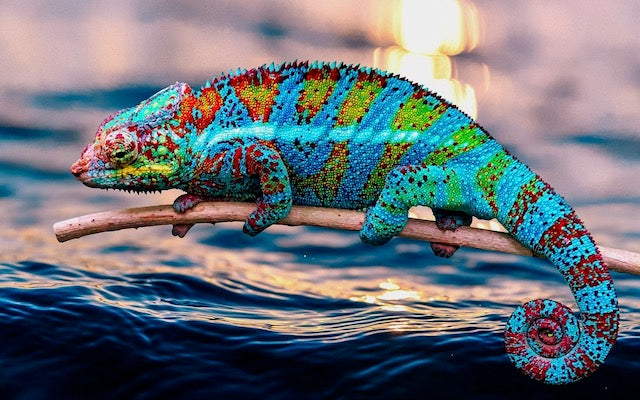
Chameleons use color changes to talk to other chameleons. Males show bright colors to attract females or warn rivals. Females may change colors to show readiness to mate or to reject advances. These signals help avoid fights and misunderstandings.
Credit: dragonsdiet.com
Frequently Asked Questions
What Is The Reason For Chameleons Changing Colors?
Chameleons change color to communicate emotions, regulate body temperature, and camouflage from predators. Specialized skin cells reflect different colors.
How Do Chameleons Know Which Color To Change To?
Chameleons change color by sensing mood, temperature, and social cues. Their skin cells adjust light reflection to show different colors.
What Color Does A Chameleon Turn When Happy?
A happy chameleon often turns bright colors like green, yellow, or blue to show contentment and relaxation.
How Quickly Do Chameleons Change Color?
Chameleons change color within seconds to minutes. The speed depends on mood, temperature, and environment. Rapid changes help with communication and camouflage.
Why Do Chameleons Change Color?
Chameleons change color mainly to hide, communicate, and control their body temperature.
How Do Chameleons Change Their Color?
They adjust tiny crystals in their skin to reflect different light wavelengths, creating new colors.
Can Chameleons Change To Any Color They Want?
No, their color change is limited to shades their skin cells can produce.
Does Color Change Help Chameleons Survive Predators?
Yes, color change helps them blend into surroundings and avoid being seen by predators.
Do Chameleons Change Color To Show Emotions?
Yes, they change colors to signal moods like stress, aggression, or readiness to mate.
How Fast Can A Chameleon Change Its Color?
Chameleons can change color within seconds to minutes depending on the reason.
Conclusion
Chameleons change color for many reasons. They hide from predators by blending in. Their colors also show moods or warn others. Changing color helps them stay cool or warm. Special skin cells control these bright changes. This natural skill keeps chameleons safe and healthy.
Understanding this helps us appreciate nature’s wonders more. Watching a chameleon change is truly amazing to see.