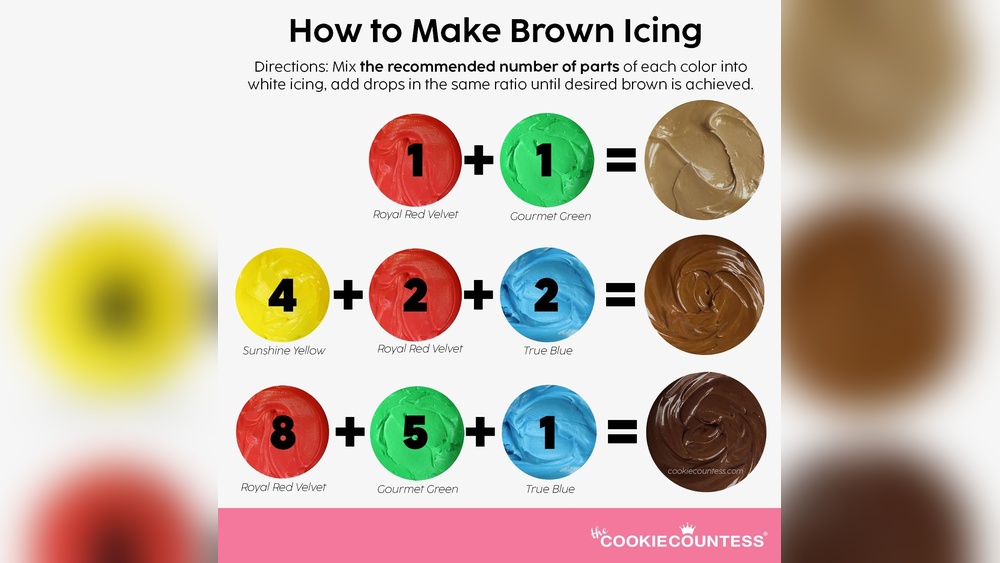
You’ve probably faced the challenge: you want to create the perfect shade of brown using food coloring, but mixing colors feels like guesswork. What if you could unlock the simple formula to make rich, delicious-looking brown every time?
Whether you’re decorating a cake, crafting icing, or coloring dough, knowing exactly how to mix food colors to get brown can save you time and frustration. In this guide, you’ll discover easy, foolproof ways to combine common food coloring shades to achieve the brown you want—no more trial and error.
Ready to become a color-mixing pro and take your baking or cooking to the next level? Let’s dive in!

Credit: smart.dhgate.com
Basic Color Combinations
Creating the color brown with food coloring involves mixing certain colors carefully. Basic color combinations help you achieve the perfect brown shade. Understanding how colors blend makes the process easier. This section explains simple ways to mix colors for brown using food coloring.
Primary Colors Mix
Brown can be made by mixing the three primary colors: red, yellow, and blue. Start with equal parts of red and yellow to create orange. Then, add a small amount of blue to darken the mix and turn it brown. Adjust the amounts to get lighter or darker brown shades. Using primary colors gives you control over the tone of brown.
Using Complementary Colors
Complementary colors are pairs opposite each other on the color wheel. Mixing complementary colors like red and green produces brown. You can also try blue and orange or yellow and purple. Combine equal parts of these pairs to create a balanced brown. Add more of one color to change the warmth or coolness of the brown. This method is simple and effective for making brown with food coloring.
Mixing Red And Green
Mixing red and green food coloring is a simple and effective way to create brown. These two colors combine to form a rich, earthy tone perfect for many recipes. Understanding the right proportions helps achieve the ideal shade of brown. This section explains how to mix red and green to get the perfect brown color.
Equal Parts Method
Start by mixing equal parts of red and green food coloring. Use a small amount, like one drop each. Stir well to blend the colors evenly. This method usually produces a medium brown shade. It works well for most baking and decorating needs. Adjust the quantity to make enough color for your recipe.
Adjusting For Warm Or Cool Brown
To make warm brown, add a little more red. This gives a reddish, cozy tone to the brown. For cool brown, add more green or a drop of blue. This creates a cooler, darker shade of brown. Experiment with small amounts to find your preferred tone. Keep track of the changes for future reference.
Adding Blue For Depth
Adding blue to your brown mix creates a richer, deeper tone. Blue tones can cool down the warmth of red and yellow. It helps avoid overly orange or muddy browns. Using blue carefully gives your brown a more natural look. Experiment with small amounts first for best results.
Small Amounts For Cooler Shades
Use blue sparingly to keep control over the shade. Just a drop can shift brown toward a cooler tone. Too much blue makes the color dull or grayish. Add blue little by little to find the perfect balance. This technique works well for frosting or dough colors.
Balancing Blue With Red And Yellow
Brown comes from mixing red, yellow, and blue together. Red and yellow should be more dominant than blue. Start with equal parts red and yellow, then add blue slowly. Adjust each color in small steps to avoid strong or muddy hues. This balance makes the brown look natural and vibrant.
Using Yellow And Purple
Using yellow and purple food coloring is a smart way to create brown shades. These colors are opposites on the color wheel. When mixed, they balance each other out and form brown. This method gives you control over the warmth and depth of the brown color. It also lets you adjust the shade by changing the amount of yellow or purple. Let’s explore how to make different brown tones using these two colors.
Creating Warm Brown Tones
Start with a base of yellow food coloring. Add a small amount of purple slowly. Purple is strong and can darken quickly. Mix thoroughly after each drop. The yellow keeps the brown warm and vibrant. Keep adding yellow if the brown looks too dark or cool. This mix is perfect for food items needing a golden brown color.
Adjusting Hue Intensity
To make the brown lighter, add more yellow. For a deeper brown, increase the purple carefully. Watch the color change with each addition. Stir well to see the true shade. Avoid adding too much purple at once. Small changes make a big difference in hue. This method helps you find the exact brown you want.
Alternative Color Pairs
Alternative color pairs offer creative ways to mix brown using food coloring. Instead of the classic red, yellow, and blue, these pairs create rich brown tones. Experimenting with different combos can yield unique shades for your recipes.
Blue And Orange Mix
Mixing blue and orange food coloring creates a natural brown shade. Use equal parts of each color for a balanced tone. Adjust by adding more blue for a cooler brown or more orange for a warmer hue. This pair is simple and effective for quick results.
Other Effective Combos
Try pairing purple with yellow for a deep brown color. Purple adds depth while yellow lightens the mix. Another option is green and red. Use more red to keep the brown warm and rich. These alternatives offer flexibility depending on the shade you want.
Adjusting Brown Shades
Adjusting the shade of brown food coloring allows you to create the perfect hue for your recipes. Small changes can make brown look warmer, cooler, lighter, or darker. Knowing how to tweak brown tones helps match your baking needs precisely.
Experiment with adding other colors carefully. Each addition changes the shade and mood of the brown. Below are simple ways to adjust brown shades using white and black food coloring or more color.
Lightening With White
Adding white food coloring or white icing base makes brown lighter. Use small amounts to avoid turning brown into a pale beige. Stir gently and check the shade often.
Lightened brown works well for softer, pastel-style decorations. It keeps the warm tone while brightening the overall look. This method is ideal for frosting and fondant.
Darkening With Black Or More Color
Adding a drop of black food coloring darkens brown quickly. Black intensifies the color but use it sparingly to prevent a muddy look. Mix thoroughly to see the true shade.
Another way to darken brown is by adding more red or green food coloring. These deepen the tone without losing warmth. Adjust slowly to keep control over the final color.
Natural Food Coloring Options
Natural food coloring options provide a simple way to create brown shades without artificial dyes. These ingredients offer rich, earthy tones perfect for baking and cooking. Using natural sources also adds subtle flavors to your dishes.
These options are easy to find and use at home. They give a warm, appealing color that looks great on cakes, frostings, and more. Let’s explore two popular natural choices.
Using Cocoa Powder
Cocoa powder is a popular natural way to make brown color. It gives a deep, chocolatey brown that works well in desserts. Just mix cocoa powder with a bit of water to form a smooth paste. Add this paste to your frosting or batter slowly. Adjust the amount to reach the shade you want.
Cocoa powder not only colors but also adds a rich flavor. It is perfect for chocolate cakes, cookies, and frostings. Use unsweetened cocoa powder for the best natural brown color.
Coffee And Tea Infusions
Strong coffee or black tea can create a natural brown tint. Brew a strong cup and let it cool. Use the liquid to color icings or dough by mixing it in small amounts. The color deepens with more liquid added.
Coffee adds a slightly bitter, rich taste, while tea gives a milder flavor. Both are great for natural brown shades in baked goods. This method works well for recipes that suit a coffee or tea flavor.
Tips For Icing And Frosting
Creating the perfect brown icing or frosting requires more than just mixing colors. Paying attention to texture and color consistency makes a big difference. The right techniques can help you achieve smooth, evenly colored frosting without streaks or clumps.
Here are some useful tips for working with brown icing and frosting. These tips improve your results and make your baked goods look professional and delicious.
Avoiding Overmixing
Overmixing can ruin the texture of your frosting. It adds too much air, making it fluffy and unstable. Mix just until the colors blend evenly. Stop once the brown tone looks uniform. Too much mixing can also change the shade of brown.
Use a low speed on your mixer or stir gently by hand. This helps keep the frosting smooth and thick. Thick frosting holds its shape better on cakes and cupcakes.
Achieving Consistent Color
Consistency in color is key for a professional look. Add food coloring slowly, one drop at a time. Stir well after each drop before adding more. This prevents the color from becoming too dark or uneven.
Try mixing your brown color in a small bowl before adding it to large batches. This method helps maintain the same shade throughout. Use gel or paste food coloring for more vibrant and stable colors. Liquid colors may thin the frosting and cause uneven coloring.
Common Mistakes To Avoid
Making brown with food coloring may seem simple. Mistakes often lead to unexpected colors or shades. Avoiding common errors saves time and ingredients. Here are two frequent mistakes that can affect your brown color.
Using Too Much Blue
Blue is a strong color that changes brown quickly. Adding too much blue makes the brown look dull or gray. It can also turn the mixture toward a muddy or greenish shade. Use blue sparingly to keep the brown warm and natural.
Ignoring Color Intensity
Not all food colorings have the same strength. Some colors are more vibrant and need less amount. Using too much can make the brown too dark or uneven. Test small amounts first. Adjust slowly to get the perfect brown tone.

Credit: smart.dhgate.com
Storing And Using Brown Food Coloring
Storing and using brown food coloring correctly helps keep its color and quality fresh. Proper care ensures the coloring lasts longer and performs well in recipes. Small steps in storage can make a big difference in your baking and decorating.
Proper Storage Tips
Keep brown food coloring in a cool, dark place. Avoid direct sunlight and heat. Store the container tightly closed to stop air from drying it out. Use a clean spoon or dropper to avoid contamination. Refrigeration is not needed unless the label says so. Keep it away from strong-smelling foods to avoid odor absorption.
Shelf Life And Reusability
Brown food coloring usually lasts about 1 to 2 years unopened. Once opened, use it within 6 months for best results. Check for changes in smell, texture, or color before use. If it separates or looks strange, discard it. You can reuse leftover food coloring many times if stored well. Always seal it tightly after each use to keep it fresh.

Credit: www.wikihow.com
Frequently Asked Questions
What Color Food Coloring To Make Brown?
To make brown food coloring, mix red and green in equal parts. Add a drop of blue for cooler tones. Alternatively, combine red, yellow, and blue primary colors for various brown shades. Adjust color amounts to achieve the desired hue and intensity.
Can I Mix All Food Coloring To Make Brown?
Mixing all food colorings usually creates brown, but the shade depends on proportions. Use red, yellow, and blue for balanced brown. Adjust amounts to get desired warmth or coolness. Avoid adding too much of any color to prevent muddy tones.
Which Two Colors Mix Make Brown?
Mixing red and green or blue and orange creates brown. Combining all three primary colors—red, yellow, and blue—also makes brown.
How Do I Darken Food Coloring To Make Brown?
Darken food coloring to brown by mixing equal parts red and green. Add a drop of blue for a cooler brown shade. Adjust proportions to achieve your desired darkness.
What Colors Mix To Make Brown With Food Coloring?
Mix red, yellow, and blue food coloring to create brown. Adjust amounts for different shades.
How Do I Make Dark Brown Food Coloring?
Add more blue and red to your mix to deepen the brown color.
Can I Use Only Two Colors To Make Brown?
Yes, mixing red and green food coloring in equal parts makes brown.
How Much Food Coloring Do I Need To Make Brown?
Start with one drop each of red, yellow, and blue; adjust as needed.
How To Get A Warm Brown With Food Coloring?
Use more red and yellow with a small amount of blue for a warm brown.
Is It Possible To Make Brown Without Blue Food Coloring?
Yes, but adding blue helps balance red and yellow to achieve true brown.
Conclusion
Mixing food coloring to get brown is simple and fun. Use red, yellow, and blue in small amounts. Adjust the colors to find your perfect brown shade. Start with equal parts, then add more red or yellow for warmth. Add a little blue for a cooler tone.
Practice helps you see how colors blend best. This method works well for cakes, icing, and other treats. Now, you can create brown without needing special brown food coloring. Enjoy making your recipes colorful and delicious!