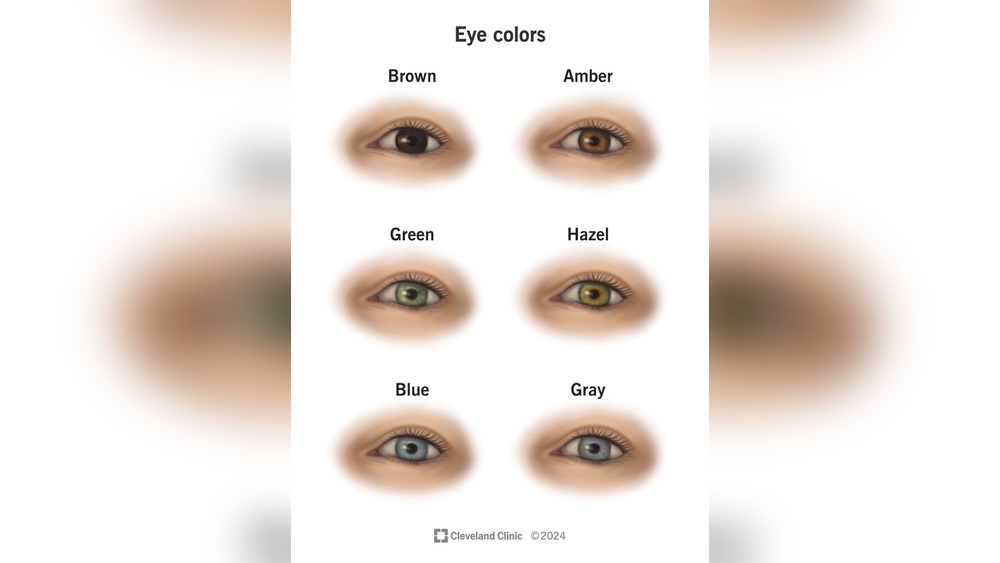
Have you ever looked into someone’s hazel eyes and noticed how their color seems to change with the light? If you have hazel eyes yourself or are simply curious, you might wonder—are there many different versions of this unique eye color?
The answer is yes, and it’s more fascinating than you might think. Hazel eyes are not just one simple shade; they come in a variety of tones and mixes, from rich brown to vibrant green, often sprinkled with golden or amber highlights.
You’ll discover the different types of hazel eyes, what makes each one special, and why your hazel eyes may look different from someone else’s. Keep reading to unlock the mystery behind these captivating “chameleon” eyes and learn what makes your eye color truly one of a kind.

Credit: www.billionairebeauties.com
Types Of Hazel Eyes
Hazel eyes come in different versions. Each type has a unique mix of colors. The main difference is which color dominates the iris.
Understanding these types helps appreciate the beauty of hazel eyes. The colors can shift with light and surroundings. This makes hazel eyes very special and interesting.
Hazel-brown Eyes
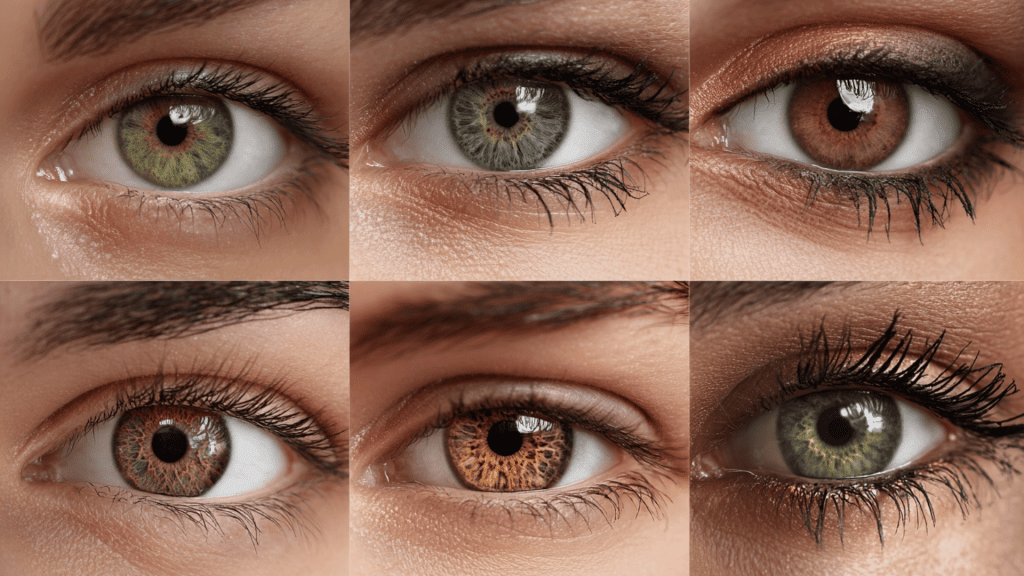
Hazel-brown eyes are the most common type. Brown is the main color in these eyes. They often have green or gold flecks that add depth.
This type looks warm and earthy. The brown tone stands out but the green or gold adds sparkle.
Hazel-green Eyes
Hazel-green eyes are less common. Green is the dominant color here. Brown or amber flecks appear mixed in the iris.
These eyes have a cooler look. The green color gives them a fresh and vibrant feel.
Golden/amber Hazel Eyes
Golden or amber hazel eyes show rich yellow and orange tones. The gold or amber colors are the main hues.
They shine brightly in sunlight. This type often appears warm and glowing.
Other Variations
Some hazel eyes have blue flecks or a blue tint. This adds a rare and unique touch.
The eye color can seem to change with light, clothing, or makeup. This is due to the mix of colors and how light reflects on the iris.
Hazel-brown Variation
Hazel-brown eyes show a warm, rich mix of colors. Brown is the main shade, blending with hints of green or gold. This gives the eyes a unique depth and sparkle.
These eyes often appear to change color in different lights. The brown base makes them look deep and inviting. Flecks of green or gold add brightness and interest.
Characteristics Of Hazel-brown Eyes
Hazel-brown eyes usually have a brown center with green or gold around the edges. This blend creates a soft, earthy look. The colors can shift subtly, making the eyes look alive.
How Light Affects Hazel-brown Eyes
Light changes how hazel-brown eyes appear. In sunlight, the green and gold flecks become clearer. In dim light, the brown color is more dominant. This makes the eyes look different all day.
Common Traits Of People With Hazel-brown Eyes
People with hazel-brown eyes often have warm skin tones. Their hair can range from dark brown to light brown or auburn. These eyes stand out because they are not just one color but a beautiful mix.
Hazel-green Variation
The hazel-green variation is a unique subtype of hazel eyes. It shows a beautiful mix where green is the main color. This eye color blends green with subtle hints of brown or amber. The result is an eye color that shifts between green and warm tones. It often looks different in various lights and settings.
People with hazel-green eyes often have a mysterious and captivating look. This variation is less common than the hazel-brown type. It stands out due to its cooler green shade, mixed with warm flecks. This gives the eyes depth and complexity.
Color Composition Of Hazel-green Eyes
Hazel-green eyes mainly show green shades. Brown or amber flecks add warmth and contrast. The green can range from light to dark. Flecks may appear gold-like or amber. These tiny spots create a sparkling effect in the iris.
Light And Environment Effects
Hazel-green eyes change color slightly in different lighting. Sunlight can make the green brighter. Indoor lighting may bring out more brown or amber tones. Clothing colors also affect how the eyes appear. This natural change makes hazel-green eyes very dynamic.
Rarity And Genetic Background
Hazel-green is rarer than other hazel variations. It results from specific genetic combinations. Green eyes themselves are less common worldwide. The mix of green with brown or amber flecks makes hazel-green rare. This eye color often runs in families.
Credit: rumbie.co
Golden And Amber Tones
Golden and amber tones add warmth and depth to hazel eyes. These hues give hazel eyes a rich, glowing appearance. The golden and amber shades often blend with green and brown, creating unique color combinations. This variety makes hazel eyes stand out with a soft, radiant glow.
Golden and amber tones can appear bright or subtle. They catch light in different ways, making the eyes look alive and changing throughout the day. These tones are common in people with lighter skin tones but can appear in any ethnic background. The warm colors add a mysterious and inviting quality to the eyes.
Golden Hazel Eyes
Golden hazel eyes have strong yellow and gold shades mixed with brown or green. These eyes often shine in sunlight, showing a bright golden glow. The golden tones make the eyes appear warm and vibrant. People with golden hazel eyes often have flecks of gold scattered throughout the iris.
Amber Hazel Eyes
Amber hazel eyes show deeper, richer tones of orange and brown. These eyes can look like they have a soft amber light inside them. The amber color adds a unique, earthy feel to the eye color. It is less bright than golden tones but still very striking and warm.
How Light Affects Golden And Amber Tones
Light changes the look of golden and amber tones in hazel eyes. Bright sunlight makes these colors shine the most. In dim light, the golden and amber tones may seem darker or blend more with brown. This change gives hazel eyes a magical, shifting appearance.
Blue Flecks And Tints
Blue flecks and tints add a unique charm to hazel eyes. These small blue spots or subtle blue shades mix with the usual green, brown, and gold tones. They create a striking contrast that makes hazel eyes stand out. The blue flecks can be scattered or concentrated in certain parts of the iris. The blue tints give a cooler undertone to the warm colors of hazel eyes.
Light plays a big role in showing off these blue elements. Sunlight or bright light can make the blue flecks more visible. In dimmer light, they might fade into the background. This shifting appearance gives hazel eyes a dynamic, almost magical quality. People with blue flecks in their hazel eyes often get compliments for their eye color’s depth and sparkle.
What Causes Blue Flecks In Hazel Eyes?
Blue flecks happen because of the way light scatters in the iris. The iris has layers of pigment and tissue. Sometimes, less pigment is in some spots, letting light reflect differently. This creates the appearance of blue spots. Genetics control this trait. It is a rare but beautiful feature in hazel eyes.
How Blue Tints Affect Hazel Eye Color
Blue tints soften the usual warm colors of hazel eyes. They add a cool tone that blends with green and brown. This mix can make the eyes look more complex. Blue tints may also make the eyes seem lighter overall. They give hazel eyes a fresh, unique look that changes with light and surroundings.
Blue Flecks And Tints In Different Hazel Eye Variations
Blue flecks appear mostly in hazel-green eyes but can also show in hazel-brown eyes. In hazel-green eyes, blue flecks enhance the green shade. In hazel-brown eyes, they create a rare contrast with the brown. Blue tints can be subtle or more noticeable, depending on genetics and lighting. These blue features make each hazel eye color unique and special.
Color Changes In Hazel Eyes
Hazel eyes are known for their unique ability to change color. This change can happen due to light, surroundings, or even mood. The mix of brown, green, and gold in hazel eyes makes these shifts possible. Understanding how and why this happens reveals the beauty behind hazel eyes.
Color changes in hazel eyes make them appear different throughout the day. This natural change adds to their mystery and charm. Many people find this trait fascinating and want to know more about it.
How Light Affects Hazel Eye Color
Light plays a major role in how hazel eyes look. Bright sunlight can make the green or gold tones stand out more. In dim light, the brown color may seem stronger. The way light hits the iris changes the eye’s appearance.
Influence Of Surrounding Colors
Colors around a person also affect hazel eyes. Wearing clothes in certain colors can highlight different tones. For example, blue or green clothing can bring out green flecks. Warm colors like orange or brown may enhance the golden or brown parts.
Emotional And Physical Factors
Mood and health can cause small changes in hazel eye color. Stress or tiredness might make eyes look duller. Happiness or excitement can make them seem brighter. These subtle shifts happen because of changes in blood flow and pupil size.
Rarity Of Hazel Eye Colors
Hazel eyes come in a few main types, like hazel-brown and hazel-green, depending on which color stands out. Flecks of gold, amber, or blue add more unique versions. Light and surroundings can make hazel eyes look different, showing their rare and varied nature.
Hazel eyes are unique and not very common worldwide. They display a mix of colors that change in different lights. This makes hazel eyes special and intriguing.
Several versions of hazel eye color exist, but some are rarer than others. Their rarity depends on which color is dominant and the mix of flecks inside the iris.
Common Hazel-brown Eyes
Hazel-brown eyes are the most common type of hazel. Brown is the main color, with hints of green or gold. These eyes often look warm and inviting.
Many people have hazel-brown eyes, so they are less rare than other hazel types. The brown dominates, but the green or gold flecks add depth.
Rare Hazel-green Eyes
Hazel-green eyes are much rarer than hazel-brown. Green is the dominant color, mixed with touches of brown or amber. They have a cooler, mysterious look.
These eyes are unusual and often catch attention. The green dominance makes them unique among hazel eyes.
Golden And Amber Hazel Variations
Some hazel eyes show rich golden or amber tones. These are less common than hazel-brown but more common than hazel-green. The golden color adds warmth and sparkle.
These variations often appear bright in sunlight. Their glow makes them distinct and beautiful.
Other Rare Hazel Variations
Hazel eyes can also have flecks of blue or a blue-hazel tint. These variations are rare and can make the eyes appear to change color. The mix of colors creates a shimmering effect.
These variations depend on light, surroundings, and even clothing. They add to the mystery and rarity of hazel eyes.
Genetics Behind Hazel Eyes
Hazel eyes come in many versions, mainly hazel-brown and hazel-green, based on dominant colors. Flecks of gold, amber, or blue create unique shades that can change with light. This mix gives hazel eyes their distinct, shifting appearance.
Genetic Factors Influencing Hazel Eye Color
Hazel eyes result from complex genetic interactions. Multiple genes control eye color. These genes influence melanin levels in the iris. Melanin determines whether eyes appear brown, green, or hazel. A mix of melanin types creates the unique hazel shade.
Genes like OCA2 and HERC2 play key roles. They regulate melanin production in the iris. Variations in these genes cause different hazel tones. This explains why hazel eyes show a blend of colors.
Why Hazel Eyes Show Different Colors
The iris has layers with varying pigment amounts. Light scatters differently based on these pigments. This causes hazel eyes to shift colors in different light. Brown, green, gold, and amber hues can appear together. This natural variation is due to genetics and light interaction.
Inheritance Patterns Of Hazel Eyes
Hazel eye color is inherited from parents. It is not controlled by a single gene. Instead, many genes combine to decide eye color. Parents with brown and green eyes can have a hazel-eyed child. Genetic diversity leads to many hazel eye variations.
Why Hazel Eyes Are Unique
Hazel eyes stand out with their unique blend of colors. They combine green, brown, and gold in varying shades. This mix creates a striking look unlike any other eye color. Each person’s hazel eyes are different, making them truly special.
The color can shift depending on lighting and surroundings. Hazel eyes may appear green one moment and brown the next. This change adds to their charm and mystery.
What Makes Hazel Eyes Different?
Hazel eyes have a complex structure. They contain multiple pigments that reflect light differently. This creates a multi-colored effect in the iris. No two pairs of hazel eyes look exactly the same.
How Light Affects Hazel Eye Color
Light changes how hazel eyes appear. Bright light often highlights the green or gold tones. Dimmer light can bring out the brown shades. This shifting color effect is rare among eye colors.
The Role Of Genetics In Hazel Eyes
Genes play a big part in hazel eye color. They control how much melanin the iris contains. Different gene combinations produce the many hazel shades. This explains why hazel eyes vary so much from person to person.
Why Hazel Eyes Are Considered Rare
Hazel eyes are less common than brown or blue eyes. The green-dominant hazel is even rarer. This type mixes green with amber or brown flecks. Its unique blend makes it a special find.
Factors Affecting Hazel Eye Appearance
Hazel eyes show a unique blend of colors. They often change in shade and intensity. Many factors influence this shifting look. These factors make hazel eyes fascinating and diverse.
Understanding what affects hazel eye appearance helps to appreciate its beauty. Some factors are natural, while others depend on the environment or personal choices.
Lighting Conditions
Light plays a big role in how hazel eyes look. Bright sunlight can bring out golden or green flecks. Dim light may make the eyes appear darker or more brown. Different angles of light change the eye’s color perception.
Clothing And Surroundings
Colors around a person affect hazel eye appearance. Wearing certain colors makes green or gold tones stand out. Neutral or dark clothes may highlight the brown shades. Background colors can also influence how the eyes are seen.
Makeup Choices
Makeup changes how hazel eyes are noticed. Warm eyeshadows like gold, bronze, or green enhance the eye’s natural hues. Cool tones like purples or blues can make hazel eyes pop. Eyeliner and mascara also shape the eye’s look.
Genetics
Genes determine the base color and pattern of hazel eyes. The mix of brown, green, and gold varies from person to person. Some people have more green, others more brown or amber. Genetic makeup creates the unique eye color combination.
Age And Health
Eye color can change slightly with age. Some people’s hazel eyes lighten or darken over time. Health conditions or medication may also affect eye color. These changes happen slowly and subtly.

Credit: www.rolf-spectacles.com
Frequently Asked Questions
How Many Types Of Hazel Eyes Are There?
There are mainly two types of hazel eyes: hazel-brown and hazel-green. Hazel-brown shows dominant brown with green or gold flecks. Hazel-green features green as the main color with brown or amber touches. Some variations include golden, amber, or blue flecks within the iris.
What Is The Rarest Hazel Eye Color?
The rarest hazel eye color is green-dominant hazel. It features a primary green hue with brown or amber flecks. This type is less common than the typical brown-dominant hazel, making green-dominant hazel a unique and sought-after eye color variation.
What Is Special About Hazel Eyes?
Hazel eyes are special due to their unique blend of green, brown, and gold. Their color often shifts with light. This rare, dynamic eye color reflects a mix of pigments, creating a captivating, ever-changing appearance that stands out from common eye colors.
What Do True Hazel Eyes Look Like?
True hazel eyes feature a mix of green, brown, and gold hues. They often show flecks of amber or blue. Their color can shift with lighting, appearing vibrant and multi-dimensional. Hazel eyes come mainly in two types: brown-dominant and green-dominant variations.
What Are The Main Types Of Hazel Eye Colors?
Hazel eyes mainly come in two types: hazel-brown and hazel-green, based on the dominant color.
How Do Hazel-brown Eyes Differ From Hazel-green Eyes?
Hazel-brown eyes have brown as the main color, while hazel-green eyes show green as dominant.
Can Hazel Eyes Have Colors Other Than Brown And Green?
Yes, hazel eyes often include flecks of gold, amber, or even blue in the iris.
Why Do Hazel Eyes Seem To Change Color Sometimes?
Light, clothing, and makeup can reflect differently on hazel eyes, making their colors appear to shift.
Are Golden Or Amber Tones A Type Of Hazel Eye Color?
Yes, golden or amber tones are a rich variation within hazel eye colors.
Is Green-dominant Hazel Eye Color Rare?
Green-dominant hazel eyes are rarer compared to the more common brown-dominant hazel eyes.
Conclusion
Hazel eyes come in several beautiful versions. The main types are hazel-brown and hazel-green. Hazel-brown eyes show more brown, while hazel-green eyes have more green tones. Some hazel eyes also have golden, amber, or even blue flecks. These colors can change slightly with light or surroundings.
The rarest kind is green-dominant hazel, which has more green than brown. Each variation makes hazel eyes unique and fascinating. Understanding these differences helps appreciate the rich beauty of hazel eye color.