
Are you wondering if Colorado has a state tax and how it might affect your wallet? Whether you’re moving to the Centennial State, planning your finances, or just curious about taxes, understanding Colorado’s tax system is crucial.
Knowing what taxes apply to you can help you make smarter money decisions and avoid surprises during tax season. You’ll discover the facts about Colorado’s state income tax, what’s taxed and what’s not, and how it compares to other states.
Keep reading to get clear, simple answers that put you in control of your financial future.

Credit: taxfoundation.org
Colorado Income Tax Basics
Colorado has a state income tax that applies to residents and some non-residents. Understanding the basics helps with tax planning and compliance. The state tax is separate from federal tax and has its own rules.
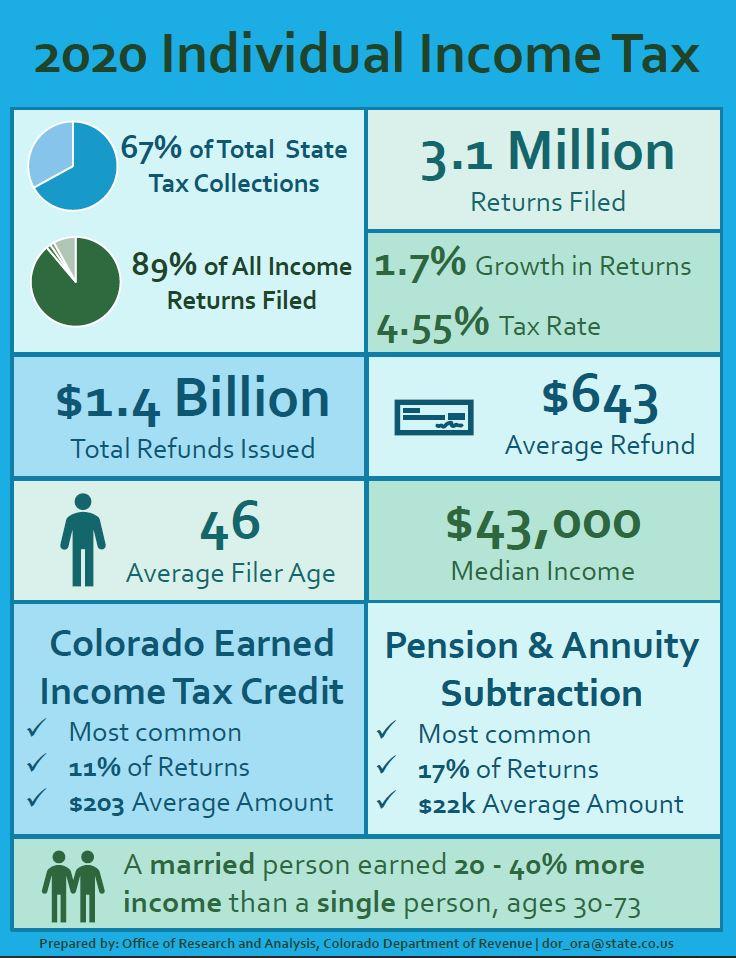
Income tax in Colorado affects wages, salaries, and other income sources. The state uses a flat tax rate, which means everyone pays the same percentage regardless of income level. This simple system makes it easier for taxpayers to calculate their state tax.
How Colorado Income Tax Works
Colorado charges a flat income tax rate on taxable income. This rate is set by the state legislature and can change over time. Taxpayers report their income on state tax forms, which are separate from federal forms.
Residents pay tax on all income earned, both inside and outside Colorado. Non-residents pay tax only on income earned within the state. This ensures fair taxation for all who benefit from state services.
Filing Requirements For Colorado Income Tax
Most residents must file a Colorado state tax return if their income exceeds a certain threshold. The state requires filing even if no tax is due. This helps keep records accurate and up to date.
Taxpayers can file online or by mail. The state provides forms and instructions on its official website. Meeting deadlines avoids penalties and interest charges.
Deductions And Credits Available
Colorado offers standard deductions that reduce taxable income. Itemized deductions may also apply for certain expenses. Tax credits can lower the overall tax bill dollar for dollar.
Common credits include those for child care, education, and renewable energy investments. Knowing available deductions and credits can save money at tax time.

Credit: coloradosun.com
Who Pays Colorado Income Tax
Colorado charges income tax on money earned within the state. This tax applies to both residents and some non-residents. Residents pay tax on all income, no matter where it is earned. Non-residents pay tax only on income from Colorado sources.
The tax supports state services like schools, roads, and public safety. Knowing who must pay helps with proper tax planning and filing.
Colorado Residents
Residents of Colorado pay income tax on all income. This includes wages, salaries, tips, and other earnings. It also covers income from investments and rental properties. Residents must file a Colorado tax return if they meet income thresholds.
Non-residents With Colorado Income
Non-residents pay tax only on income earned inside Colorado. This includes income from work done in Colorado or rental property located in the state. They must file a Colorado tax return to report this income.
Part-year Residents
People who move into or out of Colorado during the year are part-year residents. They pay tax on income earned while living in Colorado. Income earned outside the state during that year is not taxed by Colorado.
Income Types Subject To Tax
Colorado taxes wages, business income, and investment earnings. Retirement income and Social Security benefits are taxed under certain conditions. Some types of income may have special rules or exemptions.
Income Thresholds And Filing Requirements
Tax filing is required if income exceeds a set limit. These limits change each year and depend on filing status. Even if tax is not owed, filing may be necessary to claim refunds or credits.
Colorado Income Tax Rates
Sales tax is a key part of Colorado’s tax system. It applies to many goods and some services sold in the state. The state sales tax rate is set by Colorado but local governments can add their own rates. This creates a combined sales tax rate that varies by location.
Understanding sales tax in Colorado helps residents and visitors know what to expect when shopping. Knowing the rates and rules can prevent surprises at checkout.
State Sales Tax Rate
Colorado has a base state sales tax rate of 2.9%. This rate applies across the state on most goods sold. It is collected by the state government to fund public services and infrastructure.
Local Sales Tax Variations
Cities and counties can add local sales taxes on top of the state rate. These local rates differ widely. For example, Denver has a higher combined sales tax rate than smaller towns.
Because of these local additions, total sales tax rates range from about 2.9% up to over 11% in some areas.
Goods And Services Subject To Sales Tax
Most tangible goods sold in Colorado are subject to sales tax. This includes clothing, electronics, and furniture. Some services, like telecommunications and hotel stays, also have sales tax.
Prescription drugs, most medical supplies, and some groceries are exempt from sales tax. These exemptions help reduce the cost of essential items.
How Sales Tax Is Collected
Retailers collect sales tax at the point of sale. They then remit the collected tax to the state and local governments. This process ensures the correct tax amount is paid on each purchase.
Online sales are also subject to Colorado sales tax. Sellers must collect tax based on the buyer’s location if they meet certain sales thresholds.
Credit: cdor.colorado.gov
Sales Tax In Colorado
Property tax is an important part of Colorado’s tax system. It helps fund local services such as schools, police, and roads. Every property owner in Colorado pays this tax based on the value of their property.
Understanding property tax can help residents plan their finances better. The tax rate and assessment process can vary by county and city.
How Property Tax Is Calculated
Colorado calculates property tax using the assessed value of the property. The assessed value is a percentage of the market value. This percentage is set by the state and can differ for residential and commercial properties. The tax rate is then applied to the assessed value to find the tax owed.
Who Pays Property Tax In Colorado
Any person or business that owns property in Colorado pays property tax. This includes homeowners, landlords, and commercial property owners. The tax is due annually and is collected by local governments.
Property Tax Rates By County
Each county in Colorado sets its own property tax rate. Rates can vary widely across the state. Urban areas may have different rates than rural areas. Checking your local county assessor’s website gives the exact rate for your area.
Exemptions And Credits
Colorado offers some exemptions and credits to reduce property taxes. These include exemptions for seniors, disabled persons, and veterans. Some homeowners may also qualify for a homestead exemption that lowers their taxable value.
Exemptions From Colorado Sales Tax
Retirement income often includes pensions, Social Security, and withdrawals from savings. States vary in how they tax this income. Understanding Colorado’s rules helps retirees plan better.
Colorado taxes most forms of retirement income as regular income. This means pension payments and 401(k) withdrawals count toward your taxable income. Social Security benefits, however, are not taxed by the state.
Taxation Of Pension And Annuity Income
Colorado includes pension and annuity income in taxable income. This applies to both private and public pensions. Retirees must report this income on their state tax returns.
Social Security Benefits And Colorado State Tax
Social Security benefits are exempt from Colorado state income tax. This rule can reduce the overall tax burden for many retirees. It makes Colorado more attractive for Social Security recipients.
Withdrawals From Retirement Accounts
Withdrawals from traditional IRAs and 401(k) plans are taxable in Colorado. The state treats these withdrawals as regular income. Roth IRA withdrawals are not taxed if qualified.
Tax Credits And Deductions For Retirees
Colorado offers some tax credits for seniors. The Senior Homestead Exemption lowers property taxes for eligible seniors. There are no special deductions for retirement income on state income tax.
Frequently Asked Questions
Does Colorado Have State Income Tax?
Yes, Colorado imposes a state income tax on all resident individuals. It also taxes income sourced within Colorado.
What States Have No State Tax?
Nine states have no state income tax: Alaska, Florida, Nevada, New Hampshire, South Dakota, Tennessee, Texas, Washington, and Wyoming.
How Much Is $100,000 Taxed In Colorado?
Colorado taxes $100,000 income at a flat rate of 4. 40% in 2024. This means you owe $4,400 in state income tax.
What Is Not Taxed In Colorado?
Colorado does not tax prescription drugs, insulin, medical and prosthetic supplies prescribed by a doctor. Social Security benefits are also exempt.
Does Colorado Charge State Income Tax?
Yes, Colorado imposes a state income tax on residents and income earned within the state.
What Is Colorado’s State Income Tax Rate?
Colorado has a flat income tax rate of 4. 55% for all taxpayers.
Are Non-residents Taxed In Colorado?
Non-residents pay state income tax only on income earned from Colorado sources.
Does Colorado Have Sales Tax Besides Income Tax?
Yes, Colorado charges sales tax on most goods and some services sold in the state.
Are Some Items Exempt From Colorado Sales Tax?
Prescription drugs, insulin, and certain medical supplies are exempt from Colorado sales tax.
How Does Colorado’s Income Tax Compare Nationally?
Colorado’s flat rate is lower than many states with progressive income tax systems.
Conclusion
Colorado does have a state income tax for residents and workers. The tax applies to most types of income earned in the state. Sales tax also exists but excludes some medical and prescription items. Understanding Colorado’s tax rules helps with better financial planning.
Knowing these basics can reduce surprises during tax season. Taxes fund many public services that benefit everyone. Staying informed about state taxes is always a smart choice.