Have you ever stopped to wonder, what color is the Sun really? You might picture it as bright yellow or fiery orange, but what if that’s not the whole story?
Your eyes and the Earth’s atmosphere play tricks on you, changing how the Sun’s light reaches you every day. You’ll discover the surprising truth about the Sun’s true color, how the sky affects it, and why those stunning sunrises and sunsets paint the sky with breathtaking shades.
Keep reading to see the Sun in a whole new light!
Sun’s True Color
The sun’s true color is white because it emits all visible light colors combined. From Earth, it looks yellow or orange due to the atmosphere scattering blue light. At sunrise and sunset, the sun often appears red or orange because the light passes through more air.
The Sun’s Actual Color
The Sun’s true color is white. It emits light of all visible colors mixed together. This means the sunlight we receive is not just yellow or orange. It contains every color, which combined, appears white to the eye.
Why We See The Sun As Yellow
The Earth’s atmosphere changes how the Sun looks. It scatters short-wavelength light like blue and violet. This scattering leaves the longer wavelengths like yellow and orange. That is why the Sun often looks yellow from our viewpoint.
Sun Colors During Sunrise And Sunset
At sunrise and sunset, sunlight passes through more atmosphere. This causes even more scattering of blue light. The Sun then appears red, orange, or pink. These warm colors are stronger because the blue light is scattered away.
White Light Emission
The Sun emits white light. This means it sends out all colors combined. The mixture creates pure white light. Our eyes see this light as white in space.
On Earth, the Sun looks yellow or orange. This happens because Earth’s atmosphere changes the light. It scatters some colors more than others.
White Light From Space
From space, the Sun appears bright white. It sends out all colors of the visible spectrum. These colors mix and reach our eyes as white light. No atmosphere blocks or changes this light.
Atmospheric Scattering And Color Change
Earth’s atmosphere scatters blue and violet light more than red and yellow. This is called Rayleigh scattering. It makes the Sun look yellow or orange to us. The scattered blue light moves away from our direct view.
Sunlight During Sunrise And Sunset
At sunrise and sunset, sunlight passes through more atmosphere. This scatters even more blue and violet light. As a result, red and orange colors become stronger. The Sun looks redder and warmer at these times.
Earth’s Atmospheric Effect
The Sun’s true color is white, but it rarely looks that way from Earth. Our atmosphere changes how we see sunlight. It scatters some colors and lets others pass through.
This scattering affects the Sun’s color at different times of the day. It explains why the Sun can appear yellow, orange, or even red instead of white. Understanding this effect helps us grasp why the Sun’s color changes in the sky.
Sun’s Color Seen From Space
Outside Earth’s atmosphere, the Sun shines white. It emits light in all visible colors at once. This mix of colors creates pure white light. Without the atmosphere, the Sun does not look yellow.
How The Atmosphere Changes Sunlight
Earth’s atmosphere scatters sunlight using a process called Rayleigh scattering. Shorter wavelengths, like blue and violet, scatter more. This scattering removes much blue light before it reaches our eyes.
The remaining light has longer wavelengths, such as yellow, orange, and red. This shift makes the Sun appear more yellow or orange during the day. The effect depends on how much atmosphere sunlight passes through.
Colors At Sunrise And Sunset
At sunrise and sunset, sunlight travels through more atmosphere. More blue and violet light scatter away. This leaves mainly red and orange hues visible to us.
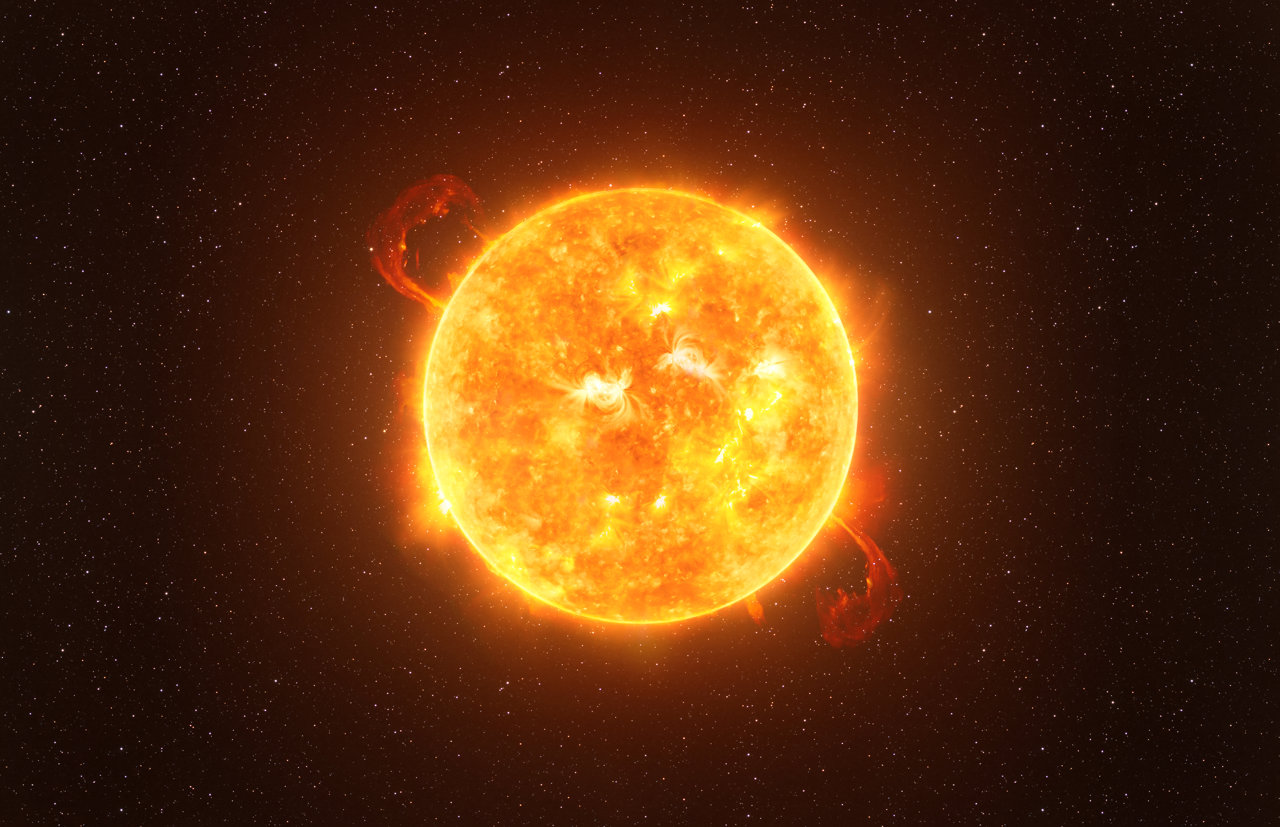
That is why the Sun looks redder during these times. The thicker atmospheric path enhances the scattering effect. Sunrises and sunsets offer the most vivid color changes.
Credit: www.nationalgeographic.com.es
Rayleigh Scattering Explained
The sun shows stunning colors at sunrise and sunset. These moments paint the sky with warm hues. The colors change because sunlight passes through more atmosphere. This affects how we see the sun’s true color.
Why Sunrise And Sunset Colors Are Different
At sunrise and sunset, sunlight travels a longer path through the air. More blue and violet light scatters away. This leaves red, orange, and yellow light to reach our eyes. The result is a sky filled with warm tones.
Common Colors Seen During Sunrise And Sunset
Colors often include deep reds, bright oranges, and soft pinks. Sometimes purple and gold tones appear too. These colors shift quickly as the sun moves. Each sunrise and sunset is unique and beautiful.
How Atmosphere Affects Sunlight Colors
The Earth’s atmosphere scatters shorter wavelengths like blue and violet. This effect is called Rayleigh scattering. It causes the sky to look blue during the day. At sunrise and sunset, this scattering removes blue light, making red colors stronger.
Why The Sun Itself Looks Different
The sun appears more orange or red near the horizon. This happens because its light passes through thick air layers. High in the sky, the sun looks white or yellow. The atmosphere changes how we see the sun’s real color.
Sun Colors At Sunrise And Sunset
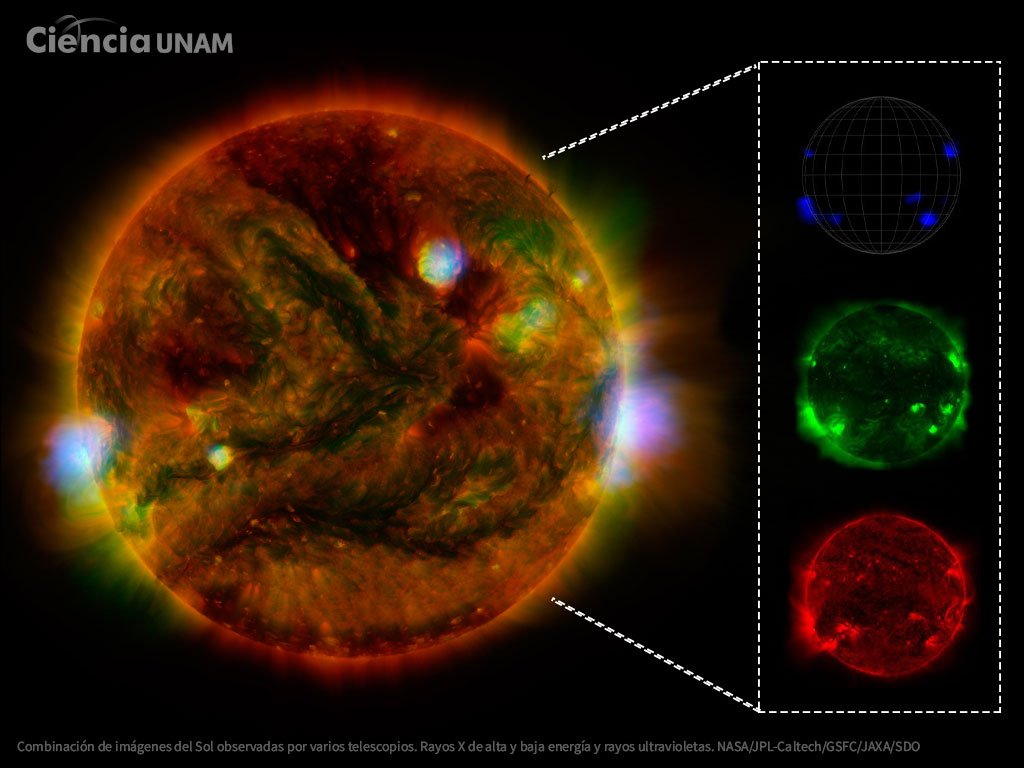
Observing the Sun from space reveals its true color and nature. Without Earth’s atmosphere, the Sun’s light reaches us in its pure form. This allows scientists to see the Sun as it really is.
From space, the Sun shines with a bright white light. This white color comes from the combination of all visible colors mixed together. Earth’s atmosphere changes how we see the Sun’s color on the surface.
How The Sun Appears In Space
In space, the Sun appears as a brilliant white star. It emits light across the entire visible spectrum. This means it sends out all colors of light evenly.
There is no atmosphere in space to scatter or block the Sun’s light. Without this scattering, the Sun’s light does not lose any color. The result is a pure white glow.
Why The Sun Looks Different From Earth
Earth’s atmosphere scatters sunlight, especially shorter blue and violet wavelengths. This scattering causes the Sun to look yellow or orange from our viewpoint.
The effect is called Rayleigh scattering. It removes some blue light and leaves the warmer colors visible. This changes the Sun’s apparent color during the day.
Colors Of The Sun During Sunrise And Sunset
Sunrise and sunset show the Sun in red, orange, and pink hues. This happens because sunlight passes through more atmosphere at these times. More scattering removes even more blue light.
The longer path through the atmosphere enhances warm colors. This is why the Sun looks more colorful near the horizon than in the middle of the day.
Credit: ciencia.unam.mx

Credit: telescopioschile.cl
Frequently Asked Questions
¿de Qué Color Es El Sol En Realidad?
The Sun is actually white because it emits all visible light colors combined. Earth’s atmosphere scatters blue light, making the Sun appear yellow or orange from here.
¿de Qué Color Es El Sol?
The Sun appears white from space because it emits all visible colors combined. On Earth, it looks yellow due to atmospheric scattering of blue light. During sunrise or sunset, it appears red or orange as more blue light scatters away.
¿cuál Es El Color Del Sol Nasa?
NASA states the Sun appears white from space, emitting all visible spectrum colors. Earth’s atmosphere scatters blue light, making it look yellow or orange.
¿cuál Es El Color Realista Del Sol?
The Sun’s true color is white because it emits all visible light colors combined. Earth’s atmosphere scatters blue light, making the Sun appear yellow or orange. During sunrise and sunset, increased atmosphere causes more scattering, showing red and orange hues.
What Color Is The Sun From Space?
The Sun appears white from space because it emits all visible light colors evenly.
Why Does The Sun Look Yellow From Earth?
Earth’s atmosphere scatters blue light, making the Sun appear yellow to our eyes.
What Causes The Sun’s Color To Change At Sunrise?
Longer atmospheric paths scatter more blue light, showing red and orange hues at sunrise.
Is The Sun Really Yellow Or Orange?
No, the Sun’s true color is white, not yellow or orange.
How Does Earth’s Atmosphere Affect Sun’s Color?
The atmosphere scatters shorter light waves, changing the Sun’s apparent color to yellow.
Why Does The Sun Look Red During Sunsets?
More atmosphere scatters blue light, leaving red and orange colors visible during sunsets.
Conclusion
The sun’s true color is white, shining all colors combined. Earth’s atmosphere changes its look, making it appear yellow or orange. At sunrise and sunset, colors shift to red and orange tones. Understanding this helps us appreciate the sun’s real nature.
The next time you see the sun, remember its pure white light. Nature’s science explains what our eyes sometimes miss. The sun’s color tells a story about light and air. Simple facts can change what we think we know.