
Have you ever heard someone say, “That’s a horse of a different color,” and wondered what it really means? This phrase isn’t about horses at all—instead, it’s a clever way to highlight when something is completely different from what you expected.
Whether you’re navigating tricky conversations or facing unexpected twists in life, understanding this expression can give you a fresh perspective on change and surprise. You’ll discover where this curious phrase comes from, how its meaning has evolved over time, and how you can use it to add color and clarity to your everyday language.
Ready to see why this horse truly stands apart? Keep reading!
Credit: oz.fandom.com
Origins Of The Phrase
The phrase “a horse of different color” has roots in Shakespeare’s work. It appeared first in his play Twelfth Night. The original meaning differs from today’s use.
Shakespeare used a similar phrase, “a horse of the same color.” It meant agreement or similarity, not difference. This contrasts with how people use it now.
Context in Twelfth NightIn Act 3, Scene 3, Sir Toby Belch says, “My niece is desirous you should enter with me into the house of my friend: what horse were you of the same color?”
Here, “horse of the same color” means someone who shares the same view or interest. It shows companionship, not difference.
Original Meaning Versus Modern Use
Shakespeare’s phrase meant similarity and agreement. Today, “a horse of a different color” means something quite different.
The modern phrase shows contrast or a new issue. This shift in meaning happened over time, influenced by culture and language changes.
Why Did The Meaning Change?
The change likely came from misunderstanding or creative use. People began using “a horse of a different color” to highlight differences.
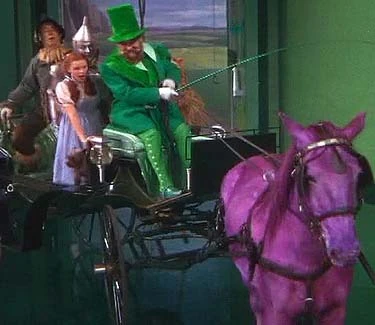
The phrase gained popularity in the 20th century. The movie The Wizard of Oz helped make the modern meaning famous.

Credit: equineworld.co.uk
Shakespeare’s Original Usage
The phrase “a horse of different color” reflects change and variety. This idea connects closely to horse trading, a practice rich in history and culture. Horse trading involves negotiation, exchange, and often surprises, much like the phrase suggests.
Horse trading has influenced language and business habits. It shows how people adapt and deal with unexpected situations. This tradition shaped communication and commerce in many societies.
Historical Role Of Horse Trading
Horse trading was once a vital part of daily life. It helped communities acquire strong and valuable horses. Traders used skill and knowledge to spot quality and negotiate deals. This practice taught patience and strategy.
Horse Trading As A Metaphor
In language, horse trading represents tough bargaining and deal making. It means careful negotiation where both sides try to win. This metaphor fits many areas beyond horses, like politics and business.
Economic Impact Of Horse Trading
Horse trading boosted local economies in many regions. It created jobs for breeders, trainers, and traders. Markets and fairs grew around horse trading activities, encouraging trade and social interaction.
Cultural Influence On Communication
Horse trading influenced how people speak about deals and agreements. Phrases from this practice entered everyday language. They helped express complex ideas simply and clearly.
Evolution Of Meaning
The phrase “a horse of different color” has evolved over time. Today, it means something entirely different or a separate issue. Modern use often highlights a surprising change or new perspective.
In today’s world, the phrase appears in many contexts. People use it in everyday conversations, media, and writing. It helps show contrast between ideas or situations clearly and quickly.
Usage In Everyday Language
People say this phrase to point out a clear difference. For example, if one problem changes into another, they say, “That’s a horse of different color.” It makes communication simple and effective.
Influence Of Popular Culture
The phrase gained popularity from movies and books. The Wizard of Oz featured a colorful horse, which brought attention to the saying. This helped people remember and use it more often.
Changing Meanings Over Time
Originally, the phrase meant something similar or the same. Shakespeare used it in a different way in his play. Today, it means the opposite, showing how language can shift with time.
Influence Of Horse Trading
The phrase a horse of different color has found a unique place in literature and media. Writers and creators use it to highlight changes or contrasts in stories. This phrase helps to show when something is not what it first seems. It adds depth and interest to the narrative.
Its use stretches from classic literature to modern films and television. Each time, it brings a fresh way to express difference or surprise. This phrase often signals a new twist or a shift in the story’s direction. It engages readers and viewers by making them think twice.
Use In Classic Literature
In classic literature, the phrase often shows a change in a character or situation. Shakespeare first used a related form in Twelfth Night. Though the meaning was different then, it laid the groundwork for today’s use. Writers after Shakespeare adapted it to mean something very different or unusual.
Use In Modern Media
Modern movies and TV shows use the phrase to surprise audiences. For example, the famous film The Wizard of Oz featured horses of different colors. This moment made the phrase popular and easy to understand. It shows how something can be colorful and unexpected, just like the phrase suggests.
Use In Popular Culture
The phrase appears in songs, advertisements, and everyday speech. It highlights differences in opinions, ideas, or things. People use it to describe situations that change or are not what they expected. This keeps the phrase alive and relevant in daily life.
Modern Interpretation
Idiomatic expressions often have unique twists that make language colorful. “A horse of different color” is one such phrase. It highlights a new or different matter from what was first mentioned.
This expression appears in various forms and uses. People use it to show contrast or surprise in a conversation. Understanding its variations helps grasp its full meaning.
A Horse Of A Different Color: Common Usage
This phrase means something completely different from the original topic. For example, “I thought we were talking about budget cuts, but scheduling conflicts are a horse of a different color.” It points out a fresh issue or angle.
It often signals a shift in focus. Speakers use it to separate one problem from another. This keeps conversations clear and precise.
Variations In Different Contexts
Some say “a horse of another color” or “a horse of a new color.” These slight changes keep the core idea but add flavor. Different regions or groups might prefer one version over another.
In storytelling, the phrase can highlight unexpected twists. It marks a change in events or characters. This makes the narrative more engaging.
Idiomatic Expression’s Origin And Evolution
Originally from Shakespeare’s “Twelfth Night,” the phrase meant “the same thing.” Over time, it flipped to mean something very different. The Wizard of Oz movie helped popularize this new meaning.
This shift shows how language evolves. A phrase can change meaning across centuries. Today, it clearly marks contrast or difference.
Cultural Impact
Applying the phrase “A Horse of Different Color” today helps us describe changes or differences clearly. It points out when something is not just a small change but a completely new situation or idea.
This phrase fits well in daily talks, work, and storytelling. It shows how one thing can be very different from another, making conversations more vivid and precise.
Using The Phrase In Everyday Life
People use this phrase to show that a new issue or fact is different from what came before. It highlights shifts in opinions, plans, or problems. For example, a small mistake might be one thing, but a big failure is a horse of a different color.
In Business And Work Settings
At work, the phrase helps explain changes in projects or goals. A delay in one task is one thing, but losing a client is a horse of a different color. It helps teams understand the seriousness of new challenges quickly.
Enhancing Communication And Storytelling
Writers and speakers use this phrase to add color to their stories. It draws attention to major differences or surprises. This makes stories more engaging and easier to follow for the audience.

Credit: www.kentuckyderby.com
Frequently Asked Questions
What Does It Mean A Horse Of A Different Color?
“A horse of a different color” means something entirely different or a separate issue from what was discussed before. It highlights a significant change in topic or situation. The phrase originated from Shakespeare’s “Twelfth Night” and evolved to express difference or contrast.
Where Did The Phrase “a Horse Of A Different Color” Come From?
The phrase “a horse of a different color” originated from Shakespeare’s “Twelfth Night,” initially meaning the same matter. Over time, it evolved to signify something entirely different. The modern usage gained popularity through horse trading and media like “The Wizard of Oz.
“
What Is A Horse Of Another Color?
“A horse of another color” means something completely different or a separate issue from what was previously mentioned. It highlights a significant change in topic or perspective. The phrase often introduces a new or unexpected matter distinct from the original discussion.
What Are Multi-colored Horses Called?
Multi-colored horses are called “pinto” or “paint” horses. Their coats feature large patches of different colors.
What Does “a Horse Of Different Color” Mean?
It means something completely different from what was talked about before.
Where Did The Phrase Originate From?
The phrase comes from Shakespeare’s play Twelfth Night.
How Did Shakespeare Use The Phrase Originally?
He used it to mean the same thing, not different.
When Did The Meaning Change To Its Modern Use?
The modern meaning changed over time after Shakespeare’s era.
How Is The Phrase Used In Everyday Language?
To show a new or separate issue from the previous one.
Does “a Horse Of Different Color” Relate To Actual Horses?
No, it is a metaphor, not about real horses.
Conclusion
This phrase shows how language can change over time. It started as meaning the same thing. Now, it means something very different. Knowing its history helps us understand its use today. The phrase reminds us to expect surprises in conversations.
Words and meanings often evolve with culture and time. Keep this in mind when you hear it next. It adds color and depth to everyday speech.