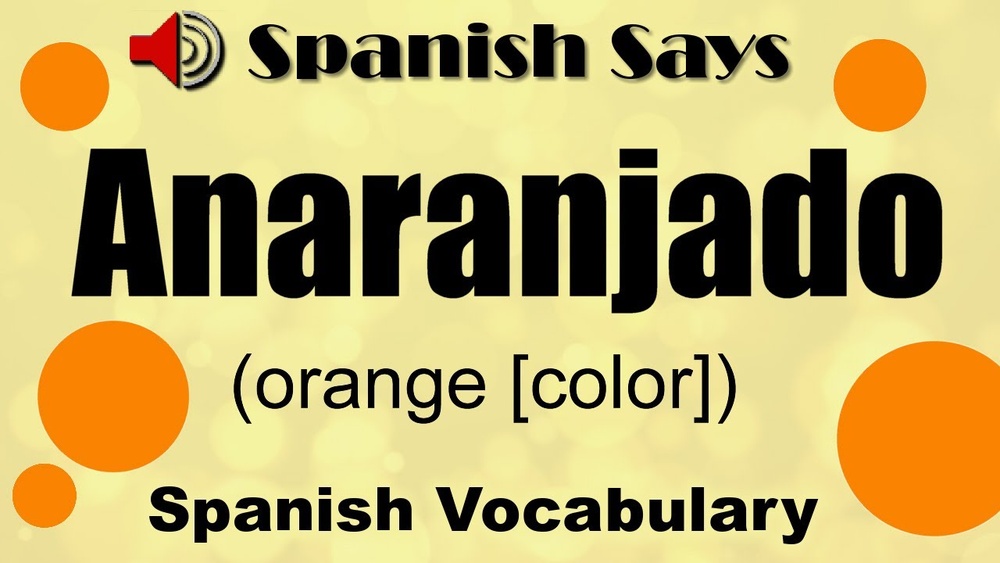
Have you ever found yourself wondering how to say “orange” the color in Spanish? Maybe you’re trying to describe a vibrant sunset, a bright shirt, or simply want to add some colorful vocabulary to your Spanish skills.
Knowing the right word—and when to use it—can make your conversations flow more naturally and confidently. You’ll discover the simple yet important difference between “naranja” and “anaranjado,” plus tips on pronunciation and usage that will help you speak like a native.
Ready to add a splash of orange to your Spanish? Keep reading and watch your language skills brighten up!
Credit: www.fluentu.com
Spanish Words For Orange
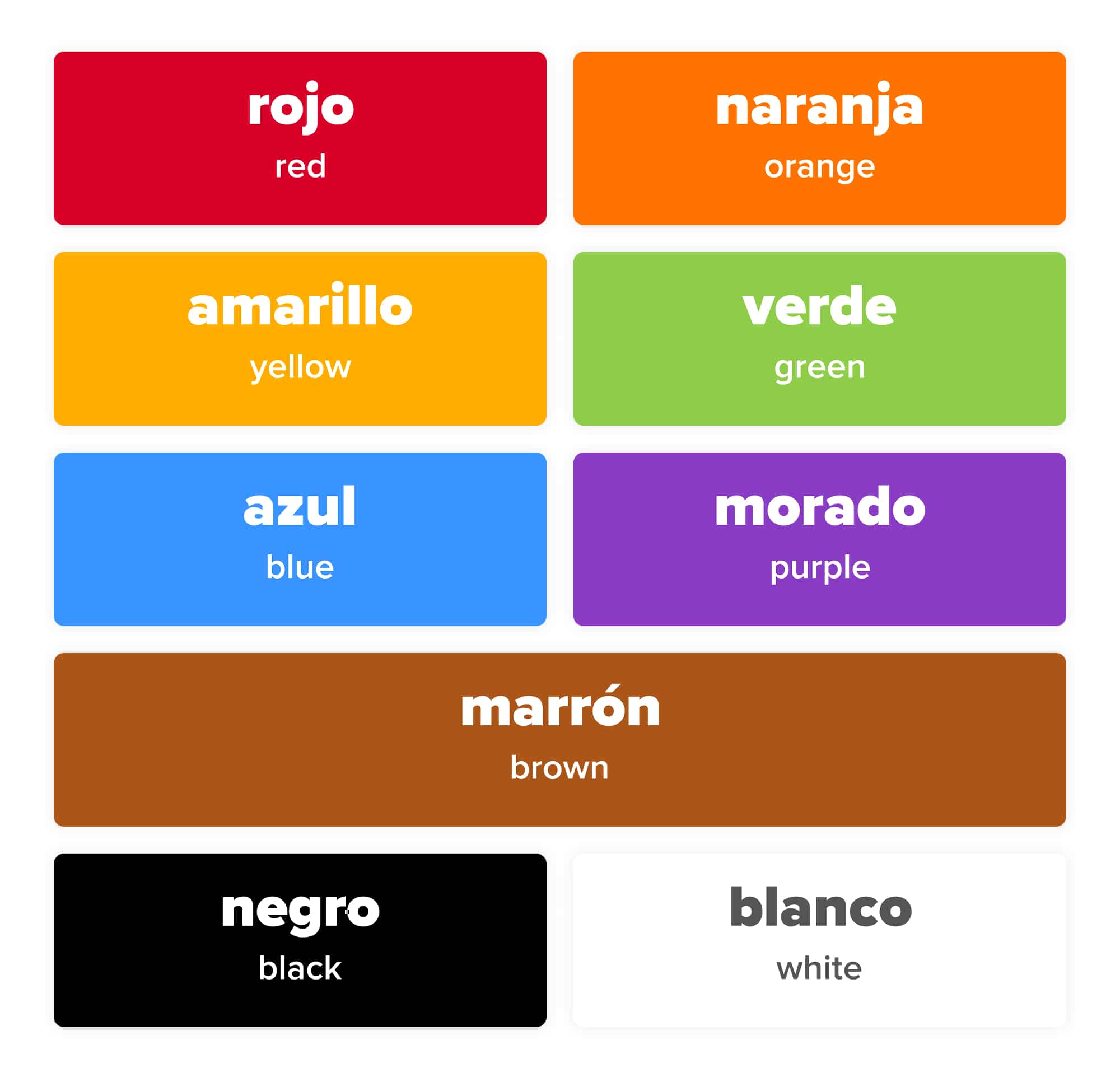
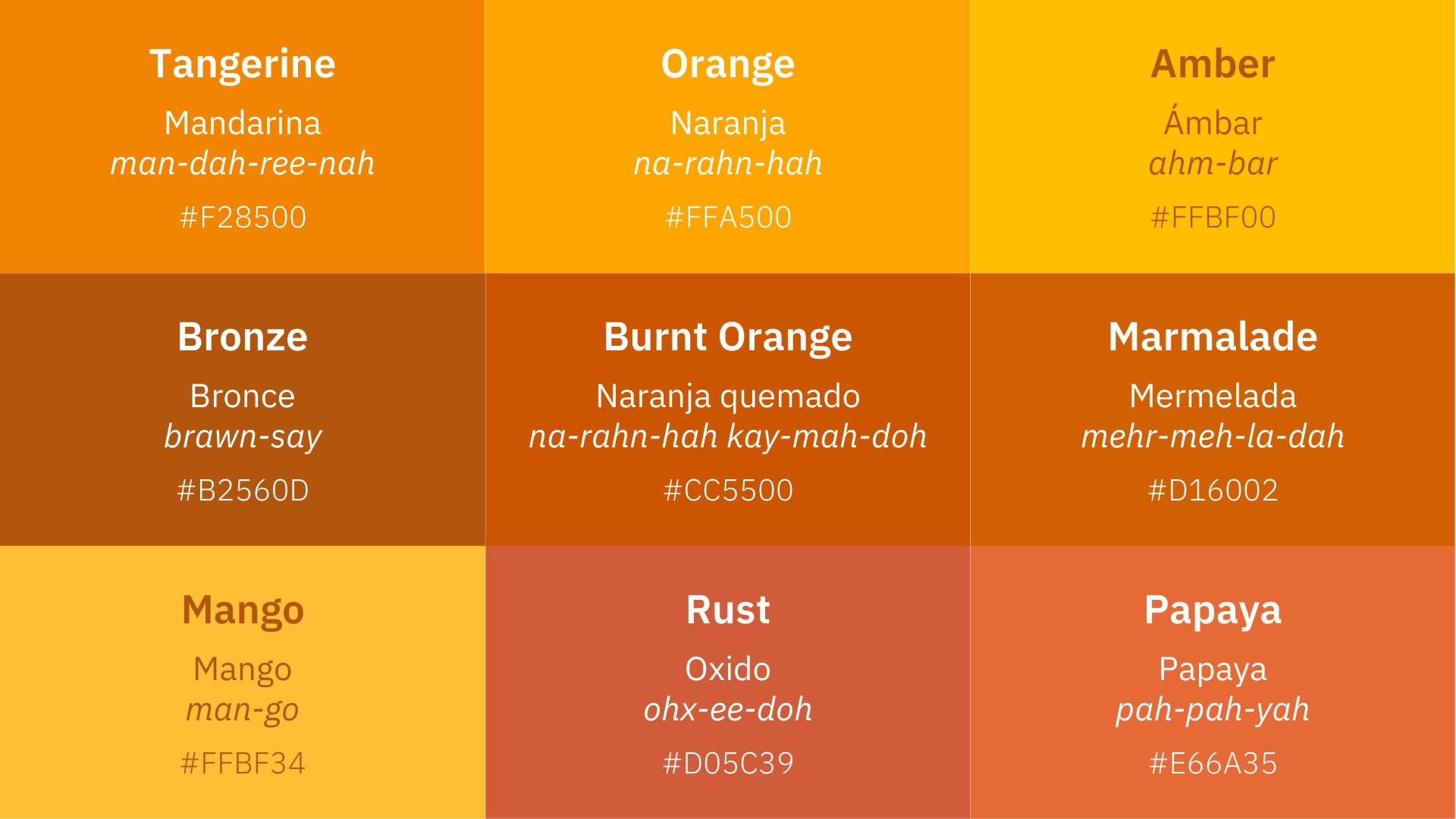
Spanish has two main words for the color orange. These words describe the color in different ways. Understanding both helps you speak clearly and correctly.
Knowing these terms also helps when talking about the fruit or the color in daily conversations.
“naranja”
“Naranja” means both the fruit and the color orange. It is the most common word used in everyday speech. This word stays the same for both masculine and feminine nouns.
For example, you say “el coche naranja” for a male car or “la casa naranja” for a female house. It does not change with number either.
“anaranjado”
“Anaranjado” is the adjective form specifically for the color orange. It comes from the word “naranja” but is used only for color. This word changes based on gender and number.
Use “anaranjado” for masculine singular, “anaranjada” for feminine singular, “anaranjados” for masculine plural, and “anaranjadas” for feminine plural.
Example: “El vestido anaranjado” means “the orange dress” for a masculine noun. For a feminine noun, say “la camisa anaranjada.”
Using Naranja For Fruit And Color
The word naranja in Spanish means both the fruit and the color orange. It is the most common term used across Spanish-speaking countries. People use naranja to talk about the sweet citrus fruit and anything that has an orange color.
In daily conversations, naranja works as a noun and an adjective without changing its form. This makes it easy to remember and use for learners of Spanish. For example, you can say “una naranja” for an orange fruit or “una casa naranja” for an orange house.
How Naranja Refers To The Fruit
Naranja is the name of the orange fruit in Spanish. It is feminine, so you say la naranja for “the orange.” When buying fruit or talking about food, this word is very useful. For example, “Quiero una naranja” means “I want an orange.”
How Naranja Describes The Color
Besides the fruit, naranja also describes the color orange. Unlike many Spanish adjectives, it does not change for gender or number. You say “el coche naranja” for a male car or “las flores naranja” for orange flowers. This simplicity helps beginners speak more naturally.
Difference Between Naranja And Anaranjado
Another word for the color orange is anaranjado. It is a more formal adjective that clearly means the color only. Naranja is more common and accepted in everyday speech. Use anaranjado when you want to emphasize the color, not the fruit.
Anaranjado As A Color Adjective
The word anaranjado is the Spanish adjective used to describe the color orange. It comes from the noun “naranja,” which means orange the fruit. Using anaranjado helps to specify the color clearly, especially in formal or descriptive contexts.
In Spanish, adjectives change based on the gender and number of the noun they modify. Anaranjado follows this rule, making it a useful word to know for accurate color description.
Anaranjado Changes By Gender And Number
The adjective anaranjado changes its ending depending on the noun it describes. For masculine singular nouns, it stays as anaranjado. For feminine singular nouns, it becomes anaranjada.
In plural forms, anaranjados describes masculine plural nouns, and anaranjadas is used for feminine plural nouns. This helps match the color adjective with the noun properly.
Using Anaranjado In Sentences
You can use anaranjado to describe objects, clothes, or anything with the orange color. For example, “El coche anaranjado” means “the orange car.” It shows the adjective agreeing with the masculine noun.
For a feminine noun, say “La camisa anaranjada,” which means “the orange shirt.” This shows how the adjective changes to match the gender.
Difference Between Anaranjado And Naranja
While anaranjado is the color adjective, naranja can be both a noun and an adjective. People often use naranja to describe the color informally.
Naranja does not change for gender or number when used as an adjective. For example, “la casa naranja” and “el coche naranja” both use naranja without change.

Credit: www.wikihow.life
Gender And Number Forms Of Anaranjado
Understanding the gender and number forms of anaranjado helps you describe orange objects correctly in Spanish. This adjective changes based on the gender and number of the noun it modifies. Learning these forms improves your speaking and writing skills.
Spanish adjectives agree with the noun’s gender (masculine or feminine) and number (singular or plural). Anaranjado follows this rule strictly. Below are the basic forms you need to know.
Masculine Singular Form
The masculine singular form is anaranjado. Use it with singular masculine nouns. For example, el coche anaranjado means “the orange car.”
Feminine Singular Form
To match feminine singular nouns, change the ending to anaranjada. For example, la casa anaranjada means “the orange house.”
Masculine Plural Form
For masculine plural nouns, add an -s to form anaranjados. For example, los coches anaranjados means “the orange cars.”
Feminine Plural Form
Change the ending to anaranjadas for feminine plural nouns. For example, las casas anaranjadas means “the orange houses.”
Common Phrases With Naranja
The word naranja is more than just the name of a fruit in Spanish. It also represents the color orange. Using naranja in common phrases helps learners understand its use in everyday language. These phrases often describe objects, feelings, or situations involving the color orange.
Knowing these common expressions improves communication and makes learning Spanish more practical. Below are some examples that show how naranja fits naturally into sentences.
El Coche Es Naranja
This phrase means “The car is orange.” It shows how to use naranja to describe the color of an object. Notice naranja does not change with gender or number here.
Me Gusta El Jugo De Naranja
This means “I like orange juice.” Here, naranja refers to the fruit or the juice, not the color. It is a common phrase when talking about food or drinks.
La Camiseta Naranja Es Bonita
This sentence means “The orange t-shirt is pretty.” It uses naranja as an adjective describing a feminine noun, showing it stays the same.
El Atardecer Tiene Tonos Naranja
It means “The sunset has orange tones.” This phrase uses naranja to describe colors in nature, enriching vocabulary related to the environment.
Prefiero La Fruta Naranja
This phrase means “I prefer the orange fruit.” It emphasizes naranja as a noun and links it to preference, useful in conversations about food.
Credit: www.berlitz.com
Common Phrases With Anaranjado
Using the word anaranjado in everyday Spanish can be simple and fun. It helps to know common phrases that include this color. These phrases make your speech more natural and clear. Here are some examples that show how to use anaranjado correctly.
Describing Objects With Anaranjado
You can describe many things with anaranjado. For example, un carro anaranjado means an orange car. The word matches the gender and number of the noun. Say una flor anaranjada for an orange flower. This helps you talk about colors easily.
Talking About Clothes And Fashion
Anaranjado is common in fashion talk. You can say me gusta tu camisa anaranjada to praise someone’s orange shirt. It shows you notice details. Saying los zapatos anaranjados means orange shoes. This adds color to your conversations.
Using Anaranjado In Food Descriptions
Food often gets described by its color. Anaranjado fits well here. Say la zanahoria anaranjada for the orange carrot. Or el jugo anaranjado for orange juice. These phrases make your food talk vivid and clear.
Pronunciation Tips For Naranja
Pronouncing “naranja” correctly helps you speak Spanish more clearly. This word means orange, the color and the fruit. Many learners find its sounds tricky at first. Practicing the right way makes you confident and understood.
Focus on the sounds of each syllable. Break the word into parts. Repeat slowly. Then say it faster as you improve. Listening to native speakers can guide you well.
Breaking Down The Word
Say the word in three parts: “na-ran-ja”. Stress the second syllable, “ran”. It sounds like “rah-n”. The “j” in Spanish sounds like an English “h”. Try “ha” at the end, not “ja”.
Focus On The Soft ‘j’ Sound
The “j” in “naranja” is soft, like an English “h”. Do not pronounce it like a hard “j”. This sound is made at the back of the throat. Practice by saying “hahaha” softly to get used to it.
Practice With Similar Words
Use words like “jamón” or “jugar” to practice the “j” sound. Saying these words helps your mouth get used to Spanish sounds. The more you practice, the easier it becomes.
Use Stress To Sound Natural
Stress the “ran” syllable clearly. Saying “NA-ran-ja” with the stress on the middle makes it sound natural. Avoid stressing the first or last syllable. Native speakers will understand you better.
Pronunciation Tips For Anaranjado
Pronouncing the Spanish word anaranjado correctly helps you sound more natural. It is the adjective used for the color orange. Learning its pronunciation also improves your overall Spanish speaking skills. Below are some key tips to pronounce anaranjado clearly and confidently.
Break The Word Into Syllables
Split anaranjado into four parts: a-na-ran-ja-do. Practice saying each syllable slowly. This makes the word easier to pronounce. Gradually say the syllables faster until it sounds smooth.
Stress The Correct Syllable
The stress is on the third syllable: ran. Say a-na-RAN-ja-do with emphasis on ran. This is important for clear communication and correct pronunciation.
Pronounce The “j” As A Soft “h”
In Spanish, the letter “j” sounds like a soft English “h”. Say anaranjado as a-na-ran-HA-do. Practice this sound separately if it is difficult.
Use Open Vowels
Each vowel in anaranjado is clear and open. Avoid blending vowels together. Say “a” as in “father,” “o” as in “go”. This makes the word sound natural in Spanish.
Differences Between Naranja And Anaranjado
Understanding the differences between naranja and anaranjado helps in using the right word for orange in Spanish. Both words relate to the color orange but have distinct uses and meanings. Knowing when to use each term improves clarity and communication in Spanish.
Meaning And Use Of Naranja
Naranja means both the orange fruit and the color. It is the most common word used in daily conversation. People use naranja to describe anything orange in color.
As an adjective, naranja does not change for gender or number. For example, “el coche naranja” (the orange car) or “las casas naranja” (the orange houses).
Meaning And Use Of Anaranjado
Anaranjado is an adjective specifically describing the color orange. It comes from the word naranja, but focuses only on color.
Anaranjado changes form with gender and number. For example, “la camisa anaranjada” (the orange shirt) or “los árboles anaranjados” (the orange trees).
When To Use Naranja Vs Anaranjado
Use naranja for both the fruit and the color in casual speech. It is simple and widely understood.
Use anaranjado in formal or descriptive contexts. It gives more precision about the color.
Both words are correct, but naranja is more popular in everyday language.
Tips For Remembering Orange Words
Remembering Spanish words for the color orange can be simple with a few smart tips. Practice and repetition help fix these words in your memory. Using fun techniques makes learning more enjoyable and effective.
Focus on the two main words: naranja and anaranjado. Both mean orange, but their use varies slightly. Let’s explore ways to remember them clearly and quickly.
Connect Orange Words To The Fruit
Think about the orange fruit whenever you say naranja. The fruit and the color share the same word. This link helps you recall the color by imagining the fruit’s bright shade.
Use Visual Imagery
Picture an orange sunset or an orange basketball. Visual images make words stick better. When you see something orange, say anaranjado or naranja out loud. This practice ties the word to real-life examples.
Repeat Out Loud Often
Say the words naranja and anaranjado several times daily. Speaking helps your brain remember faster than just reading. Try using these words in simple sentences to build confidence.
Create Simple Sentences
Make short sentences with orange words. For example, “La manzana es naranja” or “El coche es anaranjado.” This step helps you see how the words fit in context and improves your recall.
Practice With Flashcards
Write the Spanish word on one side and the English meaning on the other. Test yourself or ask a friend to quiz you. Flashcards are a quick way to review and memorize vocabulary.
Frequently Asked Questions
How Do You Say Orange In Spanish The Color?
The color orange in Spanish is “naranja” or “anaranjado. ” “Naranja” commonly refers to both fruit and color. “Anaranjado” specifically describes the color and changes with gender and number. For example, “Mi camisa es naranja” means “My shirt is orange.
“
Is The Color Naranja Or Anaranjado?
The Spanish word for orange color can be “naranja” or “anaranjado. ” “Naranja” is common and also means the fruit. “Anaranjado” is an adjective that changes with gender and number. Both terms are correct and widely understood in everyday use.
Why Are There Two Words For Orange In Spanish?
Spanish uses two words for orange because “naranja” refers to both the fruit and color. “Anaranjado” specifically describes the color. “Naranja” is common in daily speech, while “anaranjado” changes to match gender and number of the noun it modifies.
How Do Puerto Ricans Say Orange In Spanish?
Puerto Ricans say orange as “naranja” for both the fruit and color. “Anaranjado” describes the color specifically and changes by gender.
What Is The Spanish Word For The Color Orange?
The Spanish word for orange color is “naranja” or “anaranjado. “
Which Word Is More Common For Orange Color In Spanish?
“Naranja” is more common and widely used for the color orange.
Can “naranja” Mean Both Fruit And Color In Spanish?
Yes, “naranja” refers to both the orange fruit and the color.
What Does “anaranjado” Mean In Spanish?
“Anaranjado” specifically means the orange color as an adjective.
How Do You Use “naranja” As An Adjective?
Use “naranja” directly to describe objects, like “la casa naranja” (the orange house).
Does “naranja” Change With Gender Or Number?
No, “naranja” stays the same whether masculine, feminine, singular, or plural.
Conclusion
Now you know how to say orange in Spanish clearly. Use “naranja” for both fruit and color. Remember, “anaranjado” describes the color only and changes with gender. Practice these words in simple sentences daily. This helps you speak Spanish more naturally.
Keep exploring colors and enjoy learning Spanish step by step. Small efforts bring big progress. Stay curious and keep practicing!