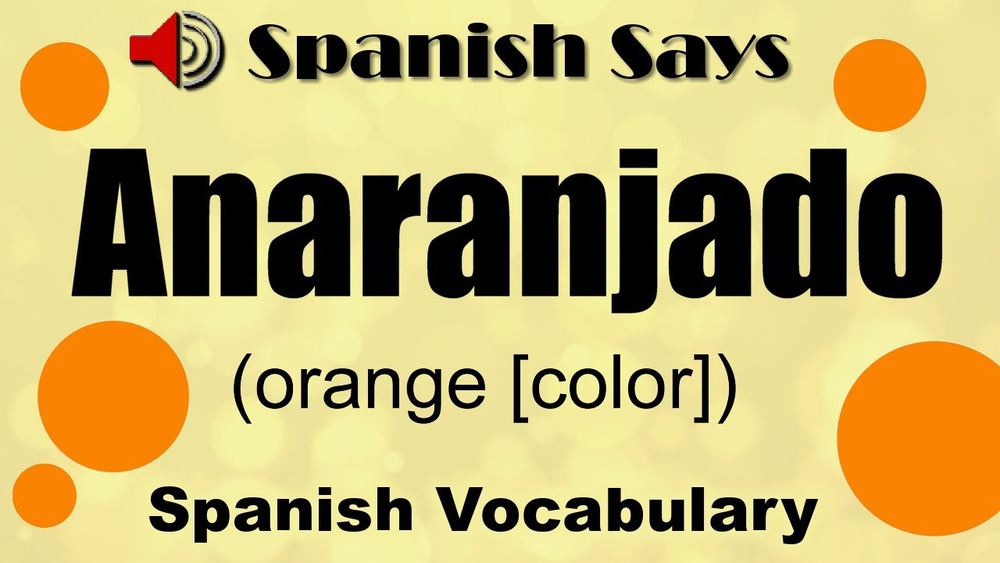
Are you curious about how to say the color orange in Spanish? Whether you’re learning Spanish for travel, school, or just for fun, knowing the right word can make a big difference.
In Spanish, the word for orange isn’t just one simple term—it has a few variations depending on how you want to use it. Do you want to describe the fruit or the color? Should you use “naranja” or “anaranjado”? Keep reading, and you’ll discover the easy way to master this colorful word and impress others with your Spanish skills!
Spanish Words For Orange
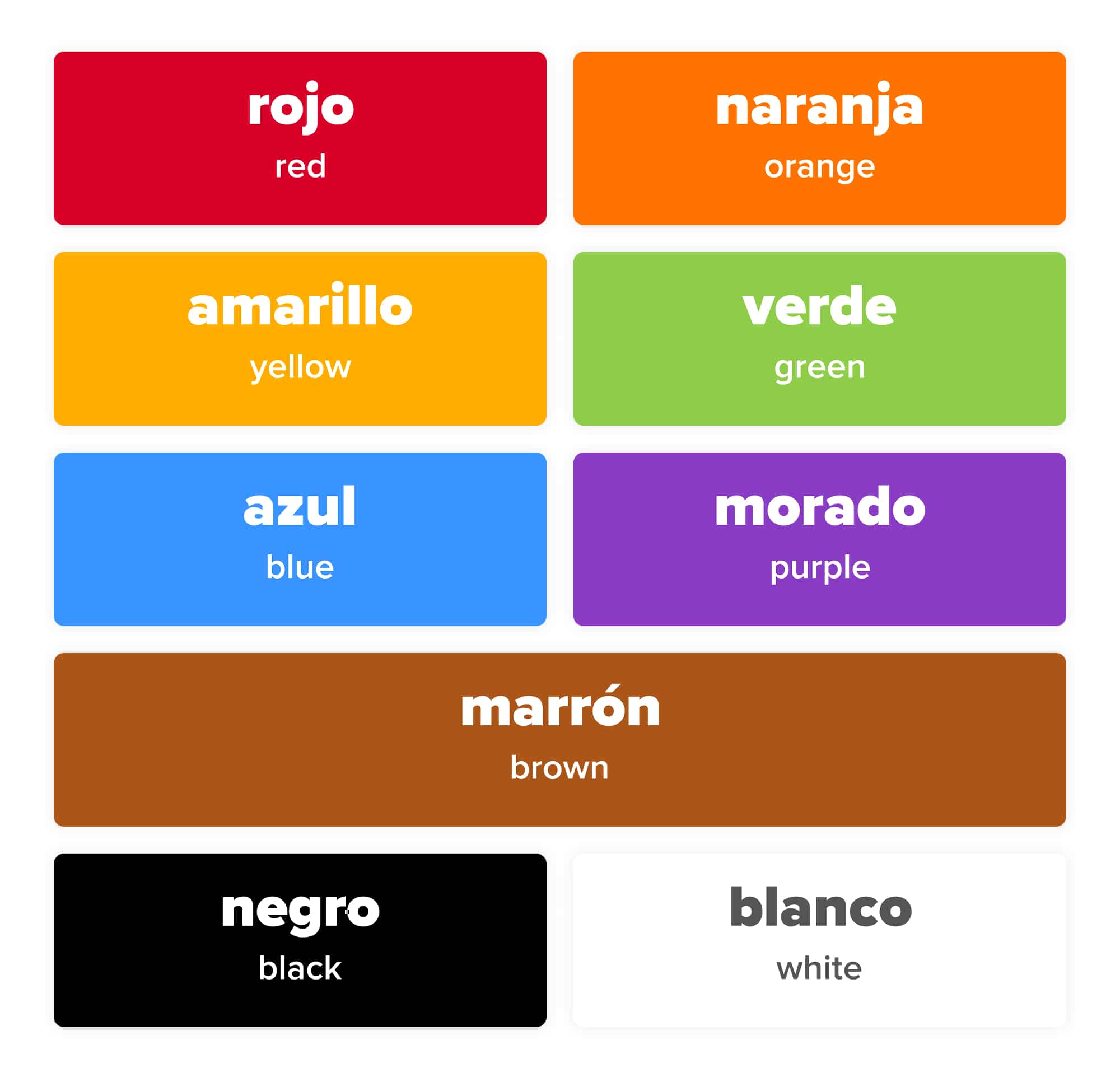
The Spanish language offers two main words for the color orange. These words are naranja and anaranjado. Both relate to the color, but they have different uses and meanings.
Naranja is the most common word. It refers to the color and the fruit. People often use it in everyday conversations. For example, you can say el color naranja to mean “the color orange.”
Anaranjado is more specific. It describes things that have an orange color but often with a shade or tint. This word works well as an adjective. For instance, las flores son anaranjadas means “the flowers are orange.”
What Does Naranja Mean?
Naranja means both the orange fruit and the color. It is simple and widely understood. Native speakers use it in casual speech. Saying la camiseta es naranja means “the shirt is orange.”
Anaranjado is used mainly for the color. It describes something orange in a detailed way. This word is common in formal or written Spanish. Example: el coche es anaranjado means “the car is orange.”
Differences Between Naranja And Anaranjado
Both words describe the color orange but have different roles. Naranja is simple and can mean fruit or color. Anaranjado focuses only on color. It often describes shades and is more precise.
Credit: www.fluentu.com
Naranja As Fruit And Color
The word naranja in Spanish means both the fruit and the color orange. This dual meaning makes it a unique and interesting word to learn. In everyday conversation, naranja often refers to the sweet, juicy fruit. But it also describes the bright, warm color that resembles the fruit’s skin.
Understanding naranja as both fruit and color helps you use it correctly. It is one of the first color words Spanish learners often encounter. The word connects nature and language in a simple way.
Using Naranja For The Fruit
Naranja is the Spanish word for the orange fruit. You can use it when talking about the fruit itself, like in markets or recipes. For example, “Quiero una naranja” means “I want an orange.” This word is easy to remember because it sounds like the English word.
Using Naranja For The Color
Naranja also names the color orange. It describes anything that has the bright orange shade, such as clothes, flowers, or paint. For example, “El coche es naranja” means “The car is orange.” This shows how the fruit’s name became the name of the color.
Difference Between Naranja And Anaranjado
Spanish has another word for orange color: anaranjado. This word only refers to the color, not the fruit. It is often used when describing shades or tones of orange. For example, “La camisa es anaranjada” means “The shirt is orangish.” Both words are correct but used in slightly different ways.
Anaranjado For Color Only
The Spanish word for the color orange is “anaranjado,” used mainly to describe the color itself. Unlike “naranja,” which means both orange fruit and color, “anaranjado” focuses only on the color shade. It fits well when you want to talk specifically about orange hues.
The word anaranjado in Spanish refers specifically to the color orange. It does not mean the fruit. This makes it a clear choice when you want to talk about colors only.
Use anaranjado when describing objects, clothes, or anything with an orange shade. For example, “The flowers are orange” translates to Las flores son anaranjadas.
How To Use Anaranjado In Sentences
Anaranjado works as an adjective. It changes slightly to agree with gender and number.
- Masculine singular: anaranjado
- Feminine singular: anaranjada
- Masculine plural: anaranjados
- Feminine plural: anaranjadas
Example: Las camisetas anaranjadas son bonitas means “The orange t-shirts are pretty.”
Difference Between Anaranjado And Naranja
Naranja can mean both the fruit and the color. This can cause confusion. Anaranjado is used only for the color. It is more precise in formal or descriptive settings.
For example, “I like the color orange” is Me gusta el color anaranjado. Saying Me gusta el color naranja is also correct but less specific.
When To Use Naranja
The word naranja in Spanish means both the fruit and the color orange. It is the most common term used in everyday conversation. People use naranja to describe anything that has the orange color, from clothes to objects.
Using naranja feels natural and simple. It fits well in casual and informal talks. This makes it the go-to word for most Spanish learners and speakers.
Describing Colors In Daily Life
Say you want to talk about an orange shirt or a sunset. Saying camisa naranja or el atardecer naranja is clear and correct. Naranja works perfectly in these cases.
Talking About The Fruit And The Color
Naranja can refer to the fruit or the color. Context helps to know which one you mean. For example, comí una naranja means “I ate an orange.” But el color naranja means “the orange color.”
Informal Vs. Formal Settings
Naranja is more common in informal speech. In formal writing or specific descriptions, some prefer anaranjado for the color. Still, naranja is widely understood and accepted everywhere.
Using Naranja In Art And Fashion
In art or fashion, naranja describes vibrant colors. Artists and designers often use it to talk about warm tones. Saying un vestido naranja clearly shows the dress is orange.
When To Use Anaranjado
Understanding when to use anaranjado helps you speak Spanish clearly. This word refers specifically to the color orange. It avoids confusion with the fruit, which is naranja. Use anaranjado to describe objects, clothing, or any orange-colored items.
Describing Colors In Formal Settings
Use anaranjado in formal talks or written Spanish. It sounds precise and clear. For example, in art classes or fashion descriptions, anaranjado is preferred.
Talking About Shades Of Orange
Anaranjado fits well when you describe different tones of orange. It means “orangish” or “orange-like,” which helps to explain color variations. For example, “Las hojas están anaranjadas” means “The leaves are orangish.”
Using Anaranjado As An Adjective
Anaranjado works as an adjective to describe nouns. It agrees in gender and number. For example, “El coche anaranjado” means “The orange car,” and “Las flores anaranjadas” means “The orange flowers.”
Distinguishing From Naranja
Naranja can mean the fruit or the color. Use anaranjado to avoid mixing meanings. This is helpful in conversations about food versus colors.
Credit: www.berlitz.com
Gender And Number Agreement
Understanding gender and number agreement is essential when using colors in Spanish. Colors must match the gender and number of the nouns they describe. This rule applies to the word for orange as well.
Spanish nouns are either masculine or feminine. They can also be singular or plural. The adjective changes its form to agree with the noun.
Gender Agreement With “naranja”
“Naranja” is a feminine noun. It means both the fruit and the color. When used as an adjective, it stays the same for masculine and feminine singular nouns. Example: “La camisa naranja” means “the orange shirt.”
Number Agreement With “naranja”
To match plural nouns, add an “s” to “naranja.” Example: “Las camisas naranjas” means “the orange shirts.” The adjective agrees in number but not gender here.
Gender Agreement With “anaranjado”
“Anaranjado” is an adjective used specifically for the color orange. It changes according to gender. Use “anaranjado” for masculine singular nouns. Example: “El coche anaranjado” means “the orange car.”
Number Agreement With “anaranjado”
For plural nouns, add an “s.” For feminine plural, change the ending and add “s.” Examples: “Los coches anaranjados” (masculine plural) and “Las flores anaranjadas” (feminine plural).
Common Phrases With Orange
Orange is more than just a color in Spanish. It appears in many common phrases. These phrases help you understand how native speakers use “orange” naturally. Learning these expressions boosts your vocabulary quickly. It also helps you sound more fluent and confident. Below are some typical phrases with the word orange in Spanish.
Expressions Using “naranja”
The word “naranja” means both the fruit and the color. It appears in phrases like “jugo de naranja,” meaning orange juice. Another phrase is “el color naranja,” which means the color orange. People might say, “Me gusta la naranja,” meaning I like the orange fruit. These simple phrases are useful daily.
Common Sayings With “anaranjado”
“Anaranjado” refers specifically to the orange color. You might hear phrases like “la luz anaranjada,” meaning the orange light. Or “las hojas anaranjadas” to describe orange leaves. These phrases often describe objects or nature. They add color and detail to descriptions.
Idioms Involving Orange
Spanish uses orange in some idioms too. For example, “estar en la naranja” can mean to be in trouble. Another is “ser naranja,” which refers to someone being very energetic or lively. Idioms like these give insight into culture and language style. They make conversations more interesting and lively.
Pronunciation Tips
Pronouncing Spanish words correctly helps you speak with confidence. The color orange in Spanish has two common words: naranja and anaranjado. Both sound different and knowing how to say them right is important.
This section gives simple tips to pronounce these words clearly. Practice makes perfect, so try each tip slowly at first.
How To Pronounce “naranja”
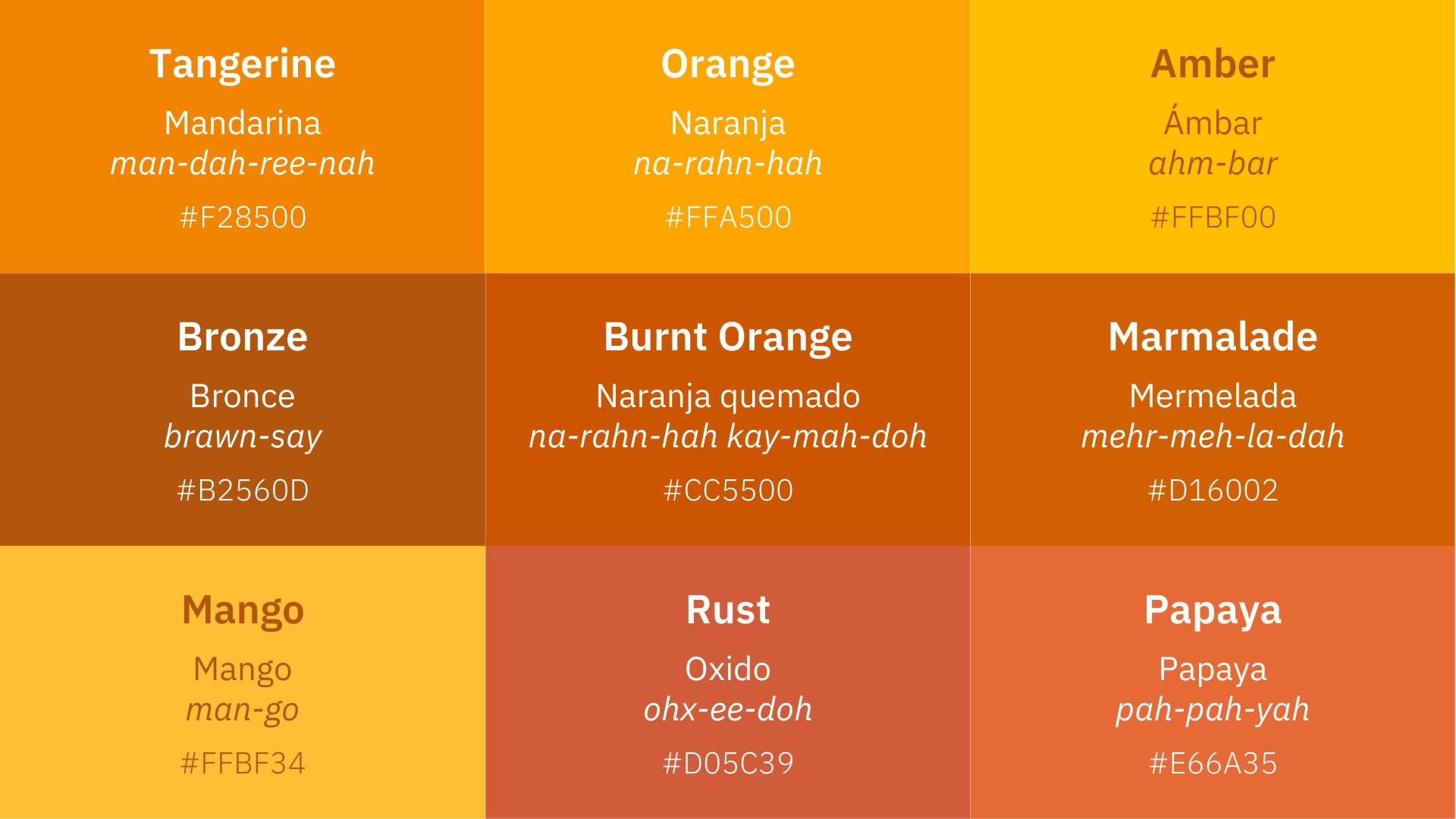
Start with “na” which sounds like “nah”. Next, say “ran” as “rahn” with a soft ‘r’. End with “ja” which sounds like “ha”. Put it all together: nah-rahn-ha.
Remember, the ‘j’ in Spanish sounds like the English ‘h’. Try to keep it soft, not harsh.
How To Pronounce “anaranjado”
Break it down into four parts: “a-na-ran-ja-do”.
- a sounds like “ah”.
- na sounds like “nah”.
- ran sounds like “rahn” with a soft ‘r’.
- ja sounds like “ha”.
- do sounds like “doh”.
Say it slowly: ah-nah-rahn-ha-doh. The key is the soft ‘r’ and the ‘j’ as ‘h’.
Tips For Practicing Spanish Sounds
Repeat the words aloud several times. Record yourself and listen to your pronunciation. Compare it with native speakers online.
Focus on the soft ‘r’ sound. It is different from English and may take time to master.
Use a mirror to watch your mouth movements. This helps with the ‘j’ sound and vowel clarity.
Regional Variations In Spanish
Spanish is spoken in many countries, each with unique expressions. Regional differences affect vocabulary, pronunciation, and usage. The word for the color orange shows these interesting variations. Understanding these differences helps in clear communication.
Spain: Naranja And Anaranjado
In Spain, “naranja” is the common word for orange. It means both the fruit and the color. People also use “anaranjado” to describe something that is orange-colored. “Anaranjado” often appears in formal or descriptive contexts.
Mexico: Preference For Naranja
Mexicans usually say “naranja” for the color orange. This word is simple and widely understood. “Anaranjado” is less common but still used in some situations. Generally, “naranja” covers both fruit and color.
Argentina And Chile: Similar Usage
In Argentina and Chile, “naranja” is the main term for the color. People understand “anaranjado” but use it less often. The focus stays on “naranja” for everyday conversation.
Caribbean Countries: Unique Expressions
In Caribbean Spanish-speaking countries, “naranja” is standard. Some local slang or expressions may change the way people refer to colors. Still, “naranja” remains clear and common for the color orange.

Credit: www.wikihow.life
Using Orange In Everyday Speech
Using the color orange in everyday Spanish speech is simple and fun. The word “naranja” is the most common term for orange. It refers to both the color and the fruit. This dual meaning makes it easy to remember and use in daily conversations.
For a more specific description of the color, Spanish speakers use “anaranjado.” This word focuses only on the color and is often used to describe objects or clothing. Knowing both words helps you sound natural and clear.
Using “naranja” In Daily Conversations
People use “naranja” to talk about the fruit and the color casually. For example, you can say, “Me gusta el color naranja” which means “I like the color orange.” This word is simple and widely understood.
Describing Objects With “anaranjado”
“Anaranjado” is an adjective. Use it to describe things like clothes, flowers, or walls. For example, “La camisa es anaranjada” means “The shirt is orange.” It helps to be more precise.
Common Phrases With Orange Colors
Spanish speakers often combine these words in everyday phrases. “El jugo de naranja” means “orange juice,” using the fruit meaning. “Las hojas anaranjadas” means “the orange leaves,” describing color. These phrases appear in daily talk and writing.
Frequently Asked Questions
What Color Is Orange In Spanish?
The color orange in Spanish is “naranja” or “anaranjado. ” “Naranja” refers to both the fruit and color. “Anaranjado” specifically describes the color, used as an adjective. Both terms are common, but “anaranjado” suits formal contexts better.
How Do Mexicans Say The Color Orange?
Mexicans say the color orange as “naranja” or “anaranjado. ” “Naranja” means both fruit and color. “Anaranjado” specifically describes the color.
What’s The Difference Between Anaranjado And Naranja?
Naranja means both the orange fruit and color. Anaranjado only describes the color, often used as an adjective.
Why Are There Two Words For Orange In Spanish?
Spanish uses two words for orange because “naranja” refers to both the fruit and color, while “anaranjado” specifically describes the color. “Anaranjado” acts as an adjective, often preferred in formal contexts to describe orange hues clearly.
What Is The Spanish Word For The Color Orange?
The Spanish word for orange is “naranja” or “anaranjado. “
How Do You Use “naranja” In Spanish?
“Naranja” refers to both the color and the fruit in Spanish.
When Should I Use “anaranjado” Instead Of “naranja”?
Use “anaranjado” specifically to describe the orange color as an adjective.
Can “naranja” Mean Something Other Than The Color?
Yes, “naranja” also means the orange fruit in Spanish.
How Do You Say “orange Flowers” In Spanish?
You say “flores anaranjadas” to mean orange flowers.
Is “anaranjado” Common In Everyday Spanish?
Yes, but “naranja” is more commonly used in casual speech.
Conclusion
Now you know the Spanish words for orange: “naranja” and “anaranjado. ” Use “naranja” for both the fruit and the color in daily talk. Choose “anaranjado” when you want to describe the color clearly and formally. Practice these words often to remember them well.
Soon, saying orange in Spanish will feel natural. Keep exploring Spanish colors to grow your vocabulary. Simple steps make learning fun and effective. Keep practicing, and enjoy your language journey!