Have you ever found yourself wondering how to say the color orange in Spanish? Whether you’re learning the language, traveling, or just curious, knowing the right word can make a big difference.
In Spanish, there isn’t just one way to say orange—you’ll discover two main words, each with its own unique use and meaning. By the end of this article, you’ll confidently know when to use each term and even pick up some interesting cultural insights.
Ready to add a vibrant new word to your Spanish vocabulary? Let’s dive in and uncover the colorful world of “orange” in Spanish!
Spanish Words For Orange
The Spanish language has two main words for the color orange. These words are “naranja” and “anaranjado.”
Both words are common but have different uses. Understanding their difference helps in speaking Spanish clearly.
What Does “naranja” Mean?
“Naranja” is the word for both the fruit and the color. It is the most common word used in daily conversation.
For example, you can say: El color naranja, which means “the color orange.”
What About “anaranjado”?
“Anaranjado” describes the color orange only. It does not refer to the fruit.
This word is often used as an adjective. For example: Las flores son anaranjadas means “the flowers are orange.”
When To Use Each Word?
Use “naranja” when talking about the fruit or the color informally.
Use “anaranjado” when describing the color in a detailed or formal way.
For example: María escogió el color anaranjado como su favorito means “Maria chose the color orange as her favorite.”
Naranja: Fruit And Color
The Spanish word naranja is special. It means both the fruit and the color orange. This makes learning Spanish fun and a bit tricky. You can say “naranja” to talk about the sweet fruit or the bright color. Context helps to know which one is meant.
When you hear someone say “naranja,” they might be talking about the fruit you eat. Or they could be describing something orange in color. This double meaning is common in Spanish.
What Does Naranja Mean?
Naranja is a noun for the orange fruit. It is also the name of the color. The word comes from the Arabic word for orange. It entered Spanish long ago. Today, it is a familiar word for Spanish speakers.
Using Naranja For The Fruit
You say naranja when talking about the fruit. For example, “Me gusta la naranja” means “I like the orange.” It is a common fruit in many Spanish-speaking countries. People enjoy its sweet juice and fresh taste.
Using Naranja For The Color
To describe the color orange, you can also use naranja. For example, “La casa es naranja” means “The house is orange.” This use is very natural and simple. It helps learners connect the fruit and the color easily.
Anaranjado: Color Specific
The Spanish word anaranjado refers specifically to the color orange. It describes things that have an orange hue. Unlike naranja, which can mean both the fruit and the color, anaranjado is only about color.
This makes anaranjado useful when you want to be clear about color. It works well as an adjective to describe objects, clothes, or nature. People often choose this word in formal or detailed descriptions.
Meaning Of Anaranjado
Anaranjado translates to “orangish” or “orange-colored.” It emphasizes the shade rather than the fruit. For example, you can say las flores son anaranjadas to mean “the flowers are orange.”
Usage In Sentences
This word fits well when describing colors in everyday speech. For example, María escogió el color anaranjado como su favorito means “Maria chose the color orange as her favorite.” It helps avoid confusion with the fruit.
Difference Between Naranja And Anaranjado
Naranja can mean both the fruit and the color. Anaranjado is only about color. Use anaranjado when you want to be precise about color. Use naranja when talking about the fruit or casually about the color.
When To Use Naranja
Naranja is used to name both the orange fruit and the color orange in Spanish. Anaranjado describes only the color and often appears in formal or descriptive contexts. Choose naranja for general use and anaranjado to specify the color itself.
Understanding The Use Of Naranja
The word naranja in Spanish means both the fruit and the color orange. It is the most common way to say “orange” in everyday conversations.
People use naranja when talking about the color in simple, casual situations. For example, you might say, “El color naranja es brillante” (The color orange is bright).
Using Naranja With Objects And Clothes
Use naranja to describe things that are clearly orange. This includes clothes, fruits, or items that have a pure orange color.
For example, “Tengo una camiseta naranja” means “I have an orange t-shirt.” This is clear and easy to understand.
Naranja In Everyday Language
Naranja fits well in daily speech and writing. It sounds natural to native speakers and is easy to remember.
You will hear it often in markets, schools, and homes when people talk about the fruit or the color.
When To Use Anaranjado
The word anaranjado is used specifically to describe the color orange in Spanish. It focuses on the color rather than the fruit. This makes it clear when talking about colors in different contexts.
People use anaranjado mainly when describing objects, clothes, or anything that has an orange shade. It works well as an adjective and agrees with the noun it modifies.
Using Anaranjado To Describe Objects
Use anaranjado when talking about things like flowers, cars, or walls. For example, Las flores son anaranjadas means “The flowers are orange.” This shows the color clearly.
Anaranjado In Formal Contexts
Anaranjado fits better in formal or written Spanish. It sounds more precise than naranja when mentioning colors. It is common in art, design, and fashion descriptions.
Adjective Agreement With Anaranjado
The word changes to match the noun’s gender and number. For example, un coche anaranjado (a male noun, singular) and las casas anaranjadas (female plural). This helps keep sentences clear and correct.

Credit: www.wikihow.life
Regional Variations In Spanish
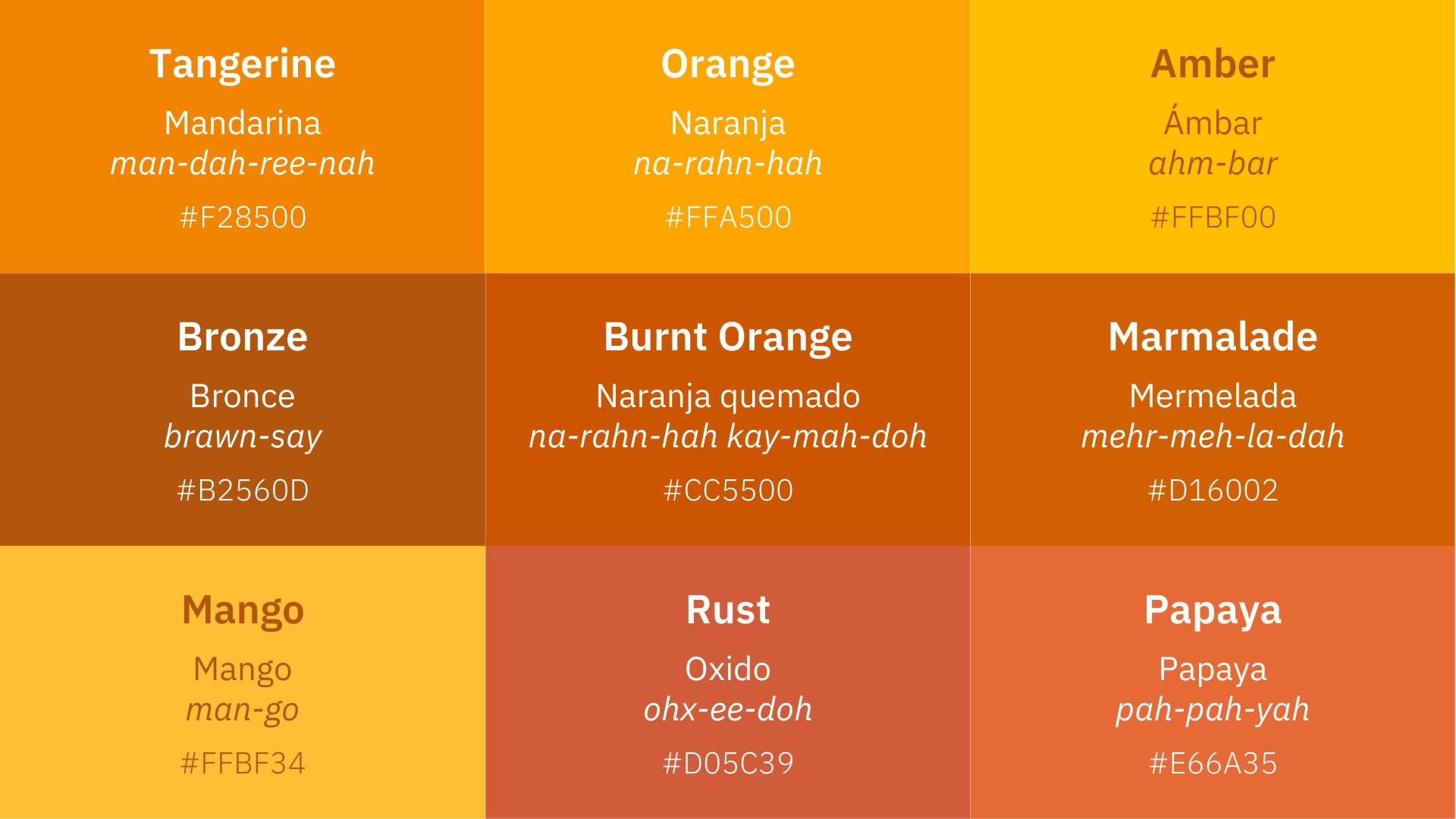
Spanish varies widely across different regions. These variations affect vocabulary, pronunciation, and sometimes grammar. The word for the color orange is no exception. Understanding regional differences helps learners speak more naturally. It also enriches cultural knowledge.
Orange In Spain
In Spain, “naranja” is the common word. It refers to both the fruit and the color. People also use “anaranjado” to describe something orange-colored. However, “naranja” remains more popular in daily speech.
Orange In Latin America
Most Latin American countries use “naranja” for both fruit and color. “Anaranjado” is less common but understood. Some regions may prefer one term over the other depending on context.
Unique Regional Expressions
Some areas add local flavor to the word. For example, in parts of Mexico, people might say “color naranja” to emphasize the color. In other places, “anaranjado” is used more often for artistic or formal descriptions.
Puerto Rican Terms For Orange
Puerto Rico has its own unique way of saying the color orange. The island’s culture blends Spanish with local expressions. This gives rise to special terms that differ slightly from standard Spanish.
Understanding Puerto Rican terms for orange helps you connect better with locals. It also enriches your knowledge of regional Spanish variations.
Common Puerto Rican Word For Orange
The most common term used in Puerto Rico is “naranja”. This word means both the fruit and the color. Puerto Ricans use it just like in general Spanish.
Use Of “anaranjado” In Puerto Rico
Puerto Ricans also use “anaranjado” to describe orange color. This word is more specific to the color only. It often appears in formal or artistic contexts.
Unique Puerto Rican Expressions
Some locals may say “color de naranja” which means “color of orange.” This phrase emphasizes the shade rather than naming it directly. It is popular in everyday speech.
Orange In Puerto Rican Culture
Orange is a lively, warm color in Puerto Rico. It appears in art, clothing, and festivals. The local language reflects this vibrancy through its terms.
Credit: www.berlitz.com
Examples Of Orange In Sentences
Using the color orange in sentences helps you learn how to say it in Spanish. It shows how to use “naranja” and “anaranjado” naturally. You will see how these words fit in everyday speech.
These examples are simple and clear. They help you understand the difference between the two words. Practice them to improve your Spanish skills.
Example Sentences With “naranja”
La fruta naranja es muy dulce. (The orange fruit is very sweet.)
Me gusta el color naranja para mi camiseta. (I like the orange color for my shirt.)
El jugo de naranja está en la mesa. (The orange juice is on the table.)
Example Sentences With “anaranjado”
Las hojas están anaranjadas en otoño. (The leaves are orange in autumn.)
Compré una chaqueta anaranjada para el invierno. (I bought an orange jacket for winter.)
Su coche es anaranjado y muy brillante. (His car is orange and very bright.)
Using “naranja” For Both Fruit And Color
El color naranja es brillante y alegre. (The orange color is bright and cheerful.)
Ella comió una naranja después del almuerzo. (She ate an orange after lunch.)
Prefiero la naranja al jugo de manzana. (I prefer orange juice over apple juice.)
Pronunciation Tips
Pronouncing the Spanish word for the color orange can be simple with the right tips. Focus on clear sounds and practice slowly. This helps improve your accent and makes you easier to understand.
Break Down The Word “naranja”
Split “naranja” into syllables: na-ran-ja. Say each part slowly. Notice the soft “j” sound, like the English “h.” This is key for correct pronunciation.
Focus On The “j” Sound
The letter “j” in Spanish sounds like a soft “h.” Practice by saying words like “jalapeño” or “jugo.” This helps you get used to the sound in “naranja.”
Practice The Rhythm
Spanish has a smooth, even rhythm. Stress the second syllable: na-RAN-ja. Keep your voice steady and relaxed. This makes your speech sound natural.
Use Simple Sentences
Try sentences like “El color naranja es bonito.” Repeat them aloud. This builds confidence and improves your flow in speaking.
Common Mistakes To Avoid
Learning how to say the color orange in Spanish is simple. Still, some common mistakes can confuse learners. Avoiding these errors helps you speak clearly and correctly. Focus on the right words and their uses.
Confusing “naranja” With “anaranjado”
“Naranja” means both the fruit and the color. “Anaranjado” only means the color. Use “naranja” when talking about the fruit or the color casually. Use “anaranjado” to describe the color more precisely or formally.
Using The Wrong Gender Or Number
Colors must match the gender and number of the noun. For example, say “flores anaranjadas” (orange flowers) for plural feminine. Say “zapato naranja” (orange shoe) for singular masculine. Changing endings is important.
Overusing “color” Before Orange
In Spanish, you do not always need to say “color” before orange. Saying “la camisa es naranja” (the shirt is orange) is correct. Avoid saying “el color naranja” every time. Use it only when emphasizing the color itself.
Pronunciation Mistakes
Pronounce “naranja” as /naˈɾan.xa/. The “j” sounds like an English “h.” Avoid pronouncing it like “naran-ja.” Practicing the correct sound helps others understand you.

Credit: blog.rosettastone.com
Frequently Asked Questions
What Color Is Orange In Spanish?
The color orange in Spanish is “naranja” or “anaranjado. ” “Naranja” refers to both the fruit and color. “Anaranjado” specifically describes the color. Both terms are commonly used in everyday language.
How Do Mexicans Say The Color Orange?
Mexicans say the color orange as “naranja” or “anaranjado. ” “Naranja” refers to both fruit and color. “Anaranjado” specifically describes the color. Both terms are commonly used in everyday language.
Why Are There Two Words For Orange In Spanish?
Spanish has two words for orange because “naranja” means both fruit and color, while “anaranjado” specifically describes the color. “Anaranjado” often appears in formal contexts to clarify the color, avoiding confusion with the fruit. Both terms remain common in everyday use.
How Do Puerto Ricans Say Orange In Spanish?
Puerto Ricans say the orange fruit “china” and the color “chinita” in Spanish. “Naranja” is also understood but less common locally.
What Is The Spanish Word For The Color Orange?
The main Spanish word for orange is “naranja,” which means both the color and the fruit.
Are There Other Spanish Words For Orange Color?
Yes, “anaranjado” is another word used specifically to describe the orange color.
How Do You Use “naranja” In A Sentence?
Example: “El color naranja es brillante” means “The color orange is bright. “
When Should You Use “anaranjado” Instead Of “naranja”?
Use “anaranjado” when you want to clearly describe the color, not the fruit.
Can “naranja” Mean Both Fruit And Color?
Yes, “naranja” means both the orange fruit and the color orange in Spanish.
Is “anaranjado” An Adjective Or Noun?
“Anaranjado” is an adjective used to describe something that is orange in color.
Conclusion
Now you know that “orange” in Spanish can be either “naranja” or “anaranjado. ” Use “naranja” when talking about the fruit or the color in casual speech. Choose “anaranjado” to describe the color more specifically, especially in formal settings. Both words are common and easy to remember.
Practicing these will help you speak more naturally in Spanish. Keep exploring colors to build your vocabulary step by step. Speaking Spanish becomes simpler with small, steady learning.