Have you ever wondered how to make the color white? It might surprise you that white isn’t just another paint you grab from the store.
Whether you’re mixing paints, working with lights, or creating digital designs, understanding how white is formed can completely change the way you approach your projects. You’ll discover the secrets behind making white, the difference between mixing light and pigments, and practical tips you can use right now.
By the end, you’ll know exactly how to bring pure, bright white into your work—so keep reading to unlock this colorful mystery!
Color Mixing Basics
Understanding color mixing basics is essential for creating colors accurately. Color mixing involves combining different colors to produce new shades. The process depends on the type of colors used and their properties.
Colors mix differently in light and paint. Light uses additive mixing, while paint uses subtractive mixing. Knowing these differences helps in making colors like white.
What Is Additive Color Mixing?
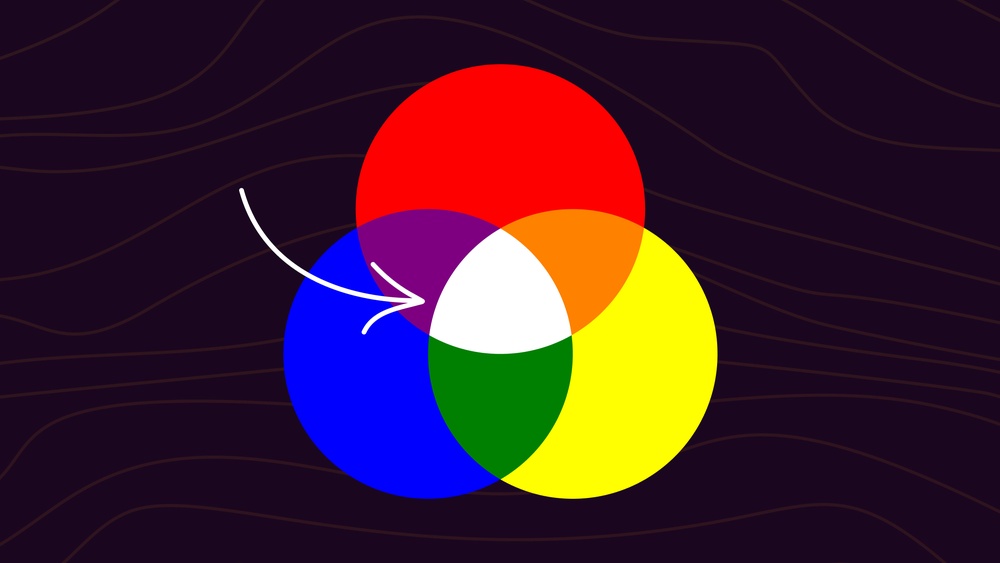
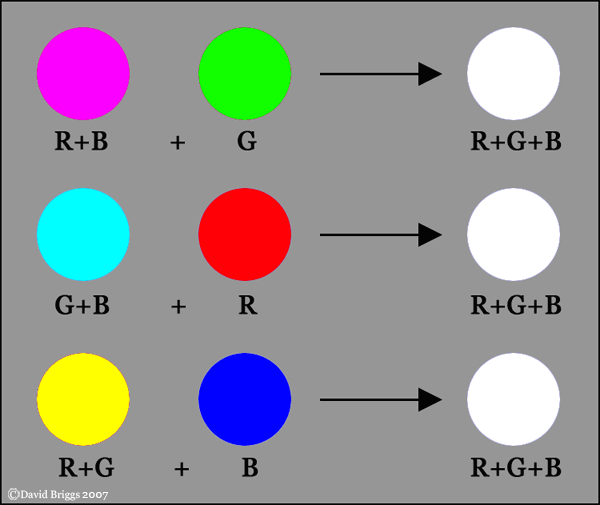
Additive color mixing happens with light. It uses red, green, and blue as primary colors. When combined at full strength, they create white light. This process is how screens and projectors display colors.
Adding all three colors of light together makes pure white. Removing one or more colors changes the light’s color. This method is different from mixing paint colors.
What Is Subtractive Color Mixing?
Subtractive mixing applies to paints, inks, or dyes. The primary colors here are cyan, magenta, and yellow. Mixing these colors absorbs light and changes the color you see.
Unlike light, mixing all subtractive colors leads to black or dark brown. This is because the colors absorb most light. Creating white paint from other colors is not possible with subtractive mixing.
Why Can’t You Make White By Mixing Paints?
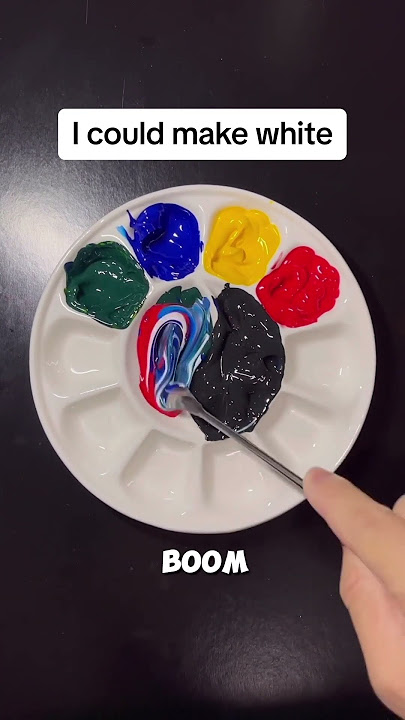
White paint reflects all colors of light equally. Mixing colored paints absorbs light, reducing brightness. This makes the result darker, never white.
White paint is made from pigments that reflect light fully. You need pure white pigment for white paint. Mixing colors cannot replace this pigment.
Additive Color Mixing
Additive color mixing is a process that creates white by combining different colors of light. Unlike mixing paints, this method uses light sources. When colors of light overlap, they add up to form new colors. This process is essential in screens, lighting, and digital displays.
Light And Rgb
Light comes in many colors. The primary colors of light are red, green, and blue. These are known as RGB. Each color has a different wavelength. By mixing these three colors in various ways, you can create many colors, including white. RGB is the basis for most electronic displays.
Creating White Light
White light appears when red, green, and blue lights combine equally. Each light adds to the brightness. The mix of all three at full strength looks white to the human eye. This is why screens use RGB pixels to show white and other colors. Additive mixing shows how light works differently from paint.
Subtractive Color Mixing
Subtractive color mixing happens when pigments or dyes combine to create new colors. This method works by absorbing certain wavelengths of light and reflecting others. The colors you see are the reflected wavelengths. Unlike light mixing, subtractive mixing uses physical substances like paint or ink. It is the main way artists and printers create a wide range of colors.
In subtractive mixing, combining different pigments usually darkens the color. Adding all primary pigments together does not make white. Instead, it tends to produce black or a muddy color. This is because pigments absorb light instead of emitting it. Therefore, making white by mixing pigments is very different from mixing light.
Pigments And Paints
Pigments are tiny particles that give paint its color. They work by absorbing some colors of light and reflecting others. Paints mix pigments with a liquid base to spread easily. When you blend paints, the pigments combine their light absorption. This changes the color you see on the surface.
Primary pigments in paint are cyan, magenta, and yellow. Mixing these can create many colors but never pure white. White paint is not a mix but a special pigment that reflects almost all light. It does not absorb much, so it looks bright and clean.
Why White Paint Is Unique
White paint stands out because it contains pigments that reflect most light. It does not rely on mixing colors to appear white. Instead, it uses materials like titanium dioxide that scatter light strongly. This creates the bright white color we see.
In subtractive mixing, white cannot be made by combining other paints. Mixing colored pigments always reduces light reflection. White paint keeps surfaces looking clean and bright. It also helps lighten other colors when mixed carefully.
Common Misconceptions
Many people have wrong ideas about making the color white. These misconceptions can cause confusion in art and design. Understanding the truth helps you work better with colors and materials.
White Can Be Made By Mixing Paints
Many believe mixing paints creates white color. This is not true. Paint mixing follows subtractive color theory. Combining colors usually makes darker shades, not white. White paint is made with pigments that reflect all light.
White Is Just The Absence Of Color
Some think white means no color at all. White is actually a color that reflects all visible light. It is bright and pure. Black is the absence of light, but white has all colors combined in light form.
All Whites Are The Same
People often assume every white looks the same. Whites vary a lot depending on their base and pigments. Some whites have cool blue tones. Others have warm yellow or red undertones. Choose white carefully to match your project.
White Can Be Created By Light Mixing Alone
Many believe mixing colored lights can produce white. This is true only with light, not with paint. Red, green, and blue light combined make white light. This does not apply to physical paints or inks.
Using White Paint Effectively
Using white paint effectively requires understanding its unique qualities and how it interacts with light and surrounding colors. White paint can brighten a room and create a clean, fresh look. It also makes small spaces appear larger and more open.
Choosing the right type of white paint is important. Different whites have various undertones like blue, yellow, or pink. These undertones affect the mood and feel of a space. Testing paint samples on your walls helps find the perfect white for your room.
Choosing The Right White Paint
Not all whites are the same. Some are warm, while others are cool. Warm whites have a yellow or red tint. Cool whites lean toward blue or gray. Pick a white that matches your room’s lighting and style.
Preparing Surfaces Before Painting
Clean and smooth surfaces improve white paint’s finish. Remove dirt, grease, and old paint flakes. Sand rough areas for a flat surface. This preparation helps the paint stick better and look even.
Applying White Paint For Best Results
Use quality brushes or rollers for smooth application. Apply paint in thin, even coats. Let each coat dry fully before adding the next. This prevents streaks and uneven color.
Combining White Paint With Other Colors
White paint pairs well with many colors. Use it as a base to highlight brighter shades. It balances bold colors and softens dark tones. This creates a balanced and inviting space.
Credit: www.huevaluechroma.com
Mixing Tints And Shades
Mixing tints and shades is a simple way to change colors. It helps to create lighter or darker versions of a color. This process is useful when you want to adjust a color without changing its basic tone. Learning how to mix tints and shades improves your control over color creation.
Adding White To Colors
Adding white to a color creates a tint. It lightens the color and makes it softer. For example, mixing white with red makes pink. The more white you add, the lighter the tint becomes. This method is key to making colors appear brighter and more pastel-like.
Maintaining Color Balance
Keeping the right balance of colors is important. Too much white can wash out the color, making it dull. Add white slowly and test the color as you mix. This helps keep the color vibrant while creating the desired lightness. A balanced mix looks natural and pleasing to the eye.
Creating Off-white Shades
Creating off-white shades adds depth and warmth to plain white. Off-whites are subtle colors that mix white with tiny amounts of other hues. These shades soften the starkness of pure white. They suit many styles and rooms, enhancing the overall feel with gentle tones. Understanding warm and cool off-whites helps you choose the right shade for your space.
Warm Off-whites
Warm off-whites carry hints of yellow, beige, or peach. They create a cozy, inviting atmosphere. These shades work well in living rooms and bedrooms. They pair nicely with wooden furniture and natural fabrics. Warm off-whites make spaces feel bright but not cold. Use them to add a soft glow without overwhelming the room.
Cool Off-whites
Cool off-whites have subtle blue, gray, or green undertones. They offer a calm, clean look that feels fresh. These shades fit modern or minimalist designs perfectly. Cool off-whites brighten spaces without warmth. They complement metal, glass, and cool-toned decor. Use cool off-whites for airy rooms and sleek interiors.
White In Digital Design
White is a key color in digital design. It creates space and clarity. Designers use white to make content easy to read. It helps balance other colors on the screen.
White also gives a clean and fresh look. It can make websites and apps feel modern and simple. Using white wisely improves user experience and focus.
How White Is Created On Screens
White on screens comes from light. Digital devices use red, green, and blue light. When these lights combine at full brightness, they create white. This is called additive color mixing.
Each pixel blends these colors to show white. This method differs from mixing paints. Paints absorb light, but screens emit light.
The Role Of White In Layout And Space
White space is the empty area around elements. It helps separate text, images, and buttons. This space makes designs easier to scan and understand.
Good use of white space prevents a cluttered look. It improves readability and guides the viewer’s eye. White space makes designs feel open and calm.
White And Contrast In Digital Design
White often pairs with dark colors for strong contrast. This contrast boosts legibility and draws attention. Text on a white background is simple to read.
Designers use white to highlight important parts. Bright white can make colors pop and create visual interest. Contrast with white improves navigation and usability.
Common White Color Combinations
White is a versatile color that pairs well with many shades. Combining white with other colors creates balance and style. Choosing the right color combinations enhances white’s brightness and purity. Common white color combinations suit various spaces and moods. These combinations help you design with ease and confidence.
Pairing With Neutrals
White blends smoothly with neutral tones like beige, gray, and taupe. These colors create calm, clean, and timeless looks. Use soft grays with white for a modern, elegant feel. Beige tones add warmth and coziness to white spaces. Neutral pairings keep rooms bright without feeling cold or stark.
Using Bold Accents
Adding bold colors to white creates strong visual interest. Bright reds, blues, or greens stand out sharply against white. This combination energizes rooms and draws attention to key areas. Use bold accents in pillows, art, or furniture for instant style. White acts as a perfect backdrop to highlight vivid colors.
Credit: www.youtube.com
Tips For Perfect White Shades
Getting the perfect white shade can be tricky. White is not just one color. It has many tones and hues. These tips help create clean, bright white shades for any project. Simple steps make a big difference.
Use the right materials and tools. Choose quality white paint or pigments. Check the base color before mixing. Some whites have a blue or yellow base. This affects the final shade.
Choose A Pure Base
Start with a pure white base. Avoid off-white or cream bases. Pure white shows colors clearly. It gives a fresh, clean look. This helps in mixing other shades accurately.
Control Lighting Conditions
Light changes how white looks. Natural light shows true white best. Avoid dim or colored lighting. Test your white color in different lights. This ensures it looks right everywhere.
Use Small Amounts Of Tint
Add tiny amounts of color to adjust white. Too much tint changes white to off-white. Use a dropper or small brush for control. Mix slowly and check often. This helps keep the perfect white shade.
Test On Different Surfaces
White looks different on various surfaces. Paint a small test patch first. Check texture and absorbency effects. Adjust the mix if needed. This avoids surprises on the final surface.
Keep Colors Balanced
Balance warm and cool tones in white. A little blue or green cools white. Yellow or red warms it. Find the right mix for your space or artwork. Balanced white is easy on the eyes.

Credit: www.celebratingcolor.com
Frequently Asked Questions
What Colors Turn White?
Combining red, green, and blue light creates white through additive mixing. Paints or pigments cannot produce white by mixing colors.
What Color Combination For White?
White pairs well with gray for a modern look, blue for calmness, or pastels for softness. Bright colors create contrast.
What 7 Colors Make White?
White light combines seven colors: red, orange, yellow, green, blue, indigo, and violet. These form the visible spectrum.
Do Red, Blue, And Green Make White?
Yes, mixing red, blue, and green light creates white through additive color mixing. Paint pigments do not create white when mixed.
What Colors Combine To Make White Light?
White light is made by mixing red, green, and blue light in equal parts.
Can White Color Be Made By Mixing Paints?
No, white paint cannot be made by mixing other paint colors.
Why Can’t White Be Created By Mixing Pigments?
Mixing pigments usually darkens the color, so white cannot be formed this way.
How Is White Color Produced In Digital Screens?
Digital screens mix red, green, and blue light pixels to create white color.
What Is The Difference Between Additive And Subtractive Color Mixing?
Additive mixing uses light colors (RGB), subtractive uses pigments (CMY); white is made only in additive.
Can Combining All Rainbow Colors Create White?
Yes, combining all colors of light creates white, but not with paint.
Conclusion
White is a unique color that cannot be made by mixing paints. It appears when all light colors combine together. You can create white light by mixing red, green, and blue lights. Understanding the difference between light and paint mixing helps.
Use white paint directly for clear white color. Now, you know how to achieve white in different ways. Experiment with light for creative effects. Keep practicing to see the best results. White adds brightness and balance to any design or art.