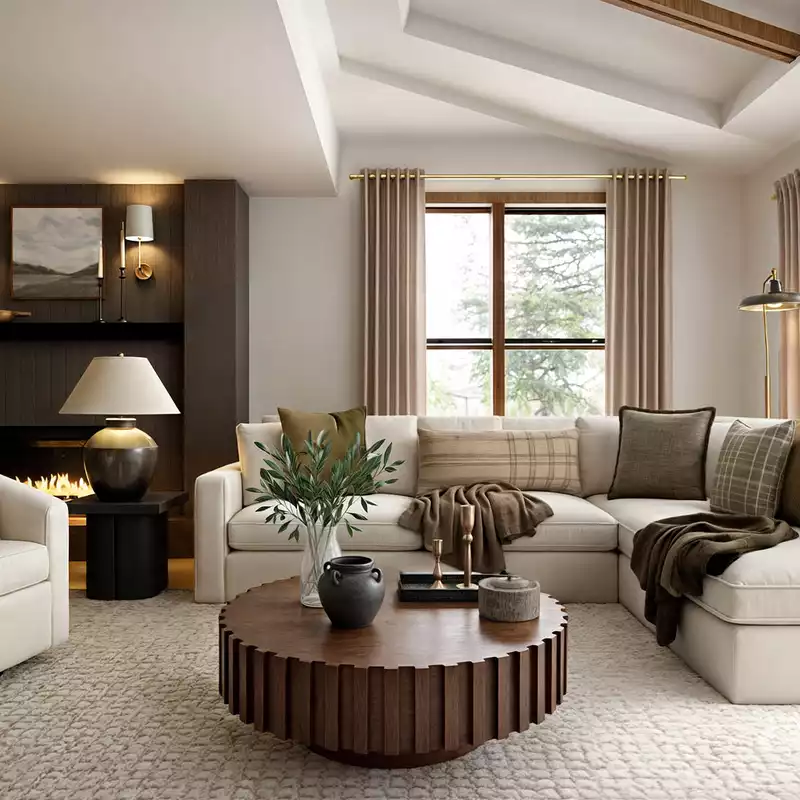
Are you ready to transform your living space into a stylish haven? Whether you’re looking to refresh a single room or revamp your entire home, the right interior design ideas can make all the difference.
Imagine walking into a space that not only reflects your personality but also feels inviting and comfortable. You deserve a home that you love, and with a few clever design tips, that dream can become a reality. We’ll explore a range of creative and practical interior design ideas that cater to every taste and budget.
From maximizing small spaces to choosing the perfect color palette, you’ll find inspiration that speaks to you. Plus, we’ll share expert insights to help you avoid common pitfalls and make your design journey enjoyable. So, grab a cup of coffee, and let’s dive into the world of interior design. Your perfect space awaits!
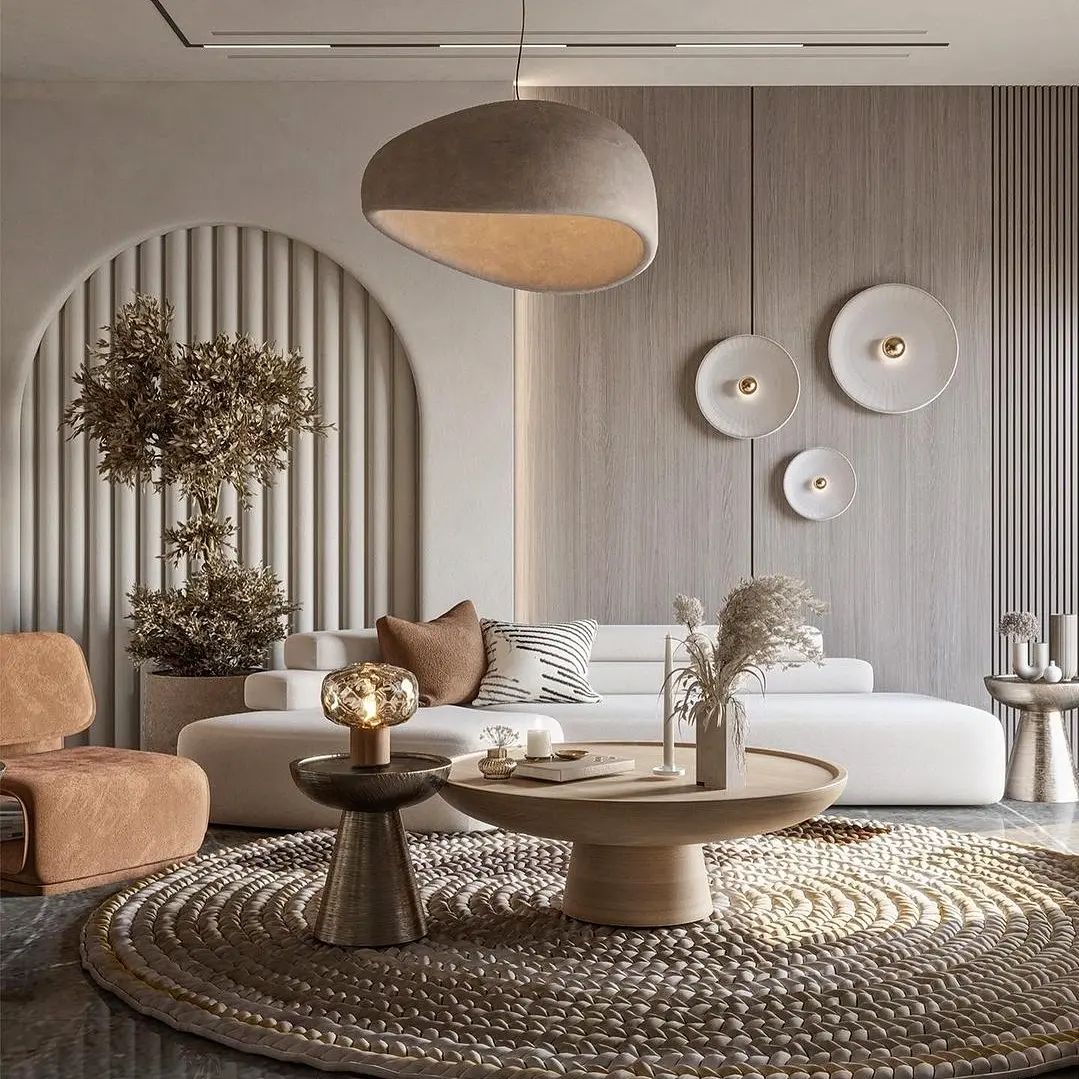
Credit: edwardgeorgelondon.com
Maximizing Small Spaces
Small spaces can feel cramped, but clever interior design can make them feel larger and more inviting. Use multi-functional furniture to save space and add storage solutions to keep clutter at bay. Bright colors and mirrors can also enhance the sense of openness in your home.
Maximizing small spaces can feel like a daunting task, but it also presents a unique opportunity for creativity and innovation. With the right design strategies, you can transform a compact area into a functional and stylish haven. Whether you’re living in a studio apartment or a cozy home, these ideas will help you make the most of every square inch.Smart Storage Solutions
Finding places to store your belongings is essential in a small space. Consider using vertical storage options, such as tall bookshelves or wall-mounted cabinets.– Under-bed storage can also save space. Use boxes or bins to hide away seasonal clothes and extra linens.– Utilize hooks and shelves to keep items off the floor. This not only keeps your space organized but also creates an illusion of more room.I remember when I first moved into my small apartment, I struggled with clutter. After adding some floating shelves in the living room, I could display my favorite books and plants without sacrificing floor space. It made a world of difference.Multi-functional Furniture
Furniture that serves more than one purpose is your best friend in a small space. Look for sofas that convert into beds or coffee tables with hidden storage.– Ottomans can double as seating and storage.– Consider a dining table that collapses when not in use.Think about how you can make every piece of furniture work harder for you. I found a great dining table that expands for guests, but folds down to create more room when it’s just me. It’s a simple solution that really enhances my living space.Using Mirrors For Depth
Mirrors can create an illusion of space and brightness. Placing a large mirror on one wall can reflect light and make the room feel larger.– Try to position mirrors across from windows to maximize natural light.– Smaller mirrors can be grouped to add a decorative touch while enhancing the sense of depth.Have you ever walked into a room and felt instantly more spacious? That’s the power of mirrors. I added a couple of round mirrors to my hallway, and it completely transformed how I perceive the space. It feels open and inviting now.Maximizing small spaces doesn’t have to be a challenge. With smart storage solutions, multi-functional furniture, and strategic use of mirrors, you can create a cozy yet spacious atmosphere. How will you start transforming your space today?Color Palette Inspiration
Choosing the right color palette can transform your space, breathing life and character into your home. It’s not just about selecting colors you love; it’s about creating a cohesive environment that reflects your personality and style. Let’s dive into some inspiring color palette ideas that will elevate your interior design game.
Bold And Vibrant Choices
If you crave energy and excitement, bold colors are your best friend. Shades like deep teal, bright coral, and sunny yellow can create a lively atmosphere. Think about how a vibrant accent wall can become the focal point of your living room.
When I painted my study a striking blue, it instantly transformed the space. The color sparked creativity and made every work session more enjoyable. Are you ready to take the plunge and add some bold colors to your home?
- Consider using bold colors in smaller rooms to prevent overwhelming the space.
- Pair bold colors with neutral furniture to balance the intensity.
- Accessorize with colorful art pieces or cushions to tie the room together.
Neutral Tones For Serenity
Neutral tones create a calm and inviting space, perfect for relaxation. Shades of beige, soft gray, and warm white can make your home feel serene. They also provide a versatile backdrop for any style of decor.
After switching to a neutral palette in my bedroom, I noticed how peaceful it felt. The calming hues helped me unwind after a long day. What neutral shades would make your space feel more tranquil?
- Use light neutrals to make smaller rooms appear larger.
- Mix different neutral shades for depth and texture.
- Add natural elements, like wood or plants, to warm up the space.
Accent Colors For Contrast
Accent colors can add depth and interest to your home. A pop of color, like a vibrant orange or a rich emerald green, can enhance your neutral base. Think about how a few carefully placed accessories can make a significant impact.
When I added bright throw pillows to my otherwise neutral sofa, the entire room felt alive. The contrast brought focus and excitement to the space. How can you use accent colors to liven up your home?
- Choose one or two accent colors to maintain harmony.
- Use accent colors in artwork or decorative items for easy updates.
- Consider painting smaller furniture pieces in your chosen accent color.
Your color choices can dramatically change the vibe of your space. Whether you opt for bold, neutral, or accented colors, what matters most is how those colors make you feel. So, what palette inspires you to create a home you love?
Lighting That Transforms
Transform your space with smart lighting choices. Unique fixtures and creative placements can enhance the mood and style of any room. Explore various interior design ideas that incorporate lighting to create warm, inviting atmospheres.
Lighting plays a crucial role in interior design, often serving as the unsung hero that can dramatically alter the ambiance of any space. The right lighting not only enhances the aesthetic appeal but also impacts your mood and functionality. From cozy corners to vibrant gatherings, the way you light your home can transform it completely. Let’s dive into some innovative lighting ideas that can elevate your interiors.Layered Lighting Techniques
Layering your lighting creates depth and dimension in any room. Start with ambient lighting, which provides overall illumination. Think ceiling fixtures or recessed lights that fill the space with a warm glow.Next, add task lighting for specific areas. Desk lamps and under-cabinet lights are perfect for kitchens or offices. Finally, include accent lighting to highlight artwork or architectural features.Consider using dimmers for flexibility. This way, you can adjust the brightness according to the time of day or mood. Have you tried layering different types of lighting in your home?Natural Light Enhancement
Natural light can make your space feel larger and more inviting. Use sheer curtains to allow sunlight while maintaining privacy. Mirrors are another fantastic tool; they reflect light and can make a small room feel more spacious.Don’t forget about color. Lighter wall hues can amplify the effects of natural light. If you have a room that lacks windows, consider adding skylights or light tubes to bring in more daylight. How does natural light influence your daily activities at home?Statement Lighting Fixtures
A bold lighting fixture can serve as the centerpiece of your room. Think oversized chandeliers or unique pendant lights that draw attention and spark conversation. These statement pieces can add character and a personal touch to your space.Try to match your lighting fixtures with your overall decor style. A modern light can clash with vintage furnishings, so find harmony in your choices. Lighting doesn’t just illuminate; it tells a story about your style. What story do you want your lighting to tell?Transform your space with these lighting ideas. Whether it’s layering, enhancing natural light, or making a bold statement, the right lighting can elevate your interior design. What lighting changes are you excited to make in your home?The Power Of Textures
The power of textures in interior design cannot be underestimated. Textures add depth and interest to your space, transforming it from ordinary to extraordinary. They create a sensory experience that engages both the eyes and touch, making your home feel inviting and warm.
Layering Materials For Warmth
Layering different materials is a great way to bring warmth into your home. Think about combining soft fabrics like velvet with sturdy materials like wood or metal. This contrast not only adds character but also creates a cozy atmosphere.
Imagine walking into a living room where a plush velvet sofa sits atop a rustic wooden floor. The interplay of textures instantly draws you in. You can achieve this look by mixing throw pillows, blankets, and rugs made from various materials.
Don’t be afraid to experiment with different textures in unexpected ways. A knitted throw can complement a leather chair beautifully. How can you mix materials in your own space to create a layered look?
Incorporating Natural Elements
Bringing the outdoors in can enhance your interior design and elevate your space. Natural elements like wood, stone, and plants introduce unique textures that breathe life into your rooms. They also promote a sense of calm and connection to nature.
Consider adding a stone accent wall or a wooden dining table to your home. You might find that a simple potted plant can add a burst of freshness and texture to any room. Have you thought about how natural elements can transform your space?
Balancing Soft And Hard Textures
A successful interior design often lies in the balance of soft and hard textures. Soft textures, such as fluffy pillows and rugs, create comfort. Meanwhile, hard textures like glass or metal add sophistication and modernity.
Picture a sleek glass coffee table paired with a soft, inviting area rug. The contrast creates a dynamic and visually appealing space. How do you currently balance textures in your home, and could you enhance that balance for greater impact?
Embrace the power of textures in your interior design. By layering materials, incorporating natural elements, and balancing soft and hard textures, you can create a space that feels both stylish and welcoming. What texture will you add next to elevate your home?
Furniture Arrangement Tips
Arranging furniture can change a room’s feel. It affects flow and functionality. Smart furniture placement enhances comfort and usability. Use these tips for effective furniture arrangement.
Creating Flow In Open Spaces
Open spaces need a smooth flow. Arrange furniture to guide movement. Place larger pieces first, then add smaller ones. Keep pathways clear for easy navigation. Use rugs to define areas without walls.
Zoning For Functionality
Divide spaces by function. Create zones for relaxation, work, or dining. Use furniture to separate areas without barriers. A sofa can act as a divider. Each zone should feel cohesive and inviting.
Focal Points In Room Design
A focal point draws attention. It can be a fireplace, artwork, or a window. Arrange furniture to highlight this feature. Seating should face the focal point. This creates an inviting atmosphere.
Wall Decor Ideas
Wall decor can transform your space, adding character and warmth to your home. The right wall art not only enhances the aesthetic but also reflects your personal style. Whether you’re a minimalist or a lover of bold colors, there are endless possibilities to explore.
Gallery Walls With Personality
Creating a gallery wall is one of the most exciting ways to showcase your personality. Mix and match different frame styles, colors, and sizes to create an eclectic look. Consider including:
- Your favorite family photos
- Artwork from local artists
- Unique finds from your travels
Remember to play with spacing. Leave some room between frames for a more casual vibe. This allows each piece to breathe and stand out.
Accent Wall Techniques
Accent walls can make a bold statement in any room. You can achieve this with paint, wallpaper, or even reclaimed wood. Choose a color that speaks to you and complements your furniture.
Stripes or geometric patterns can add visual interest and depth. If you’re feeling adventurous, try a textured wallpaper for a unique touch. Just imagine walking into a room that instantly grabs your attention!
Large-scale Art For Impact
If you’re looking for a show-stopping element, large-scale art is the way to go. A single oversized painting can serve as a focal point, drawing eyes and sparking conversation. Choose a piece that resonates with you—perhaps a landscape that reminds you of a favorite vacation.
Consider the placement carefully. An impactful piece deserves a prominent position, like above a sofa or a fireplace. You might be surprised at how one artwork can change the entire feel of a room.
What are your favorite wall decor ideas? Share your thoughts and inspire others to elevate their spaces!
Decorating With Accessories
Accessorizing your space can bring life to any room. Simple items like cushions, art, and plants add color and personality. Thoughtful choices transform interiors, making them feel warm and inviting.
Decorating with accessories can transform your space, adding personality and flair without overwhelming your design. Accessories are the little details that tell your story, reflect your style, and bring life to your home. From decorative pillows to unique wall art, the right accessories can elevate any room.Odd-number Groupings
Using odd-number groupings is a simple yet effective way to create visual interest. Arrange items in sets of three, five, or seven for a more dynamic look. This approach draws the eye and makes your display more engaging.Consider placing three decorative vases of varying heights on a shelf. The difference in size creates a focal point, guiding the viewer’s gaze naturally. You might also try grouping five candles of different heights on your dining table. This setup not only serves a functional purpose but also adds warmth and texture to your dining experience.Mixing Heights And Shapes
Mixing heights and shapes adds depth to your decor. Varying the dimensions of your accessories prevents monotony and creates a lively atmosphere. Layering different shapes can also bring a sense of balance and harmony to your space.For instance, pairing a tall floor lamp with a short round coffee table gives your room character. You can also combine square and rectangular frames on the wall to create an eye-catching gallery. This kind of thoughtful arrangement will invite curiosity and encourage conversations among your guests.Personalized Decorative Pieces
Incorporating personalized decorative pieces into your decor adds a unique touch. Items like family photos, travel souvenirs, or handcrafted objects tell your story and make your space truly yours. These personal items can evoke memories and create a sense of belonging.Think about displaying a collection of postcards from your favorite destinations or hanging a piece of art made by a friend. This not only showcases your personality but also sparks conversations. What stories do your accessories tell? Are they reflecting your current journey or your cherished memories?Decorating with accessories is about more than just aesthetics; it’s a way to express who you are. The right accessories can breathe life into your home, making it a space that feels uniquely yours.
Credit: www.designcafe.com
Seasonal Updates
Seasonal updates bring fresh ideas for interior design. Embrace colors and textures that reflect the changing seasons. Simple changes, like new cushions or artwork, can transform your space and create a warm atmosphere. Enjoy the beauty of each season with thoughtful design choices.
Seasonal updates in interior design can breathe new life into your living space. Changing the look of your home with the seasons can keep things fresh and exciting. Simple updates can transform your atmosphere, making it feel more inviting and aligned with the time of year.Swapping Textiles By Season
Textiles play a significant role in setting the mood of a room. As the seasons change, consider swapping out your textiles for a quick refresh.In summer, lightweight fabrics like cotton and linen can create a breezy feel. In contrast, cozy wool or velvet textiles in autumn and winter invite warmth and comfort.Throw pillows, blankets, and even curtains can easily be changed to reflect the season. Have you ever noticed how a simple change in fabric can shift the entire vibe of your space?Incorporating Seasonal Colors
Colors have a powerful impact on your home’s ambiance. You can easily change your color palette to match the season’s mood.In spring, think soft pastels like light pinks and greens. Summer can welcome vibrant shades of blue and yellow, while autumn is perfect for deep oranges and browns.Winter often calls for rich jewel tones or crisp whites to evoke a sense of peace and comfort. What colors resonate with you during different seasons?Rotating Decorative Items
Rotating decorative items is another fun way to keep your home feeling seasonal. Small changes can make a big difference.Swap out your decorative vases, table centerpieces, and wall art to reflect seasonal themes. For instance, in fall, consider adding pumpkins and rustic elements, while winter might call for evergreen accents and holiday decor.These small touches can create excitement and anticipation for the changing seasons. What items do you love to showcase in your home throughout the year?Embrace the idea of seasonal updates in your interior design. These simple strategies can transform your space into a more inviting and dynamic home.Sustainable Interior Design
Sustainable interior design focuses on using eco-friendly materials and practices. This approach not only enhances the beauty of spaces but also promotes health and well-being. Explore creative ideas that blend style with sustainability for a welcoming and responsible home environment.
Sustainable interior design is more than just a trend; it’s a lifestyle choice that prioritizes the health of our planet while creating beautiful spaces. By integrating eco-friendly practices into your home, you can contribute to a sustainable future without sacrificing style. Let’s dive into some practical ideas that can transform your living space into an eco-conscious haven.Upcycling Old Furniture
Instead of tossing out old furniture, think about giving it a new life. Upcycling not only saves money but also reduces waste.– Paint it: A fresh coat of paint can make an outdated piece feel modern and vibrant. – Reupholster: Change the fabric on chairs or sofas to match your current decor. – Repurpose: Use an old ladder as a bookshelf or turn a wooden crate into a coffee table.I once transformed a worn-out dresser into a chic TV stand with just a bit of sandpaper and paint. It sparked conversations and added character to my living room.What old items do you have that could use a little creativity?Using Eco-friendly Materials
Choosing the right materials is crucial for sustainable design. Look for options that are both stylish and kind to the environment.– Bamboo: This fast-growing plant is a fantastic alternative to traditional hardwood. – Recycled Glass: Use it for countertops or decorative pieces to reduce waste. – Organic Fabrics: Materials like cotton or linen grown without harmful chemicals are healthier for you and the planet.Opting for eco-friendly materials not only beautifies your space but also supports sustainable practices. Have you considered what materials you surround yourself with daily?Energy-efficient Lighting Options
Lighting plays a significant role in your home’s energy use. Switching to energy-efficient options can drastically cut down on electricity bills and carbon footprint.– LED Bulbs: They consume less energy and last longer than traditional bulbs. – Smart Lights: Control your lighting with apps to ensure you only use energy when needed. – Natural Light: Maximize windows and mirrors to bring in daylight, reducing the need for artificial lighting.After swapping out all my bulbs for LEDs, I noticed a significant drop in my energy bill. Plus, the warm glow created a cozy ambiance.What lighting choices are you currently making in your home?By embracing sustainable interior design, you not only create a beautiful living space but also make a positive impact on the environment. It’s a win-win for you and the planet!Trends To Watch
The world of interior design is ever-evolving, and staying updated with the latest trends can enhance your living spaces significantly. Whether you’re redecorating an entire room or just looking to refresh a few elements, knowing what’s in vogue can inspire your creativity. Let’s explore some of the most exciting trends that are making waves this year.
Biophilic Design Elements
Biophilic design focuses on bringing the outdoors inside. This trend is about creating a connection with nature, which can improve your well-being. Think about adding indoor plants, natural light, and materials like wood and stone to your spaces.
Consider a living wall or a few large potted plants in your living room. They not only add beauty but also purify the air. Have you noticed how a single plant can transform a room’s atmosphere?
Incorporating natural textures and colors can also elevate your space. Try using earthy tones in your furniture or decor to create a calming environment. The goal is to make your home feel like a serene retreat.
Maximalism Vs. Minimalism
The debate between maximalism and minimalism is heating up. Maximalism encourages bold colors, patterns, and eclectic decor that tells a story. On the other hand, minimalism embraces simplicity and functionality.
Ask yourself what resonates with you. Do you prefer a space filled with vibrant artwork and unique treasures, or do you find peace in clean lines and open spaces? Both styles can be stunning if executed thoughtfully.
Mixing elements from both trends can also be effective. For instance, a minimalist room can have a single statement piece, like a colorful painting or an oversized plant, to add character without overwhelming the space.
Retro Influences In Modern Spaces
Retro design is making a comeback, offering a nostalgic twist to modern interiors. Think vintage furniture, bold wallpapers, and funky light fixtures reminiscent of the 60s and 70s. These elements can add personality and warmth to your home.
Consider sourcing second-hand furniture or décor items to achieve this look. Flea markets and online thrift stores are treasure troves of unique finds. Do you remember the last time you discovered something that sparked joy in your home?
Combining retro pieces with contemporary design can create a balanced aesthetic. A mid-century chair paired with a modern table can be both stylish and functional. It’s about creating a space that reflects your personal history while staying current.
/https://s3.amazonaws.com/static.havenly.com/prod/assets/boards/4227759/board_4227759_97d4b027)
Credit: havenly.com
Frequently Asked Questions
What Are The 7 Basics Of Interior Design?
The seven basics of interior design are balance, unity, rhythm, emphasis, contrast, scale and proportion, and details. These principles create harmonious spaces that reflect character and style. Mastering them enhances functionality and aesthetics in any interior.
What Is The 3-5-7 Rule In Decorating?
The 3-5-7 rule in decorating suggests using groups of three, five, or seven items for visual appeal. Odd numbers create dynamic arrangements and maintain viewer interest. Apply this rule to accessories, artwork, furniture, and lighting for a balanced, harmonious look in your space.
How To Get Ideas For Interior Design?
Explore design magazines and websites for inspiration. Visit local showrooms and art galleries. Use social media platforms like Pinterest and Instagram. Experiment with color palettes and textures. Attend design workshops or online courses. Engage with interior design communities for fresh ideas.
What Is The 70 30 Rule In Interior Design?
The 70-30 rule in interior design suggests using 70% of a dominant color or style and 30% of an accent color or style. This balance creates a harmonious and visually appealing space. It helps to define areas and adds interest without overwhelming the overall design.
Conclusion
Great interior design transforms a space into a personal haven. Use these ideas to express your style. Remember, every choice shapes the atmosphere. Experiment with colors, textures, and layouts. Small changes can make a big difference. Don’t be afraid to mix and match.
Your home should tell your story. Take time to create a space you love. Enjoy the process of designing your ideal environment. Let creativity lead the way. With the right inspiration, your vision can come to life. Start today and see the magic unfold.