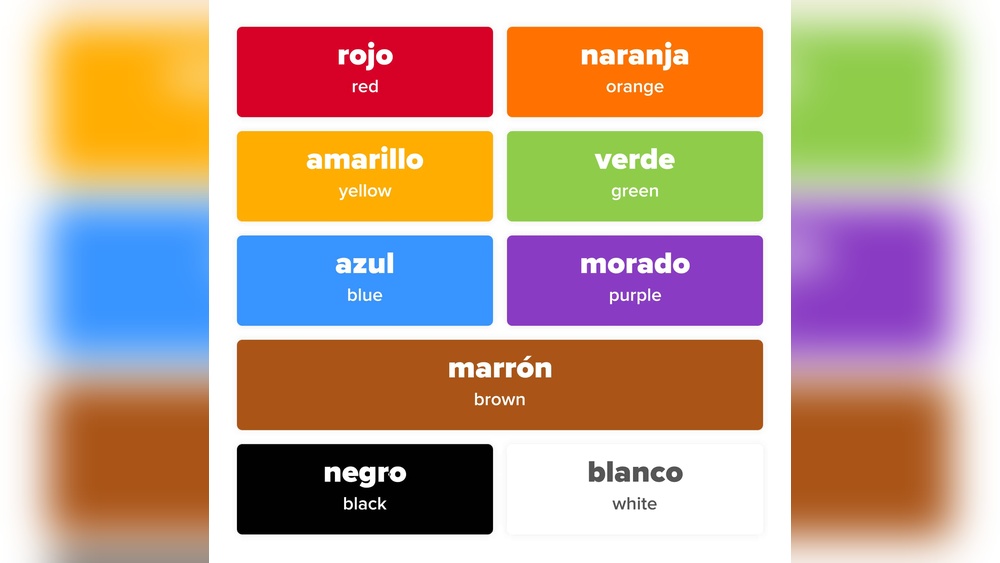
Are you curious about how to say the color brown in Spanish? Whether you’re learning the language or just want to impress your friends, knowing the right word can make a big difference.
Brown isn’t just one simple shade, and Spanish offers several ways to describe it depending on the context. You’ll discover the most common words for brown, when to use each, and some tips to remember them easily. Keep reading, and soon you’ll be confidently talking about brown in Spanish like a pro!
Common Spanish Words For Brown
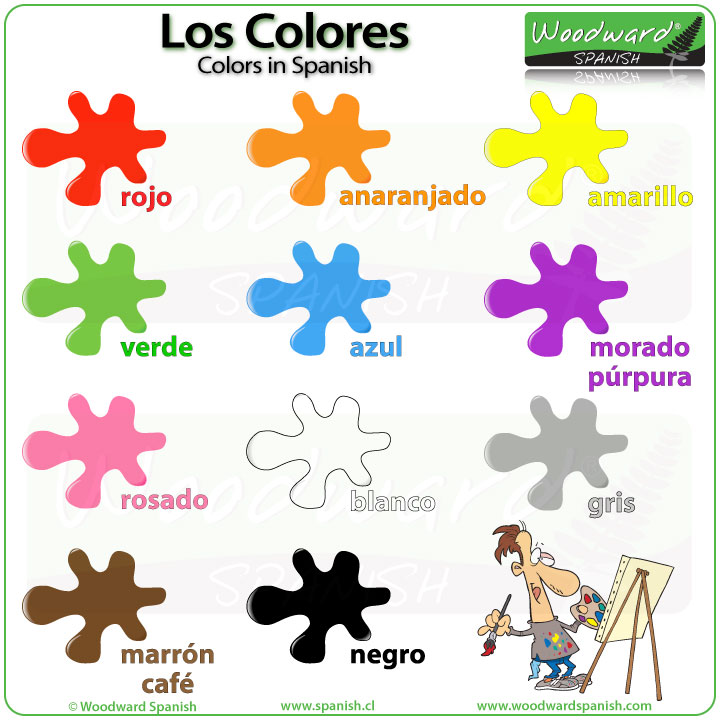
Spanish has several words to describe the color brown. These words vary by region and context. Knowing common terms helps you speak naturally and understand others better.
Some words describe specific shades or uses of brown. Others are more general. Here are the most common Spanish words for brown.
Marrón
Marrón is the most common word for brown in Spain. It refers to a medium to dark brown color. You can use it to describe objects, clothes, and natural things like wood or soil.
Café
Café is popular in Latin America. It means coffee and also describes a warm brown shade. People often say color café to mean brown.
Pardo
Pardo means a dull or grayish brown. It is less common in daily speech but appears in literature and nature descriptions. It often describes animal fur or landscapes.
Castaño
Castaño describes chestnut brown. It is often used for hair color or wood. This word highlights a reddish or rich brown tone.
Moreno
Moreno usually means dark-skinned or dark-haired. It can also describe a dark brown color. Use it carefully as it often relates to people’s appearance.
Credit: www.woodwardspanish.com
Marrón: The Universal Brown
In Spanish, the word castaño describes a specific shade of brown used mainly for hair and eyes. It refers to a warm, medium brown color that is common in many Spanish-speaking countries. This term helps you talk about natural hair and eye colors clearly and accurately.
Castaño is not just any brown; it often implies a rich, chestnut tone. People use it to describe hair that has subtle reddish or golden hues. It also applies to eyes that are brown but not too dark or black.
Using Castaño To Describe Hair Color
When talking about hair, castaño means a brown shade with soft highlights. It is common to hear phrases like “pelo castaño” to say brown hair. This word gives a natural and warm feel to the color.
Different variations exist, such as “castaño claro” for light brown hair and “castaño oscuro” for dark brown hair. These expressions help describe hair color more precisely.
Describing Eye Color With Castaño
Castaño also fits well to describe eyes that are brown but not very dark. People say “ojos castaños” to mean brown eyes. It conveys a friendly and natural look.
This word is useful when distinguishing from black or very dark eyes. It helps paint a clear picture of eye color in conversation or writing.
Why Choose Castaño Over Other Words For Brown?
Castaño feels more specific and natural for hair and eyes than general brown words like “marrón” or “café.” It avoids confusion and sounds more fluent in daily speech.
Using castaño shows understanding of Spanish color nuances. It makes your descriptions richer and more culturally accurate.
Café: Brown In Latin America
Many people in Latin America say the color brown as “café. ” Another common word is “marrón,” but “café” is more popular there. Learning these helps with basic Spanish color vocabulary.
Understanding Bronceado As Tanned Skin
The Spanish word bronceado means “tanned” or “tanned skin.”
It describes skin that has darkened from sun exposure.
This word relates to a warm brown tone but is specific to skin color.
How To Use Bronceado In Sentences
You can say, “Ella tiene la piel bronceada,” which means “She has tanned skin.”
Another example is, “Después del verano, estoy bronceado,” meaning “After summer, I am tanned.”
Bronceado is usually an adjective but can also be a noun.
Difference Between Bronceado And Marrón
Marrón is the general word for the color brown.
Bronceado refers only to the color of tanned skin.
Use marrón for objects or general brown shades, not skin tones.
Common Expressions With Bronceado
People say “bronceado natural” for a natural tan.
“Bronceado artificial” means an artificial or fake tan.
These phrases help describe the type of brown skin tone clearly.
Castaño For Hair And Eyes
Spanish has two common words for the color brown: marrón and moreno. Both relate to brown but have different uses and meanings. Understanding these differences helps you speak more naturally.
Marrón usually refers to the color itself. It describes things that are brown in color. Moreno often describes a darker shade of brown or a person’s complexion. It can mean dark-skinned or dark-haired.
Marrón: The Color Brown
Marrón is the direct translation for the color brown. Use it to talk about objects, animals, or anything with a brown shade. For example, una chaqueta marrón means a brown jacket. It is a noun and an adjective.
People often use marrón in daily conversations about colors. It matches well with other color words like azul or rojo. It is clear and simple.
Moreno: Describing Complexion Or Hair Color
Moreno describes people. It means someone with dark skin or dark hair. Saying Ella es morena means she has dark features. It is an adjective for people, not objects.
Use moreno to talk about skin tone or hair color, not the color of things. It shows a natural shade closer to dark brown or black.
When To Use Marrón Or Moreno
Think about what you describe. Use marrón for brown things. Use moreno for people’s skin or hair color.
For example, say un perro marrón for a brown dog. Say un hombre moreno for a dark-skinned man. This keeps your Spanish clear and accurate.
Using Bronceado For Tanned Skin
Describing shades of brown in Spanish helps you express colors more precisely. Brown is not just one color; it has many variations. Each shade has a unique name or phrase. These words make your Spanish richer and clearer. Let’s explore how to describe light and dark browns.
Light Brown Expressions
Light brown is often called “marrón claro” or “café claro”. Both mean “light brown.”
You can also use “beige” for very pale brown shades. People use it for soft, warm tones.
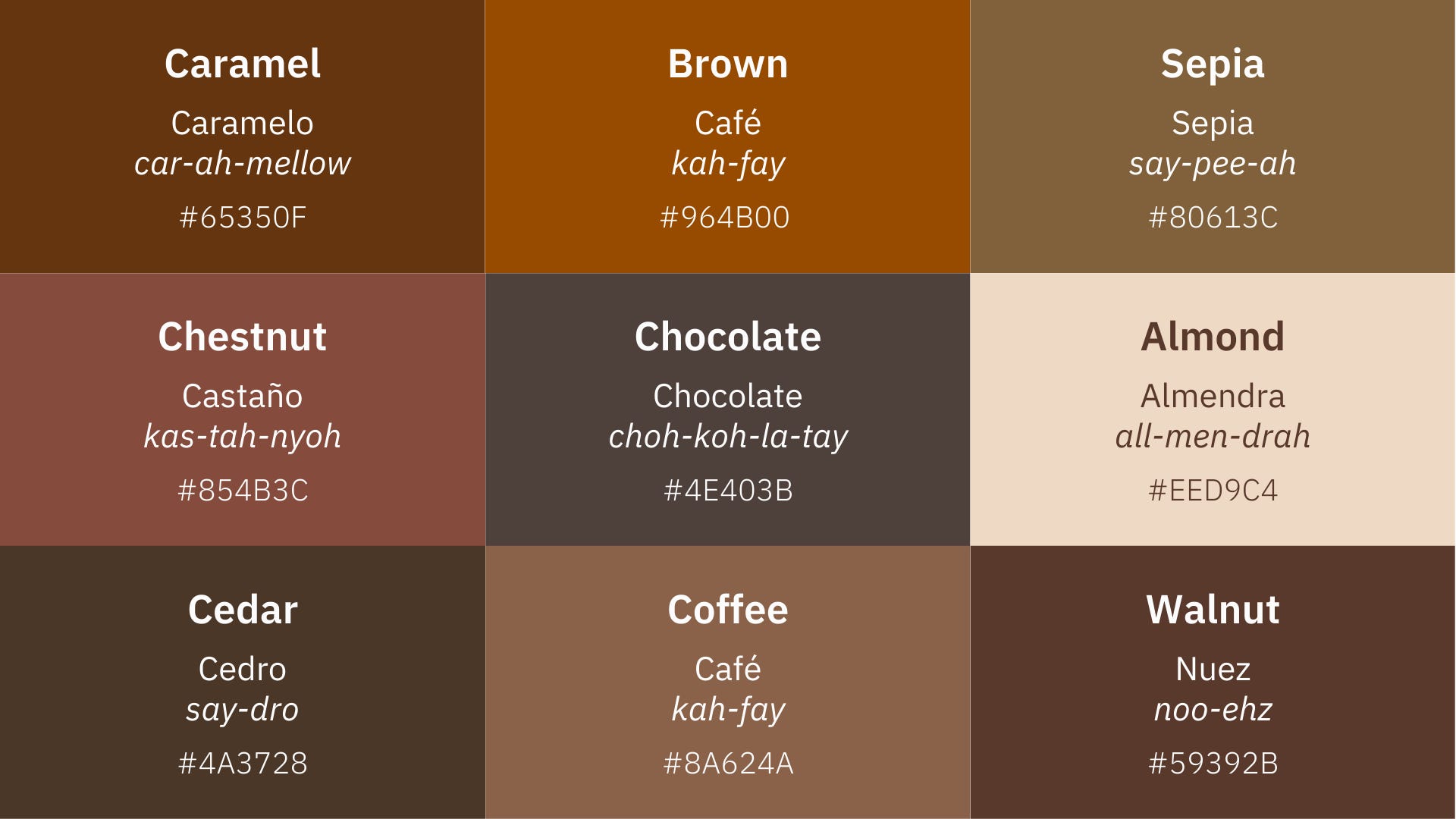
Words like “caramelo” (caramel) describe sweet, golden browns. It sounds friendly and natural.
Another option is “arena”, meaning “sand.” It fits light, sandy browns well.
Dark Brown Expressions
Dark brown is called “marrón oscuro” or “café oscuro”. Both mean “dark brown.”
“Chocolate” is popular for deep, rich brown shades. It sounds tasty and vivid.
Use “caoba” (mahogany) for reddish-brown tones. It gives a natural, elegant feel.
“Castaño” means chestnut brown. It’s common for hair color or wood.

Credit: www.reddit.com
Differences Between Marrón And Moreno
Understanding how to use the color brown in everyday Spanish phrases helps improve communication. Brown appears in many common expressions and descriptions. Knowing these phrases makes conversations more natural and fluent.
Brown in Spanish is usually said as marrón or café. Both words are correct but vary by region. Here are examples of how to use brown in daily Spanish sentences.
Using “marrón” To Describe Objects
You can say marrón when talking about things like furniture or clothes. For example, La silla es marrón means “The chair is brown.” This word fits well when describing colors clearly and simply.
Expressing Brown With “café”
Café is another common word for brown, especially in Latin America. Saying El perro es café means “The dog is brown.” It is also used when describing hair or eyes in everyday speech.
Common Phrases Using Brown
Some phrases include brown to describe moods or situations. For example, estar en un día marrón means to have a bad or dull day. These phrases add color to conversations beyond just physical objects.
Regional Variations In Brown Terms
Remembering the Spanish words for brown can be easier with a few simple tips. These tips help you recall the words quickly and use them naturally in conversation. Focus on understanding the words, their meanings, and how to pronounce them.
Use Visual Associations
Connect the word with a common brown object. For example, link marrón with chocolate or coffee. Picture these items when you hear or say the word. This makes the word stick in your memory.
Practice With Flashcards
Create flashcards with the word on one side and a brown object on the other. Test yourself daily. Repeat this until the word feels familiar. Flashcards make learning active and fun.
Repeat Aloud Often
Say the words marrón and café out loud several times. Speaking helps your brain link sounds to meanings. It also improves your pronunciation and confidence.
Learn In Context
Use the words in simple sentences. Example: “The dog is brown” translates to “El perro es marrón.” Using words in sentences helps you remember them better.
Write And Spell
Write the words multiple times. Spelling helps you visualize the word. It also strengthens your memory and reading skills.
Credit: www.berlitz.com
Frequently Asked Questions
Is Marrón The Only Spanish Word For Brown?
Marrón is the most common Spanish word for brown. Latin America often uses café. Castaño describes brown hair or eyes. Different regions prefer different terms.
What Color Is Spanish Brown?
Spanish brown is a deep, muted shade resembling dark chocolate. It often appears rich and earthy. The Spanish term for brown is “marrón,” widely used across Spain. In Latin America, “café” also describes brown shades, especially in everyday speech.
How Do Cubans Say Brown?
Cubans commonly say “marrón” or “café” to mean brown. “Marrón” is widely used, while “café” reflects the coffee color. For hair or eyes, they often say “castaño. ” These terms vary by context but clearly convey the color brown in Cuban Spanish.
Is It Marrón Or Moreno?
“Marrón” primarily means the color brown. “Moreno” describes dark-skinned or dark-haired people. Use “marrón” for objects and colors, and “moreno” for skin tone or hair color. Both differ in meaning and usage.
What Is The Spanish Word For The Color Brown?
The most common Spanish word for brown is “marrón. “
Are There Other Spanish Words For Brown?
Yes, “café” is also used to mean brown, especially in Latin America.
How Do You Pronounce “marrón” In Spanish?
It is pronounced as mah-ROHN, with emphasis on the second syllable.
What Is The Difference Between “marrón” And “café”?
“Marrón” is formal brown; “café” often refers to coffee color or casual brown.
Can “moreno” Mean Brown In Spanish?
“Moreno” usually means dark-skinned or dark-haired, not the color brown directly.
How Do Cubans Say The Color Brown?
Cubans often say “marrón” to refer to the color brown.
Conclusion
Knowing how to say brown in Spanish helps you describe many things. The word “marrón” is common in Spain. In Latin America, people often say “café. ” For hair or eyes, “castaño” fits better. Using these words makes your Spanish sound natural.
Practice them in daily conversations. It will improve your language skills quickly. Keep exploring colors in Spanish to build your vocabulary. Speaking with locals becomes easier this way. Brown is just one step in learning Spanish colors. Enjoy your language journey!