Waiting for your Colorado tax refund can be stressful, especially when you want to know exactly when the money will hit your account. If you’re asking yourself, “Where my refund Colorado?” you’re not alone.
Understanding how to track your refund quickly and accurately can save you time and worry. You’ll discover simple steps to check your refund status, what factors might delay your payment, and tips to stay informed throughout the process. Keep reading to take control and get the answers you need about your Colorado tax refund today.
Checking Refund Status
Checking the status of your Colorado tax refund is simple and fast. The Colorado Department of Revenue offers easy ways to see where your refund stands. You do not need to wait long or call multiple times.
Whether you prefer to use an online portal or want a quick check without logging in, options are available. These tools give clear and updated information about your refund.
Using Revenue Online Portal
The Revenue Online Portal is a secure website for Colorado taxpayers. You can create an account to track your refund and other tax details. The portal shows the exact status that the tax staff sees. It updates daily with the latest information.
To use this portal, visit the official Colorado Department of Revenue website. Log in with your username and password. Once inside, find the refund section to check your status. This option is best for those who want full access to their tax records.
No Login Required Options
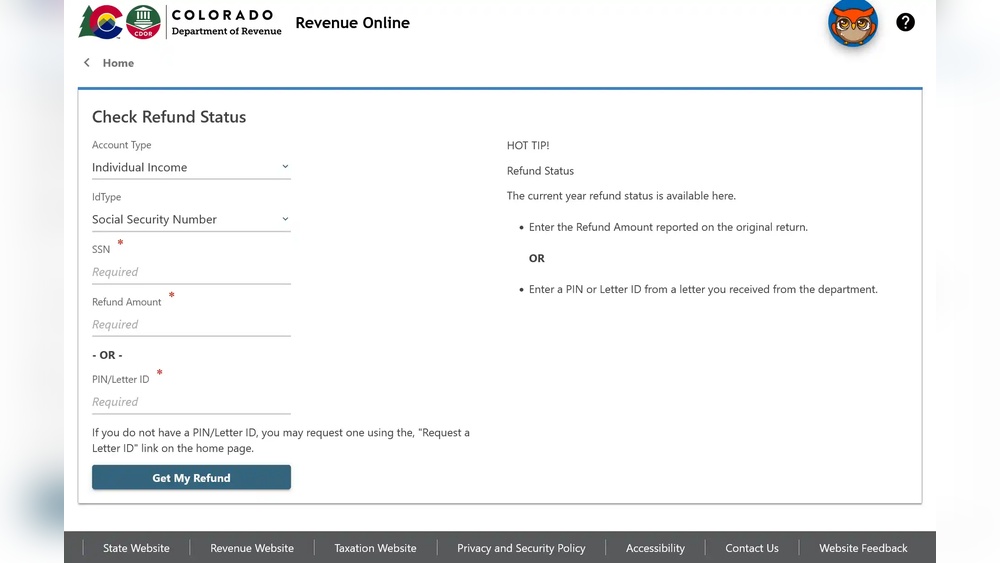
For a quick refund check, Colorado offers no-login options. You can visit the refund status page without signing in. You will need to enter some details like your Social Security number and refund amount.
This method is fast and easy for those who do not want to create an account. It shows real-time updates about your refund process. Perfect for a quick check on the go.

Credit: www.hrblock.com
Direct Deposit Timelines
Understanding the direct deposit timelines for your Colorado tax refund helps manage expectations. The refund process involves several steps before the money reaches your bank account. Knowing these steps can reduce worry and confusion about delays.
Electronic Transaction Posting
The Colorado Department of Revenue posts electronic transactions daily. Once your refund is approved, it enters the electronic system. This posting confirms that your refund is on its way. The status updates reflect this step. It may take a day or two for the transaction to appear online. This timeline depends on the department’s processing speed.
Bank Processing Delays
After the electronic transaction posts, banks handle the deposit. Banks may take extra time to process the incoming funds. Weekends and holidays can slow this process. Some banks clear deposits faster than others. This step is beyond the control of the Colorado Department of Revenue. Usually, bank processing adds one to three days before funds show in your account.
Email Alert Sign-up
Signing up for email alerts from Where My Refund Colorado helps you stay updated on your refund status. These alerts deliver timely messages straight to your inbox. No need to repeatedly check the website or call customer service. This service is free and easy to use.
Receive important updates about your tax refund quickly. The email alert sign-up keeps you informed during every step of the refund process. It saves time and reduces stress by giving you immediate information.
Benefits Of Notifications
Email alerts notify you about changes to your refund status fast. You get updates on approval, processing, or any issues with your refund. This helps you act quickly if something needs your attention.
Alerts reduce the chance of missing important tax deadlines. They also provide peace of mind by keeping you informed without extra effort. These notifications work on any device with email access.
How To Register
Visit the official Where My Refund Colorado website. Look for the email alert sign-up section on the refund status page. Enter your email address and any required tax information carefully.
Confirm your registration by clicking the link sent to your email. You will start receiving refund updates automatically. You can unsubscribe anytime if you no longer want alerts.

Credit: tax.colorado.gov
Identity Verification
Identity verification is a key step in the refund process for Colorado taxpayers. This step ensures the refund goes to the right person. It helps protect against fraud and identity theft. The Colorado Department of Revenue uses this process to confirm your identity before releasing your refund.
Verifying your identity is simple but important. It keeps your personal information safe and speeds up your refund. Understanding why and how to complete identity verification can save time and avoid delays.
Why It’s Needed
The Colorado Department of Revenue requires identity verification to protect taxpayers. It prevents others from claiming your refund using stolen information. This step adds a layer of security to the refund process.
Without verification, your refund might be delayed or denied. It confirms that you are the person who filed the tax return. This process helps reduce fraud cases and protects your money.
Steps To Complete
First, you will receive a request from the Colorado Department of Revenue. This request will include instructions on how to verify your identity. Follow the instructions carefully to avoid delays.
You may be asked to provide documents like a driver’s license or Social Security number. Submit these documents through the secure online portal or by mail. After submission, the department will review your information.
Once your identity is confirmed, your refund will be processed. Keep an eye on your email or account for updates. Completing these steps quickly helps you get your refund faster.
Intercepted Refunds
Sometimes, your Colorado tax refund may not arrive as expected. This can happen if your refund is intercepted. An intercepted refund means your money is held back to cover other debts or obligations. Understanding why this happens helps you take the right steps to fix it.
Intercepted refunds occur when the state uses your refund to pay off unpaid debts. These debts can include unpaid taxes, child support, or other government fees. The state takes your refund before sending you the rest, if any.
Common Reasons
Many reasons can cause a refund to be intercepted. One main reason is unpaid state or federal taxes. The state may also intercept refunds for overdue child support payments. Other times, unpaid student loans or traffic tickets cause interception. Sometimes, mistakes in your tax return or identity verification issues delay your refund.
How To Resolve
Start by checking the status of your refund online at the official Colorado tax website. You will see if your refund is intercepted and why. Contact the agency holding your debt to learn about payment options. Clearing your debt can release your intercepted refund. Keep copies of all documents and communications for your records.
Handling Refund Delays
Handling refund delays can be frustrating for many taxpayers in Colorado. Delays often cause worry about when the money will arrive. Understanding common reasons for delays helps reduce stress and prepares you for next steps. Knowing when to contact support ensures you get help without wasting time.
Typical Causes
Several factors can slow down your refund. Errors on your tax return, like incorrect Social Security numbers, are common. The state may also need extra time to verify your identity. If you claimed certain tax credits, the review process can take longer. Sometimes, the refund is held due to unpaid debts or outstanding taxes. Processing delays happen during peak tax season or due to system updates.
When To Contact Support
Wait at least three weeks before reaching out to support. Use the official Colorado refund tracking tool to check your status first. Contact support if your refund shows no update for over 21 days. Also, reach out if you get a letter asking for more information. Keep your tax documents ready before calling or emailing. Clear communication helps solve issues faster and avoids repeated calls.
Using Irs Tools For State Refunds
Using IRS tools can help you track your Colorado state tax refund easily. These tools provide clear, updated information about your refund status. They help reduce uncertainty and save time spent on calls or emails. Understanding how to use these tools ensures you stay informed about your refund progress.
Irs Refund Tracking
The IRS offers a simple tool called “Where’s My Refund?” It shows the status of both federal and some state tax refunds. You need your Social Security number, filing status, and refund amount to use it. This tool updates once daily, usually overnight. It shows three main stages: return received, refund approved, and refund sent. Checking regularly helps you know when to expect your money.
Linking To Colorado Status
For Colorado state refunds, the Colorado Department of Revenue has its own tracking system. It is called Revenue Online (ROL). This system shows the exact status of your state refund. You can access it without logging in, using your personal information. It displays updates similar to the IRS tool but specific to Colorado taxes. Using both tools together gives a complete refund picture.
Tax Webinar Resources
Tax Webinar Resources offer valuable help for Colorado taxpayers. These webinars explain tax rules clearly. They guide you through refund processes step-by-step. The sessions are easy to follow and free to join. They cover common questions and important updates.
Using these resources can save time and reduce errors. They also provide tips to manage your tax returns better. Anyone can benefit, whether filing for the first time or often. The webinars aim to make tax matters simple and less stressful.
Available Topics
The webinars cover many topics about Colorado taxes. You can learn about checking your refund status online. There are sessions on how to file your state tax return. Some focus on common mistakes to avoid. Others explain tax credits and deductions you may qualify for.
Special topics include identity verification and handling intercepted refunds. The webinars also explain protest rights and how to respond to notices. Each topic is designed to answer questions clearly and quickly. New topics are added regularly to keep you informed.
How To Join
Joining a tax webinar is simple and quick. Visit the Colorado Department of Revenue website to find the schedule. You can register online by entering your name and email. After registering, you will get a confirmation email with the link.
On the day of the webinar, click the link to join. Use a computer, tablet, or smartphone with internet access. The sessions usually last about 30 to 60 minutes. There is a chance to ask questions live or through chat. No special software is needed to participate.
Protest And Appeal Process
The protest and appeal process in Colorado is a way to challenge tax decisions. It helps taxpayers address issues about refunds or tax assessments. Understanding this process is key to resolving disputes quickly and fairly.
Taxpayers receive official notices if the Department of Revenue finds problems with their tax return. These notices explain the issues and the amount of money involved. Responding properly to these notices is the first step in the process.
Notices Of Deficiency
A Notice of Deficiency tells you the state believes you owe more tax. It shows the reasons for the change and the new tax amount. This notice starts the protest period. You have a limited time to respond and disagree.
Read the notice carefully. It explains how to file a protest and the deadline. Ignoring the notice may lead to penalties or loss of refund rights.
Filing An Appeal
To appeal, submit a written protest to the Colorado Department of Revenue. Include your name, address, tax year, and the reason for your protest. Attach copies of any supporting documents.
The Department reviews your appeal and may schedule a hearing. At the hearing, you can explain your case and provide evidence. After review, the Department issues a final decision.
If you disagree with the final decision, you can take the case to the Colorado Tax Commission or court. Following each step carefully improves your chance of success.

Credit: www.hrblock.com
Tabor Refund Insights
TABOR refunds play a key role in Colorado’s tax system. Many residents receive these refunds as part of state budget rules. Understanding TABOR helps you know why and how these refunds happen. This section explains TABOR and its impact on your refund.
What Tabor Means
TABOR stands for Taxpayer Bill of Rights. It is a state law passed in 1992. The law limits how much money Colorado can keep from taxes. If the state collects more than the limit, it must return the extra money to taxpayers. This refund is called the TABOR refund.
Impact On Refunds
TABOR affects the size and timing of your state refund. When Colorado’s revenue exceeds the limit, the state issues refunds to taxpayers. These refunds lower your overall tax burden for the year. Refund amounts can vary each year based on state revenue. TABOR refunds are separate from federal tax refunds.
Frequently Asked Questions
How Can I Check My Colorado State Tax Refund Status?
Visit the official Colorado Department of Revenue website and use the “Where’s My Refund? ” tool.
What Information Do I Need To Track My Refund Online?
You need your Social Security number and the exact refund amount from your tax return.
How Long Does Colorado Take To Issue A Tax Refund?
Most refunds are processed within 2 to 6 weeks after filing your return.
Why Is My Colorado Refund Delayed?
Delays happen due to errors, incomplete returns, or identity verification checks.
Can I Get My Refund By Direct Deposit In Colorado?
Yes, direct deposit is available and is the fastest way to receive your refund.
What Should I Do If My Refund Was Intercepted?
Refunds can be used to pay past debts like child support or taxes owed.
How Do I Sign Up For Refund Status Email Alerts?
Register on the Colorado Department of Revenue site to receive automatic updates by email.
What Does “taxpayer Identity Verification” Mean For My Refund?
It means the department is confirming your identity to prevent fraud before issuing the refund.
Can I Check My Refund Status Without Logging In?
Yes, the Colorado refund tracker does not require a login; just enter your info.
Who Can I Contact For Help With My Colorado Refund?
You can call the Colorado Department of Revenue’s customer service for assistance.
Conclusion
Tracking your Colorado tax refund is simple and quick. Visit the official Colorado Department of Revenue website to check your refund status anytime. Keep your tax details handy for faster access. Remember, refunds may take time due to processing or identity checks.
Stay patient and monitor updates regularly. This way, you stay informed and avoid unnecessary calls. Knowing where your refund stands helps reduce stress. Use the online tools provided to get accurate and current information. Your refund is on its way; just keep an eye on the status.