Have you ever caught yourself staring into your baby’s eyes, wondering if that soft blue or gray shade will stay the same forever? You’re not alone.
Many parents are curious about when and why their baby’s eye color changes. It’s a fascinating process influenced by genetics and biology, but it also holds a bit of mystery. You’ll discover the timeline of baby eye color changes, what causes the shift, and how to understand the colors you see today—and those that might appear in the future.
If you want to know when you can truly predict your baby’s eye color, keep reading, because the answer might surprise you.
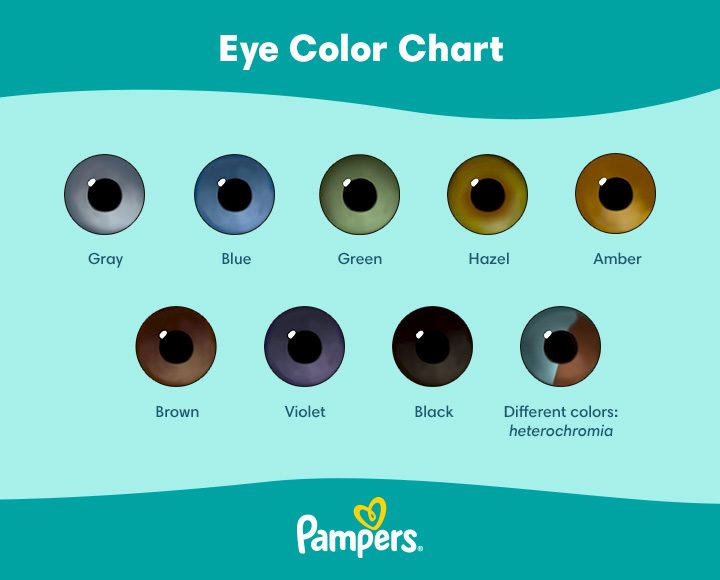
Credit: www.pampers.com
Why Baby Eyes Appear Blue
Baby eyes often look blue due to low melanin at birth. Eye color usually starts changing within months as melanin increases. Final color may not be clear until after the first year.
Many newborns seem to have blue eyes at first. This happens because their eyes have very little pigment. The color you see is not from the pigment itself.
Instead, it is caused by how light scatters inside the eye. This effect is similar to why the sky looks blue on a sunny day. The iris, the colored part of the eye, has a special structure that scatters light in a way that makes it appear blue.
At birth, babies have very low melanin in their irises. Melanin is the pigment that gives eyes their color. Without enough melanin, the eyes reflect light differently, showing a blue or gray shade.
Low Initial Melanin Levels
Newborns have only a small amount of melanin in their irises. Melanin is the pigment that controls eye color. This low pigment level makes the eyes appear blue or gray.
The melanin amount will change over time. More melanin means darker eye color. This is why many babies’ eyes darken as they grow.
Light Scattering In The Iris
Light entering the eye scatters inside the iris. This scattering affects the color that we see. The iris structure causes shorter blue wavelengths of light to scatter more.
This scattering makes the eyes appear blue, even if the baby’s true eye color is not blue. It is a natural optical effect, not the actual pigment color.
Melanin Production After Birth
After birth, the pigment cells in the iris begin to produce more melanin. This process depends on genetics and exposure to natural light. More melanin darkens the eye color gradually.
This means a baby’s eye color can change from blue to green, hazel, or brown over several months. The final color depends on the amount of melanin produced.
Role Of Melanin In Eye Color
Melanin controls baby eye color by affecting iris pigment. Babies start with low melanin, causing blue or gray eyes. Over time, light triggers melanin production, darkening the eyes and revealing their true color.
Understanding Melanin And Its Function
Melanin is the pigment that gives color to our skin, hair, and eyes.
In baby eyes, melanin is the key factor that decides eye color.
At birth, melanin levels are usually low in the iris, making eyes look blue or gray.
How Melanin Affects Eye Color Change
After birth, melanin production increases with light exposure.
Cells called melanocytes produce more melanin in the iris over time.
This increase darkens the eye color, shifting from blue or gray to green, hazel, or brown.
Variations In Melanin Levels And Eye Color
Babies with dark eyes at birth have more melanin early on.
Light-eyed babies start with less melanin but produce more as they grow.
The final eye color depends on the amount and type of melanin in the iris.
How Light Affects Eye Pigmentation
Light exposure triggers melanin production in a baby’s iris, gradually changing eye color. At birth, low melanin makes eyes look blue or gray, but natural light helps deepen the color over time. Eye color usually stabilizes by the first year.
Light plays a key role in the way baby eyes change color. At birth, many babies have blue or gray eyes. This happens because their eyes have very little melanin, the pigment that gives color.
When light enters the eye, it scatters in the iris. This scattering makes the eyes look blue or gray, similar to why the sky looks blue. As babies grow, their eyes produce more melanin.
Exposure to natural light after birth helps the cells called melanocytes to create more pigment. This process slowly changes the eye color. The more melanin the iris has, the darker the eye color becomes.
Light Scattering And Baby Eye Color
Light scattering happens when light hits the iris and bounces around. Without much melanin, the light reflects in a way that makes eyes look blue or gray. This is why newborns often have lighter eye colors.
Over time, as melanin increases, less light scatters. The eye color then shifts from blue or gray to green, hazel, or brown. The final color depends on how much melanin the eye produces.
Melanin Production Triggered By Light
Melanocytes in the iris start working more once exposed to sunlight. This natural light triggers them to make melanin. Babies who spend time in natural light may develop darker eyes quicker.
The process is gradual and can take several months to complete. Eye color changes usually slow down after the first year but can continue subtly for a few years.
Variations In Eye Color Change Due To Light
Not all babies’ eyes change color the same way. Babies with very dark eyes at birth have more melanin already. Their eye color may stay the same because melanin levels are higher.
Babies with lighter eyes often show more noticeable color changes. Light exposure can help their melanocytes produce melanin, making the eyes darker over time.
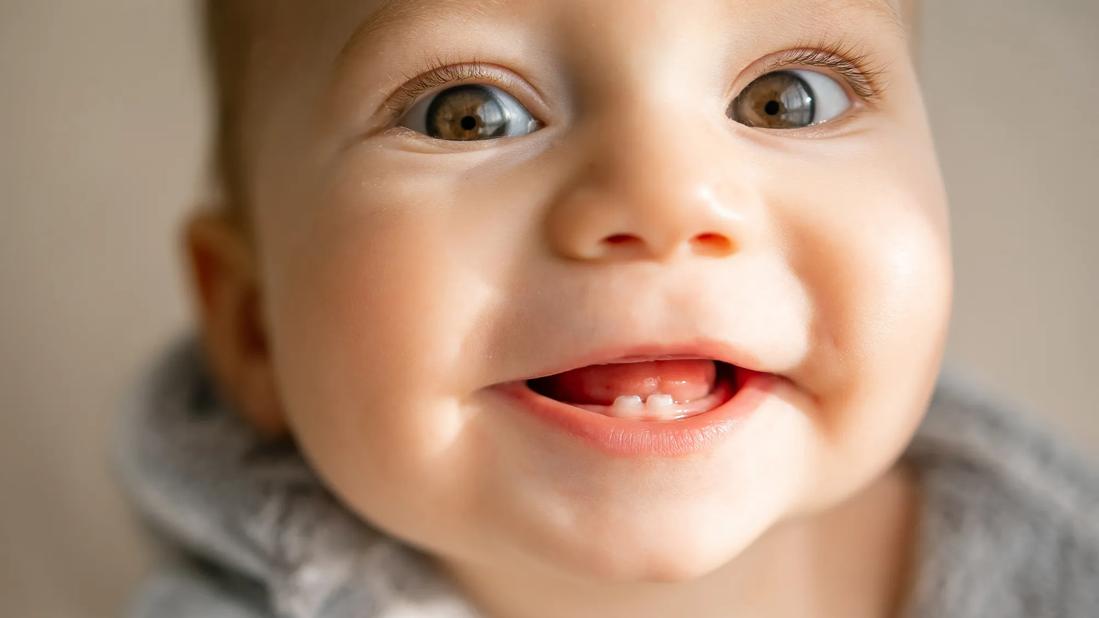
Credit: health.clevelandclinic.org
Timeline For Eye Color Changes
Baby eye color often changes during the first year. The change depends on melanin, a pigment in the iris. Babies usually have low melanin at birth. This gives their eyes a blue or gray look. Over time, melanin increases, changing the eye color.
At Birth
Most babies have blue or gray eyes at birth. This color results from low melanin and how light scatters in the iris. Babies born with dark eyes likely have more melanin already. Their eye color may not change much after birth.
First 3 To 6 Months
Melanin starts to increase as babies get older. Light exposure helps melanocytes produce more pigment. During this time, eyes may darken or shift in shade. Some babies’ eyes change from blue to green or hazel.
6 Months To 1 Year
Eye color continues to develop and settle. Many babies show their true eye color before their first birthday. Changes become slower and less obvious. Parents should wait before choosing a final eye color.
After 1 Year
Most eye color changes finish after 12 months. Some subtle shifts can happen later, but they are rare. By this age, the eye color is usually stable and set for life.
Predicting Final Eye Color
Many parents wonder how to predict their baby’s final eye color. At birth, babies often have blue or gray eyes. This happens because their eyes have little melanin, the pigment that gives color.
Melanin builds up over time. The more melanin, the darker the eyes become. This process can take several months or even years.
Genetics And Eye Color
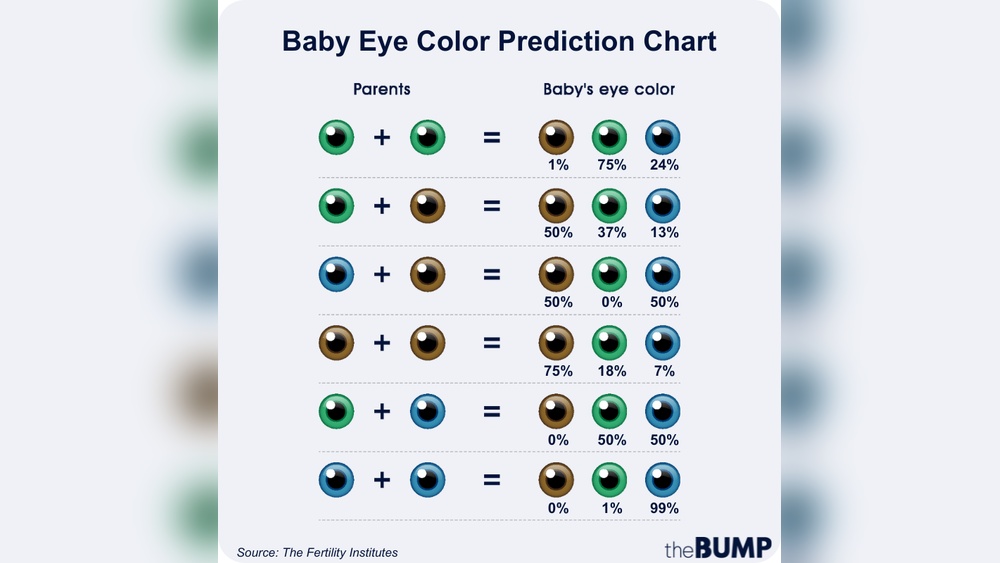
Eye color depends mostly on genes inherited from parents. Both parents pass genes that affect melanin levels in the iris. A child may get a mix of these genes, making prediction tricky.
Brown eyes usually dominate over blue or green eyes. If both parents have dark eyes, the baby will likely have dark eyes. If parents have light eyes, the baby’s eyes may change more slowly.
Melanin Development Over Time
Melanin starts low at birth and increases with age. Light exposure helps melanocytes produce more pigment. This causes eyes to darken gradually.
Most eye color changes happen in the first year. Some babies’ eyes keep changing until age three. The final color may be blue, green, hazel, or brown.
Signs Of Final Eye Color Early On
If a baby’s eyes are very dark at birth, they may stay dark. Light blue or gray eyes often change color as melanin builds. This change can be slow and subtle.
It is best to wait before guessing the final eye color. The true shade often appears after several months. Patience is key for parents watching this change.

Credit: kdfoundation.org
Common Eye Color Outcomes
Baby eye colors can surprise many parents. The final color depends on melanin levels in the iris. Some colors appear at birth, while others develop over time. Understanding common eye color outcomes helps set expectations.
Eye color changes mainly happen during the first year. Melanin pigment darkens the eyes gradually. Genetics also play a big role in determining the final shade.
Brown Eyes
Brown is the most common eye color worldwide. Babies with brown eyes usually have higher melanin at birth. Their eye color often stays the same or darkens slightly as they grow. Brown eyes can range from light amber to deep chocolate shades.
Dark eyes absorb more light, which makes them appear rich and warm. Parents with brown eyes often pass this trait to their children. Brown eyes rarely change dramatically after the first few months.
Green And Hazel Eyes
Green and hazel eyes are less common and show more variation. They often start as blue or gray at birth. Over time, melanin builds up in the iris, creating green or hazel tones.
Green eyes have moderate melanin, giving a soft, earthy look. Hazel eyes mix brown and green shades, sometimes with gold highlights. These colors can shift slightly with age or light.
Both green and hazel eye colors usually settle by 12 months. Their unique tones make them stand out among common eye colors.
Genetics And Eye Color Variation
Eye color comes from genes inherited from parents. These genes control the melanin pigment in the iris. Melanin decides the color and darkness of eyes.
Babies often have blue or gray eyes at birth. This happens because melanin is low then. Light scattering in the iris causes the blue or gray look.
As babies grow, genes activate melanin production. This can change eye color over time. The final color depends on how much melanin is made.
How Genes Affect Eye Color
Many genes work together to set eye color. Some genes increase melanin, while others reduce it. The balance between these genes creates unique colors.
Parents pass different gene versions to their baby. This mix leads to various possible eye colors. Even siblings can have different eye colors.
Common Eye Colors And Their Genetics
Brown eyes have the most melanin. They are the most common worldwide. Green and hazel eyes have moderate melanin levels.
Blue and gray eyes have the least melanin. These colors appear lighter and can change with age. The change is due to increased melanin over time.
Why Some Babies’ Eyes Change Color
Babies born with light eyes may darken in months. Melanin builds up after birth, changing the color. This process is slow and varies from baby to baby.
Sometimes, eye color changes until the baby is about one year old. After that, the color usually stays the same. Genetics decide the final shade.
When To Expect Stable Eye Color
Understanding when a baby’s eye color becomes stable helps parents know what to expect. Many babies are born with blue or gray eyes. This happens because their eyes have little melanin pigment at birth. Melanin is the substance that gives color to eyes, skin, and hair.
After birth, melanin production increases. This change can cause the eye color to shift. The process takes time and varies for each baby. Parents often wonder how long this change will last. Knowing the timeline for stable eye color reduces worry and curiosity.
Typical Age For Stable Eye Color
Most babies’ eye color settles by 6 to 12 months. Some may take longer, up to 18 months. By this age, melanin levels in the iris stop changing much. The final eye color becomes clear and stays consistent. This period allows pigment cells to finish their work.
Factors Affecting Eye Color Stability
Genetics is the main factor in eye color. Babies with darker parents often have darker eyes sooner. Those with lighter-eyed parents may see changes longer. Light exposure also plays a small role in melanin production. Each baby’s development speed differs slightly.
Signs Your Baby’s Eye Color Has Stabilized
Stable eye color looks consistent in different lights. The color will not shift between blue, green, or brown shades. If eyes stay the same for a few months, they are likely stable. Parents can check by observing during daylight and indoor light.
Factors That Influence Eye Color Perception
Baby eye color does not stay the same after birth. Many elements affect how we see their eye color. These factors can make eyes look different from their true color.
Understanding these influences helps parents know why a baby’s eye color changes or appears unique.
Lighting Conditions
Light plays a big role in eye color perception. Bright sunlight can make eyes look lighter or more vibrant. Dim light might make eyes appear darker. Indoor lighting can cast shadows, changing the eye’s look.
Clothing And Surroundings
Colors around a baby affect how eye color is seen. Wearing certain clothes can bring out blue, green, or brown tones in the eyes. Background colors also influence eye color perception by contrast.
Skin And Hair Color
Eye color often appears different with various skin tones. Darker skin can make eyes look lighter. Hair color can also highlight certain eye hues. These natural contrasts shape how eye color is noticed.
Age And Melanin Development
At birth, babies have low melanin in their irises. Melanin production increases over months, changing eye color. The amount and type of melanin influence whether eyes get darker or stay light.
Genetics
Genes passed from parents determine eye color traits. Some genes influence melanin levels and eye structure. This genetic mix affects how eyes develop and appear through time.
Myths About Baby Eye Color
Many myths surround the topic of baby eye color. These stories often confuse parents and caregivers. Understanding the truth helps set clear expectations about how baby eyes change.
These myths come from old beliefs, cultural ideas, or misunderstandings about genetics. Some are harmless, but others may cause worry or false hope.
Baby Eye Color Changes Overnight
Some people believe baby eyes can change color suddenly. This is not true. Eye color changes slowly over months, not in a single day or night.
The process depends on melanin production in the iris. It takes time for melanin to build up and show the final eye color.
All Babies Are Born With Blue Eyes
Many think all babies start with blue eyes. This is false. Babies can have brown, gray, green, or other eye colors at birth.
Eye color at birth often looks lighter due to low melanin. The true color may change as melanin increases.
Eye Color Predicts Personality
Some myths say eye color shows a baby’s personality. This idea has no scientific support. Eye color is only about genetics and pigment.
Personality traits develop from many factors, not eye color. Focus on your baby’s growth and character instead.
Eye Color Is Inherited Only From The Mother
A common myth claims only the mother’s eye color matters. Actually, both parents contribute genes for eye color.
Eye color inheritance is complex, involving multiple genes. A baby’s eyes may resemble either parent or be a mix.
Frequently Asked Questions
When Can You Tell A Baby’s Eye Color?
You can usually tell a baby’s permanent eye color between 6 to 12 months. Melanin increases after birth, darkening light eyes. Dark eyes at birth often remain the same. Wait until after the first year to see the final eye color clearly.
What Color Will Grey Baby Eyes Turn?
Grey baby eyes often change as melanin increases, turning brown, green, or hazel. Genetics control final color.
Do All Blue-eyed Babies Stay Blue-eyed?
Not all blue-eyed babies keep blue eyes. Eye color often changes as melanin develops in the iris during the first year. Increased melanin can darken eyes to green, hazel, or brown. Genetics and melanin production determine final eye color, so blue may shift or remain.
Do All Babies Start Out With Brown Eyes?
Not all babies start with brown eyes. Many are born with blue or gray eyes due to low melanin levels at birth. Eye color can change over several months as melanin production increases, often settling by the first birthday. Genetics largely influence the final eye color.
When Do Baby Eyes Usually Start To Change Color?
Baby eyes often begin changing color between 3 to 6 months old.
Why Do Babies’ Eyes Change Color After Birth?
Melanin pigment develops after birth, darkening the iris and changing eye color.
Can A Baby’s Eye Color Change After One Year?
Yes, eye color can still change up to 12 to 18 months old.
Do All Babies Have Blue Eyes At Birth?
No, but many babies appear blue or gray due to low melanin at birth.
What Determines A Baby’s Final Eye Color?
The amount and type of melanin pigment in the iris determines eye color.
How Can I Tell My Baby’s Permanent Eye Color?
Wait until at least one year; eye color stabilizes as melanin develops.
Conclusion
Baby eye color changes mostly happen within the first year. Melanin levels increase, darkening the eyes naturally. Dark eyes at birth usually stay the same color. Light eyes may shift from blue or gray to green, hazel, or brown. Patience is key; the final color can take months.
Avoid guessing the color too soon. Each baby is unique, and eye color change is normal. Watching this process shows how wonderful baby development is. Enjoy the surprise when your baby’s true eye color appears.