
Are you looking to create the perfect dark blue shade but don’t know where to start? Whether you’re painting a room, working on an art project, or just experimenting with colors, getting that deep, rich blue can feel tricky.
But here’s the good news—you don’t need fancy supplies or complicated techniques. By mixing just a few simple colors, you can easily make your own dark blue right at home. Keep reading, and you’ll discover easy, step-by-step tips that will help you master dark blue mixing quickly and confidently.
Your next masterpiece is just a few drops away!
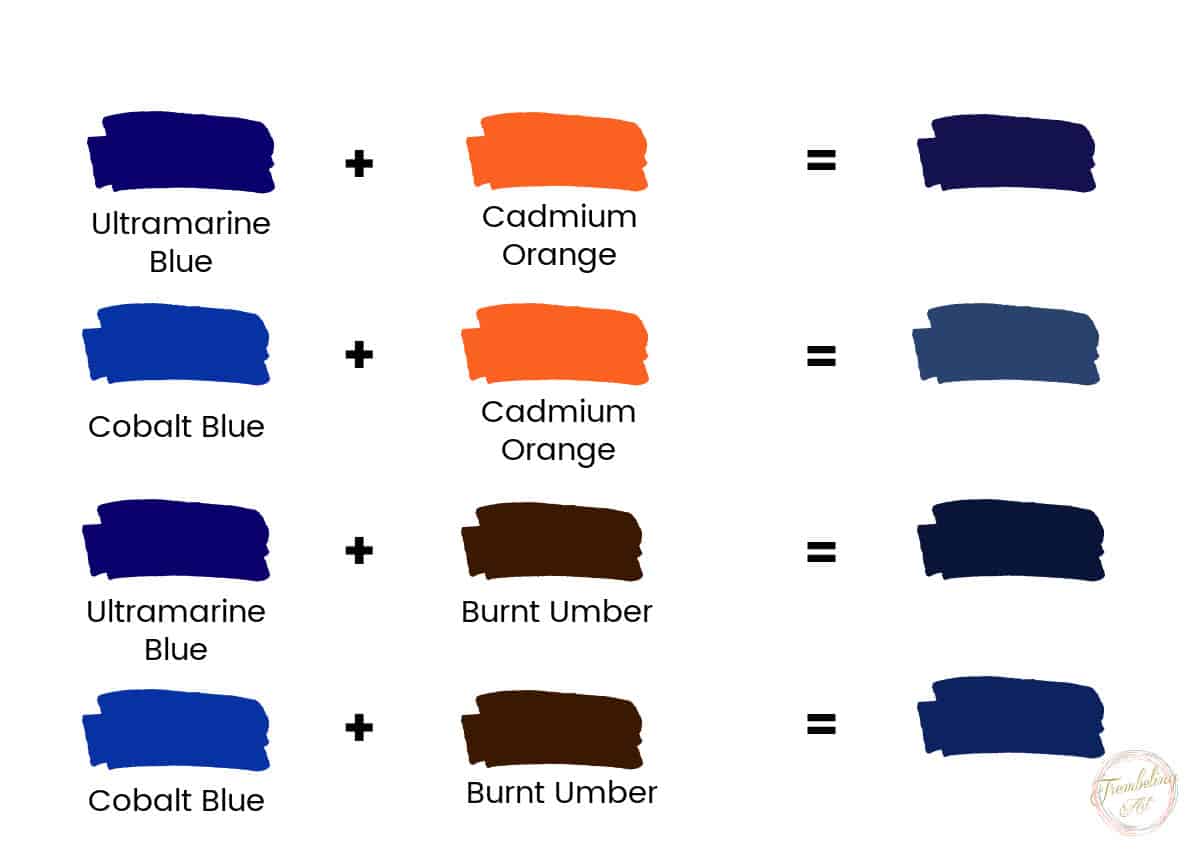
Credit: trembelingart.com
Basic Dark Blue Mixing
Creating dark blue paint requires understanding simple color mixing basics. Dark blue is not just one shade; it varies by how you mix colors. Learning basic dark blue mixing helps you get the perfect tone for your project.
Start with a pure blue base. Then, adjust darkness by adding other colors. This process is easy and works well for many art and craft needs.
Mixing Blue And Black For Dark Blue
Mix pure blue paint with a small amount of black. Add black slowly to avoid making the color too dark. Stir well after each addition. This creates a deep, rich dark blue shade.
Using Blue And Red To Darken Blue
Add a little red to your blue paint. This mix makes the blue darker and warmer. Use red carefully; too much changes the color toward purple or brown. Mix small amounts and test often.
Adding Purple To Achieve Dark Blue
Mix blue with a touch of purple for a cooler dark blue. Purple adds depth without making the color too black. This combination works well for vibrant, dark blues.

Credit: www.youtube.com
Using Black To Darken Blue
Using black to darken blue is a straightforward way to create deep, rich shades of blue. This method works well for artists, designers, and DIY enthusiasts who want to achieve a navy or midnight blue. Black paint or pigment added gradually to blue will deepen the color without changing its basic tone. Controlling the amount of black helps you reach the perfect darkness.
How To Mix Black With Blue
Start with a pure blue base. Use a palette or mixing surface to combine the colors. Add a tiny amount of black paint to the blue. Mix thoroughly and check the shade. Add more black slowly until the blue darkens to your liking. Avoid adding too much black at once to keep control over the color.
Tips For Using Black To Darken Blue
Use black sparingly for subtle darkening. Stir the mixture well to avoid streaks. Test the color on a small area before applying it fully. Keep in mind that black can mute the brightness of blue. Adjust the ratio carefully for the best results.
When To Use Black Instead Of Other Colors
Use black for true dark blue shades like navy or midnight. Other colors like red or purple can change the tone. Black keeps the blue cool and deep. Choose black when you want a neutral darkening without shifting hue.
Adding Red For Richness
Adding red to blue paint creates a richer, deeper shade of dark blue. This method changes the blue’s tone, giving it warmth and complexity. Small amounts of red can transform plain blue into a vibrant, dark hue that stands out.
Using red carefully ensures the blue stays dark without turning purple. This balance is key to achieving a rich, dark blue perfect for many art projects and designs.
How Red Changes Blue
Red adds depth and warmth to blue paint. It shifts the color slightly toward a warmer tone. This makes the blue appear more vibrant and less flat. The result is a dark blue with a subtle richness that catches the eye.
Choosing The Right Amount Of Red
Start with a tiny amount of red paint. Mix it thoroughly with the blue base. Add more red slowly, watching the color change. Too much red will make the color purple or brownish. The goal is a balanced dark blue with red tones.
Tips For Mixing Red And Blue
Use a clean palette and brush to mix colors well. Add red little by little to control the shade. Test the color on white paper to see its true tone. Mix enough paint for your project to keep the shade consistent.
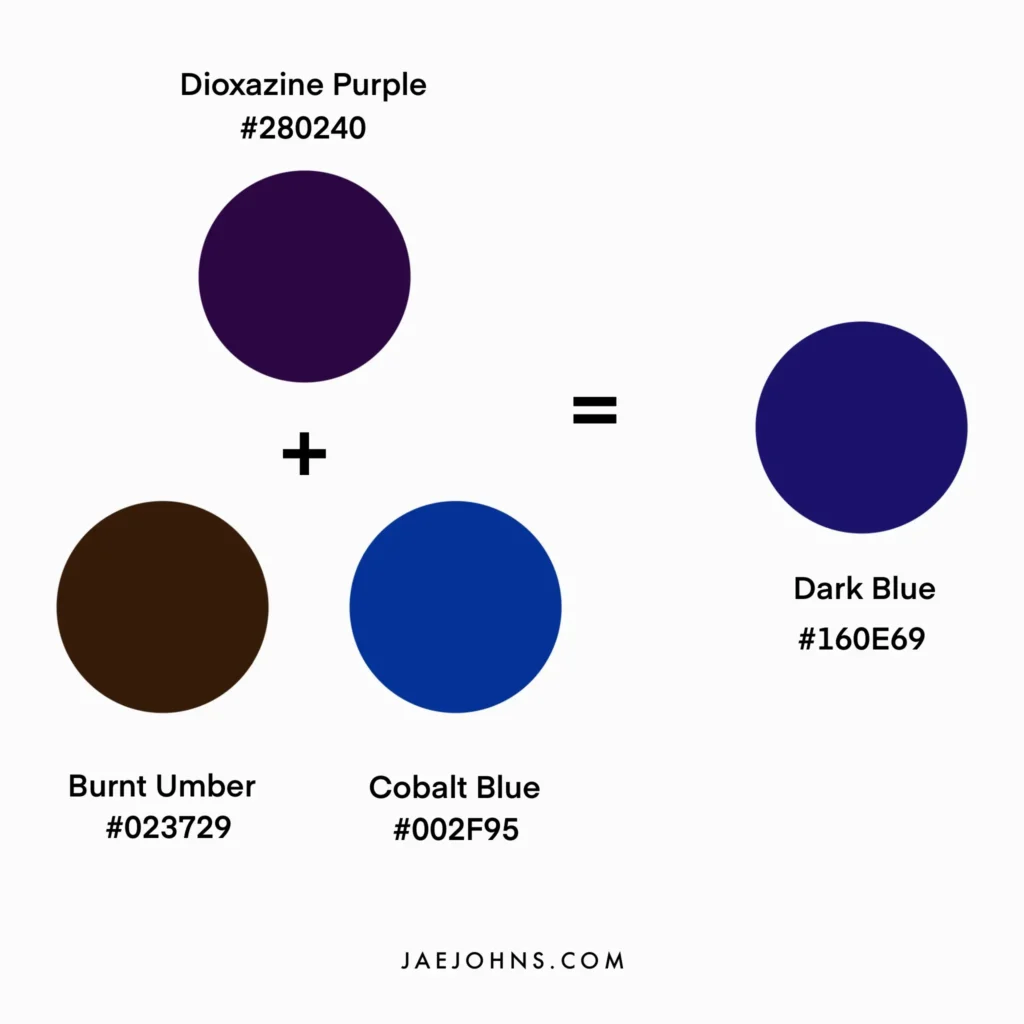
Purple For Deep Undertones
Using purple to create deep undertones in dark blue adds richness and depth. Purple blends smoothly with blue, making the color appear more complex and vibrant. This method works well for painters and designers who want a unique shade of dark blue. The purple undertone gives a subtle warmth that black alone cannot provide.
Choosing The Right Purple Shade
Select a purple that is neither too bright nor too dull. A medium to dark purple works best. Avoid pastel or neon purples, as they can make the blue look muddy. A rich violet or royal purple will deepen the blue effectively.
Mixing Purple With Blue
Start with a base of blue paint. Add purple slowly, mixing well after each addition. Use a small amount of purple to avoid overpowering the blue. Keep mixing until you reach the desired dark tone with deep undertones.
Adjusting The Darkness
If the color is too light, add more blue or a touch of black. Avoid adding too much black, as it can dull the purple undertone. Balance is key to maintaining the richness of the dark blue shade.
Orange For Muted Shades
Using orange to create muted dark blue shades offers a unique approach to color mixing. Orange, being the complementary color of blue, tones down the brightness of blue. This results in a more subdued and sophisticated dark blue.
Mixing orange with blue reduces the vibrancy of blue. The outcome is a muted, less intense shade of dark blue. This technique is perfect for designs needing subtlety and depth.
How Orange Affects Blue
Orange cancels out some of blue’s brightness. This effect makes the blue look darker and less vivid. The amount of orange controls how muted the blue becomes.
Mixing Orange And Blue Step-by-step
Start with a base of blue paint. Slowly add small amounts of orange. Mix well after each addition. Stop when the color reaches the desired muted dark blue tone.
Best Uses For Muted Dark Blue
Muted dark blue suits calm and professional designs. It works well in interiors, fashion, and graphic arts. The color adds elegance without being too bold.
Step-by-step Mixing Tips
Creating the perfect dark blue shade requires careful mixing. Simple steps help achieve the right tone. Follow these step-by-step mixing tips for a deep, vibrant dark blue. Each step builds on the previous one for better results.
Start With A Base Of Blue
Choose a pure blue paint as your base. This will be the foundation of your dark blue. Use a clean palette to avoid unwanted color mixing. Squeeze out enough blue paint to work with comfortably.
Add Small Amounts Of Black
Add black paint gradually to the blue base. Start with a tiny drop and mix well. Black darkens the blue without changing its hue. Mix thoroughly to see the true color. Stop adding black once the desired darkness appears.
Mix Blue And Red For Richness
Add a very small amount of red paint to the blue. Red makes the blue richer and deeper. Use a toothpick for precision. Mix slowly to avoid turning the color purple. Adjust the red quantity carefully to keep the blue dominant.
Test The Color Often
Use a scrap piece of paper or canvas to test the color. Let the paint dry slightly to see the true shade. Compare the color with your target dark blue. Make small adjustments by adding blue, black, or red as needed.
Keep Your Palette Clean
Clean your mixing tools after each step. Avoid leftover paint mixing with new colors. This keeps your dark blue pure and vibrant. Use separate brushes for different colors if possible.
Avoiding Common Color Mistakes
Avoiding common mistakes helps you get the perfect dark blue shade. Mixing colors can be tricky. Small errors lead to dull or muddy results.
Simple steps keep your color clear and vibrant. Knowing what to avoid saves time and paint. Follow these tips to make dark blue the right way.
Choosing The Wrong Base Blue
Start with a true blue color, not a greenish or purple blue. The wrong base changes the final dark blue tone. Pick a bright, pure blue for best results.
Adding Too Much Black
Black darkens blue quickly. Add black in very small amounts. Too much black makes the color look gray or lifeless. Mix slowly and check the color often.
Ignoring Color Balance
Dark blue is not just blue plus black. Sometimes a touch of red or purple improves richness. Avoid using only black to keep the color deep and lively.
Using Low-quality Paints
Cheap paints may not mix well or show true color. Use good-quality paints for better color blending. Quality paint keeps the dark blue rich and smooth.
Not Testing The Color On Paper
Always test your mix on a scrap piece. Paint looks different when dry. Testing helps you adjust before applying to your project.
Using Different Paint Types
Using different paint types affects how to make color dark blue. Each paint type behaves uniquely when mixed. This changes the final shade and texture. Understanding these differences helps create the perfect dark blue. Here are key paint types to consider.
Using Acrylic Paints
Acrylic paints dry fast and have vibrant colors. Mix blue with a small amount of black to darken it. Add colors slowly to avoid making the paint too dark. Acrylics blend well and allow easy adjustment of the shade.
Using Oil Paints
Oil paints dry slowly and offer rich textures. Mixing blue with black or red creates deep dark blue shades. Oils blend smoothly, giving you time to refine the color. Use a palette knife or brush for better mixing control.
Using Watercolors
Watercolors are transparent and lighter in tone. Mix blue with a tiny amount of black or purple for dark blue. Watercolors can look different when dry, so test on paper first. Layering colors also helps deepen the blue shade.
Using Gouache Paints
Gouache paints are opaque like acrylics but rewettable like watercolors. Mix blue with black or dark purple to get dark blue. Gouache allows smooth color layering and corrections. It is ideal for vibrant and solid dark blue tones.
Adjusting Shade Intensity
Adjusting shade intensity is key to creating the perfect dark blue color. It controls how deep or light your blue appears. Small changes can make a big difference.
Start with a base of pure blue paint. Then, slowly add darker colors to adjust the shade. Watch the color shift as you mix. Stop when you reach the ideal darkness.
Adding Black For A Deeper Shade
Black paint is the easiest way to darken blue. Add black in tiny amounts. Mix well before adding more. Too much black can make the color look dull or gray. Aim for a rich, deep blue that still shines.
Mixing In Red For Warmth
Red adds warmth and richness to blue. Use a small amount of red paint. Mix it thoroughly with blue. This method creates a dark blue with a slight purple hint. Be careful not to add too much red. It can turn the color purple.
Using Purple To Enhance Depth
Purple can deepen blue and add complexity. Add purple paint gradually to blue. Mix until you see the desired dark tone. This method gives a unique shade of dark blue. It works well for artistic or design projects.
Creative Dark Blue Variations
Exploring creative dark blue variations opens many possibilities for artists and designers. Dark blue is a versatile color with many shades that evoke different moods and styles. Small changes in color mixing can create unique blue tones perfect for various projects.
Understanding these variations helps you choose the right shade for your work. Each dark blue variation has its own character and can be made by adjusting the mix of base colors.
Mixing Blue With Black For Deep Navy
Combine pure blue with a little black paint to make a deep navy shade. Start with more blue, then add black slowly. This mix creates a strong, dark blue perfect for classic designs.
Adding Red For Rich Dark Blue
Mix blue and a small amount of red to produce a warmer, richer dark blue. The red adds depth and a hint of purple, making the blue look more vibrant and intense.
Using Purple To Soften Dark Blue
Blend blue with purple to get a softer dark blue shade. This variation looks calm and elegant. It works well in artwork needing a gentle, cool tone.
Incorporating Gray For Muted Dark Blue
Add gray to blue for a muted dark blue shade. This mix reduces brightness and gives a subtle, professional look. Ideal for backgrounds and modern designs.
Credit: jaejohns.com
Frequently Asked Questions
What Two Colors Make Dark Blue?
Mix blue with black to make dark blue. Alternatively, mix blue with red for a deeper shade.
What Creates Dark Blue?
Dark blue forms by mixing blue with a small amount of black. Adding red or purple to blue also deepens the shade.
What Color Goes Dark Blue?
Dark blue pairs well with white, gray, beige, mustard yellow, and coral. These colors create balanced, stylish contrasts.
What Two Colors Make Midnight Blue?
Midnight blue is made by mixing blue with black. This combination creates a deep, dark blue shade.
What Two Colors Make Dark Blue?
Mix blue with black to make dark blue. Adding a little red or purple also works.
How Can I Make Dark Blue Paint At Home?
Start with blue paint and slowly mix in black until you get the shade you want.
Why Add Black To Blue To Darken It?
Black reduces brightness and deepens blue, creating a richer and darker color tone.
Can Red Create A Dark Blue Shade?
Yes, adding a small amount of red to blue can make a darker blue shade.
What Is The Easiest Way To Get Dark Blue Color?
Mixing blue paint with a tiny amount of black paint is the easiest method.
How Much Black Should I Add To Blue For Dark Blue?
Add black paint little by little to blue until you reach the darkness you want.
Conclusion
Creating dark blue color is simple with the right mix. Start with blue paint as your base. Add black slowly to darken the shade. For richer tones, try mixing in a bit of red or purple. Remember to add colors little by little.
Test your color on paper to see the true shade. Keep practicing to get your perfect dark blue. Now, you can make dark blue for any project easily. Enjoy experimenting with colors and have fun painting!