Have you ever wondered exactly when TVs started showing images in vibrant color instead of black and white? That shift wasn’t just a tech upgrade—it changed the way you experienced entertainment at home.
Knowing when color TVs first came out helps you appreciate how far television technology has come and why those early sets were such a big deal. You’ll discover the key moments that brought color into your living room, the challenges that slowed its arrival, and how color TV eventually became a must-have for viewers like you.
Keep reading to see how your favorite shows went from grayscale to full, dazzling color—and why that matters more than you might think.
Early Television Technology
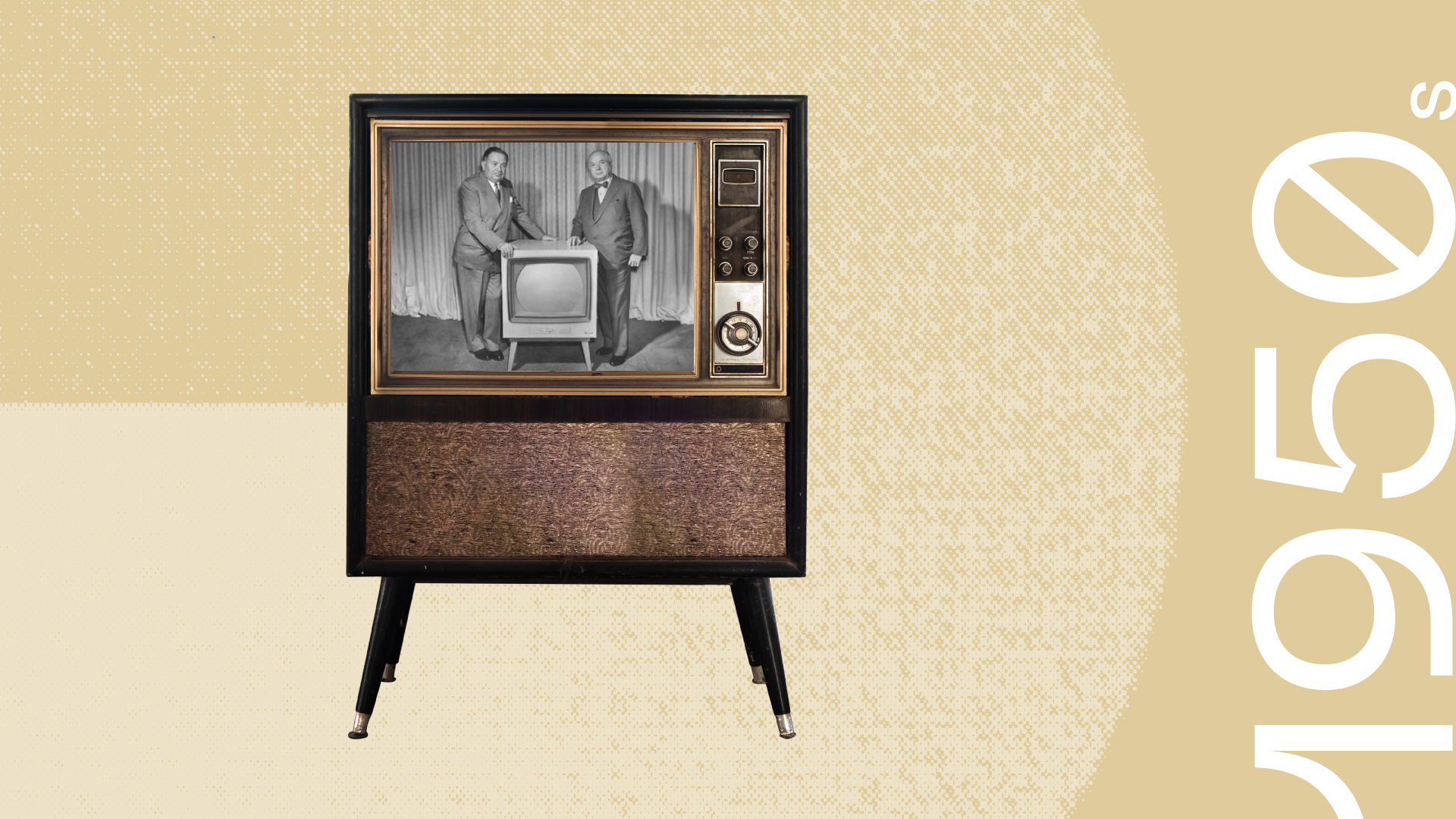
Color televisions first appeared in the early 1950s but were costly and rare. By the mid-1960s, more shows aired in color, making color TVs popular and affordable for many households. This shift changed how people enjoyed entertainment at home.
Television began as a black and white medium in the early 20th century. Inventors worked on sending moving images over the airwaves. The first TVs used mechanical systems with spinning disks.
By the 1930s, electronic television replaced mechanical designs. It used cathode ray tubes (CRT) to display images on screens. The images were still only in shades of gray.
Development Of Color Tv Systems
Scientists started experimenting with color transmission in the 1940s. They combined three primary colors: red, green, and blue. This method allowed screens to show a full range of colors.
Several companies raced to create the first practical color TV. RCA was a leading firm in developing the National Television System Committee (NTSC) standard. This standard ensured color TV signals worked with black and white sets.
Challenges In Early Color Television
Early color TVs were very costly and bulky. Most TV programs remained in black and white during the 1950s. Few people could afford color sets, so adoption was slow.
Color broadcasts required new cameras and equipment, making production harder. TV stations hesitated to switch fully due to these expenses. The technology needed improvements to become popular.
The First Color Broadcasts
The first public color TV broadcast happened in 1953 in the United States. Major networks started airing some shows in color by the late 1950s. Sports events and special programs often appeared in color first.
Despite early broadcasts, color TV did not become widespread until the 1960s. The price of color sets dropped, and more color programs were made. This period marked the true beginning of color TV for most viewers.
Birth Of Color Tv Standards
The birth of color TV standards marked a key moment in television history. It allowed color broadcasts to reach homes with consistent quality. Developing these standards was complex due to technical challenges and compatibility issues.
Engineers worked to create systems that could display color without losing the ability to show black and white signals. This ensured older TVs could still receive broadcasts while new color TVs advanced the experience.
Ntsc Standard In The United States
The NTSC standard was the first official color TV system. Introduced in 1953, it became the foundation for color broadcasting in the U.S. NTSC used a method that combined color signals with black and white signals.
This compatibility meant early color TVs could show color programs, and black and white TVs could still show the same programs in monochrome. NTSC set a technical guideline for color quality and transmission.
Pal And Secam Standards In Europe
Europe developed its own color TV standards after NTSC. PAL and SECAM systems appeared in the late 1950s and early 1960s. Each had unique ways to handle color signals and reduce errors.
PAL focused on improving color stability and reducing hue errors. SECAM used a different signal method, suited for countries like France and parts of Eastern Europe. Both systems helped Europe adopt color TV widely.
Challenges In Early Color Tv Adoption
Early color TVs were costly and complicated to produce. Many TV programs remained in black and white. This slowed the public’s interest in buying color sets.
Broadcasting infrastructure also needed upgrades to support color signals. Networks and manufacturers worked hard to promote color TV as the future of entertainment. Gradually, more shows appeared in color, increasing demand.
Rca And The Ct-100 Launch
RCA introduced the CT-100 in 1954, one of the first color TVs available to the public. Early color TVs were costly, and most shows were still in black and white. Widespread color TV adoption grew slowly through the 1960s as more programs switched to color broadcasts.
The launch of the RCA CT-100 marked a new era in television history. Introduced in 1954, it was one of the first color TV sets sold to the public. This television used the NTSC color standard, which became the foundation for color broadcasting in the United States.
The CT-100 featured a 15-inch screen and a sleek design for its time. It was a bold step by RCA to bring color into homes, but the technology was still very new. The price was high, making it a luxury item for many families.
Early Challenges Of The Ct-100
The CT-100 faced several challenges after its launch. The price of over $1,000 was too expensive for most people. Also, color broadcasts were limited, with many shows still in black and white.
Technical issues like screen burn-in and color accuracy affected user experience. Many buyers found the set less reliable than hoped. These problems slowed the adoption of color TVs in the early years.
Impact On Television Technology
The CT-100 helped set the stage for future improvements. RCA and other companies learned from its flaws. Over time, color TVs became more affordable and reliable.
By the mid-1960s, color TV programming grew, and more households started buying color sets. The CT-100 was a pioneering product that made this possible.
Challenges Of Early Color Tvs
Early color televisions brought excitement and new experiences to viewers. Yet, they faced many challenges that slowed their popularity. The technology was new and complex. This made the first color TVs large and costly.
Many families could not afford these expensive sets. Also, most TV shows were still in black and white. This made buying a color TV less useful for many viewers. The early models often had poor picture quality. Colors sometimes appeared faded or incorrect.
Broadcasting color programs was also difficult. Stations needed new equipment to send color signals. This transition took time and money. As a result, color TV programs were rare at first. These combined problems made early color TV a luxury, not a necessity.
High Cost Of Early Color Tvs
Color TVs were costly to produce and buy. The price was much higher than black and white sets. This limited sales to wealthy customers. Many people waited years before switching to color TV.
Poor Picture Quality
Early color TVs had blurry and uneven colors. The technology was not fully developed. Viewers often saw strange color shifts or flickering. This lowered the viewing experience and satisfaction.
Limited Color Broadcasting
Few TV programs were made in color. Most channels still aired black and white shows. Broadcasters needed new tools to send color signals. This delayed the spread of color TV content.
Technical Complexity And Maintenance
Color TV sets had complicated parts inside. Repairs and maintenance were harder and costlier. Many users found them unreliable. This made some buyers hesitate to purchase early models.
Color Broadcast Milestones
The journey to color television changed how people watched shows forever. It began with early experiments and tests in the 1940s and 1950s. Broadcasters worked hard to create a system that could show color pictures on TV screens.
Many challenges slowed down the process. Color TVs were costly, and most programs stayed black and white. Still, the technology improved step by step. By the 1960s, color broadcasts became more common and affordable.
Early Color Tv Experiments
Color broadcasting started with limited tests in the late 1940s. RCA introduced the first color TV system in 1950. The CT-100 was the first color TV sold to the public. It cost over $1,000, which was very expensive then.
Few channels offered color programs at first. Broadcasters needed to develop standards for color signals. The National Television System Committee (NTSC) created a color standard in 1953. This standard made color TV compatible with black and white sets.
First Color Broadcasts
In 1953, the first official color broadcasts began. NBC was a leader in airing programs in color. Early broadcasts included special events and sports. These broadcasts helped attract viewers to color TV.
However, color shows were rare and mostly aired on weekends. Most viewers still watched black and white programs during the week. The limited color content slowed the growth of color TV sales.
Widespread Adoption In The 1960s
The 1960s marked a turning point for color television. Networks increased color programming significantly. By 1966, over half of prime-time shows were in color. This change made color TVs more appealing to buyers.
Manufacturers lowered prices, making color sets affordable for many families. Networks promoted color shows heavily to boost demand. The phrase “In Color!” appeared in TV guides and ads. This marketing helped spread color TV across the country.
Color Tv Becomes The Norm
By the late 1960s, most new TV sets were color models. Color broadcasts became the standard for major networks. By 1972, almost all prime-time shows were in color. Black and white TV gradually faded away.
Color TV changed the viewer experience. Shows appeared more vibrant and lifelike. This shift shaped the future of television entertainment worldwide.

Credit: en.wikipedia.org
Rise Of Color Programming
The rise of color programming marked a big change in television history. Networks started adding more color shows in the 1960s. Color TV moved from a rare luxury to a common feature in many homes.
At first, few programs were in color. Most TV shows stayed black and white because color cameras and broadcasting were costly. Over time, technology improved and became cheaper. This helped more shows switch to color.
Increased Color Programming
By the mid-1960s, over half of prime-time shows aired in color. Networks focused on creating more colorful content. Popular series and live events began to use color to attract viewers.
Color helped shows stand out. It made programs more exciting and visually appealing. Viewers enjoyed seeing their favorite actors and scenes in full color.
Marketing Push
TV makers and networks advertised color programming heavily. They used slogans like “In Color!” to catch attention. Ads showed how color TV was better than black and white.
This marketing made people want color TVs. Stores displayed color sets prominently. Seeing color broadcasts on a screen was a strong selling point for many buyers.
Improved And More Affordable Technology
Early color TVs were expensive and hard to find. Technology advances lowered production costs. More affordable color sets entered the market by the late 1960s.
Better color cameras and broadcasting equipment helped too. Networks could deliver clearer, brighter images. This progress sped up the shift to color programming.
Viewer Demand
As viewers saw color shows, they wanted more. The demand for color TV sets grew quickly. Families upgraded their TVs to enjoy new programs fully.
Shows in color offered a fresh experience. This pushed networks to keep increasing color content. Color programming soon became the standard for most broadcasts.
Marketing The Color Revolution
The launch of color television was more than just a new technology. It was a bold marketing challenge. Companies needed to convince people to upgrade from black and white sets. They had to show the real value of watching in color.
Advertisers focused on the excitement and vividness of color TV. They made viewers curious about what they were missing on their old screens. This helped create a strong desire to own a color TV.
Highlighting Color Programming
TV networks increased the number of shows broadcast in color. They proudly announced that over half of prime-time programs were now in color. This made color TV more appealing to audiences.
Promotions often included phrases like “In Color!” to catch the eye. These ads reminded viewers that color shows were the new standard. This strategy helped push color TV sales.
Advertising The New Experience
Manufacturers and networks worked together on marketing campaigns. They showed how color made programs more exciting and lifelike. Commercials displayed bright colors and sharp images to attract buyers.
Stores set up color TV displays to let customers see the difference. This hands-on experience helped people appreciate the technology. It made the idea of owning a color TV more real and desirable.
Making Color Tvs More Affordable
Early color TVs were expensive, limiting sales. Over time, production improvements lowered prices. Advertisers highlighted these price drops to encourage purchases.
With more affordable sets, families saw color TV as a smart investment. This shift helped spread color TV into more homes across the country.
Building Viewer Demand
As more shows appeared in color, viewers wanted to watch them properly. Demand grew quickly for color sets to enjoy the new experience. This cycle of content and demand boosted the color TV market.
People did not want to miss out on the vibrant, colorful programs. This hunger for color content made the technology a household essential soon after its introduction.
Price Drops And Wider Adoption
Price drops played a key role in making color TVs popular. At first, color televisions were very costly. Only wealthy families could afford them. This limited their use to a small group of people.
As technology improved, manufacturers found ways to lower production costs. This made color TVs more affordable for many households. Gradually, prices fell throughout the 1960s and 1970s.
Lower prices encouraged more people to buy color TVs. More homes had access to vibrant and colorful images. This wider adoption helped color TV become the new standard.
Early High Costs Limited Buyers
The first color TVs cost thousands of dollars. This was a big amount in the 1950s. Most people chose black and white TVs instead. Color sets were seen as luxury items only.
Technological Advances Reduce Prices
New production methods made color TVs cheaper to build. Companies improved screen and circuit designs. These changes helped lower retail prices quickly.
More Color Shows Boost Demand
TV networks started airing more programs in color. They advertised these shows to attract viewers. People wanted to watch their favorite programs in color.
Color Tvs Enter More Homes
As prices dropped, families bought color TVs in large numbers. This created a surge in sales during the late 1960s. Color television became common in American living rooms.
Impact On Viewer Experience
The arrival of color TVs changed how people watched television. Viewing became more lively and engaging. Color added depth and realism to images that black and white could not provide.
Shows and movies felt more natural and interesting. Viewers could see details like clothing colors, landscapes, and facial expressions clearly. This made storytelling more powerful and enjoyable.
Enhanced Visual Appeal
Color TVs brought brightness and variety to the screen. Scenes looked vibrant and inviting. This made programs more attractive to watch for longer periods.
Children’s shows, sports, and nature documentaries especially benefited. Colors helped explain and show things better than before. Audiences connected more with the content.
Emotional Connection
Colors influenced moods and feelings while watching. Warm colors made scenes feel cozy or exciting. Cool colors created calm or sad atmospheres.
Producers used color to guide viewers’ emotions. This added a new layer to storytelling. It helped viewers feel closer to characters and stories.
Increased Viewer Engagement
People spent more time watching TV after color was introduced. The new experience kept their attention better. Color made broadcasts feel modern and fresh.
More viewers wanted color TVs to enjoy shows fully. This demand pushed manufacturers to improve technology and lower prices. Television became a central part of family life.
Credit: www.sri.com
Transition To Color As The Norm
Color TVs first appeared in the early 1950s but were costly and rare. By the mid-1960s, color broadcasts became common, making color the standard for most shows. This shift increased demand as viewers wanted to enjoy more vibrant images at home.
The shift from black and white to color television marked a major change in how people watched TV. Color TVs started to appear in the 1950s, but they were costly and rare. Many TV programs were still made in black and white, so color sets were a luxury item for a long time.
By the mid-1960s, color programming increased rapidly. Networks began broadcasting more shows in color to attract viewers. Advertisers and manufacturers promoted color TV sets as the new standard for home entertainment.
Increased Color Programming
Television networks invested heavily in producing shows in color. Over half of the prime-time programs were broadcast in color by the late 1960s. This made color TV more appealing to the average viewer.
Popular shows like sitcoms, sports, and variety programs helped push color as the main format. Viewers wanted to experience their favorite shows in vibrant color instead of black and white.
Marketing Push And Viewer Demand
TV manufacturers and networks used strong marketing campaigns to promote color TVs. Ads often highlighted “In Color!” to catch viewers’ attention. This created excitement and curiosity about color television.
As more color programs became available, demand for color TV sets grew. People wanted to upgrade their old black and white TVs to enjoy the new viewing experience. This demand helped lower the price of color sets over time.
Improved And Affordable Technology
Early color TVs were expensive and bulky. Advances in technology made color sets smaller and more affordable in the late 1960s and early 1970s. This allowed more families to buy color TVs for their homes.
Better manufacturing techniques and competition among brands helped reduce costs. By the early 1970s, color TV sets became the norm in most American households.

Credit: www.scienceandmediamuseum.org.uk
Frequently Asked Questions
When Did Color Tv Come Out To The Public?
Color TV became publicly available in the early 1950s, with RCA introducing the first color set in 1954. Widespread adoption grew through the 1960s as programming shifted to color broadcasts. By the mid-1960s, color TV became common in American households.
Why Did Many Families Switch To Color Tvs In 1965?
Many families switched to color TVs in 1965 due to increased color programming and more affordable, improved technology. Networks promoted vibrant color shows, boosting viewer demand.
How Much Was A Color Tv In 1965?
A color TV in 1965 typically cost between $400 and $1,000, equivalent to $3,500-$8,500 today.
When Did Tv Shows Start Being In Color?
TV shows began airing in color during the early 1950s, but widespread adoption occurred in the mid-1960s.
When Did Color Tvs First Appear On The Market?
Color TVs were first sold commercially in the early 1950s, with RCA’s CT-100 debuting in 1954.
What Year Did Color Tv Become Popular In The Us?
Color TV gained popularity in the US during the mid-1960s as more programs aired in color.
How Did Color Tv Technology Develop Over Time?
It evolved from expensive, rare sets to affordable, widely available models by the late 1960s.
When Did Most Tv Programs Start Broadcasting In Color?
By 1966, over half of prime-time network shows were broadcast in color in the US.
Why Were Early Color Tvs So Expensive?
Early color TVs used complex technology and costly components, making them luxury items.
How Long Did It Take For Color Tvs To Replace Black And White?
It took about 15 years for color TVs to become more common than black and white sets.
Conclusion
Color TVs first appeared in the early 1950s, but were costly. Most homes still used black and white sets for years. By the mid-1960s, color broadcasts increased, making color TVs more popular. Technology improved and prices dropped, helping many families buy color TVs.
Today, color television is standard and part of everyday life. Understanding this history shows how quickly TV technology changed. The shift to color made watching shows more exciting and lifelike. Color TVs truly changed how people enjoy entertainment at home.