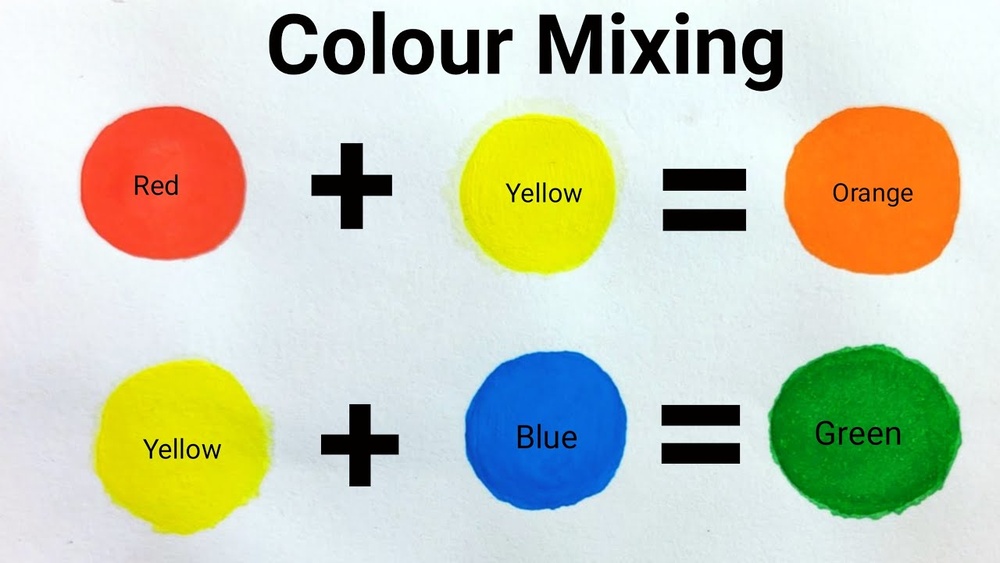
Have you ever wondered how to make the color orange? Whether you’re painting, crafting, or just curious about colors, knowing how to create orange is simple and fun.
You don’t need special paints or tools—just two basic colors that you probably already have. You’ll discover exactly which colors to mix, how to adjust the shades, and easy tips to get the perfect orange every time. Ready to add a vibrant splash of orange to your next project?
Let’s dive in and unlock the secret to making this warm, energetic color yourself!

Credit: smart.dhgate.com
Primary Colors For Orange
Understanding the primary colors for orange is key to creating this vibrant hue. Orange is not a primary color itself, but a secondary one. It forms by mixing two primary colors together.
The primary colors needed to make orange are red and yellow. These two colors blend to produce a wide range of orange shades. By changing the amount of red or yellow, you can create many variations of orange.
Red: The Warm Base
Red provides warmth and depth to orange. It is a strong color that influences the final shade. Using more red will result in a deeper, richer orange. Red is essential for making bold and intense orange tones.
Yellow: The Bright Enhancer
Yellow adds brightness and light to orange. It softens the intensity and makes orange appear more vivid. Increasing yellow creates lighter and more vibrant orange shades. Yellow balances the richness of red for a perfect orange mix.
Mixing Red And Yellow
Start with equal parts red and yellow to get true orange. Adjust the ratio to change the shade. More red makes a darker orange, while more yellow creates a lighter, brighter orange. Experiment with small amounts to find your ideal orange.

Credit: www.celebratingcolor.com
Mixing Equal Parts
Mixing equal parts of red and yellow paint is the simplest way to make the color orange. This method gives a bright, true orange every time. It is perfect for beginners and anyone who wants a clear, vibrant orange without guesswork.
Start by squeezing out a small amount of red paint onto a palette. Do the same with yellow paint. Use a brush or a palette knife to mix both colors thoroughly. Keep mixing until the color looks even and smooth.
This basic orange can be changed by adding more red or yellow later. But the equal parts mix creates a good starting point for many art projects.
How To Mix Equal Parts Of Red And Yellow
Place red paint on your palette. Add an equal amount of yellow paint next to it. Blend both colors fully to create a uniform orange. Check the color and adjust if needed.
Why Equal Parts Matter
Using equal amounts of red and yellow ensures a balanced orange. Too much red makes it look redder. Too much yellow makes it look more yellow. Equal parts create a true orange hue.
Tips For Mixing Orange Paint
- Use fresh paint for the best color.
- Mix on a clean palette for accurate colors.
- Mix slowly to avoid splattering paint.
- Test the color on paper before applying it to your project.
Creating Red-orange Shades
Creating red-orange shades adds warmth and vibrancy to your color palette. These shades blend the intensity of red with the brightness of orange. Adjusting the mix can produce colors perfect for art, design, or decoration.
Understanding The Base Colors
Start with primary colors: red and yellow. Red gives depth, while yellow adds brightness. Mixing equal parts produces a true orange color. To shift toward red-orange, increase the red portion slightly. This creates a richer, warmer hue.
Adjusting The Red Intensity
Add more red to the orange mix to emphasize the red tone. Use small amounts to avoid overpowering the color. This method creates shades often seen in sunsets and autumn leaves. It makes the orange appear deeper and more vibrant.
Lightening Red-orange Shades
Introduce white paint to soften the red-orange mixture. This lightens the color and creates peachy or coral tones. Use white carefully to keep the color vivid but gentle. Lightened red-orange shades work well in design for a calm, inviting look.
Muting Red-orange Colors
Add a tiny bit of blue or black to dull the brightness. This lowers the intensity and creates earthy, muted shades. These colors suit natural themes and give a rustic feel. Use muted red-orange sparingly to maintain warmth without overwhelming.
Making Yellow-orange Tones
Yellow-orange tones add warmth and brightness to your color palette. These hues look lively and cheerful. Creating them involves mixing yellow with red in specific ways. Adjusting the balance changes the shade and feel of the color.
Small changes in the mix create many variations. These tones work well in art, design, and crafts. Learning to make yellow-orange tones is simple and fun.
Use More Yellow For Lighter Orange
Start with yellow as the base color. Add a small amount of red slowly. Mix well and check the color. More yellow makes the orange lighter and brighter. This is perfect for sunny and fresh designs.
Add White To Soften The Tone
Mix white paint with your yellow-orange mix. White makes the color softer and pastel-like. This creates peach or light apricot tones. These colors are gentle and pleasing to the eye.
Adjust With Red For Deeper Shades
Increase the red in your mix carefully. This deepens the orange toward a richer, warmer tone. It can look like autumn leaves or ripe fruit. Use this for bold and cozy color schemes.
Experiment With Small Amounts Of Other Colors
Add tiny bits of brown or green to mute the orange. This makes the yellow-orange look more natural. It works well for landscapes or earthy themes. Always add small amounts to avoid overpowering the color.
Lightening Orange With White
Lightening orange with white is a simple way to create soft, pastel tones. This technique helps make the color more delicate and bright. It is useful for adding highlights or painting objects that need a gentle touch. White paint changes orange’s intensity without altering its warmth.
Adding white to orange makes the color lighter and less bold. The more white you add, the softer the orange becomes. This method is common in art and design to create variations of orange for different effects.
How To Add White To Orange
Start with a base of orange paint. Use a small amount of white paint. Mix the white into the orange slowly. Stir well to see the true color change. Stop adding white once you reach the desired lightness.
Effects Of Lightening Orange
The orange becomes a peach or apricot shade. It looks less intense and more pastel. Lightened orange can feel calm and warm. It works well in backgrounds or soft themes. The color still holds the energy of orange but in a milder form.
Tips For Mixing White With Orange
Use clean brushes to avoid muddy colors. Mix paints on a palette for control. Add white in small amounts to avoid over-lightening. Test the color on paper before painting. Remember, white paint can dry slightly lighter than it looks wet.
Darkening Orange With Black
Darkening orange with black creates a deeper, richer shade. This technique helps artists and designers achieve a more muted or intense orange. Adding black changes the brightness and tone without altering the basic color. It is useful for shadows and dramatic effects in artwork.
How To Add Black To Orange
Start with your base orange color. Use a small amount of black paint or pigment. Mix the black into the orange slowly. Add more black little by little. This prevents the orange from becoming too dark too fast. Stir well to see the true shade.
Effects Of Black On Orange
Black lowers the brightness of orange. It makes the color look more earthy and warm. The shade becomes less vibrant but more sophisticated. You can control how dark the orange gets by adjusting black quantity. Small black amounts create a subtle darkening effect.
Tips For Darkening Orange Successfully
Always add black in small doses. Mix thoroughly after each addition. Test the shade on a separate surface. Let the paint dry to see the final color. Avoid adding too much black at once. Keep some pure orange for comparison.
Using Blue To Muted Orange
Using blue to mute orange is a simple way to create subtle, earthy tones. Adding blue tones down the bright and warm feeling of orange. This process produces colors that are less intense and more natural-looking. Artists often use this technique to balance their color palette.
What Happens When You Add Blue To Orange?
Blue is opposite orange on the color wheel. Mixing opposites causes colors to neutralize each other. When you add blue to orange, the result is a muted or toned-down orange. The color becomes less vibrant and more subdued. This effect helps create shadows and depth in paintings.
How To Mix Blue And Orange Correctly
Start with a base of orange made from red and yellow. Add a tiny bit of blue slowly. Mix well after each drop of blue. Stop adding blue when you see the desired muted shade. Too much blue will turn the color gray or brown.
Best Uses For Muted Orange Colors
Muted oranges work well in landscapes and portraits. They bring warmth without overwhelming the scene. These colors are perfect for fall themes and rustic designs. Use muted orange to add softness and balance to your artwork.
Tips For Vibrant Orange
Creating a vibrant orange color can brighten any artwork or project. Achieving the perfect orange requires more than just mixing red and yellow. Small changes in the mix can make a big difference. These tips help you get a strong, lively orange every time.
Use Equal Parts Red And Yellow
Start with equal amounts of red and yellow paint. This balance creates a true, bright orange. Too much red makes the color darker. Too much yellow makes it lighter and more yellowish. Mix slowly and watch the color change.
Choose Bright Red And Yellow Shades
Use bright primary colors for the best results. Avoid dull or dark reds and yellows. Bright colors mix into a more vibrant orange. This gives your orange a fresh and strong look.
Mix Thoroughly For Uniform Color
Blend red and yellow well to avoid streaks. Uneven mixing causes patches of red or yellow. Use a palette knife or brush to stir the colors completely. The result is a smooth, even orange tone.
Add White To Lighten Orange
Add a small amount of white paint to make orange lighter. This creates soft shades like peach or coral. Add white slowly to keep the orange vibrant. Too much white can make the color dull.
Use A Touch Of Blue To Mutate Orange
Add a tiny bit of blue to mute the orange color. Blue tones down brightness and adds depth. Use sparingly; too much blue makes the color brown or gray. This technique helps create earthy or vintage orange shades.
Common Mistakes To Avoid
Mixing the color orange seems simple, but many make avoidable errors. These mistakes affect the final color and cause frustration. Knowing common pitfalls helps create the perfect orange every time.
Small changes in color mixing can lead to unwanted shades. Avoid these errors to keep your orange bright and true.
Using Unequal Amounts Of Red And Yellow
Orange comes from mixing red and yellow in equal parts. Adding too much red makes the color look more like red than orange. Too much yellow results in a pale, yellowish hue. Measure your paint carefully for a balanced orange.
Mixing Colors Without Proper Tools
Using fingers or rough tools can create uneven color blends. A palette knife or brush helps mix paint smoothly. This creates a consistent orange without streaks or patches.
Ignoring Paint Quality And Type
Cheap or old paint can affect color results. Different brands have varying pigment strengths. Use fresh, good-quality paint for vivid orange shades.
Adding White Or Black Too Early
Adding white or black before mixing red and yellow changes the base tone. First, create pure orange. Then adjust brightness or darkness. This helps control the final shade better.
Not Testing The Mixed Color
Skipping a color test can lead to surprises. Always try your mixed orange on a small paper or canvas. This shows how the color looks when dry and under light.

Credit: www.youtube.com
Applications Of Orange Shades
Orange shades have many uses in daily life and art. They bring warmth, energy, and attention. Orange can brighten spaces and evoke strong emotions.
People use orange tones in design, fashion, and marketing. Different shades of orange create different moods. Light oranges feel soft and friendly. Dark oranges appear rich and cozy.
Interior Design And Home Decor
Orange shades add warmth to rooms. Soft orange walls make spaces inviting. Bright orange accents create lively areas. Designers use orange to balance neutral tones. It works well in living rooms and kitchens.
Fashion And Accessories
Orange clothes stand out in crowds. Light orange gives a fresh look. Dark orange adds depth and style. Accessories like scarves or shoes use orange for a pop of color. It suits all seasons and skin tones.
Advertising And Branding
Orange grabs attention quickly. Brands use orange to seem fun and friendly. It signals creativity and enthusiasm. Orange logos often appear in tech and food industries. It helps products stand out on shelves.
Art And Creativity
Artists mix orange to express energy and emotion. Orange shades highlight warmth in paintings. Combining orange with other colors creates contrast. It brings life to landscapes and portraits.
Frequently Asked Questions
Which Two Colors Make Orange?
Red and yellow make orange by mixing these two primary colors. Adjust their amounts to create various orange shades.
Do Yellow And Red Make Orange?
Yes, mixing yellow and red creates orange. Adjust ratios to get lighter or darker shades. Orange is a secondary color.
Do Blue And Red Make Orange?
Blue and red do not make orange. Mixing red and yellow produces orange. Blue combined with red creates purple.
Can Red And Green Make Orange?
Red and green do not make orange. Orange forms by mixing red and yellow, not green.
What Two Colors Combine To Make Orange?
Mix red and yellow paint in equal parts to create the color orange.
How Can I Make Lighter Shades Of Orange?
Add small amounts of white paint to orange for a lighter, peach-like shade.
How Do I Create Darker Orange Tones?
Mix orange with a little black or blue paint to darken the shade.
Can I Make Orange Using Colored Pencils?
Yes, blend red and yellow colored pencils to achieve an orange color.
Why Is Orange Called A Secondary Color?
Orange forms by mixing two primary colors: red and yellow.
How Do Proportions Affect The Orange Shade?
More red makes a reddish-orange; more yellow makes a yellowish-orange.
Conclusion
Mixing red and yellow gives you the color orange. Adjust the amounts to find your perfect shade. Adding white makes orange lighter, like peach. A bit of black or blue creates darker tones. Experiment with these simple steps to see what you like.
Making orange is easy and fun for all skill levels. Keep practicing to create many beautiful shades of orange. This basic color mixing skill helps in painting and crafts. Enjoy creating your own unique orange colors today!