Are you ready to add a burst of warmth and energy to your art or baking projects? Knowing how to make orange coloring yourself gives you full control over the shade and intensity, whether you want a bright, vibrant orange or a soft, pastel peach.
In this guide, you’ll discover simple, step-by-step techniques to mix the perfect orange using just a few basic colors. You’ll learn how small changes in your color mix can transform your orange from bold and fiery to muted and subtle.
Keep reading to unlock these creative secrets and bring your projects to life with the perfect shade of orange!
Basic Color Mixing
Basic color mixing is the foundation for creating vibrant orange hues. It involves blending two primary colors to form a new, bright shade. Understanding the right colors and their amounts helps achieve the perfect orange. This simple process allows you to customize your orange to suit any project or artwork.
Primary Colors Needed
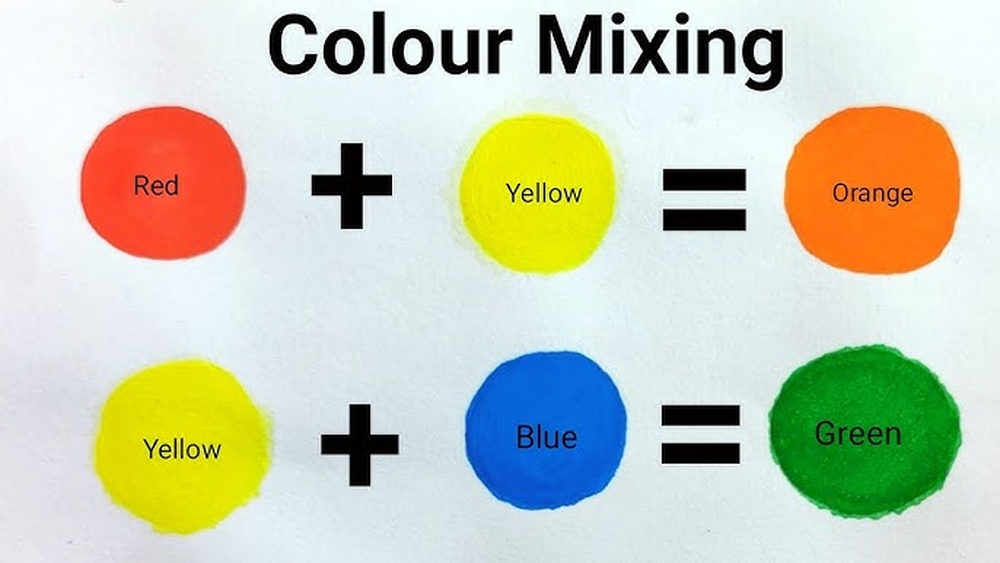
To make orange, you need two primary colors: red and yellow. These colors cannot be made by mixing other colors. Red and yellow combine to form orange, the secondary color. Using pure red and yellow paints or pigments gives the best results. The quality of your primary colors affects the final shade of orange.
Red And Yellow Ratios
The ratio of red to yellow controls the tone of your orange. More red creates a deeper, richer orange. More yellow results in a lighter, brighter orange. Start with equal parts red and yellow, then adjust as needed. Mixing small amounts at first helps you find the perfect balance.
Adjusting Orange Shades
Adjusting orange shades lets you create the perfect color for your project. Orange is a blend of red and yellow. Changing the amount of each color changes the shade you get. You can make orange lighter or deeper. This gives you many options to match your needs. Below are simple tips to adjust orange shades easily.
Lighter Oranges With More Yellow
To make a lighter orange, add more yellow to the mix. Yellow brightens the color and softens the red. Start with equal parts red and yellow. Then add small amounts of yellow until you reach the desired lightness. This creates a fresh, sunny orange shade. It works well for cheerful and warm designs.
Deeper Oranges With More Red
For a deeper orange, increase the red in your mixture. Red adds richness and warmth to the color. Begin with equal parts red and yellow. Slowly add more red to darken the orange. This gives a bold and intense shade. It fits great with autumn themes and strong visuals.
Creating Burnt Orange
Creating burnt orange involves mixing orange with darker, muted tones. This color has a warm, rich look. It works well in art, design, and crafts. You can make burnt orange by carefully adjusting your color mix. A little blue can help achieve the perfect muted effect.
Adding Blue For Muted Tones
Start with a base of orange, made by mixing red and yellow. Add a tiny amount of blue paint slowly. Blue tones down the brightness of orange. It creates a deep, earthy color. Use a small brush to add blue little by little. Mix well after each addition. Stop adding blue once you reach the desired shade.
Balancing The Mixture
Check your color under natural light. Adjust the mix by adding more red or yellow to warm it up. Add blue carefully to keep the burnt effect without making it dull. Mix colors thoroughly to avoid streaks. Keep track of your ratios to replicate the color later. Test your color on a scrap piece before final use.
Making Peach Tones
Making peach tones adds a gentle, warm touch to your orange color palette. Peach is a softer version of orange. It feels light and calm, perfect for many designs and artworks.
To create peach tones, you start with a base orange. Then, you adjust it to make the color lighter and less intense. This process involves mixing with other colors to soften the brightness of orange.
Using White To Soften Color
White is the key to softening orange into peach tones. Adding white paint or white coloring lightens the orange color. It reduces the boldness and brings a creamy, pastel feel.
Start with a small amount of white. Mix it well with your orange until you reach the desired softness. Keep adding white little by little. This helps to avoid making the color too pale.
White also helps balance the warmth of orange. It creates a fresh and gentle peach tone. This tone works well for backgrounds, skin tones, and soft designs.
Pastel Orange Variations
Pastel orange is another way to describe peach tones. You get pastel orange by mixing orange with white and sometimes a tiny bit of red or yellow. This keeps the color warm but soft.
You can make many pastel orange shades. Change the amount of white or mix in a small drop of pink or yellow. Each mix gives a unique peach tone. Experiment to find the perfect shade for your project.
Pastel orange variations are great for art, fashion, and home decor. They add a soft, inviting look without losing the energy of orange.
Color Bias Effects
Color bias plays a key role in making orange coloring. It refers to the dominance of one color over another in a mix. This dominance changes the final shade of orange. Understanding color bias helps you create the orange you want. It affects warmth, brightness, and tone. Different biases can produce subtle or strong shifts in color. Experimenting with color bias leads to better color control and creativity.
Impact Of Red Bias
Red bias means adding more red to the yellow-red mix. This makes the orange deeper and richer. The color leans toward a warm, intense look. Red bias creates oranges that feel bold and strong. These shades often appear more vibrant and fiery. Red bias works well for autumn themes and warm designs. It can also give a sense of energy and passion in your artwork.
Impact Of Yellow Bias
Yellow bias means adding more yellow to the mix. This creates a lighter, softer orange shade. The orange looks brighter and sunnier with yellow bias. It gives a fresh, cheerful feeling to the color. Yellow bias is great for spring or summer projects. It adds warmth without heaviness or intensity. This bias helps make orange look more natural and glowing.
Using Different Paint Types
Using different paint types changes how you mix and see the orange color. Each paint type reacts differently with red and yellow pigments. This affects the final orange shade, its brightness, and texture. Knowing how to work with each paint helps you get the orange you want.
Acrylic Color Mixing
Acrylic paints dry fast and have thick texture. Mix red and yellow acrylic paint on a palette for a strong orange. Adding more red creates a deep orange. More yellow makes a bright, light orange. You can blend colors smoothly or keep brush strokes visible. Acrylic paint also lets you layer colors to change the orange shade.
Watercolor Techniques
Watercolors are transparent and flow easily on paper. Mix red and yellow with water to get orange in soft tones. Use less water for rich, bold orange. More water gives a light, washed-out effect. Layering orange washes builds depth and variation. Watercolors let you create smooth blends or textured patterns by adjusting water and paint amount.
Diy Orange Food Coloring
Making your own orange food coloring at home is simple and fun. It lets you control the ingredients and avoid artificial additives. You can create bright, natural orange hues using easy-to-find items. This guide shows two main methods to make orange coloring for your cooking and baking projects.
Natural Ingredients Options
Use natural foods to make orange coloring. Carrots are a popular choice. Boil chopped carrots until soft, then blend and strain the juice. This juice works well as a food dye. Another option is pumpkin or sweet potato. Cook and puree them, then dilute with a little water for coloring. Paprika powder also adds an orange tint when mixed into recipes. These options give a healthy, chemical-free color to your dishes.
Using Commercial Food Dyes
Commercial food dyes offer a quick way to get bright orange color. Mix equal parts of red and yellow food coloring to make orange. Adjust the amounts to get lighter or darker shades. Use gel or liquid dyes depending on your recipe. Gel dyes give more intense color with less quantity. Always add food dye gradually and stir well to reach the perfect hue. Store extra dye in a sealed container for future use.

Credit: partnersinfire.com
Tips For Vibrant Hues
Creating vibrant orange hues requires more than just mixing red and yellow. Small adjustments and careful techniques bring out the best color. Bright, lively orange shades make your art stand out and feel fresh. Follow these simple tips to avoid dull results and enhance brightness effectively.
Avoiding Dull Colors
Use pure red and yellow paints without too much white or black. Adding black dulls the orange and makes it look muddy. Avoid mixing too many colors together; this can weaken the vibrancy. Stir the paint gently to keep the color fresh and bright. Choose warm reds and yellows for a glowing orange tone.
Enhancing Brightness
Increase brightness by adding a small amount of white carefully. Too much white can wash out the color, so add it slowly. Use a clean brush to blend colors smoothly for even brightness. Add a tiny bit of orange or red glaze for a glowing effect. Try mixing in a little yellow ochre to warm the hue without dulling it.
Common Mistakes To Avoid
Creating the perfect orange color can be simple, but some common mistakes can spoil your results. Avoiding these errors ensures your orange looks vibrant and true. Understanding these pitfalls helps you mix colors confidently and achieve the shade you want.
Overmixing Colors
Mixing red and yellow too much can dull the orange. Overmixing blends the colors too deeply, making the orange look muddy or brownish. Stir gently until you see a smooth, bright orange. Stop mixing as soon as the colors combine well.
Ignoring Color Temperature
Red and yellow each have warm and cool tones. Using the wrong temperature affects the final orange shade. Warm reds and yellows create a rich, lively orange. Cool tones may make the orange look less vibrant or slightly off. Choose warm colors for a true orange.

Credit: www.youtube.com
Creative Orange Color Uses
Orange is a bright and lively color that sparks creativity. Using orange in art and crafts brings warmth and energy. This color works well for many creative projects. It adds a cheerful touch to decorations and art pieces. Explore ways to use orange coloring to make your work stand out.
Art Projects
Orange creates bold highlights in paintings and drawings. Mix red and yellow to get the perfect orange shade. Use it to paint sunsets, autumn leaves, or fruits. Orange can be the main focus or a bright accent. It helps bring life and excitement to any artwork.
Try blending different orange tones for depth. This adds richness and variety to your art. Use orange pastels, markers, or watercolors for vibrant effects. It fits well in abstract or realistic styles. Orange makes your art warm and inviting.
Crafts And Decorations
Orange is a great choice for seasonal crafts. It fits perfectly with fall and Halloween themes. Use orange paper, fabric, or paint for decorations. Make pumpkins, garlands, or festive cards with orange hues. This color draws attention and creates a happy mood.
Orange also works well for party decorations. Bright orange balloons, ribbons, or table settings add fun. Combine with other colors like blue or green for contrast. Orange crafts brighten up any room or event. It’s easy to use and looks fantastic everywhere.

Credit: smart.dhgate.com
Frequently Asked Questions
What Colors Do You Mix To Make Orange?
Mix red and yellow paint to make orange. Adjust the ratio for lighter or deeper shades. Adding white softens it, blue darkens it.
Do Yellow And Red Make Orange?
Yes, mixing yellow and red creates orange. Adjust the amounts to get various orange shades, from bright to deep tones.
Do Blue And Red Make Orange?
Blue and red do not make orange. Orange forms by mixing red and yellow, not blue. Adding blue darkens orange to brown.
Can Red And Green Make Orange?
No, mixing red and green does not make orange. Orange forms by mixing red and yellow colors.
What Two Colors Create Orange When Mixed?
Orange is made by mixing red and yellow paint in equal or varied amounts.
How Can I Make A Lighter Shade Of Orange?
Add white paint to your orange mix to make a lighter, softer orange shade.
What Makes Orange Darker Or Deeper In Color?
Mix a small amount of brown or black with orange to create a darker tone.
Can I Use Food Coloring To Make Orange?
Yes, mix red and yellow food coloring to get a bright orange color.
How Do I Make Bright Orange Paint For Art Projects?
Use pure red and yellow paints and mix them thoroughly for a vibrant orange.
What Is The Best Ratio For Red And Yellow To Make Orange?
Start with equal parts red and yellow, then adjust to get your desired shade.
Conclusion
Creating orange coloring is simple and fun with just two colors. Mix red and yellow to get the base orange shade. Change the amount of each color to make different tones. Add white for a lighter, softer orange. Use a small amount of blue for a darker, burnt orange.
Experiment often to find the perfect orange for your project. With practice, you will enjoy making many beautiful orange shades. Keep mixing and have fun with your colors!