Have you ever caught yourself staring at your newborn’s eyes, wondering what color they’ll finally settle into? It’s a question many parents ask, filled with curiosity and excitement.
You might notice your baby’s eyes look blue or gray at first, but will they stay that way? Understanding when newborns get their true eye color can help you enjoy every moment of this magical transformation. You’ll discover why your baby’s eye color changes, what to expect on the timeline, and how genetics and light play a role.
Keep reading to unlock the fascinating story behind your little one’s eyes—and find out when those baby blues might turn into something new.
Credit: www.pampers.com
Newborn Eye Color Basics
Newborns often have blue or gray eyes at birth due to low melanin. Eye color usually starts changing around 3 to 6 months. By one year, many babies show their permanent eye color, but some changes can continue up to 3 years.
Newborn babies often have eye colors that look different from their final shade. Many babies are born with blue or gray eyes. This happens because their irises have very little melanin at birth.
Melanin is the pigment that gives color to eyes, skin, and hair. The amount of melanin in the iris affects eye color. Less melanin means lighter eyes, while more melanin means darker eyes.
Why Eye Color Changes After Birth
After birth, babies start to produce more melanin. Light exposure activates pigment cells called melanocytes. These cells increase melanin production in the iris over time.
As melanin builds up, the eyes slowly change color. This process can take several months or even years. The eye color becomes darker or shifts to a new shade.
Timeline For Eye Color Development
Most babies’ eye colors begin changing between 3 to 6 months old. Some eyes settle into their permanent color by 9 months. Others may take up to 12 to 18 months.
During this time, eye color can change gradually or in small steps. It is normal for a baby’s eyes to look different at 1 year old than at birth.
Common Final Eye Colors
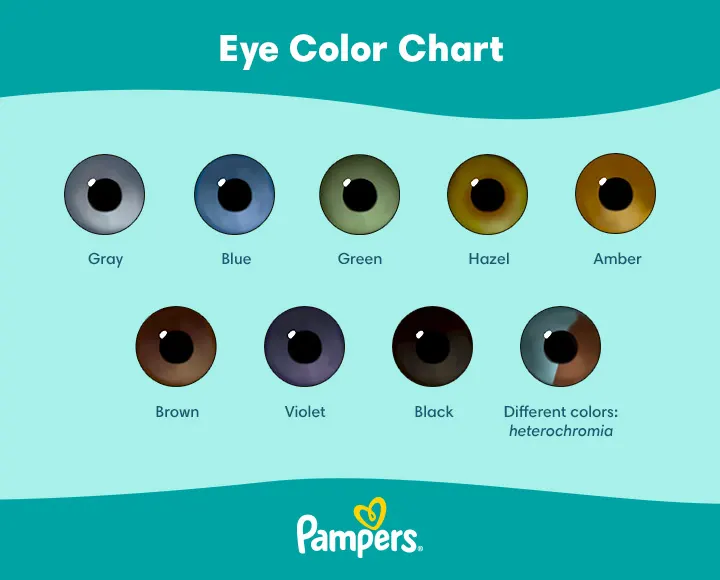
- Brown: High melanin levels produce brown eyes.
- Green or Hazel: Moderate melanin results in green or hazel eyes.
- Blue: Low melanin keeps eyes blue or gray.
The final color depends on genetics and melanin amount. Some babies keep their birth eye color, but many change.

Credit: community.babycenter.com
Role Of Melanin In Eye Color
Melanin plays a key role in determining eye color in newborns. This pigment is found in the iris, the colored part of the eye. The amount and type of melanin affect whether eyes appear blue, green, hazel, or brown.
At birth, most babies have little melanin in their irises. This low melanin level often makes their eyes look blue or gray. Over time, melanocytes, the cells that produce melanin, become more active. They add more pigment to the iris, changing the eye color.
How Melanin Affects Eye Color
Melanin absorbs light and gives color to the iris. Higher melanin levels result in darker eyes, such as brown. Moderate melanin creates green or hazel eyes. Very low melanin leads to blue eyes.
Melanocytes Activation In Newborns
Melanocytes start producing more melanin after birth. Light exposure triggers this process. As melanin builds up, the eye color gradually shifts. This change can take several months or longer.
Timeline For Eye Color Changes
Eye color usually begins to change between 6 and 12 months. Some babies may take up to 18 months or even 3 years for their color to settle. The final color depends on how much melanin the iris accumulates.
Common Initial Eye Colors
Newborns show different eye colors at birth. This is because their irises have little pigment then. Most babies appear to have blue or gray eyes first. This early color often changes in the first year.
The eye color depends on melanin, a natural pigment. Babies with more melanin have darker eyes. Those with less melanin have lighter eyes. The final eye color appears as melanin builds up.
Blue Eyes
Many babies are born with blue eyes. This is due to low melanin in the iris. Blue eyes may darken as melanin increases. Some stay blue for life.
Gray Eyes
Gray eyes are common in newborns. They look similar to blue but with a softer tone. Gray eyes may shift to blue or green later. This depends on melanin levels rising.
Green And Hazel Eyes
Green and hazel eyes start with moderate melanin. They often appear later than blue or gray eyes. These colors come from a mix of pigment and light reflection. The shade can deepen as the baby grows.
Brown Eyes
Babies with brown eyes have more melanin at birth. Brown is the most common eye color worldwide. The color usually stays the same or darkens. Brown eyes rarely lighten over time.
When Eye Color Begins To Change
Newborns often start with blue or gray eyes due to low melanin. Eye color usually begins to change within a few months as melanin increases. Final colors like brown, green, or hazel appear by about one year of age.
Newborns often have blue or gray eyes at birth. This happens because their irises have little melanin, the pigment that gives eyes color. Melanin production starts slowly after birth and increases over time.
The change in eye color usually begins around six weeks of age. At this point, melanocytes, the cells that create melanin, become more active. They produce more pigment, causing the eyes to darken or shift in color.
Timeline For Eye Color Change
Eye color changes happen gradually and can take several months. Most babies show noticeable changes by three to six months. The color may continue to shift until the baby is about one year old. For some, eye color can keep changing up to three years.
Why Eye Color Changes
- Melanin Production: More melanin makes eyes darker.
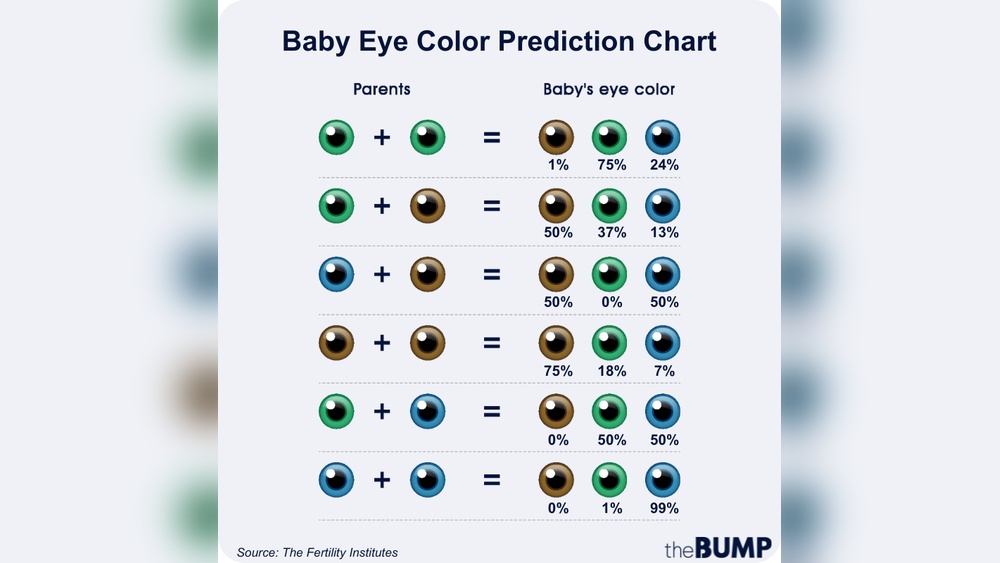
- Genetics: Parents’ eye colors affect the baby’s final color.
- Light Exposure: Light helps activate melanocytes in the iris.
Possible Final Eye Colors
- Brown: High melanin levels create brown eyes.
- Green or Hazel: Moderate melanin causes green or hazel shades.
- Blue: Low melanin keeps eyes blue or gray.
Typical Timeline For Eye Color Change
Newborns often have eye colors that change in their first year. This change happens because the iris, the colored part of the eye, adjusts its melanin levels after birth. Melanin is the pigment that gives eyes their color. The amount and type of melanin determine the final eye color. This process begins soon after birth and can continue for several months.
First Few Weeks
Most babies are born with blue or gray eyes. The iris has very little melanin at this stage. The eye color looks light because melanin has not yet developed fully. During the first few weeks, the eyes may seem to change slightly as melanin production starts. Some babies’ eyes stay blue or gray during this time.
Two To Six Months
Melanin production increases when babies are exposed to light. This causes the eye color to deepen or change. Brown or green shades may begin to appear. Many babies show noticeable color changes between two and six months. The eye color may not be final yet but is more defined.
Six To Twelve Months
Eye color often settles between six and twelve months. By this time, melanin levels stabilize. The eyes may become darker or remain light depending on melanin amount. Some babies keep their original blue or gray color. Others may shift to green, hazel, or brown.
After One Year
Most babies’ eye colors remain stable after their first birthday. Some changes can still occur up to three years old but are rare. The final eye color is usually clear by this age. Genetics play a key role in the color outcome.

Credit: kdfoundation.org
Genetics And Eye Color
Eye color depends largely on genetics. Genes inherited from parents decide the amount and type of pigment in the iris.
The iris is the colored part of the eye. It contains cells called melanocytes that produce melanin.
More melanin means darker eyes. Less melanin results in lighter eyes like blue or green.
How Genes Affect Eye Color
Several genes control eye color. The two main genes are OCA2 and HERC2. They influence melanin production in the iris.
Parents pass these genes to their babies. The combination of genes can create many eye colors.
Brown eyes are usually dominant over blue and green eyes. This means a baby can have brown eyes even if one parent has blue eyes.
Why Newborn Eye Color Can Change
At birth, many babies have blue or gray eyes. This happens because their irises have little melanin then.
As babies grow, melanocytes become active. They produce more melanin when exposed to light.
This causes the eye color to darken or shift over time. The change can take months or even a year.
Predicting Baby’s Eye Color
Genes give clues but do not guarantee the final eye color. Sometimes babies have unexpected eye colors.
Both parents’ eye colors, as well as grandparents’, can influence the baby’s eyes.
Eye color can range from brown, green, hazel to blue, depending on melanin level.
Why Some Eyes Stay Blue
Many newborns have blue or gray eyes at birth. This happens because their irises have very little melanin. Melanin is the pigment that gives color to eyes, skin, and hair. Over time, melanin production usually increases, changing eye color.
Some babies keep their blue eyes for life. This means their melanocytes produce very little melanin. Without enough melanin, the iris stays blue or light-colored. Blue eyes do not mean less vision or health issues. It is just a genetic trait.
Melanin Levels And Eye Color
Eye color depends on melanin amount in the iris. More melanin means darker eyes like brown. Less melanin results in lighter eyes like blue. Babies with blue eyes have low melanin at birth and after.
Genetics And Blue Eyes
Genes control melanin production and eye color. Parents with blue eyes often pass this trait. Some genes limit melanin, keeping eyes blue. Eye color is a mix of many genes, so patterns vary widely.
Light Scattering Effect
The blue color also comes from light scattering. The iris structure scatters light in a way that makes eyes look blue. This effect is called the Tyndall effect. It works like the sky’s blue color on a sunny day.
When Eye Color Changes Stop
Most babies’ eyes change color by 6 to 12 months. If melanin stays low, eyes remain blue. After one year, eye color usually stabilizes. Blue-eyed babies who keep low melanin rarely see their eye color change later.
Factors Affecting Eye Color Shades
Newborns’ eye colors can change after birth. This happens because of several factors that affect melanin in the iris. Melanin is the pigment that gives color to the eyes, skin, and hair.
At birth, many babies have blue or gray eyes. This is due to low melanin levels in their irises. Over time, the melanin increases or changes, which affects the final eye color.
Genes play a key role in eye color. Parents pass down genes that control melanin production. Different gene combinations create different shades of blue, green, hazel, or brown.
Even if both parents have brown eyes, a baby may have blue eyes. This happens when recessive genes are inherited from both sides.
Melanin Production Over Time
Melanin builds up slowly after birth. The cells that produce melanin, called melanocytes, become more active when exposed to light. This causes the iris color to darken or change.
The process can take several months or even up to a year. Eye color may continue to shift until melanin levels stabilize.
Environmental Influence
Light exposure affects eye color development. Babies living in brighter environments may develop darker eyes faster. The amount of sunlight helps melanocytes produce melanin.
Other environmental factors, like nutrition and health, may also influence melanin production.
Eye Color Possibilities
Brown eyes show high melanin levels. Green or hazel eyes have moderate melanin. Blue eyes have little melanin in the iris.
Gray eyes are rare and can appear blue or green depending on light and melanin distribution.
Rare Eye Color Changes
Most newborns have blue or gray eyes at birth. This happens because their irises have very little melanin. Melanin is the pigment that gives eyes their color.
As babies grow, melanocytes start producing more melanin. This causes the eye color to change and often darken. Rare eye color changes can surprise parents and caregivers.
These changes happen slowly, sometimes taking months or even years. Some babies develop green, hazel, or even amber eyes. These colors are less common and depend on melanin levels and genetics.
Unusual Eye Colors In Newborns
Rare eye colors like green, amber, or hazel appear due to moderate melanin. These colors sit between blue and brown on the spectrum. They often look different under various light conditions.
True green eyes are rare worldwide. Hazel eyes show a mix of colors and can shift over time. Amber eyes have a golden or coppery glow, making them unique and beautiful.
Why Do Rare Eye Color Changes Occur?
Melanin production varies in each baby. Some melanocytes react slowly or unevenly to light. This causes gradual and unexpected eye color shifts.
Genetics also play a key role. Eye color genes can combine in many ways. This mix can produce unusual or rare colors in newborns.
When Do Rare Eye Colors Settle?
Eye color may continue changing up to three years old. Rare colors often take longer to fully develop. Watching your baby’s eyes over time reveals these subtle changes.
Many children keep their rare eye colors into adulthood. Sometimes, subtle shifts happen even later. Each child’s eye color journey is unique and special.
Eye Color Myths And Facts
Many parents wonder about their newborn’s eye color. Myths and facts surround this topic. Separating truth from fiction helps understand your baby’s changing eyes.
Are All Babies Born With Blue Eyes?
Not all babies have blue eyes at birth. Many newborns appear to have blue or gray eyes. This happens because their irises lack melanin. Melanin is the pigment that gives color to eyes, skin, and hair. Babies of any ethnicity can be born with blue or gray eyes.
Does Eye Color Change Only In The First Year?
Eye color can change beyond the first year. Most changes happen between 6 and 12 months. Some babies’ eyes keep changing until age three. The final color depends on melanin production in the iris. More melanin means darker eyes like brown or hazel.
Can Eye Color Predict Personality?
Eye color does not predict personality traits. This is a common myth. Personality depends on many factors like environment and genes. Eye color is only about genetics and melanin levels. There is no scientific proof linking eye color to behavior.
Do Both Parents’ Eye Colors Decide Baby’s Eye Color?
Parents’ eye colors influence but do not fully decide baby’s eye color. Eye color inheritance is complex. Multiple genes control it, not just one. A baby can have a different eye color than both parents. Sometimes grandparents’ genes play a role too.
Frequently Asked Questions
When Can You Tell A Newborn’s True Eye Color?
A newborn’s true eye color usually appears by 6 to 12 months as melanin develops in the iris. Some changes may continue until age 3.
Do All Newborns Have Blue Eyes?
Not all newborns have blue eyes. Many are born with blue or gray eyes due to low melanin. Eye color changes as melanin increases, revealing the baby’s true color, which can be brown, green, hazel, or remain blue. Genetics and light exposure influence this change.
What Color Do Grey Newborn Eyes Turn?
Grey newborn eyes often change to green, hazel, brown, or sometimes remain blue. Melanin increase causes this change.
How Long Does It Take For A Newborn’s Eyes To Turn Brown?
A newborn’s eyes may start turning brown within 6 to 12 months. Full color often settles by age 3. Melanin increase causes this change. Genetics influence melanin levels and final eye color. Brown eyes appear as melanin concentration rises after birth due to light exposure.
When Do Newborns Start Showing Their True Eye Color?
Newborns often show their true eye color by 6 to 12 months old.
Why Do Babies’ Eye Colors Change After Birth?
Melanin pigment increases in the iris, changing the eye color over time.
Are All Babies Born With Blue Or Gray Eyes?
Most babies are born with blue or gray eyes due to low melanin.
How Long Does It Take For Eye Color To Settle?
Eye color usually settles between 6 months and 1 year of age.
Can Newborn Eye Color Change After One Year?
Yes, but changes after one year are usually subtle and less common.
What Eye Colors Can Newborns Eventually Have?
Brown, green, hazel, or blue, depending on melanin levels in the iris.
Conclusion
Newborns often have blue or gray eyes at birth. Their true eye color usually appears by six to twelve months. This change happens as melanin builds up in the iris. Genetics play a key role in deciding the final shade.
Some babies’ eyes keep changing up to three years old. Patience is important while waiting to see the final eye color. Each baby is unique, so eye color timelines may vary. Watching this natural process can feel exciting and special.