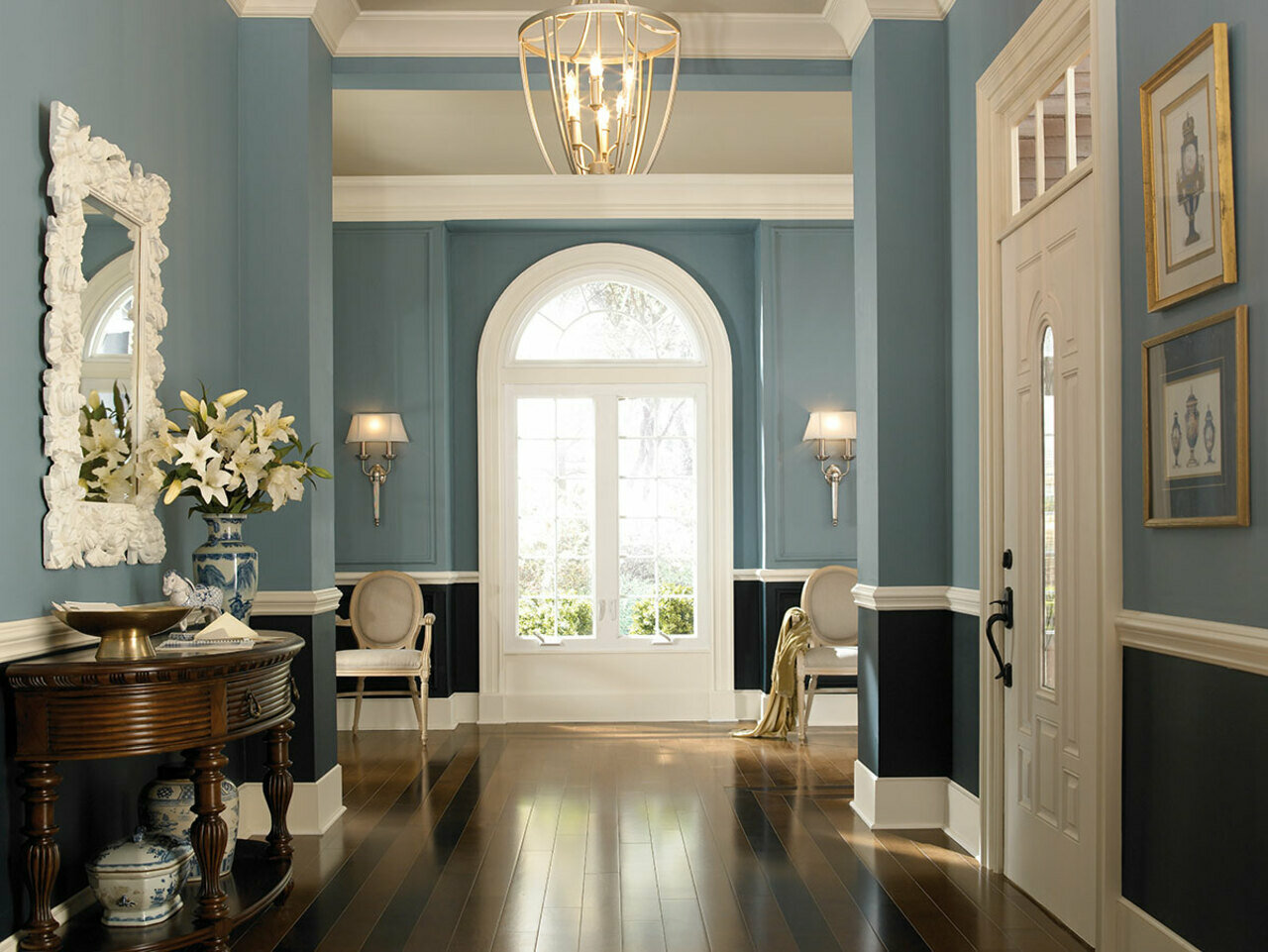
Use painter's tape, clean prep, and a steady cut-in for a sharp two color finish.
I’ve spent years painting homes and helping clients choose color pairs. This guide on How to Paint Room Two Colors walks you through planning, tools, techniques, and real tips I learned on the job. Read on to learn step-by-step methods, avoid common mistakes, and finish a two-color room that looks professional.
Planning your two-color room
How to Paint Room Two Colors starts with planning. A clear plan saves time and gives cleaner results. Decide the layout, the paint placement, and the mood you want before you open a can.
Key planning steps
- Choose which wall or area gets each color.
- Decide whether you want a horizontal split, an accent wall, or a two-tone with trim.
- Measure walls and calculate paint needed so you buy the right amount.
Consider light and room size
- Lighter colors make a room feel bigger.
- Darker colors add depth and drama.
- Test samples on different walls and view them at day and night.
Real-world tip from my experience
- I once painted a studio with two tones. Testing samples on opposite walls saved me from picking two colors that clashed in evening light.
Tools and materials you need
How to Paint Room Two Colors requires the right tools. Using good tools cuts errors and saves time.
Essential tools
- Painter’s tape in quality grades for a clean edge.
- High-quality angled sash brush for cutting in.
- 9- or 12-inch roller frame with appropriate nap for your wall texture.
- Drop cloths, a step ladder, trays, and a small edger tool if you want faster lines.
Paint types and finishes
- Use the same sheens only when it fits your design: eggshell or satin for walls, semi-gloss for trim.
- For crisp edges, consider paint with good hide and low splatter.
- Primer may be needed when switching from dark to light or covering stains.
:max_bytes(150000):strip_icc()/HAVENHOMELLC_photoby_ABIGAILJACKSON-f462614e5203404bb11e4880e5197fa7.jpg)
Choosing colors and finishes
Choosing colors is central when you learn How to Paint Room Two Colors. Pair colors that balance and complement.
Color pairing methods
- Use the 60-30-10 rule: 60 percent base color, 30 percent secondary color, 10 percent accent.
- Pair a neutral with a bold color for a safe, stylish look.
- Try adjacent colors on the color wheel for harmony or opposites for contrast.
Finish choices
- Matte and eggshell hide wall flaws well.
- Satin or semi-gloss is better where you need washability.
- Keep sheen consistent across the two wall colors for a balanced look.
Practical test
- Paint 12-inch squares of each color on the wall. Live with them for a few days. Lighting changes reveal real color behavior.
:strip_icc()/pink-two-toned-study-0aa4cd02-8a1f4f81ae6349a089b0ce8038d1fad0.jpg)
Prepping the room for two colors
Prepping is where professional results happen. How to Paint Room Two Colors well depends on careful prep work.
Prep checklist
- Remove outlet covers and light switch plates.
- Repair holes, sand rough spots, and clean walls with mild soap.
- Apply primer where needed and let it dry fully.
Taping and masking
- Use good painter’s tape and press the edge firmly.
- For long, straight lines, consider a laser level or a chalk line as a guide.
- Seal the tape edge with a thin coat of the base color to prevent bleed-through.
My tip: patience pays
- Let primer cure, and allow paint layers to dry before applying tape for the second color. Rushing creates jagged edges.

Techniques: clean lines, accent walls, and split walls
How to Paint Room Two Colors uses a few reliable techniques. Pick the one that fits your style and skill.
Common methods
- Accent wall: Paint one wall a bold hue, keep others neutral.
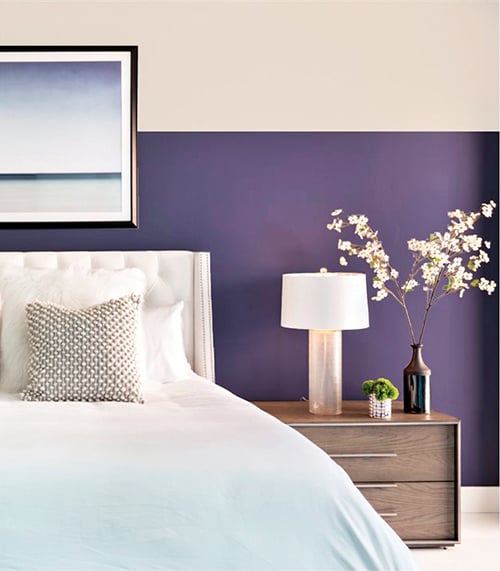
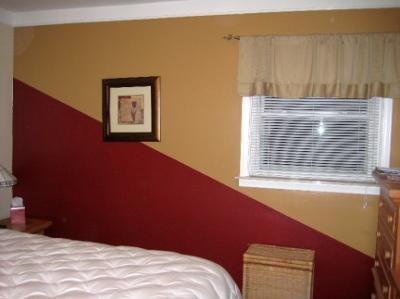
- Horizontal split: Tape a straight line across the room for top and bottom colors.
- Chair rail or molding: Use molding to separate two colors for a classic look.
- Ceiling contrast: Paint the ceiling a different color for drama.
Taping technique for a straight split
- Mark the line with a level and pencil.
- Apply tape just above the line for the darker color, or below for the lighter color.
- Paint the top color first, then seal the tape edge with it before rolling the second color.
Edge-cutting technique
- Cut in with an angled sash brush for a sharp inner edge.
- Use a small edger tool for long runs to keep a steady hand.
.jpg)
Step-by-step painting process
Follow this step-by-step to complete How to Paint Room Two Colors with confidence.
Step 1: Base coat
- Prime if needed and paint the entire room with the lighter base color if using a strong contrast.
- Let base dry fully.
Step 2: Tape and seal
- Mark the line and apply painter’s tape.
- Seal tape with the base color to block bleed.
Step 3: Paint the second color
- Cut in along tape with a brush.
- Roll the second color in even strokes. Two coats are often needed.
Step 4: Remove tape
- Remove tape while paint is tacky or just dry to avoid peeling.
- Touch up any minor bleed with a small brush.
Drying and recoat tips
- Follow paint manufacturer times. Humidity and temperature affect dry time.
- Avoid moving furniture back until paint cures to prevent scuffs.
Troubleshooting and common mistakes
Knowing common problems makes How to Paint Room Two Colors easier to master. Here are mistakes I’ve fixed many times.
Common problems and fixes
- Paint bleed under tape — Press tape edge down harder. Seal tape with base color before second coat.
- Wavy or uneven line — Use a leveled guide and replace tape if too long or stretched.
- Visible lap marks — Maintain a wet edge while rolling and use consistent pressure.
When to call a pro
- If walls are heavily damaged or you need complex patterns, hiring a pro saves time and improves results.
- For large rooms or high ceilings, pros have equipment for speed and safety.
Personal lesson
- I once skimped on tape quality to save money. The extra time spent fixing bleed cost more than the tape saved.
Cost, time, and what to expect
Estimating cost and time makes the project manageable. How to Paint Room Two Colors varies by size and finish.
Cost factors
- Paint quality and amount.
- Tools you need to buy versus borrow.
- Time spent prepping and taping.
Time estimate
- Small room: 1–2 days including drying time.
- Medium room: 2–3 days.
- Larger rooms or complex designs: plan for a weekend or longer.
Money-saving tips
- Use sample sizes to test color before buying gallons.
- Borrow tools or rent an edger to avoid full purchase.
- Do careful prep to avoid costly touch-ups later.
Inspiration and real-life examples
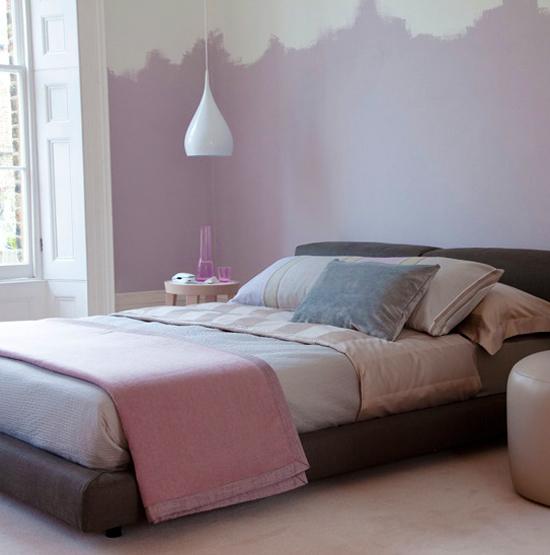
Inspiration helps you pick the right approach. How to Paint Room Two Colors can range from subtle to bold.
Example looks
- Coastal: soft blue top with warm white bottom.
- Modern: deep charcoal accent wall with warm beige main walls.
- Classic: white upper walls with a darker, muted color below a chair rail.
My favorite project
- I painted a small apartment using a pale gray and deep teal. The teal on one wall and the ceiling made the space feel cozy. The tenant loved it and said it felt like a new place.
Design advice
- Match colors to furniture and rug tones.
- Use fabric samples from your room to compare with paint swatches.
Frequently Asked Questions of How to Paint Room Two Colors
How do I choose which wall should be the accent wall?
Pick the wall that draws the eye naturally. Walls with architectural features, a fireplace, or the wall you see first when entering work best.
Should I paint the darker or lighter color first?
Paint the lighter base first and seal tape with that color. Then paint the darker color second to reduce bleed and make touch-ups easy.
How long should I wait between coats?
Wait the time recommended on the paint can, usually 2–4 hours for latex, but allow longer in humid or cool conditions for full drying.
Can I use different sheens for the two colors?
Yes, but keep it deliberate. Using the same sheen feels cohesive, while a glossier accent can add contrast and durability where needed.
How do I fix paint that bled under the tape?
Carefully sand the bleed after dry and touch up with the base color using a small brush. Repaint the edge if necessary.
Do I need primer when changing from dark to light colors?
Yes, primer helps hide the dark color and reduces the number of finish coats needed for the light color.
How do I make a perfectly straight line for a horizontal split?
Use a chalk line or laser level to mark the line, then apply good painter’s tape and seal the tape with the base color before painting the second color.
Conclusion
Painting a room in two colors is a great way to add style and depth. Plan well, pick quality tools, and follow a clear step-by-step process for the best results. Use painter’s tape correctly, seal edges, and take your time to let paint dry. Try a small test area first and learn from each coat. If you’re ready, pick your colors, gather tools, and start your two-color room project this weekend. Share your results or questions below, or subscribe for more practical painting guides and tips.