Are you ever unsure whether to spell it “color” or “colour”? You’re not alone.
This small difference can trip up even the best writers, especially when you want to sound clear and professional. Knowing how to spell colors correctly matters more than you think—it affects how your readers see your work and whether they trust your message.
You’ll discover the simple rules behind spelling colors, the key differences between American and British English, and easy tips to keep your writing consistent and polished. Ready to master the spellings and make your words shine? Let’s dive in!
Credit: drawingsof.com
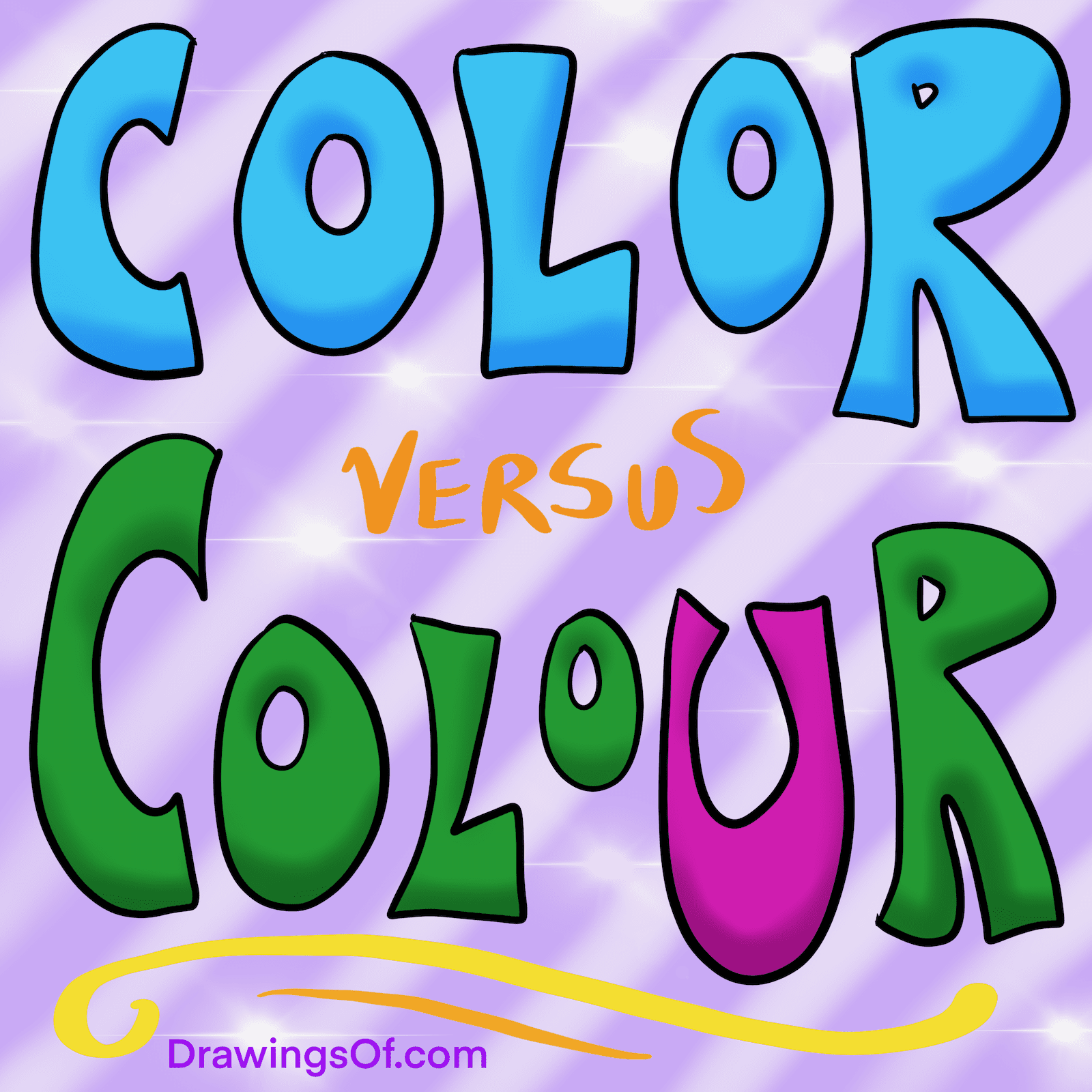
Color Vs Colour
The spelling of the word for hues can be confusing. “Color” and “colour” are both correct. The difference depends on where you are in the world.
Understanding this difference helps avoid mistakes in writing. It also makes communication clearer and more respectful of local language rules.
American English Uses “color”
In the United States, the spelling “color” is standard. It is shorter and more direct. This spelling appears in schools, books, and official documents across the country.
Many digital platforms and software also prefer “color” for American users. This makes it easy to remember if you write for an American audience.
British English Uses “colour”
In the United Kingdom and many Commonwealth countries, “colour” is the correct spelling. It keeps the original form from older English.
Countries like Canada, Australia, and New Zealand often use “colour” too. This spelling shows a connection to British traditions in language.
Choosing The Right Spelling
Choose “color” for American English writing. Use “colour” for British English or Commonwealth contexts.
Consistency is key. Do not mix both spellings in one text. Pick one and use it throughout your writing.

Credit: www.youtube.com
Regional Spelling Differences
Spelling of color words varies by region. These differences often cause confusion for English learners. The main contrast appears between American English and British English. Each uses a different style for certain color spellings. Knowing these variations helps in reading and writing accurately.
American English Color Spellings
American English uses the simpler form. For example, “color” is spelled without the letter “u.” This style removes extra letters found in British English. Words like “favorite” and “honor” also follow this pattern. It makes spelling shorter and easier.
British English Color Spellings
British English keeps the original spellings from older English forms. The word “colour” includes the letter “u.” Other words like “favourite” and “honour” also keep the “u.” This style reflects traditional English spelling rules. It is common in the UK, Canada, Australia, and New Zealand.
Why Spelling Differences Exist
Spelling differences started hundreds of years ago. Noah Webster, an American lexicographer, simplified spellings in the 1800s. His goal was to make English easier for Americans. British English chose to keep the older, more complex spellings. The two styles evolved separately since then.
Commonly Confused Color Words
Some color words cause more confusion than others. “Gray” and “grey” are good examples. Americans write “gray” while British people write “grey.” Both forms are correct but depend on the region. Another example is “plow” (US) versus “plough” (UK), showing similar patterns.
Historical Origins
The way we spell colors has a long history. It traces back to different languages and cultures. Spelling changes happened as English spread across the world. These changes reflect the rich history of the English language.
Understanding the origins helps explain why there are spelling differences today. It shows how words evolve over time.
Old English And Latin Roots
Many color names come from Old English or Latin. For example, the word “red” comes from the Old English “rēad.” Latin influenced words like “purple,” which comes from “purpura.”
These roots shaped how colors were first spelled. Over centuries, pronunciations and spellings shifted.
British Vs. American English
British English often keeps spellings close to French or Latin origins. American English simplifies many words. For example, “colour” in British English becomes “color” in American English.
This difference started in the 18th century. Noah Webster, an American lexicographer, promoted simpler spellings.
Influence Of Printing And Dictionaries
Early printing helped standardize spelling but also caused variations. Different printers used different rules. Dictionaries later fixed many spellings.
Webster’s dictionary in America influenced color spellings strongly. British dictionaries kept traditional forms.
Common Color Words
Common color words form the base of color spelling. They are easy to learn and useful in daily life. Knowing these words helps in communication and writing.
These colors appear in many places like books, signs, and art. Spelling them correctly makes your writing clear and correct. Here are some of the most common color words.
Red
Red is one of the simplest and shortest color words. It is spelled R-E-D. This color often represents love, danger, or energy.
Blue
Blue is spelled B-L-U-E. It is a calm and cool color. People see blue in the sky and the ocean.
Green
Green spells G-R-E-E-N. It is the color of grass and leaves. Green often shows nature and growth.
Yellow
Yellow is spelled Y-E-L-L-O-W. This bright color reminds people of the sun and happiness.
Black
Black spells B-L-A-C-K. It is a dark color used in many places. Black can mean power or mystery.
White
White is spelled W-H-I-T-E. It is the color of snow and clouds. White often means purity or peace.
Orange
Orange spells O-R-A-N-G-E. This warm color is between red and yellow. It looks like ripe fruit and autumn leaves.
Purple
Purple is spelled P-U-R-P-L-E. It is a mix of red and blue. Purple often shows luxury and creativity.
Brown
Brown spells B-R-O-W-N. It is the color of wood and soil. Brown feels strong and natural.
Pink
Pink is spelled P-I-N-K. It is a light red color. Pink often means softness and care.
Spelling Tips For Beginners
Spelling colors can be fun and simple for beginners. Learning to spell these words helps improve reading and writing skills. This section shares easy tips to remember color spellings correctly.
Break Down The Word
Split the color word into smaller parts. For example, “yellow” becomes “yel” and “low.” This makes the word easier to remember and spell.
Use Rhymes And Songs
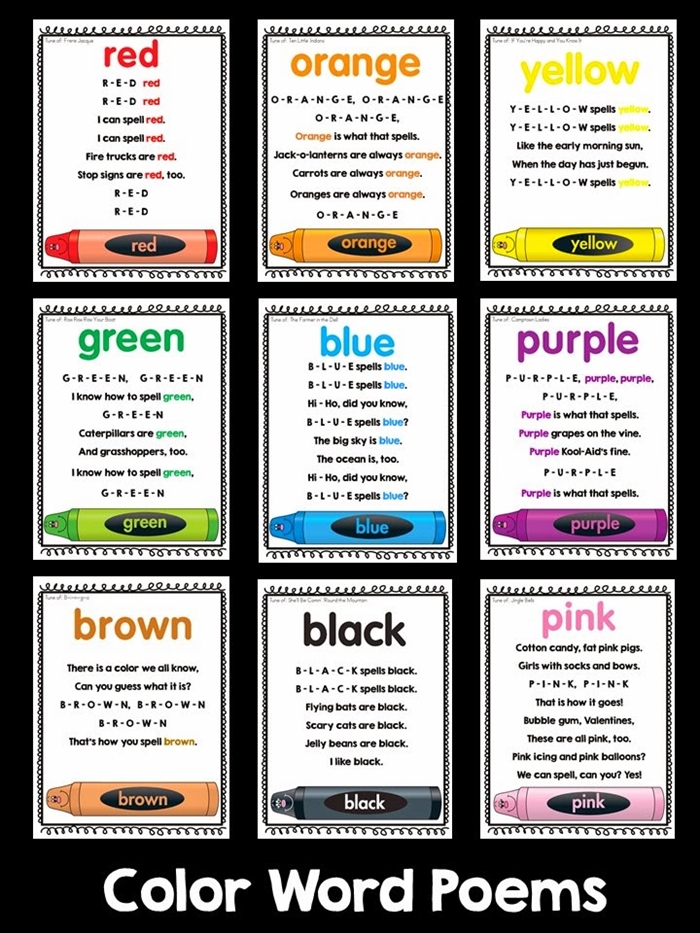
Rhymes and songs help keep color spellings in mind. Singing color names with their spellings makes learning playful and effective.
Practice With Flashcards
Create flashcards with the color on one side and the word on the other. Review them daily to build memory and confidence.
Write And Repeat
Writing color words multiple times helps improve spelling. Repetition trains the brain to recognize the correct order of letters.
Focus On Common Mistakes
Watch out for tricky colors like “purple” or “orange.” Practice these more often to avoid errors and gain accuracy.
Color Spelling In Education
Color spelling plays a key role in education. It helps children recognize and write color names correctly. Teachers use color words to build vocabulary and improve spelling skills. Learning how to spell colors also supports reading and writing development.
Spelling colors correctly boosts confidence in young learners. It makes classroom activities more engaging and fun. Students enjoy identifying colors and practicing their spellings through games and songs. This active learning approach helps colors stick in their memory.
Teaching Color Spelling In Early Grades
Teachers introduce basic color words in kindergarten and first grade. These include red, blue, green, and yellow. Simple and common colors are easier for children to spell and remember. Repetition and practice are important for mastering these words.
Using Visual Aids To Enhance Learning
Pictures and flashcards help students connect colors with words. Visual aids make spelling lessons clearer and more interactive. Children can see the color and say or write the name aloud. This method improves word recognition and spelling accuracy.
Differences In Color Spelling: Color Vs. Colour
American and British English have different spellings for some colors. For example, “color” is American English, while “colour” is British English. Teachers explain these differences to avoid confusion. Understanding both forms helps students read and write globally.
Fun Activities To Practice Color Spelling
Games like spelling bees and matching exercises make learning enjoyable. Songs and rhymes about colors also aid memorization. Hands-on activities with paints or crayons encourage spelling through creativity. Such methods keep students motivated and engaged.
Using Colors In Writing
Colors can bring writing to life. They create strong images and emotions. Writers use colors to set moods and describe scenes vividly.
Choosing the right color words helps readers picture what you mean. Colors can also symbolize ideas or feelings. This makes your writing more engaging and clear.
Choosing The Right Color Words
Pick color names that fit your story or message. Simple colors like red, blue, and green work well. More specific shades add detail but keep it easy to read.
Spelling Colors Correctly
Correct spelling shows care and helps readers understand. Note the difference between “color” and “colour.” “Color” is American English, “colour” is British.
Using Colors To Show Emotion
Colors often express feelings. Red can mean anger or love. Blue can feel calm or sad. Use color words to share emotions without extra explanation.
Adding Color To Descriptions
Describe objects with color to create clear images. Instead of “a car,” say “a bright yellow car.” This helps readers see and imagine your scene.
Digital Tools For Spelling
Digital tools make spelling colors easier and faster. They help users check and learn correct spellings quickly. Many tools offer instant suggestions and corrections. These tools suit learners of all ages and skill levels.
Using digital tools reduces spelling mistakes. They also improve confidence in writing color names. Some tools work offline, while others need internet access. Most are free and simple to use.
Spell Checkers And Autocorrect Features
Spell checkers highlight wrong color spellings instantly. They suggest the right spelling with one click. Autocorrect fixes common mistakes automatically. These features are built into most word processors and browsers.
Online Dictionaries And Thesauruses
Online dictionaries provide correct spelling and definitions. They often include pronunciation guides for colors. Thesauruses show synonyms, helping expand color vocabulary. These sites are accessible on any device with internet.
Educational Apps For Spelling Colors
Many apps teach color spellings through games and quizzes. They offer fun ways to practice regularly. Some apps include audio to help with pronunciation. Users can track progress and improve over time.
Voice Assistants And Speech-to-text Tools
Voice assistants spell colors aloud on request. Speech-to-text tools convert spoken color names to written form. These tools help users who struggle with typing or reading. They support learning by combining listening and writing skills.
Consistency In Spelling
Spelling colors correctly matters in writing. Consistency helps readers understand your message easily. Using the same spelling style throughout a text avoids confusion. This is especially true for words like color and colour, which differ by region.
Choosing one form and sticking to it shows professionalism. It also improves the flow of your writing. Readers do not get distracted by sudden changes in spelling.
Consistency In American And British English
American English uses “color,” while British English prefers “colour.” Pick one style based on your audience or location. Do not mix these spellings in the same document. Mixing can look like a mistake or carelessness.
Maintaining Consistency In Educational Materials
Teachers and writers should use one spelling for all learning content. This helps students remember and spell words correctly. Switching between spellings may confuse learners, especially non-native speakers.
Consistency In Digital Content And Seo
Search engines favor consistent spelling for ranking pages. Using one spelling style improves keyword relevance. For example, pick either “color” or “colour” for your website. This way, your content reaches the right audience.
Fun Ways To Learn Colors
Learning colors can be exciting and simple. Using fun methods helps remember their spelling easily. Kids and adults enjoy activities that mix play with learning. These approaches create a strong connection between color names and their spellings.
Engaging in playful ways boosts memory and keeps motivation high. Bright visuals and sounds make colors stick in the mind. Practice becomes enjoyable, turning learning into a daily habit.
Using Color Flashcards
Create flashcards with color names and matching colors. Show the card, say the color aloud, and spell it together. Repeat often for better recall. Flashcards are easy to carry and use anywhere.
Coloring Books And Spelling
Choose coloring books that include color names on each page. Color the sections while saying and spelling the colors. This hands-on approach helps link the word to the color. It also improves fine motor skills.
Singing Color Songs
Sing songs that list colors and spell their names. Songs with rhythm make spelling patterns clear and fun. Singing helps with pronunciation and memory. Kids love to sing along and learn naturally.
Interactive Apps And Games
Use apps that teach colors and their spellings through games. Games reward correct answers, encouraging practice. Interactive tools adapt to skill levels for steady progress. Screen time becomes productive learning time.
Labeling Objects At Home
Label household items with their color names. For example, put a “red” sticker on a red cup. Reading labels daily reinforces spelling and color recognition. This method involves real-life learning moments.
Credit: www.kindergartenworks.com
Frequently Asked Questions
Which Is Correct Colors Or Colours?
“Colors” is correct in American English. “Colours” is correct in British and Commonwealth English. Use the spelling that fits your audience consistently.
How Do You Spell Color Plural?
The plural of color is spelled “colors” in American English and “colours” in British English. Use the form that fits your audience.
How Do You Spell Colors Of The Rainbow?
Spell the rainbow colors as Red, Orange, Yellow, Green, Blue, Indigo, and Violet. Use American English “colors” or British English “colours” consistently.
How Do You Spell Colors In America?
In America, spell it as “color” without the “u. ” This is the standard American English spelling. Use “color” consistently in your writing.
What Is The Correct Spelling Of Color In English?
“Color” is the American English spelling; “colour” is the British English version.
Why Do Americans Spell Color Differently?
Americans use simplified spellings to make words shorter and easier.
How Do You Spell Basic Color Names?
Examples: red, blue, green, yellow, black, white, brown, orange, pink, purple.
Is “colour” Wrong In The Us?
No, but “colour” is mainly used in British English, not common in the US.
How Can I Remember Color Spellings Easily?
Learn common patterns and practice spelling with songs or flashcards.
Are There Spelling Differences For Other Words Like Color?
Yes, many words have American and British spellings, like “favorite” and “favourite. ”
Conclusion
Spelling colors can be simple once you know the rules. American English uses “color,” while British English prefers “colour. ” Both are correct, so choose based on your readers. Practice spelling common color names to build confidence. Remember, short and clear words help learning.
Keep practicing, and soon spelling colors will feel natural.