Are you planning a trip to Colorado, scheduling a call with someone there, or just curious about the local time? Knowing the exact time in Colorado can save you from confusion and missed connections.
But is Colorado on Mountain Standard Time all year round? Does it observe daylight saving time like other states? You’ll discover everything you need to know about Colorado’s time zone, including how it changes throughout the year and why it matters to you.
Keep reading, and you’ll never have to ask, “What time is it in Colorado? ” again.
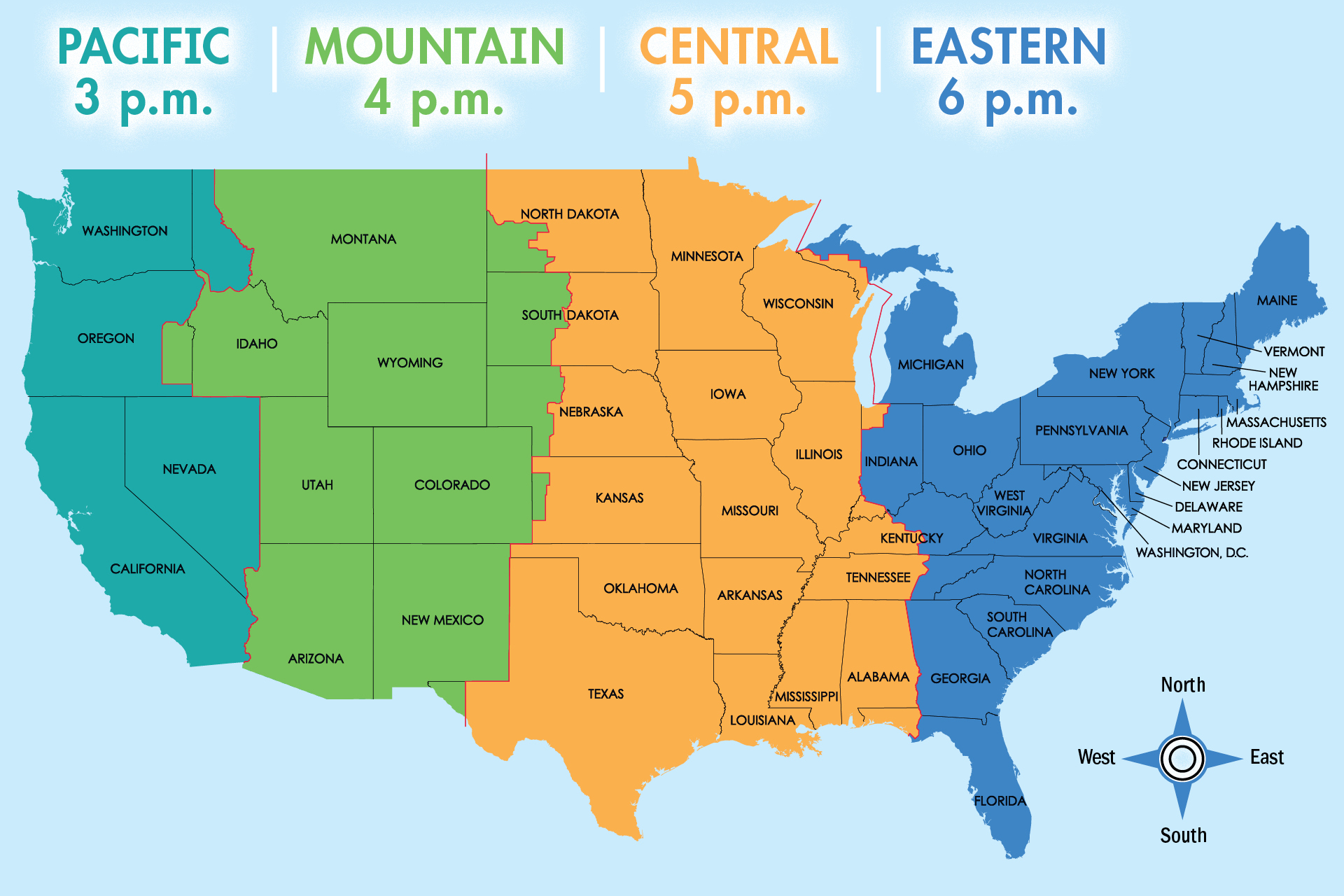
Credit: www.timeforkids.com
Colorado Time Zone Basics
Understanding Colorado’s time zone is essential for scheduling and travel. Colorado lies within a specific time zone that affects daily life and business operations. Knowing this helps avoid confusion when contacting people or planning events.
What Time Zone Is Colorado In?
Colorado is in the Mountain Time Zone. This zone is also known as MST or MDT depending on the time of year. The Mountain Time Zone covers several states in the western United States.
Mountain Standard Time Vs Mountain Daylight Time
Colorado follows Mountain Standard Time (MST) during the fall and winter months. MST is 7 hours behind Coordinated Universal Time (UTC-7). During spring and summer, Colorado switches to Mountain Daylight Time (MDT), which is UTC-6. This change is due to daylight saving time.
When Does Colorado Change Its Clocks?
Colorado shifts to daylight saving time in March. Clocks move forward by one hour. In November, clocks move back one hour to return to standard time. These changes help make better use of daylight during longer days.
Does All Of Colorado Use The Same Time Zone?
Yes, the entire state of Colorado uses the Mountain Time Zone. There are no parts of Colorado in a different time zone. This makes timekeeping simpler across the state.
Mountain Standard Time Explained
Mountain Standard Time (MST) is the time zone for most of Colorado. It is 7 hours behind Coordinated Universal Time (UTC-7). MST covers states in the Rocky Mountains region.
This time zone helps standardize time across large areas. It makes daily activities, travel, and business easier to coordinate.
What Is Mountain Standard Time?
MST is a time zone used during the fall and winter months. It is the standard time before daylight saving starts. MST is used from early November to mid-March.
How Does Mountain Standard Time Affect Colorado?
In Colorado, MST means the clocks are set to UTC-7. People follow this time for work, school, and events. It matches the natural daylight hours well during winter.
Difference Between Mst And Mdt
Mountain Daylight Time (MDT) is used in summer. MDT is one hour ahead of MST (UTC-6). Colorado switches from MST to MDT in spring for longer daylight.
Why Some Areas Don’t Change Time
Some places like most of Arizona stay on MST all year. They do not observe daylight saving time. This choice helps avoid hotter evenings in summer.
Daylight Saving Time In Colorado
Colorado follows Mountain Time, switching between Mountain Standard Time in winter and Mountain Daylight Time in summer. This means clocks move forward one hour in spring and back in fall. Knowing this helps you find the exact current time in Colorado easily.
What Is Daylight Saving Time In Colorado?
Daylight Saving Time (DST) in Colorado means setting clocks forward one hour in spring. This change gives more daylight in the evening. It helps people enjoy longer daylight after work or school.
In fall, clocks move back one hour, returning to standard time. This shift gives more daylight in the morning. Colorado follows this system like most states in the U.S.
When Does Daylight Saving Time Start And End?
DST in Colorado starts on the second Sunday in March. At 2 a.m., clocks move forward to 3 a.m. This means losing one hour of sleep that night.
DST ends on the first Sunday in November. At 2 a.m., clocks move back to 1 a.m. People gain one extra hour of sleep this night.
How Does Daylight Saving Time Affect Daily Life?
Longer evenings mean more time for outdoor activities. People often feel more energetic with extra daylight after work.
Some may feel tired during the clock change. It can take a few days to adjust to new sleep times.
Does All Of Colorado Observe Daylight Saving Time?
Yes, all parts of Colorado observe Daylight Saving Time. The entire state follows Mountain Time Zone rules. This keeps time consistent across cities like Denver and Colorado Springs.
Cities And Their Local Times
Colorado follows Mountain Time Zone throughout the state. This means cities share the same standard time. Daylight Saving Time is also observed here, shifting clocks forward in spring and back in fall.
Each city in Colorado follows this time pattern. Small differences can appear due to local customs or geographic location but are rare.
Denver
Denver, the capital city, uses Mountain Standard Time (MST) in winter. In summer, Denver switches to Mountain Daylight Time (MDT). This change helps make better use of daylight during longer days.
Denver’s time is two hours behind Eastern Standard Time. It matches the time used in most of Colorado.
Colorado Springs
Colorado Springs follows the same time rules as Denver. MST in winter, MDT in summer. This city enjoys the benefits of daylight saving like the rest of the state.
Travelers and residents can expect no time difference between Colorado Springs and Denver.
Fort Collins
Fort Collins also adheres to Mountain Time Zone. The city moves clocks forward in spring and back in fall. This keeps Fort Collins in sync with Colorado’s time standards.
Whether visiting or living here, time remains consistent with other major Colorado cities.
Why Colorado Has One Time Zone
Colorado uses only one time zone called Mountain Time. This means the entire state follows the same time. The reason is simple and practical.
Colorado is located in the Mountain Time Zone region of the United States. The state’s shape and size fit well into this single time zone. This avoids confusion for residents and businesses.
Having one time zone helps with scheduling work, school, and travel. It keeps life simple for people across the state. No need to change clocks when moving from one city to another inside Colorado.
Geographical Location And Time Zone Boundaries
Colorado sits fully within the Mountain Time Zone boundary. The state lines follow natural and political borders. These borders match well with time zone borders set by the government.
Time zones are created based on lines of longitude. Colorado fits cleanly into one zone because it is not very wide east to west. This limits the need for multiple zones.
Consistency For Residents And Businesses
One time zone creates a consistent daily schedule for everyone. Schools, offices, and stores open and close at the same time statewide. This consistency supports smooth communication and transportation.
Businesses find it easier to coordinate work within the state. One time zone removes the problem of adjusting to different local times. It helps in planning meetings and deliveries efficiently.
Some nearby states have more than one time zone due to their size or shape. For example, Idaho has both Mountain and Pacific Time zones. Colorado’s smaller width keeps it in one zone.
Neighboring states also benefit from matching time zones with Colorado. This makes cross-state travel and business simpler. The Mountain Time Zone covers a large region in the western U.S.
Comparison With Neighboring States
Understanding the time in Colorado becomes clearer when comparing it with its neighboring states. Each state may follow different rules for time zones and daylight saving time. This affects daily schedules and travel plans. Let’s explore how Arizona, New Mexico, and Wyoming align or differ from Colorado’s time.
Arizona
Arizona mostly stays on Mountain Standard Time all year. It does not change clocks for daylight saving time. This means Arizona’s time matches Colorado only during winter. In summer, Arizona is one hour behind Colorado. One exception is the Navajo Nation in Arizona, which does observe daylight saving time.
New Mexico
New Mexico shares the Mountain Time Zone with Colorado. Both states observe daylight saving time. They switch clocks forward in spring and back in fall. This means New Mexico’s time is always the same as Colorado’s. Traveling between these states does not require adjusting watches.
Wyoming
Wyoming also uses the Mountain Time Zone. It follows daylight saving time rules like Colorado. Both states move clocks ahead in spring and back in fall. Wyoming’s time stays synchronized with Colorado throughout the year. This consistency helps businesses and travelers planning across state lines.
Impact Of Time Changes On Daily Life
Time changes in Colorado affect many parts of daily routines. The shift between Mountain Standard Time and Mountain Daylight Time changes the clock by one hour. This can influence sleep patterns, work schedules, and even mood.
Adjusting to time changes takes a few days for most people. The body’s internal clock needs to reset to new daylight hours. This can cause tiredness or difficulty concentrating at first.
Effect On Sleep And Health
The hour lost or gained during time changes can disrupt sleep cycles. People may find it harder to fall asleep or wake up too early. Poor sleep affects energy levels and overall health. Some studies show increased heart problems right after the change.
Changes In Work And School Schedules
Time changes shift daylight hours, which impacts work and school routines. Morning light or darkness affects how alert people feel. Some may struggle with early starts or late finishes. Businesses may adjust hours to fit new daylight patterns.
Impact On Outdoor Activities
Daylight shifts influence when people can enjoy outdoor activities. Evening daylight in summer encourages more time outside. In winter, earlier darkness can limit outdoor plans. This affects sports, exercise, and social events.
Effect On Technology And Devices
Most devices update time automatically, but manual changes still happen. Incorrect time settings can cause missed appointments or confusion. Scheduling meetings across time zones becomes tricky during transitions. It’s important to double-check clocks after changes.
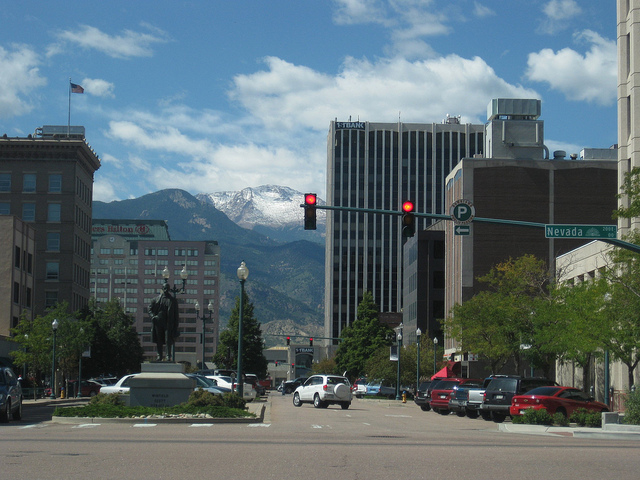
Credit: www.timejones.com
States That Skip Daylight Saving
Not all states in the U.S. change their clocks for daylight saving time. Some skip it completely. These states stay on standard time all year. This choice can affect travel plans and business hours. Knowing which states skip daylight saving helps understand time differences better.
Hawaii
Hawaii does not observe daylight saving time. The state is near the equator. Daylight hours stay nearly the same all year. Changing clocks is unnecessary for Hawaii’s climate and daylight pattern. Residents keep the same time throughout the year.
Arizona Exceptions
Arizona mostly skips daylight saving time. The state stays on Mountain Standard Time year-round. This helps avoid later sunsets in hot summer months. The exception is the Navajo Nation. It follows daylight saving time to stay in sync with neighboring regions.
Time Zone And Travel Planning
Understanding Colorado’s time zone is key for smooth travel plans. The state follows Mountain Time, which affects scheduling flights, tours, and meetings. Knowing the exact time helps avoid confusion and missed connections.
Mountain Time switches between Mountain Standard Time (MST) and Mountain Daylight Time (MDT). MST is used in winter, while MDT applies in summer months. This change shifts clocks forward by one hour in spring and back in fall.
Colorado’s Time Zone Explained
Colorado is in the Mountain Time Zone. MST is UTC-7 hours, and MDT is UTC-6 hours. This means the state is 7 hours behind Coordinated Universal Time during standard time. During daylight saving time, it is 6 hours behind UTC.
Colorado observes daylight saving time from March to November. Clocks move one hour forward in spring. This extends evening daylight, useful for outdoor activities and travel. In fall, clocks move back one hour to standard time.
Planning Travel Around Colorado Time
Travelers must adjust schedules for time changes. Booking flights or tours requires checking if daylight saving time is active. Always confirm local time before making plans. This helps avoid delays and missed appointments.

Credit: www.timeanddate.com
Tools To Check Current Colorado Time
Knowing the current time in Colorado is important for travel, meetings, or daily planning. Various tools offer quick and accurate Colorado time updates. These tools are easy to use and available on multiple devices. Choose the one that fits your needs best.
Online Time Zone Converters
Online converters show the exact time in Colorado instantly. Enter your location and see the time difference. These tools also display daylight saving changes. They work on computers, tablets, and smartphones.
World Clock Websites
World clock sites provide current times for cities worldwide. They list major Colorado cities like Denver and Colorado Springs. These websites update every second to show precise time. Many include weather and event details too.
Smartphone Clock Apps
Most smartphones have built-in clock apps with world time features. Add Colorado as a city to track its time easily. These apps alert you about time changes or events. They are convenient and always at hand.
Voice Assistants
Digital assistants like Siri, Alexa, or Google Assistant answer time queries instantly. Ask, “What time is it in Colorado?” and get a quick reply. These assistants work on many smart devices. They save time and effort in checking clocks.
Frequently Asked Questions
Does Colorado Have Two Time Zones?
Colorado has only one time zone: Mountain Time. It observes Mountain Standard Time in winter and Mountain Daylight Time in summer.
What Time Would It Be In Colorado Right Now?
Colorado follows Mountain Time Zone, observing MST in winter and MDT in summer. Check current Mountain Time to know Colorado’s exact time now.
What Two States Don’t Change Time Zones?
Hawaii and most of Arizona do not change time zones or observe daylight saving time. They stay on standard time year-round.
Is Denver 2 Or 3 Hours Behind Est?
Denver is 2 hours behind Eastern Standard Time (EST). During daylight saving, the difference remains 2 hours.
What Time Zone Is Colorado In?
Colorado is in the Mountain Time Zone (MT).
Does Colorado Observe Daylight Saving Time?
Yes, Colorado observes daylight saving time from spring to fall.
What Is The Current Time In Denver, Colorado?
You can check Denver’s current time using online world clocks or apps.
How Many Hours Behind Is Colorado From New York?
Colorado is 2 hours behind New York during standard time.
Does All Of Colorado Follow The Same Time Zone?
Yes, the entire state of Colorado follows Mountain Time.
When Does Colorado Switch To Daylight Saving Time?
Colorado switches to daylight saving time on the second Sunday in March.
Conclusion
Knowing the time in Colorado helps you plan better. The state follows Mountain Time Zone, changing for daylight saving. Colorado switches between Mountain Standard Time and Mountain Daylight Time. This affects daily schedules and travel plans. Keep this in mind when calling or visiting.
Time changes are simple once you understand the pattern. Stay aware of the clock to avoid confusion. Colorado’s time fits well with its location in the US. Now, you can easily check the current time there anytime.