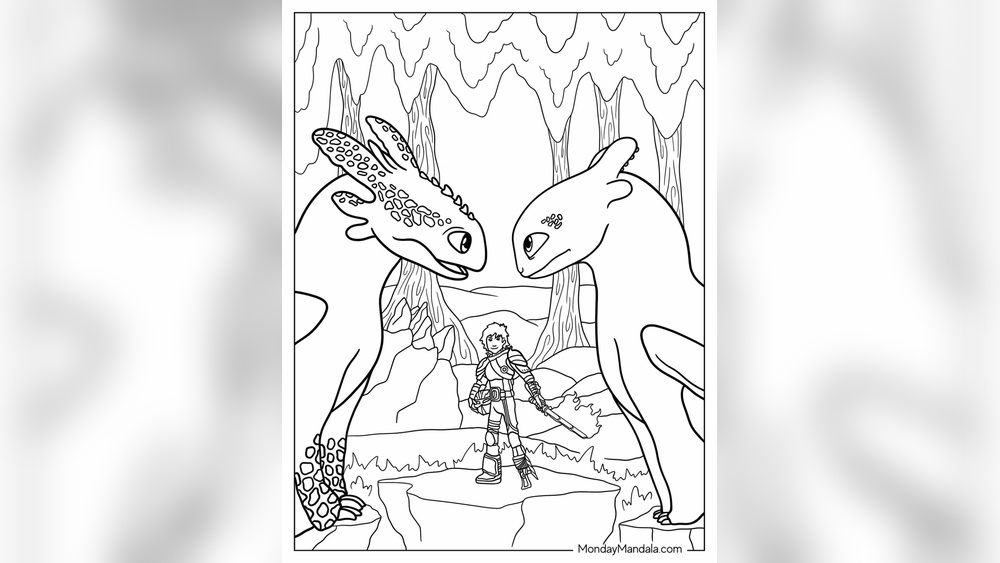
Are you ready to bring the world of dragons to life with your own colors? How to Train Your Dragon coloring book pages let you dive into the exciting adventures of Toothless, Hiccup, and their friends.
Whether you’re a fan of the movies or just love dragons, these pages give you a fun way to relax and express your creativity. In this guide, you’ll find tips on where to find the best printable pages, how to choose the right colors, and ideas to make your dragon artwork stand out.
Keep reading, and discover how easy and rewarding it is to create your own dragon masterpiece!
Choosing The Best Pages
Choosing the best pages for your How to Train Your Dragon coloring book can make the experience more fun. Different pages offer different levels of detail and characters. Picking the right ones keeps kids interested and excited.
Consider the child’s age and coloring skill. Younger kids may prefer simple pages with big shapes. Older kids might enjoy detailed scenes with many dragons and characters.
Look for Favorite Characters
Start by finding pages with popular characters like Toothless and Hiccup. These pages are often more fun to color. Kids love to bring their favorite dragons to life with colors.
Choose Pages with Different Difficulty Levels
Mix easy and hard pages to keep things interesting. Easy pages build confidence. Harder pages challenge creativity and patience.
Select Pages with Varied Scenes
Pick pages showing flying dragons, battles, or quiet moments. Different scenes spark imagination. They help children explore the story in color.
Consider the Size and Space for Coloring
Look for pages with enough space to color easily. Large areas are good for young kids. Smaller details suit older kids with steady hands.
Gathering Your Supplies
Before starting your How to Train Your Dragon coloring adventure, prepare all your materials. Having the right supplies makes coloring easier and more fun. It also helps you stay organized and focused on your artwork. Gather your supplies in a quiet and comfortable space for the best experience.
Choosing The Right Coloring Book
Select a coloring book with clear, bold images of your favorite characters. Look for high-quality paper that handles different coloring tools well. Books with single-sided pages prevent bleed-through and make removing pages easier.
Picking Your Coloring Tools
Decide between colored pencils, markers, or crayons. Colored pencils offer control and shading options. Markers provide vibrant colors but may bleed through paper. Crayons are great for younger artists and easy to use.
Additional Supplies To Have
Keep a pencil sharpener handy for colored pencils. Use an eraser for fixing mistakes or lightening colors. Have a clean cloth or paper towel nearby to clean marker tips or hands.
Organizing Your Workspace
Arrange your tools within easy reach. Use containers or cups to hold pencils and markers. Clear your table of distractions to focus on coloring. Good lighting helps you see colors clearly and avoid eye strain.
Coloring Techniques For Beginners
Start by choosing bright colors to bring How to Train Your Dragon pages to life. Use light strokes first, then add darker shades for depth. Experiment with blending colors to create smooth transitions on dragons and backgrounds.
Understanding Basic Coloring Tools
Start with simple tools like colored pencils or crayons. These are easy to handle and control. Use sharp pencils for detailed areas. Crayons work well for larger spaces. Avoid markers at first; they can bleed through pages.
Choosing The Right Colors
Pick colors that match the characters in How to Train Your Dragon. Use light colors for backgrounds to keep focus on dragons. Combine similar shades for smooth blending. Keep a white pencil handy to soften harsh lines.
Simple Shading Techniques
Press lightly for soft shades and harder for dark areas. Shade along the edges to add depth. Blend colors gently to avoid sharp transitions. Practice shading on spare paper before coloring your page.
Staying Inside The Lines
Color slowly and carefully near edges. Use the tip of your pencil for tight spots. Rotate the paper for easier access. Take breaks to keep hands steady and reduce mistakes.
Adding Texture To Your Dragons
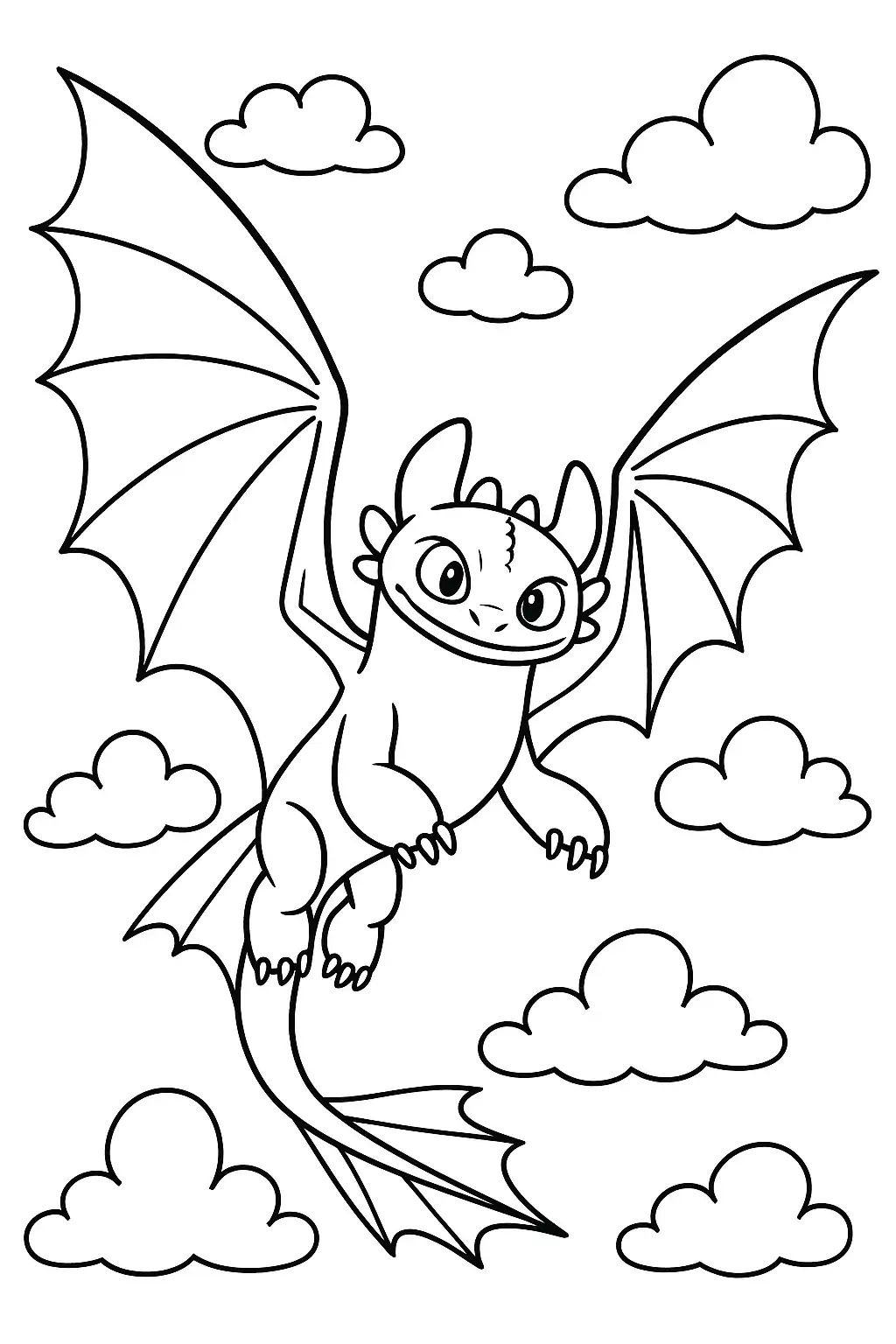
Create scales by drawing small dots or lines. Use cross-hatching for dragon wings or rough skin. Lightly layer colors to give a furry or scaly look. Textures make your dragons look lively and real.
Credit: gencolor.ai
Using Color To Bring Dragons To Life
Using color to bring dragons to life transforms simple drawings into vibrant scenes. Colors add personality and energy to each dragon. They help show mood, strength, and magic in every page. Choosing the right colors makes your dragon unique and exciting.
Experimenting with different shades creates depth and realism. Mixing bright and dark tones can highlight scales and wings. This makes the dragons look more three-dimensional and alive. Color choices can tell stories without words.
Choosing Colors That Reflect Dragon Personalities
Each dragon has its own character. Use colors that match their traits. For example, fiery dragons suit reds and oranges. Calm dragons look good in blues and greens. Playful dragons shine in yellows and purples. Color helps express who they are.
Using Shadows And Highlights For Depth
Adding shadows makes parts of the dragon appear deeper. Highlights bring forward scales and features. Use a darker shade near edges and lighter on top. This contrast gives a more lifelike look. It shows the light source in your picture.
Combining Bold And Soft Colors
Bold colors catch the eye and create excitement. Soft colors give a gentle, magical feel. Try mixing bright colors with pastels on wings or tails. This balance makes your dragon stand out. It also keeps the image from looking flat.
Using Patterns To Add Interest
Dragons often have unique skin patterns. Use stripes, spots, or scales in different colors. Patterns break up large spaces and add texture. This makes coloring more fun and detailed. It also helps your dragon look original.
Adding Details And Textures
Adding details and textures brings How to Train Your Dragon coloring pages to life. It makes the dragons and characters more interesting and fun to color. Details help show the personality and mood of each dragon. Textures add depth and make the images look more real.
Focus on small elements like scales, wings, and fur. These parts give each dragon its unique look. Use different strokes and patterns to create textures. This approach improves your coloring skills and makes your artwork stand out.
Using Fine Lines For Scales And Skin
Draw small, curved lines to show dragon scales. Keep the lines close but not too crowded. Use light strokes for soft skin areas. Darker, sharper lines work well for rough textures. Fine lines add realism and detail to your coloring pages.
Creating Wing Textures With Layered Strokes
Color dragon wings using layered strokes. Start with a base color then add darker shades on top. Use short, overlapping strokes to mimic feathers or membranes. This technique gives wings a natural, textured look. Layering colors adds depth and interest.
Adding Fur And Hair Details
Draw short, quick strokes for fur and hair. Follow the direction of the dragon’s fur growth. Use varied stroke lengths to avoid a flat look. Mix light and dark tones to create shadows and highlights. This method makes fur appear soft and fluffy.
Enhancing Eyes And Facial Features
Add tiny dots and lines around the eyes for extra detail. Use bright colors to make eyes stand out. Shade around the eyes to add depth and expression. Small details on faces bring dragons to life on the page.
Creating Backgrounds
Creating backgrounds in How to Train Your Dragon coloring book pages adds depth and life. Backgrounds set the scene for your favorite dragons and characters. A well-designed background makes the whole picture more exciting and fun to color.
Use simple shapes and colors to keep the background clear and not too busy. This helps the main dragon or Viking stand out. Think about the environment in the movie—mountains, forests, or the sky. These can inspire your background designs.
Choosing The Right Setting
Pick a setting that fits the dragon or character on the page. For Toothless, try a night sky with stars. For Hiccup, a village or rocky cliff works well. The setting tells a story and makes coloring more fun.
Using Simple Colors For Backgrounds
Use light or soft colors in the background. Avoid dark or bright colors that can hide the main figures. Soft blues, greens, or browns create a calm feeling. This makes your dragon or Viking pop out clearly.
Adding Small Details
Add small details like trees, clouds, or waves. These details bring the scene alive but keep them simple. Too many details can confuse the eye. Small touches improve the overall look without overwhelming the page.
Balancing Background And Main Image
Balance is key between the background and main characters. The background should not take all attention. Use softer lines and colors behind dragons or Vikings. This keeps the focus on the heroes of your coloring page.
Tips For Coloring Characters
Coloring characters from How to Train Your Dragon brings the story to life. It lets you explore the dragons and Vikings in your own style. With some simple tips, you can make each character look vibrant and full of personality.
Focus on colors, shading, and details. These elements help your artwork stand out. Below are practical tips to guide your coloring journey.
Choose The Right Colors
Use colors that match the character’s look in the movie. Toothless is mostly black with green eyes. Hiccup wears earthy tones like brown and green. Pick colors that suit their personality and setting.
You can also try new shades to add your own touch. Keep the colors bright and clear. Avoid mixing too many colors that may make the character look messy.
Use Light And Shadow
Adding light and shadow gives depth to your coloring. Imagine where the light hits the character. Color those areas lighter. Shade the parts that are away from light.
This technique makes your characters look more real and three-dimensional. Use a darker color gently for shadow. Blend the colors smoothly for a natural effect.
Pay Attention To Small Details
Details make characters more interesting. Color small parts like eyes, scales, or clothes carefully. Use fine-tipped pencils or markers for precision.
Look at the character’s features and patterns. Bring out textures by varying your strokes. This adds life and charm to your coloring pages.
Keep Your Coloring Neat
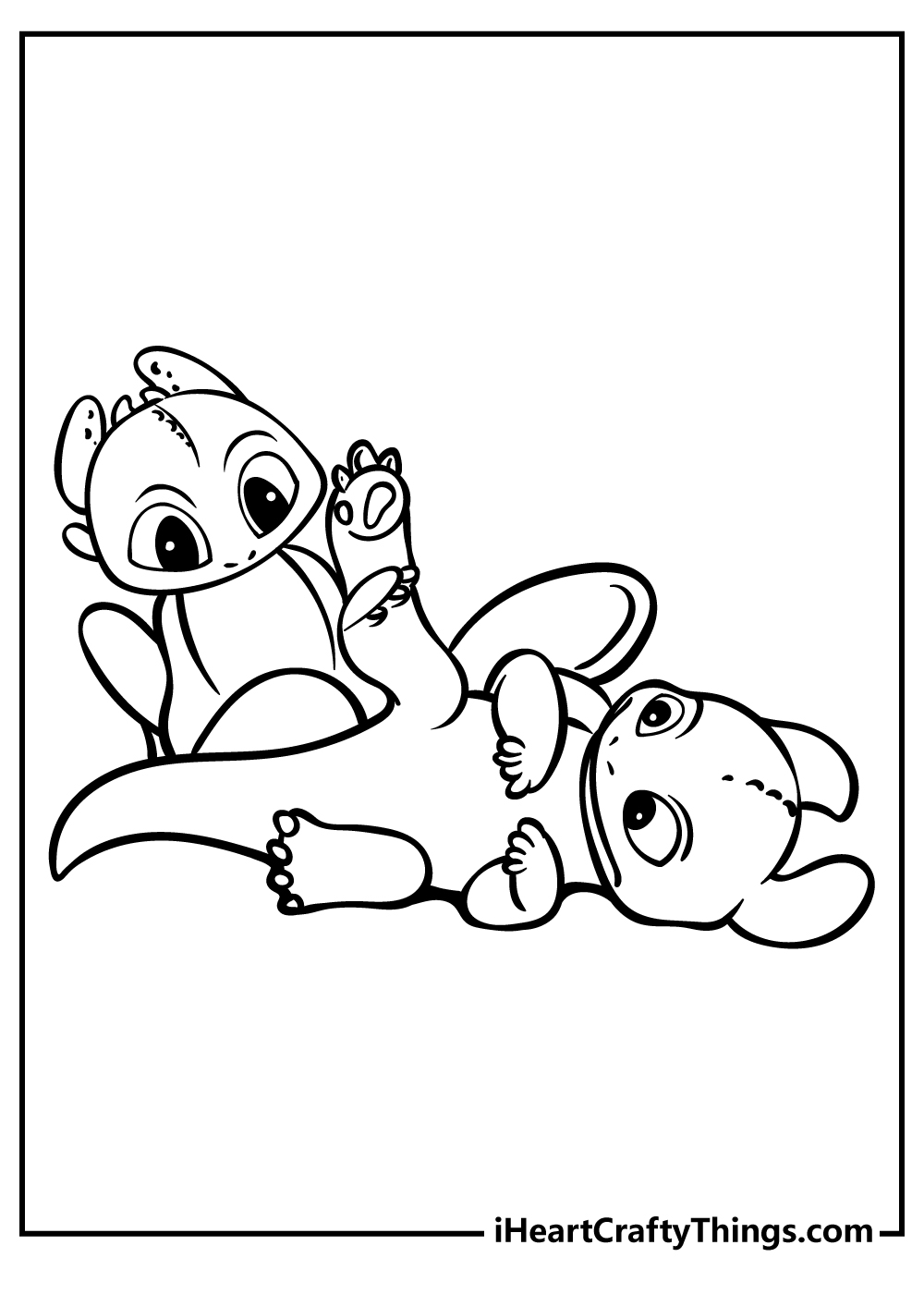
Stay inside the lines to make your work clean. Use steady hands and take your time. If you make a mistake, gently erase or cover it with the right color.
Neat coloring looks professional and pleasing to the eye. It also helps when you want to display or share your finished pages.
Credit: iheartcraftythings.com
Digital Vs. Traditional Coloring
Choosing between digital and traditional coloring changes the whole experience of How to Train Your Dragon coloring book pages. Each method offers unique benefits and challenges. Understanding these can help you enjoy coloring more and improve your skills.
Advantages Of Digital Coloring
Digital coloring lets you use many colors without buying supplies. You can undo mistakes easily. Layers help separate parts of the picture, making edits simple. Tools like brushes and effects add details quickly. Sharing your finished work online is easy and fast.
Benefits Of Traditional Coloring
Traditional coloring uses pencils, markers, or crayons. It gives a natural feel and texture to the art. Holding real tools connects you directly to the work. It can be relaxing and helps improve hand control. Finished pages can be displayed or gifted as physical art.
Comparing Costs And Supplies
Digital coloring requires a device and software, which can be expensive at first. Traditional coloring needs steady supply of paper and coloring tools. Digital coloring has no cost for paper or markers after setup. Traditional methods may need frequent buying of new supplies.
Skill Development In Both Methods
Digital coloring teaches computer skills and creativity with software tools. Traditional coloring improves fine motor skills and color blending techniques. Both methods build artistic confidence and patience. Using both can give a balanced skill set.
Choosing The Best Method For You
Try both digital and traditional coloring to see what feels right. Some prefer the mess-free nature of digital art. Others love the tactile feeling of paper and pencils. Your choice depends on your style, budget, and goals with How to Train Your Dragon pages.
Sharing Your Artwork
Sharing your artwork from How to Train Your Dragon coloring book pages brings joy and pride. It encourages creativity and connects you with others who love the story. Showing your colored pages can inspire friends and family to try coloring too. It also helps you see your progress and feel proud of your efforts.
Sharing artwork can happen in many ways. Whether online or in person, each option offers fun and new experiences. Display your work to celebrate your creativity and join a community of fans.
Share On Social Media
Post your colored pages on social media platforms. Use simple captions to describe your work. Tag groups or pages that focus on How to Train Your Dragon. This helps others find and enjoy your art.
Social media allows fast sharing with many people. You get feedback and meet others who love the same story. It can be exciting to see how others color the same pages.
Join Online Coloring Groups
Find online groups dedicated to coloring or How to Train Your Dragon. These groups often hold contests and challenges. Joining them can motivate you to color more and try new techniques.
In groups, members share tips and praise each other’s work. It’s a friendly place to learn and grow your skills. You can also ask questions and get advice.
Create A Personal Art Gallery
Make a space at home to display your colored pages. Use a bulletin board, wall frame, or scrapbook. Seeing your work daily boosts confidence and reminds you of your creativity.
Invite friends or family to view your gallery. It creates a special moment to share your passion. This also shows how much effort you put into coloring.
Participate In Local Events
Look for local art shows or school events that accept coloring pages. Submitting your work can be exciting and rewarding. It helps you meet others who enjoy art and storytelling.
Local events often give certificates or small prizes. This recognition encourages you to keep coloring and sharing. It also builds a sense of community and belonging.
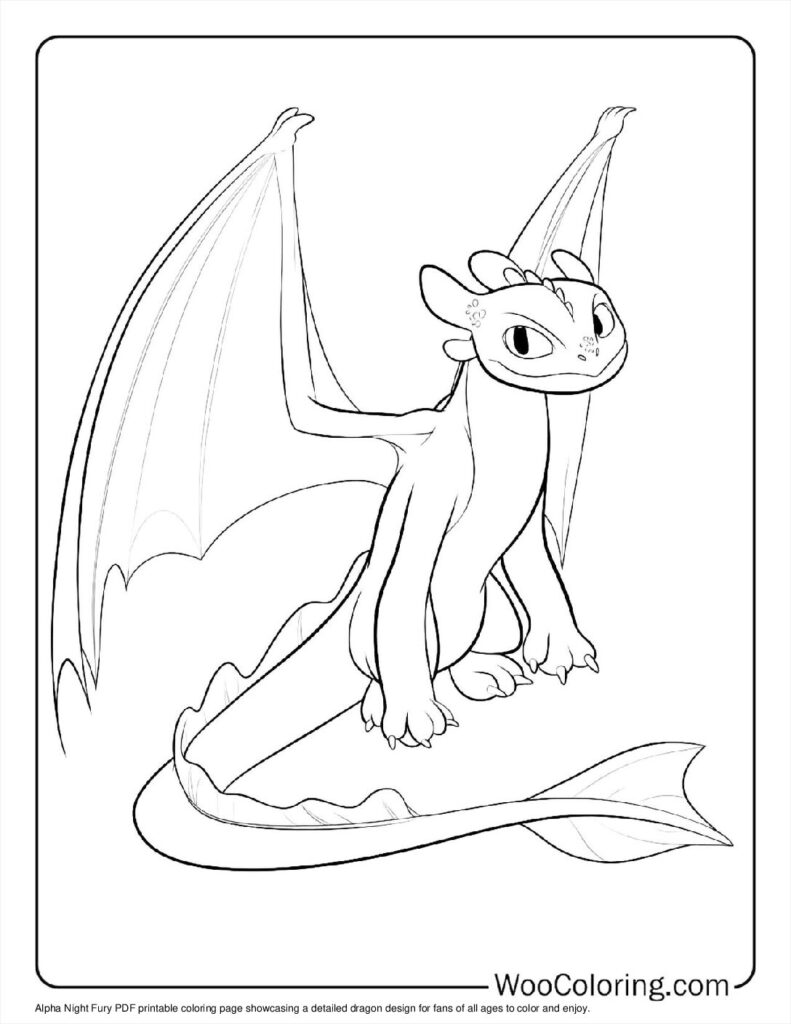
Credit: woocoloring.com
Fun Dragon-themed Activities
Fun dragon-themed activities add excitement to How to Train Your Dragon coloring book pages. These activities boost creativity and bring stories to life. They make coloring time more playful and engaging for kids and fans.
Exploring dragons beyond coloring sharpens imagination. It helps children connect with characters and enjoy every moment. The following activities are simple, fun, and perfect for dragon lovers of all ages.
Design Your Own Dragon
Encourage kids to create their unique dragon. Use basic shapes and bright colors to craft a new dragon friend. This activity improves drawing skills and inspires original ideas. Children learn to mix colors and styles while having fun.
Dragon Storytelling Games
Make up stories about dragons and Vikings. Use coloring pages as story starters or characters. This game boosts language skills and creativity. Everyone can join, sharing ideas and making tales together.
Dragon Puzzle Craft
Print coloring pages and cut them into puzzle pieces. Kids color first, then solve the puzzle by fitting pieces back. This hands-on activity builds problem-solving skills and patience. It also adds a fun twist to regular coloring.
Dragon-themed Scavenger Hunt
Create a list of dragon-related items to find around the house or yard. Include things like dragon toys, books, or colors from the coloring pages. This game encourages observation and exploration. It turns playtime into an adventure.
Frequently Asked Questions
What Materials Are Best For Coloring These Pages?
Use crayons, colored pencils, or markers for bright and smooth coloring effects.
Where Can I Find Free How To Train Your Dragon Coloring Pages?
Many websites offer free printable pages, like Woo Coloring and Monday Mandala.
Are These Coloring Pages Suitable For All Ages?
Yes, they are designed for kids and adults who enjoy simple dragon art.
How Can Coloring Improve Children’s Creativity?
Coloring helps develop fine motor skills and encourages imagination through color choices.
Can I Print These Pages At Home Easily?
Yes, most pages are in PDF format and print well on standard printers.
What Characters Appear In The Coloring Book Pages?
Common characters include Toothless, Hiccup, and other dragons from the movie series.
How Long Does It Take To Color One Page?
It varies, but most pages take 10 to 30 minutes depending on detail.
Are These Coloring Pages Good For Group Activities?
Yes, they are perfect for classrooms, parties, or family coloring sessions.
Can Coloring These Pages Help Children Learn About Dragons?
Yes, it introduces kids to dragon designs and stories from the popular series.
Is There A Digital Option For Coloring These Pages?
Some apps and websites offer digital coloring versions of How to Train Your Dragon pages.
Conclusion
Coloring How to Train Your Dragon pages brings fun and creativity together. Kids enjoy coloring their favorite dragons and characters. It helps improve focus and fine motor skills too. Parents find it a great way to spend quality time. Printable pages make it easy to start anytime.
Keep trying different colors and styles for unique results. These pages spark imagination and story-telling moments. Grab your crayons and dive into a world of dragons today!