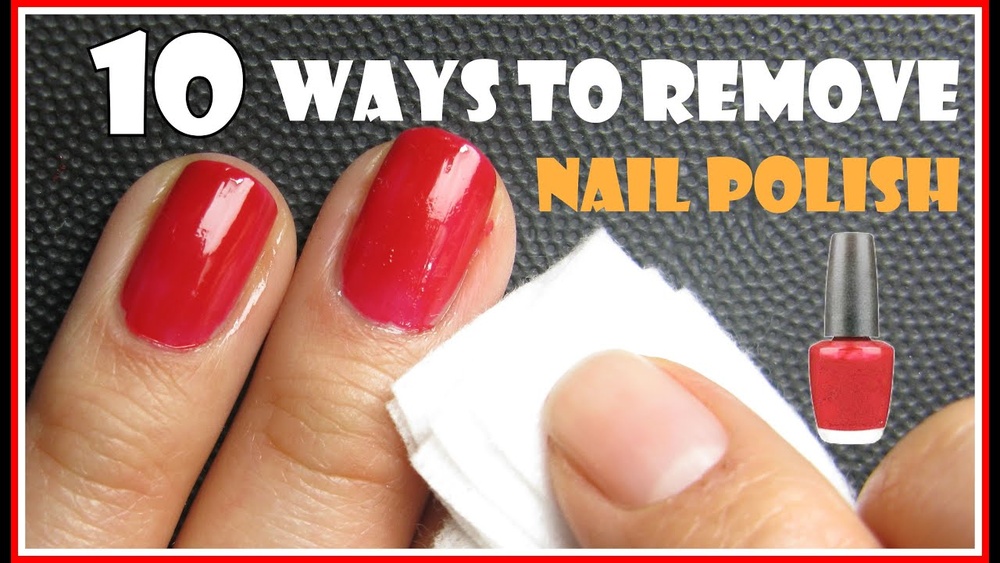
Are you tired of staring at chipped or faded nail color and wondering how to get it off quickly and safely? Removing nail polish might seem simple, but without the right steps, you could damage your nails or irritate your skin.
Whether you’re dealing with regular polish, stubborn gel, or even dye stains, knowing the right techniques can save you time and keep your nails healthy. In this guide, you’ll discover easy, effective methods that you can do at home using common items.
Keep reading to learn how to remove your nail color effortlessly and protect your nails during the process—you’ll never dread polish removal again!
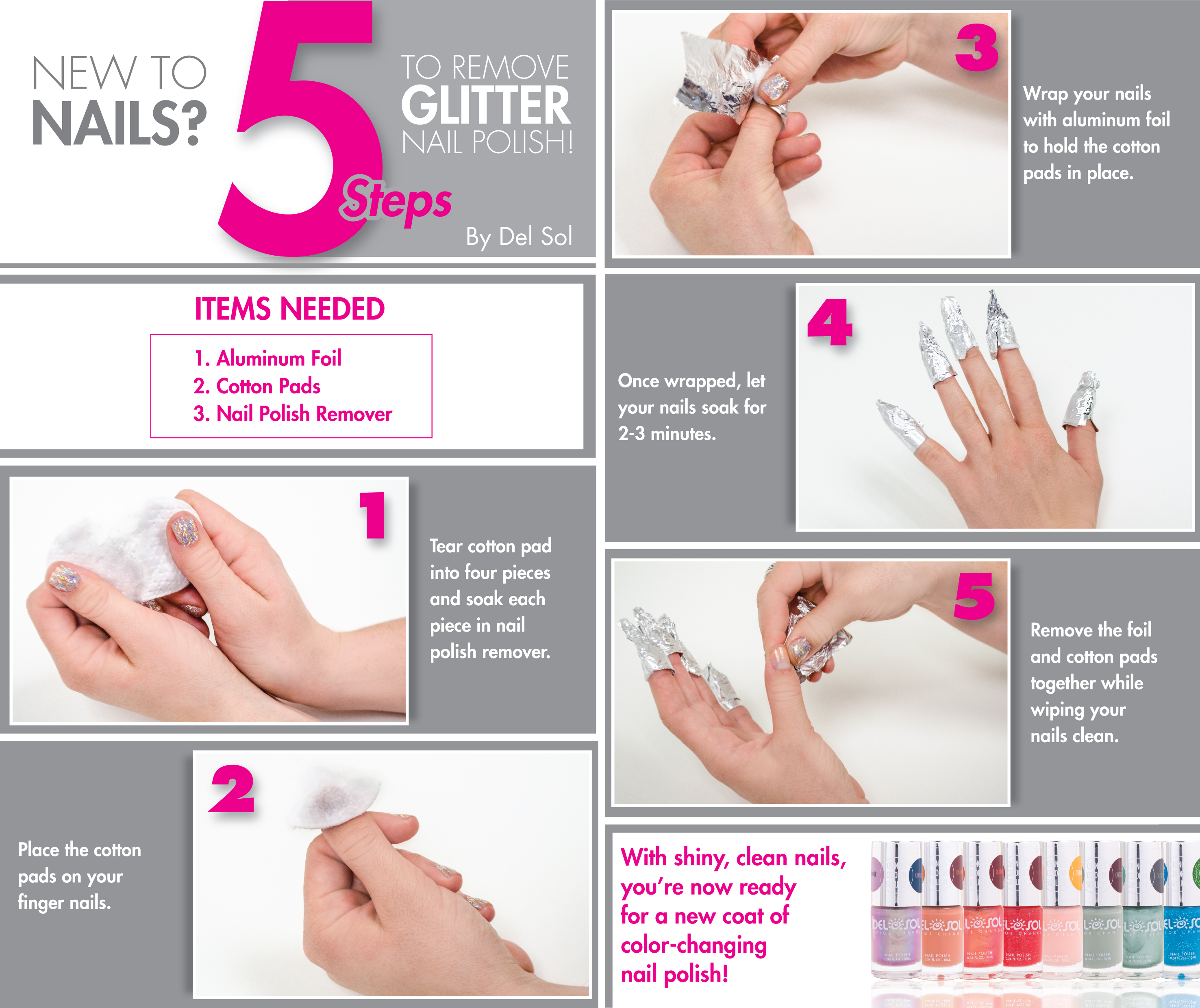
Credit: blog.delsol.com
Types Of Nail Color
Nail color comes in many forms. Each type requires a different removal method. Understanding these types helps in choosing the right removal process.
Some nail colors dry quickly, while others last longer. Some need special tools or products for removal. Let’s explore the main types of nail color.
Regular Nail Polish
This is the most common nail color. It dries quickly and comes in many shades. Regular polish removes easily with standard nail polish remover.
Gel Nail Polish
Gel polish lasts longer and shines brighter. It cures under UV or LED light. Removing gel polish requires soaking with acetone or professional help.
Dip Powder Nails
Dip powder nails use colored powder and a sealant. They are durable and chip-resistant. Removal involves soaking nails in acetone for a longer time.
Semi-permanent Polish
Semi-permanent polish looks like gel but is thinner. It lasts about two weeks. Removal is similar to gel polish, usually using acetone soak.
Press-on Nails
Press-on nails come pre-painted and ready to use. They stick to natural nails with glue or adhesive tabs. Removal is simple, by gently peeling them off.
Tools Needed
Removing nail color requires a few simple tools. Having the right items makes the process easy and safe. Gather everything before starting for a smooth experience.
Acetone Or Nail Polish Remover
Choose a good quality acetone or nail polish remover. Acetone works faster but dries skin more. Non-acetone removers are gentler but may take longer. Pick one based on your skin sensitivity and nail type.
Cotton Pads Or Balls
Cotton pads or balls help apply the remover evenly. Use enough to cover the nail surface completely. They soak up the remover and help lift the color from nails.
Aluminum Foil Sheets
Small aluminum foil pieces help keep cotton pads in place. Wrap each finger with foil after placing the soaked cotton pad. This traps the remover, speeding up polish removal.
Cuticle Pusher Or Wooden Stick
A cuticle pusher or wooden stick gently removes leftover polish. Use it carefully to avoid damaging the nail surface. It helps push off any stubborn color after soaking.
Moisturizer And Cuticle Oil
After removing polish, nails and skin may feel dry. Use a moisturizer and cuticle oil to rehydrate and soothe the skin. This keeps nails healthy and prevents cracking.
Using Traditional Nail Polish Remover
Using traditional nail polish remover is a simple and effective way to remove nail color at home. This method works well for most nail polish types and requires only a few basic items. It helps clear your nails quickly without much hassle.
Traditional removers often contain acetone or non-acetone formulas. Acetone is stronger and removes polish faster. Non-acetone is gentler but may need more time and effort. Both types can get your nails clean.
Gather Your Supplies
Get a cotton pad or ball, nail polish remover, and a small bowl if needed. Have tissues or paper towels ready for cleanup. Use a nail file or orange stick for any stubborn polish bits.
Protect Your Skin
Apply lotion or petroleum jelly around your nails. This protects the skin from drying out. Nail polish removers can be harsh on your skin. Moisturizing helps keep your fingers soft.
Apply The Remover
Soak the cotton pad with nail polish remover. Press it firmly on your nail for a few seconds. This softens the polish and makes removal easier. Avoid rubbing at this stage to prevent nail damage.
Remove The Polish
Wipe the softened polish off with the cotton pad. Use gentle strokes from the base to the tip. Repeat the process for any leftover polish. For thick layers, soak and press longer before wiping.
Clean And Moisturize
Wash your hands with soap and water to remove any residue. Apply cuticle oil or hand lotion to hydrate nails and skin. This step helps restore moisture and keeps nails healthy after removal.
Acetone Vs Non-acetone Removers
Removing nail polish requires choosing the right remover. Two main types exist: acetone and non-acetone. Both serve the same purpose but differ in ingredients, effects, and suitability. Knowing their differences helps pick the best option for your nails and skin.
What Is Acetone Nail Polish Remover?
Acetone remover contains a strong solvent called acetone. It dissolves nail polish quickly and efficiently. This remover works best on regular and gel polish. It removes color fast, saving time during the process. However, acetone can dry out nails and skin. Use lotion after removal to keep skin soft.
What Is Non-acetone Nail Polish Remover?
Non-acetone removers use gentler solvents like ethyl acetate. They remove polish more slowly but cause less dryness. This type suits people with sensitive skin or brittle nails. Non-acetone is a safer choice for artificial nails. It protects nail health while removing color gently.
Which Remover Should You Choose?
Pick acetone for quick polish removal. It works well for thick or dark colors. Choose non-acetone for sensitive skin or frequent use. It prevents nail damage and dryness. Always moisturize nails and hands after using any remover. Proper care keeps nails healthy and shiny.
Removing Gel Nail Polish At Home
Removing gel nail polish at home can save time and money. It needs patience and the right steps to avoid nail damage. Follow simple methods to gently take off gel polish safely. Prepare your nails and gather necessary supplies before starting.
Prepare Your Nails And Skin
Start by washing your hands thoroughly. File the top layer of the gel polish lightly. This breaks the seal and helps acetone soak in better. Protect your skin with a bit of cuticle oil or petroleum jelly around nails.
Soak Cotton Pads In Acetone
Use 100% pure acetone for best results. Soak cotton pads fully but not dripping. Place one pad on each nail. Press it down firmly to cover all polish areas.
Wrap Nails With Foil
Wrap each finger with small pieces of aluminum foil. This holds the cotton pads tightly in place. The foil traps heat and speeds up the gel removal process. Wait for 10 to 15 minutes.
Remove The Foil And Cotton Pads
Gently pull off foil and cotton from one nail at a time. Use an orange stick or cuticle pusher to push off loosened gel polish. Do not force or scrape hard. Repeat soaking if polish resists.
Clean And Moisturize Your Nails
Wash your hands to remove acetone residue. Apply cuticle oil and hand cream to rehydrate nails and skin. Avoid using harsh chemicals on nails for a day or two after removal.
Natural Alternatives For Removal
Removing nail color does not always require harsh chemicals. Natural alternatives can gently and effectively lift polish from nails. These options protect nail health and reduce skin dryness. They use ingredients you might already have at home.
These natural methods work best on regular nail polish, not gel or acrylic nails. Patience helps, as removal might take longer than with acetone. Keep nails and cuticles moisturized after each treatment to maintain softness and strength.
Using Vinegar And Lemon Juice
Mix equal parts of white vinegar and fresh lemon juice in a small bowl. Soak a cotton ball in the mixture. Press it firmly on your nail and hold for 10 minutes. Gently rub the cotton ball over your nail to lift the polish. Repeat if needed until the polish fades.
Olive Oil And Hot Water Soak
Heat a bowl of water until warm but not hot. Add two tablespoons of olive oil. Soak your nails in the mixture for 15 minutes. Use a soft cloth or cotton ball to wipe off softened polish. Olive oil nourishes nails while helping polish come off.
Baking Soda And Water Paste
Make a thick paste using baking soda and a few drops of water. Apply the paste on your nails and let it sit for five minutes. Use a toothbrush or nail brush to scrub the polish gently. Rinse nails with warm water and repeat if polish remains.
Using Toothpaste For Light Polish
Choose a whitening toothpaste with baking soda. Apply a small amount to each nail. Rub gently with a toothbrush for several minutes. The mild abrasives help break down polish. Wash hands thoroughly and moisturize afterward.
Quick Fixes For Fresh Stains
Fresh nail color stains can be frustrating. Quick action helps remove them easily. Use simple tools and safe methods to clean stains fast. These quick fixes save time and protect your skin.
Use Nail Polish Remover With Cotton Pads
Soak a cotton pad with nail polish remover. Press it firmly on the stained nail. Hold it for 10 to 15 seconds. Wipe gently to lift the color. Repeat if needed to clear all stains.
Try Rubbing Alcohol Or Hairspray
Apply rubbing alcohol or hairspray on a cotton ball. Dab it on the fresh stain carefully. The alcohol breaks down the nail color quickly. Wipe the area clean with a dry cloth. Avoid harsh rubbing to protect your skin.
Make A Vinegar And Orange Juice Mix
Mix equal parts of vinegar and natural orange juice. Dip a cotton ball into the mix. Press it on the stain for a few seconds. Wipe gently to remove the color. This natural mix works well on fresh stains.
Use Baking Soda And Toothpaste Paste
Mix whitening toothpaste and baking soda into a paste. Apply it on the stained nail surface. Rub softly with a cloth or finger. The paste helps lift fresh nail color stains. Rinse with warm water and dry your hands.
:max_bytes(150000):strip_icc()/remove-nail-polish-stains-clothes-carpet-upholstery-2147132-b83a8bb7edb84c6687ca5ddb7921ce3f.png)
Credit: www.thespruce.com
Tackling Tough Stains And Dye
Removing tough nail stains and dye requires patience and the right methods. Some nail colors leave deep stains that simple removers can’t clear. These stubborn marks need extra care to restore your nails’ natural look.
Using effective techniques can help eliminate these tough stains without harming your nails. The goal is to clean the nails gently while removing all traces of color.
Use Rubbing Alcohol Or Hairspray For Fresh Stains
Dab a cotton ball with rubbing alcohol or hairspray. Gently rub the stained nails in circular motions. These household items break down fresh dye quickly. Wipe away the loosened color with a clean cloth. Repeat until the stain fades. Avoid harsh scrubbing to protect your nails.
Apply Whitening Toothpaste And Baking Soda Paste
Mix whitening toothpaste with baking soda to form a paste. Use a soft toothbrush to apply this paste on stained nails. Brush gently for a few minutes. This mixture acts as a mild abrasive and lightens the dye. Rinse nails with warm water and dry thoroughly. Repeat if needed for better results.
Soak Nails In Lemon Juice
Lemon juice has natural bleaching properties. Soak your nails in lemon juice for 5 to 10 minutes. This helps lighten dark stains caused by nail polish or dye. After soaking, scrub nails softly with a toothbrush. Rinse and moisturize to prevent dryness. Use fresh lemon juice each time for best effect.
Protecting Your Skin And Nails
Removing nail color can be tough on your skin and nails. Protecting them keeps your hands healthy and beautiful. Using gentle methods helps avoid dryness and damage. Simple care steps make a big difference during polish removal.
Protect The Skin Around Your Nails
Apply a moisturizing lotion to your fingertips. This shields your skin from acetone’s harsh effects. Avoid letting remover sit on your skin too long. Use a barrier cream if possible to protect cuticles.
Use Soft Cotton Pads
Choose soft cotton pads to soak up nail polish remover. Harsh materials can irritate your skin. Press the pad gently on your nail without rubbing. This reduces skin contact with chemicals.
Apply Gentle Pressure
Hold the soaked cotton pad firmly on the nail. Pressing helps the remover work faster. Avoid scrubbing or harsh rubbing to prevent nail damage. Keep your hand steady to protect surrounding skin.
Remove Polish Without Pulling
Wiggle your finger side to side under the cotton pad. Then slide the pad off gently. This technique lifts polish without harming your nails. Repeat only if polish remains, avoiding overuse of remover.
Aftercare For Healthy Nails And Skin
Wash your hands with mild soap after removing polish. Apply cuticle oil to nourish nails and skin. Follow with a rich hand cream to restore moisture. Regular aftercare prevents dryness and keeps nails strong.
Aftercare Tips For Healthy Nails
After removing nail color, nails need care to stay strong and healthy. Nail polish remover can dry out nails and skin. Following good aftercare helps restore moisture and prevent damage. Simple steps can make nails look better and grow well.
Keep Nails Moisturized
Apply cuticle oil or a rich hand cream daily. This helps replace lost oils and keeps nails flexible. Massage the moisturizer gently into the nails and surrounding skin.
Avoid Harsh Chemicals
Stay away from strong detergents and cleaning products without gloves. These can cause nails to become brittle and dry. Use mild soaps and wear protective gloves when cleaning.
Limit Nail Polish Use
Give your nails a break between polish applications. This allows them to breathe and repair naturally. Avoid using polish removers more than twice a week.
Keep Nails Trimmed And Filed
Trim nails regularly to avoid splits and breaks. Use a gentle file to smooth edges. This prevents peeling and helps nails grow evenly.
Eat A Balanced Diet
Foods rich in vitamins and minerals support nail health. Include protein, biotin, and iron in your meals. Healthy nails start from the inside out.

Credit: www.youtube.com
Frequently Asked Questions
How To Remove Color From Nails?
Soak a cotton pad in nail polish remover and press it on nails for 10-15 seconds. Rub gently to remove color. Wash hands and moisturize after.
What Is The Fastest Way To Remove Nail Polish?
The fastest way to remove nail polish is to soak a cotton pad with acetone-based remover. Press it firmly on your nail for 10-15 seconds, then wipe the polish away. Repeat if needed. Always moisturize your nails and skin after removal to prevent dryness.
How To Remove Dye Off Your Nails?
Remove dye from nails by rubbing with alcohol or hairspray on a cloth for fresh stains. For tough stains, scrub with whitening toothpaste or a baking soda paste. Soak nails in warm water mixed with lemon juice and baking soda for deeper cleaning.
Moisturize after.
Can Toothpaste Remove Nail Polish?
Toothpaste can help fade nail polish stains but cannot fully remove nail polish. Use proper nail polish remover for best results.
How Can I Remove Nail Polish Quickly At Home?
Soak a cotton pad with remover, press on nails for 10 seconds, then wipe polish away.
What Is The Safest Way To Remove Gel Nail Polish?
Use acetone-soaked cotton pads wrapped in foil, wait 15 minutes, then gently push off polish.
Can I Remove Nail Color Without Acetone?
Yes, try non-acetone polish removers or natural oils, but they may take longer to work.
How Do I Protect My Skin While Removing Nail Polish?
Apply lotion around nails to protect skin from drying effects of acetone before removal.
What Should I Do After Removing Nail Polish?
Wash hands, moisturize nails and cuticles with oil or lotion to keep skin healthy.
How Often Should I Remove Nail Polish To Keep Nails Healthy?
Remove polish every 3 to 7 days to prevent nail damage and allow nails to breathe.
Conclusion
Removing nail color is simple with the right steps and tools. Use gentle pressure with a soaked cotton pad to lift polish easily. Protect your skin by applying lotion before and after removal. Avoid harsh scrubbing to keep nails healthy and strong.
Moisturize your hands and nails well after the process to prevent dryness. Regular care helps nails stay smooth and beautiful. Follow these tips for safe, effective nail color removal at home.