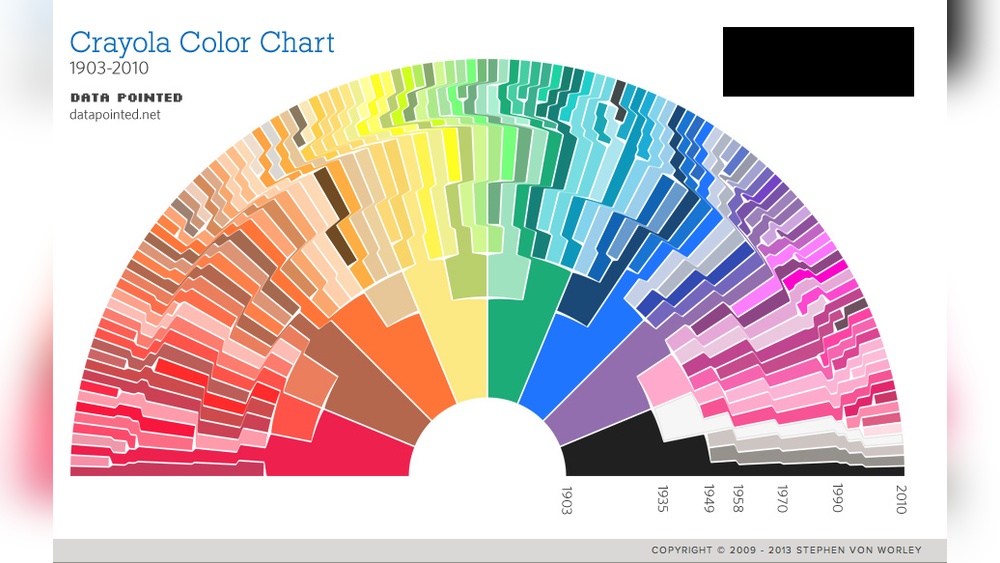
Have you ever wondered just how many different kinds of colors exist? It might surprise you to learn that the answer isn’t as simple as naming a few basic shades.
Your eyes can actually distinguish millions of colors, each with its own unique tone and feeling. But what exactly counts as a color? And how do all these shades come to life in the world around you? You’ll discover the fascinating truth about colors—from the basics you see every day to the endless variations you didn’t even know existed.
Get ready to explore a vibrant spectrum that will change the way you look at color forever. Keep reading, because your world is more colorful than you think!
Color Spectrum Basics
The color spectrum is a range of all visible colors. It is what the human eye can see when light splits. White light breaks into many colors, creating a rainbow effect.
This spectrum shows colors in order by wavelength. Each color blends smoothly into the next. Together, they form a continuous band of colors.
Visible light is a small part of the full light spectrum. It has wavelengths from about 400 to 700 nanometers. Short wavelengths look blue or violet. Long wavelengths appear red or orange.
Colors between these extremes include green, yellow, and others. The exact shade depends on the wavelength of the light.
Primary Colors Of Light
In light, the primary colors are red, green, and blue. These colors combine in different ways. Mixing them creates all other colors we see on screens.
For example, red and green make yellow. Blue and green make cyan. Mixing all three at full strength produces white light.
Continuous Nature Of The Spectrum
The spectrum is continuous with no clear breaks. It means there are infinite color variations. Each small change in wavelength creates a new color.
This explains why we can see so many shades and tones. The human eye can detect millions of different colors.

Credit: annkingstone.com
Primary Colors Explained
Primary colors are the foundation of all other colors. They are pure colors that cannot be made by mixing other colors. Understanding primary colors helps us learn how colors blend and create the wide range we see.
Artists and scientists use primary colors as a starting point. Mixing these colors in different ways forms secondary and tertiary colors. Knowing primary colors is key to grasping basic color theory.
What Are The Primary Colors?
The traditional primary colors are red, yellow, and blue. These three colors are chosen because they cannot be made by mixing other colors. They serve as the base for creating many other colors.
Why Are Primary Colors Important?
Primary colors are important because they help us understand color mixing. By combining them, we create secondary colors like green, orange, and purple. This process explains how color palettes work in art and design.
Primary Colors In Light Vs. Paint
Primary colors differ between light and paint. For light, the primary colors are red, green, and blue (RGB). For paint and pigments, the primary colors are red, yellow, and blue. This difference is due to how colors mix in light versus materials.
Secondary And Tertiary Colors
Secondary and tertiary colors expand the color world beyond the basics. They create variety and depth in art, design, and everyday visuals. Understanding these colors helps in mixing and matching shades effectively.
Secondary Colors
Secondary colors form by mixing two primary colors. The primary colors are red, blue, and yellow.
Mix red and blue, and you get purple. Mix blue and yellow, and you get green. Mix red and yellow, and you get orange.
These three colors—purple, green, and orange—are the secondary colors. They sit between the primaries on the color wheel.
Tertiary Colors
Tertiary colors come from mixing a primary color with a nearby secondary color. This creates six new colors.
Examples include red-orange, yellow-orange, yellow-green, blue-green, blue-purple, and red-purple. These colors have more complexity.
Tertiary colors give artists more options to express mood and detail. They add richness to any color palette.
Visible Light And Wavelengths
Visible light is the part of the electromagnetic spectrum that humans can see. It includes all the colors we recognize every day. Each color corresponds to a specific wavelength of light. These wavelengths range from about 380 to 750 nanometers. The wavelength determines the color’s position in the spectrum.
The spectrum is continuous, meaning there are no gaps between colors. This creates a smooth transition from violet to red. Understanding visible light and wavelengths helps explain why we see different colors.
What Is Visible Light?
Visible light is a small section of the full light spectrum. It is made up of waves with different lengths. Our eyes detect these waves as colors. Without visible light, we would see only darkness.
Wavelengths And Color
Colors depend on the length of light waves. Short wavelengths appear as blue or violet. Long wavelengths look like red or orange. Medium wavelengths show as green, yellow, or other colors in between.
How Wavelengths Create Color Variety
Light waves can mix and blend, creating many shades. Even tiny changes in wavelength produce new colors. This is why the spectrum contains millions of visible colors.
Human Color Perception
Human color perception shapes how we see the world. Our eyes detect light and translate it into colors. This process allows us to experience millions of different hues daily.
Color perception depends on how our eyes and brain work together. Light enters the eye and hits cells called cones. These cones sense color and send signals to the brain. The brain then interprets these signals as specific colors.
How The Eye Detects Color
The human eye has three types of cones. Each cone detects a different range of light wavelengths. These cones are sensitive to red, green, and blue light. By mixing signals from these cones, the brain creates the full range of colors.
Number Of Colors Humans Can See
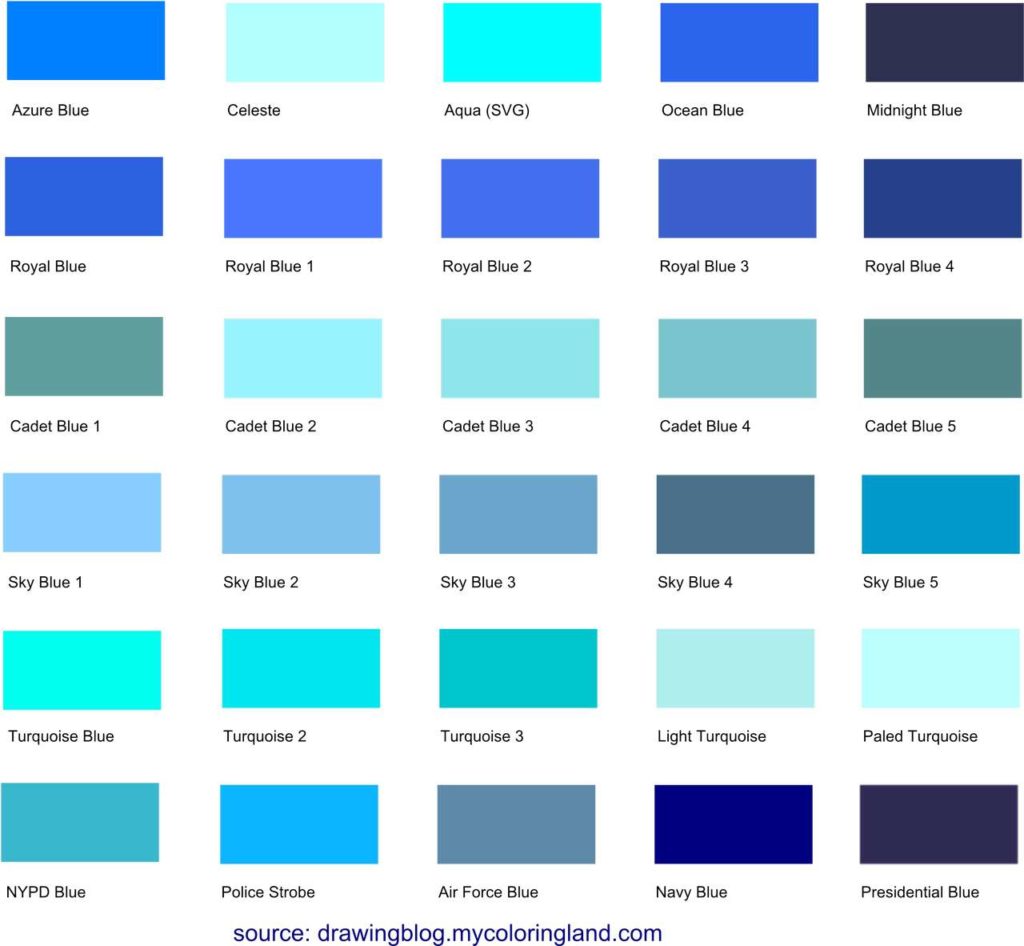
Humans can see around ten million distinct colors. This vast number comes from the combinations of signals from the three cone types. Small changes in light wavelength create new shades and hues.
Limitations Of Human Color Perception
Not everyone sees colors the same way. Some people have color blindness, which limits color detection. Also, lighting and surroundings affect how colors appear. Our perception can change under different conditions.
Credit: drawingblog.mycoloringland.com
Infinite Shades And Variations
Colors do not exist as fixed points. Instead, they flow in endless variations. Every color blends into another, creating countless shades. This endless range makes the world vibrant and unique.
Light waves create these colors. Each wave has a slightly different length. These small differences form new hues we can barely name. The spectrum of colors is continuous, not limited.
Colors As A Continuous Spectrum
Light includes all colors as a smooth range. No clear line separates one color from the next. Between red and orange lies many tones, each distinct. This range means colors never truly end.
Human Eye And Color Perception
The human eye can see about ten million colors. This ability varies from person to person. Some people see more shades, others less. Our brain also mixes colors for unique views.
Digital Colors And Their Limits
Digital screens show millions of colors too. They use combinations of red, green, and blue lights. Still, these colors are limited by technology. Many natural shades remain out of reach.
Infinite Shades In Nature
Nature shows colors beyond digital or paint. Sunsets, oceans, and forests display subtle changes. These shifts create moods and feelings in us. Nature’s palette is vast and always changing.
Color Models In Use
Colors appear in many shades and forms. Understanding color models helps explain how colors are created and displayed. These models guide designers, artists, and devices to show colors accurately. Each model uses a different method to mix colors for various purposes.
Rgb Model
The RGB model uses red, green, and blue light. It is common in screens like TVs and computers. Colors form by mixing these three lights at different strengths. When combined fully, they create white. This model works with light, so it is called additive color mixing.
Cmyk Model
The CMYK model uses cyan, magenta, yellow, and black inks. It is popular in printing materials like magazines and posters. Colors appear by subtracting light using ink layers. When combined, these inks absorb light and create various colors. This model is known as subtractive color mixing.
Hsl And Hsv Models
HSL stands for hue, saturation, and lightness. HSV means hue, saturation, and value. Both models help describe colors in ways humans understand. They separate color tone from brightness and intensity. Designers use these models to pick and adjust colors easily.
Named Colors Around The World
Colors hold deep meanings in every culture. They shape our world and language. Named colors vary widely across different countries and societies. Each culture has unique names for colors that reflect its history and environment.
Understanding named colors worldwide shows how humans perceive and categorize color. It also reveals fascinating links between nature and language. Let’s explore some examples of named colors from various cultures.
Named Colors In English
English has many color names, from simple ones like red, blue, and green. It also includes unique names such as teal, mauve, and chartreuse. English color names often come from objects, plants, or places.
Colors In Japanese Culture
Japanese color names blend nature and tradition. For example, “momo” means peach pink, and “midori” stands for green. The Japanese language has subtle shades like “usuzakura” for light cherry blossom pink.
Colors In Indian Languages
India’s many languages have rich color vocabularies. Hindi uses “neela” for blue and “peela” for yellow. Sanskrit, an ancient language, has dozens of precise color terms, reflecting Indian art and fabrics.
Colors In African Languages
African languages often name colors based on natural elements. In Zulu, “luhlaza” means green or blue, tied to plants and water. Many African cultures use color names linked to animals and the earth.
Colors In Spanish And Latin America
Spanish has basic colors like “rojo” (red) and “azul” (blue). Latin American countries add local color names inspired by flowers, fruits, and landscapes. For example, “guayaba” can describe a pinkish shade.
Colors In Digital Media
Digital media uses colors in unique ways. Colors appear on screens through light. This differs from print colors that use ink.
Colors in digital media are made from tiny dots called pixels. Each pixel shows a mix of colors.
Choosing the right colors is key for clear images and good designs. Digital colors follow specific rules and codes.
Web-safe Colors
Web-safe colors are a set of 216 colors. They look the same on most computers and browsers. This helps avoid color shifts.
These colors use six levels of red, green, and blue. Each level is a multiple of 51 in decimal.
Using web-safe colors ensures consistency. It is useful for older devices and simple web designs.
Hex And Rgb Codes
Hex codes show colors with six digits. Each pair represents red, green, and blue.
For example, FF0000 means bright red. This format is popular in web design.
RGB codes use numbers from 0 to 255. They show how much red, green, and blue a color has.
RGB(0, 255, 0) means bright green. These codes help create many colors for screens.

Credit: www.rainbowsymphony.com
Cultural Significance Of Colors
Colors carry deep meanings in many cultures worldwide. They do more than decorate. Colors express emotions, beliefs, and traditions. People use colors to tell stories and show identity. The same color can have very different meanings depending on the culture. Understanding these meanings helps us connect with others better.
Red: Power And Passion
Red often stands for energy and strength. In China, red is lucky and used in celebrations. In some Western countries, red can mean danger or love. It grabs attention and shows strong feelings.
Blue: Calm And Trust
Blue is linked to peace and stability. Many people see blue as soothing and reliable. In some cultures, blue protects against evil spirits. It also represents wisdom and confidence.
White: Purity And Peace
White usually means purity and innocence in many Western countries. It is common in weddings and religious ceremonies. In some Asian cultures, white is the color of mourning. It shows respect for those who have passed.
Black: Mystery And Mourning
Black can represent elegance and formality. It is often worn at serious events. In many cultures, black is the color of mourning. It symbolizes loss and remembrance.
Yellow: Happiness And Caution
Yellow often stands for joy and energy. In some cultures, it means wealth and royalty. Yellow can also warn people to be careful. It is bright and catches the eye quickly.
Frequently Asked Questions
How Many Colors Are There In Total?
There are infinitely many colors because light forms a continuous spectrum of wavelengths. Humans can distinguish around ten million hues.
Are There Only 16777216 Colors?
No, 16,777,216 colors represent 24-bit digital color depth. The visible spectrum contains infinitely many colors beyond this limit.
What Are The 7 Pure Colors?
The 7 pure colors are red, orange, yellow, green, blue, indigo, and violet. They form the visible spectrum.
What Are The 24 Colors?
The 24 colors include red, orange, yellow, green, blue, indigo, violet, black, white, gray, brown, pink, purple, maroon, turquoise, cyan, navy blue, gold, tomato, teal, lime, salmon, olive, and aqua. These cover basic and common shades used in design and art.
How Many Different Colors Can The Human Eye See?
The human eye can see about 10 million different colors and shades.
What Are The Primary Colors In Art And Design?
Primary colors are red, blue, and yellow; they mix to make other colors.
How Many Colors Are In The Visible Light Spectrum?
The visible light spectrum contains seven main colors: red, orange, yellow, green, blue, indigo, and violet.
Can Computers Display All The Colors Humans See?
No, computers display colors using RGB, but cannot show every color visible to humans.
Why Do Colors Appear Differently Under Various Lights?
Colors change because light sources affect how we see their wavelengths and brightness.
Are There Infinite Colors In The World?
Yes, colors form a continuous spectrum, so there are infinitely many shades and tones.
Conclusion
Colors surround us every day, making life more vibrant and interesting. Humans can see about ten million different hues. Science shows that light creates an endless spectrum of colors. Each shade has its own unique place in this spectrum. Understanding colors helps us appreciate art, nature, and design better.
No matter how many colors exist, they all add beauty to our world. Exploring colors can be fun and inspiring for everyone. Keep noticing the colors around you—they tell many stories.