
Have you ever wondered when color photography first brought the world to life with vibrant hues? Imagine seeing a sunset or a bustling city street in rich color for the very first time—how different would that feel compared to black and white?
Understanding when color photography was invented not only satisfies your curiosity but also reveals how this breakthrough transformed the way you capture and remember moments today. You’ll discover the fascinating history behind color photography, the challenges early inventors faced, and how it gradually became the everyday tool you now rely on to preserve your most vivid memories.
Keep reading, and you’ll never look at photos the same way again.

Credit: www.scienceandmediamuseum.org.uk
Early Experiments
Color photography began with many early experiments in the 19th century. Inventors tried to capture colors using different methods. These efforts laid the foundation for later advances.
Scientists studied how light and color worked together. They wanted to record images that showed real-life colors. Early processes were slow and complicated, but they proved it was possible.
The First Color Photograph
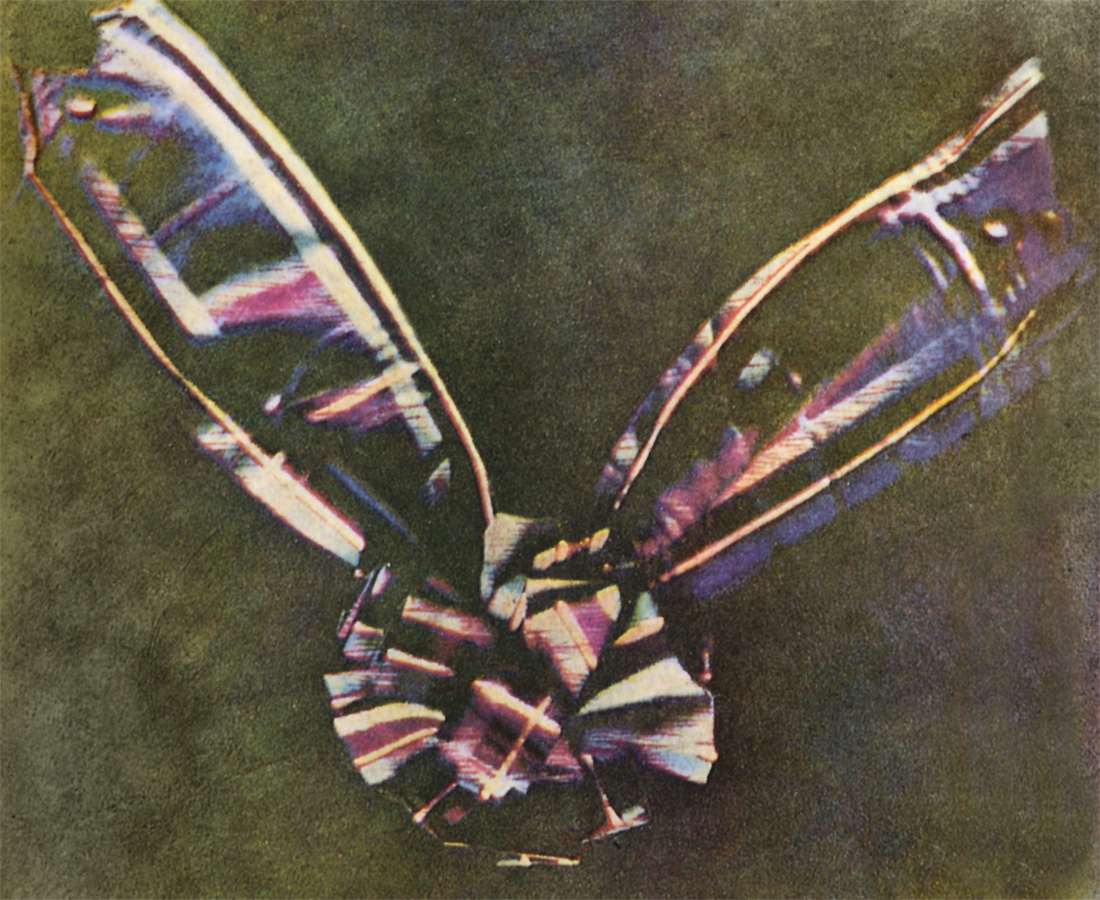
In 1861, James Clerk Maxwell created the first color photograph. He used three black and white photos taken through red, green, and blue filters. Then, he combined them to make a color image. This method showed how color could be captured using light filters.
Louis Ducos Du Hauron’s Contributions
Louis Ducos du Hauron worked on color photography in the 1870s. He developed techniques to create color prints from photographs. His ideas included using color separation and layering colors. Ducos du Hauron’s work helped move color photography forward.
The Autochrome Process
The Autochrome process was the first practical color photography method. It was introduced in 1907 by the Lumière brothers. This process used dyed grains of starch to filter light. Autochrome produced beautiful color images but required long exposure times.
Credit: www.instarestoration.com
First Color Photograph
The first color photograph marked a major step in photography history. It showed the world’s true colors for the first time. This photo was not like the black and white images people had seen before. It captured the natural hues of the scene, making it feel more alive and real.
Creating a color photo was very difficult at first. Scientists had to find a way to record colors using light-sensitive materials. The process involved capturing red, green, and blue light separately and then combining them. This method laid the foundation for modern color photography.
The First Color Photograph By James Clerk Maxwell
In 1861, James Clerk Maxwell created the first color photograph. He used a tartan ribbon as the subject. Maxwell took three separate black and white photos through red, green, and blue filters. Later, he projected these photos with the same filters onto a screen.
This projection combined the images to form a full-color picture. The result showed the ribbon’s true colors clearly. This experiment proved that color could be captured using photography. It inspired future inventions in color film and cameras.
Challenges Of Early Color Photography
Early color photos required long exposure times. Cameras and materials were not yet advanced enough for quick shots. The process was expensive and complex. This made color photography rare and mostly for experiments or special projects.
Despite these issues, the first color photograph opened new possibilities. Photographers and scientists worked hard to improve the technology. Over time, better methods made color photos more practical and popular.
Autochrome Process
The Autochrome process was one of the first practical methods for color photography. It was invented in the early 20th century. This technique allowed photographers to capture images with natural colors.
Autochrome used tiny grains of dyed starch as color filters. These grains were spread on a glass plate. Behind the plate, a black-and-white photographic emulsion recorded the image. When light passed through the colored starch grains, it created a full-color picture.
Introduced in 1907 by the Lumière brothers, Autochrome became popular quickly. It was the first color process that could be used by amateur photographers. The images had a soft, impressionistic look. This was due to the texture of the starch grains.
How The Autochrome Process Worked
The process involved coating a glass plate with a layer of tiny, dyed potato starch grains. These grains acted as a filter for red, green, and blue light. The plate was then coated with a black-and-white photographic emulsion. When exposed to light, the emulsion recorded the image filtered through the colored grains.
After development, the plate created a positive color transparency. Viewing it with backlight revealed the full-color image. The process required long exposure times but produced vivid, natural colors.
Importance Of Autochrome In Photography History
Autochrome was the first commercially successful color photography method. It opened the door for more advanced color techniques later. Photographers could capture real-life colors without hand-painting images. This process made color photography accessible to many people.
Though it was eventually replaced by faster and cheaper methods, Autochrome remains a key milestone. It showed that true color photography was possible and practical for the first time.
Limitations Of The Autochrome Process
Autochrome had some challenges. The plates were fragile and expensive. Exposure times were long, making it hard to photograph moving subjects. Colors could sometimes appear soft or muted. Despite these limits, Autochrome was widely used until the 1930s.
Credit: en.wikipedia.org
Kodachrome Innovation
Color photography began in the early 20th century with the invention of Kodachrome film in 1935. This film made capturing vibrant colors possible, though early processes were complex and costly. Over time, color photography became more accessible and popular for everyday use.
Kodachrome changed color photography forever. Introduced in 1935 by Eastman Kodak, it was the first successful color film.
This film used a unique method. It captured colors with multiple layers of emulsion on one film strip. Each layer recorded a different color.
Kodachrome produced rich, vibrant colors. The images looked natural and clear. This quality made it popular among professional photographers.
How Kodachrome Worked
Kodachrome’s process was complex. The film itself was not fully developed until processed in a special lab.
The lab added dyes during development to create the final color image. This method was different from other films that had dyes in the film.
Because of this, Kodachrome photos had excellent sharpness and color stability over time.
Impact On Photography
Kodachrome made color photos accessible for the first time. Photographers could capture true-to-life scenes with ease.
Magazines, newspapers, and filmmakers quickly adopted Kodachrome. It helped bring color images to the public eye.
Its success encouraged further innovations in color film technology over the decades.
Challenges In Early Color
Early color photography faced many challenges. Creating images with accurate colors was difficult. The technology was new and complex. Photographers struggled with long exposure times and poor color accuracy.
Color films were sensitive to light in different ways. Balancing these sensitivities to capture true colors took time. The first color photographs often looked faded or unnatural. Printing these images was also a costly process.
Technical Limitations Of Early Color Films
Early color films used multiple layers to capture colors. Each layer reacted to a different color of light. These layers had to be carefully aligned. Misalignment caused blurry or distorted images. Films like Autochrome required long exposures, making it hard to capture movement.
High Costs And Accessibility Issues
The materials for color photography were expensive. Developing color photographs needed special chemicals and equipment. This made color photography rare and limited to professionals. Most people could not afford to take color photos. Color prints were also costly to produce and buy.
Color Accuracy And Fading Problems
Early color photos often had poor color accuracy. Colors could appear too bright or too dull. Some colors faded quickly over time. This made preserving early color photographs difficult. Photographers worked hard to improve color stability.
Color Film In World War Ii
Color film gained attention during World War II. It changed how people saw war images. Before this, most photos were black and white. Color made scenes look more real and intense.
Military forces used color film to document battles and daily life. This helped soldiers and civilians understand the war better. The vivid images showed details black and white photos missed.
Early Use Of Color Film In The Military
The military first used color film for reconnaissance and propaganda. They captured landscapes and enemy positions in color. This gave commanders clearer information to plan attacks.
Color photos also boosted morale. Soldiers saw familiar places and faces in color, which felt more personal and hopeful.
Kodachrome And Its Impact
Kodachrome was an early color film introduced in the 1930s. It became popular during the war. Its rich colors and sharp images made it ideal for documenting events.
Though expensive, Kodachrome allowed photographers to capture vibrant scenes. It showed uniforms, flags, and nature in true colors. This added a new depth to war photography.
Challenges Of Using Color Film In War
Color film was fragile and hard to develop in the field. Photographers needed special equipment and chemicals. This made it less common than black and white film.
Despite the difficulties, color film provided a unique view of the war. It preserved history in a way black and white images could not.
Postwar Popularity
After World War II, color photography gained new momentum. The technology improved, and more people wanted to capture life in color. This period marked a shift from black-and-white photos to vibrant color images. Color film became more accessible and practical for daily use.
Many families started using color cameras for personal memories. Photographers also embraced color for art and journalism. The demand for color prints grew quickly. This growth helped color photography become a common part of life.
Early Practical Color Films
Kodachrome, introduced in the 1930s, was one of the first practical color films. It produced rich and vivid colors but had a complex process. Developing Kodachrome required special labs, making it expensive. Despite this, it set a new standard for color quality in photography.
Advances In Color Film Technology
The 1940s and 1950s brought new color films like Kodacolor. These films were easier to use and develop. Kodacolor allowed home users to print photos more affordably. This made color photography more popular with everyday people.
Color Photography In Media And Advertising
Magazines and advertisers started using color photos more often. Color images attracted readers and buyers. This increased the demand for color film and printing services. Businesses recognized the power of color in storytelling and marketing.
Growth Of Color Photography For Families
Families began to prefer color photos for vacations and special events. Color pictures showed more emotion and detail than black-and-white. This change influenced camera companies to produce more color film options. Color photography became a way to preserve memories vividly.
Color Photography And Art
Color photography changed the way artists and photographers express creativity. It allowed capturing scenes more realistically. Artists could show true colors, moods, and emotions in their work. This innovation deeply influenced art and culture worldwide.
Before color photography, artists used paintings or hand-coloring photos. These methods were slow and less accurate. Color photography made it easier to preserve moments in vivid detail. It opened new paths for artistic exploration and storytelling.
Early Color Photography And Artistic Expression
The first color photographs appeared in the early 1900s. The Autochrome process was one of the earliest practical methods. It used dyed grains of starch to create color images. Though colors were soft, this technique inspired many artists.
Artists experimented with color photography to capture landscapes and portraits. The blend of technology and art pushed boundaries. It offered a fresh perspective on everyday life and natural beauty.
Impact Of Kodachrome On Art
Kodachrome film, introduced in 1935, revolutionized color photography. It produced rich, vibrant colors with fine detail. Photographers and artists embraced Kodachrome for its quality and reliability.
This film helped popularize color photography in art and media. It allowed artists to capture scenes with more accuracy. Kodachrome’s vivid colors influenced visual storytelling in magazines and galleries.
Color Photography In Contemporary Art
Today, color photography is a major art form. Digital technology makes color capture easier and more precise. Artists use color photography to explore themes like identity and environment.
Color adds depth and emotion to photographic art. It connects viewers to the subject in powerful ways. The evolution of color photography continues to inspire new artistic ideas.
Technological Advances
Technological advances played a crucial role in the invention of color photography. Early attempts faced many challenges. Scientists and inventors worked to capture true colors on film. Each new invention built on past discoveries. This process took decades of experimentation and innovation.
Early Color Processes
The first color photographs appeared in the 19th century. Techniques like the three-color method used red, green, and blue filters. These early methods required long exposure times. The images were often blurred or faded. Still, they proved color photography was possible.
Autochrome Plates
Autochrome, introduced in 1907, was the first practical color process. It used dyed grains of starch to filter light. This created a more natural color image. Photographers could take pictures with shorter exposure times. Autochrome made color photos more accessible but was expensive.
Kodachrome Film
Kodachrome, launched in the 1930s, marked a big step forward. It was the first color film with multiple layers of emulsion. Each layer captured different colors. Kodachrome produced vivid, long-lasting images. The process was complex and required special developing techniques.
Color Films For Everyday Use
By the 1940s and 1950s, color photography became more common. Films like Kodacolor made color pictures affordable for many people. These films simplified the process and reduced costs. More photographers could now capture life in color. This era began the widespread use of color photography.
Color Photography Today
Color photography today is widely used in many fields. It captures the world as we see it, full of vibrant and natural hues. Modern technology has made color photography easier and more accessible than ever before.
Digital cameras and smartphones now dominate the market. They offer instant color photos with high quality. Editing tools allow users to adjust colors quickly and creatively. This has changed how people take and share pictures.
Color photography plays a key role in media, art, and science. It helps document events with accuracy and emotion. Businesses rely on color images for marketing and branding. The evolution of color photography continues to impact daily life.
Digital Color Photography
Digital color photography uses sensors to capture light and color. It replaced traditional film in many areas. The process is faster and more flexible. Images can be viewed immediately and edited on computers.
Modern digital cameras offer high resolution and vibrant color ranges. They handle low light well and capture details clearly. This technology suits both amateurs and professionals.
Smartphone Cameras And Color
Smartphones have made color photography popular worldwide. They combine camera, software, and sharing features in one device. Users can take color photos anytime and anywhere.
AI enhances color accuracy and image quality on smartphones. Night modes and portrait settings improve photo results. This technology allows creative expression with minimal effort.
Color Photography In Art And Media
Color photography enriches visual storytelling in art and media. Artists use color to convey mood and meaning. Photographers capture vibrant scenes that attract viewers.
Media outlets depend on color images for news and entertainment. Color photos create a stronger connection with audiences. This makes stories more engaging and memorable.
Frequently Asked Questions
When Did Color Photography Become Common?
Color photography became common in the 1950s when affordable films like Kodacolor made it accessible for everyday use.
Why Did Photographers Not Use Color Before 1970?
Photographers avoided color before 1970 due to high costs, complex processes, limited film availability, and poor color accuracy.
Did Color Photos Exist In 1940?
Yes, color photos existed in 1940. Early color films like Autochrome and Kodachrome were available but costly and complex to use.
Were There Color Photos In 1950?
Yes, color photos existed in 1950. Early color films like Kodachrome were available but costly and less common. Color photography grew popular in the 1950s as films became more affordable and accessible for everyday use.
When Was Color Photography First Invented?
Color photography was first invented in 1861 by James Clerk Maxwell.
Who Created The First Color Photograph?
James Clerk Maxwell created the first color photograph using a three-color method.
What Is The Significance Of The Autochrome Process?
Autochrome, introduced in 1907, was the first practical color photography process.
When Did Color Photography Become Widely Available?
Color photography became widely available to the public in the 1930s.
What Role Did Kodachrome Film Play In Color Photography?
Kodachrome, launched in 1935, made color photography more practical and popular.
How Did Early Color Photos Differ From Black And White?
Early color photos captured natural hues but were less sharp than black and white.
Conclusion
Color photography began in the early 1900s with complex processes. Over time, technology improved, making color photos easier and cheaper. By the mid-20th century, color photography became common for everyday use. Today, capturing vibrant, colorful images is simple and accessible.
The invention of color photography changed how we see and remember moments. It shows the world in a more lifelike way. Understanding its history helps us appreciate modern photography more. Color photography truly brought pictures to life.