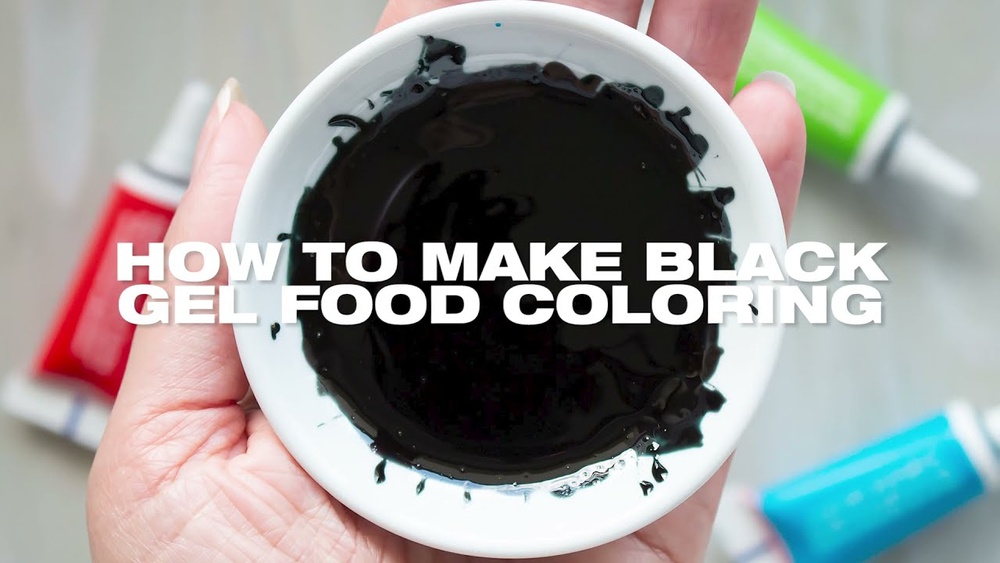
Are you struggling to get that perfect black shade with your food coloring? Whether you’re decorating a cake, making icing, or adding a dramatic touch to your desserts, achieving a true black color can feel tricky.
But don’t worry—you don’t have to buy expensive black gel food coloring or settle for dull, muddy hues. You’ll discover simple, effective ways to mix your own black food coloring using colors you probably already have. You’ll learn easy tricks to avoid common mistakes and get a rich, deep black that makes your treats stand out.
Keep reading, and soon you’ll master the art of making black food coloring that looks professional and tastes great!

Credit: www.lilaloa.com
Color Basics
Understanding color basics helps in making black with food coloring. Black is not a primary color. It forms when different colors mix in the right way. Knowing how colors work together is key to achieving a true black shade for your food projects.
Food coloring often uses primary colors as a starting point. These colors blend to create many other shades, including black. Learning about primary colors and complementary mixing guides you to mix colors perfectly.
Primary Colors For Black
Primary colors are red, blue, and yellow. Mixing these three in equal parts generally produces a dark color. But the result can be muddy or brownish. Using food coloring, you can substitute yellow with green for a deeper shade. Start with equal amounts of red, blue, and green food coloring. Adjust the amounts slightly to darken the color until it looks black. This process may take trial and error.
Using gel or liquid food coloring affects how colors combine. Gel colors are more concentrated and give richer results. Liquid colors may need more mixing and layering. Always mix well to blend the colors evenly.
Complementary Color Mixing
Complementary colors sit opposite each other on the color wheel. Examples are red and green, blue and orange, or yellow and purple. Mixing complementary colors can help create black or dark tones. For food coloring, combine red with green or blue with orange for a dark shade. This method can produce a more natural black tone.
Adjust the ratio carefully. Too much of one color changes the result. Test the mixture on a small amount of frosting or batter first. This way, you avoid wasting ingredients. Complementary mixing is a useful trick when primary colors alone don’t reach the black you want.
Credit: blog.wilton.com
Choosing Food Coloring Types
Choosing the right type of food coloring is important for making a rich, deep black color. Different types work better for certain recipes and techniques. Understanding the differences helps achieve the best results.
Gel Vs Liquid Food Coloring
Gel food coloring is thick and concentrated. It adds strong color without thinning your mixture. This makes it ideal for icings and doughs. Liquid food coloring is thinner and less concentrated. It works well for liquids and batters but may change texture. For a true black, gel colors often give a more vibrant and intense shade.
Natural Vs Artificial Dyes
Natural dyes come from plants and fruits. They are safer and often preferred for health reasons. These dyes may produce softer, less intense black tones. Artificial dyes are synthetic and produce bold, bright colors. They deliver a deep black more easily but some people avoid them. Your choice depends on your recipe and personal preference.
Mixing Equal Parts Of Red, Blue, And Green
Mixing equal parts of red, blue, and green food coloring is a simple way to create black. These three colors are primary colors in light mixing. Combining them in the right balance can produce a dark, rich black shade.
Start by adding the same amount of red, blue, and green food coloring into a small bowl. Use a toothpick or small spoon to stir the colors well. The mixture will darken as you blend the colors together.
Why Use Red, Blue, And Green?
Red, blue, and green are the main colors of light. When mixed equally, they absorb most light and produce black. This method mimics how screens create black by mixing colors.
Step-by-step Mixing Process
Place equal drops of red, blue, and green food coloring into a container. Stir slowly until the colors combine fully. Watch as the mixture turns a dark shade close to black.
Adjusting The Color For A True Black
Sometimes the mix looks muddy or dark gray. Add a little more red or green to deepen the black. Avoid adding too much of one color to keep the balance correct.
Adjusting Color For True Black
Adjusting the color to achieve a true black with food coloring requires careful mixing and fine-tuning. Black is a complex color that often needs more than just equal parts of primary colors. Small changes in the balance of red, green, and blue dyes can make a big difference in getting the perfect shade. Experimenting with these adjustments helps avoid dull or muddy results.
Adding More Red
Start by adding more red to your mix if the black looks too blue or green. Red warms up the color and deepens the black tone. Add red drops slowly and stir well to see the change. Too much red can create a brownish shade, so balance is key. This step often improves the richness of the black color.
Balancing With Green Or Blue
After adjusting red, add small amounts of green or blue to cool the color if it appears too warm. Green tones can neutralize excess red, while blue adds depth. Use tiny drops and mix thoroughly before adding more. This balancing act helps achieve a natural, true black. Keep testing until the color looks even and dark.
Using Cocoa Powder For Black
Using cocoa powder to create the color black in food is a natural and effective method. It offers a rich, deep color that looks more authentic than many artificial dyes. Cocoa powder adds flavor and texture alongside its dark hue, making it perfect for baked goods and frostings.
This approach works well for those who want a natural alternative to heavy food coloring. It blends easily with other ingredients and can reduce the need for large amounts of artificial colorants. The next sections explain the benefits of using black cocoa powder and how to combine it with food coloring for the best black shade.
Black Cocoa Powder Benefits
Black cocoa powder has a much darker color than regular cocoa. It gives a true black shade without adding too much liquid. This powder is less bitter and has a smoother taste. It enhances chocolate flavor while coloring your food black. It also contains natural antioxidants and nutrients. Using black cocoa powder avoids the harsh chemicals in some food dyes. It works well in frostings, cakes, and cookies. The powder mixes easily with wet ingredients and creates a bold color.
Combining Cocoa With Food Coloring
To get an even deeper black, mix black cocoa powder with a few drops of black food coloring. This combination strengthens the color while keeping the cocoa flavor. Start with a small amount of food coloring, then add more if needed. Mixing these two helps achieve a rich, dark black without using too much dye. It also improves the texture of icings and batters. Stir the mixture well to spread the color evenly. This method is ideal for recipes that need a very dark black tone. It balances natural ingredients with artificial color for the best results.
Avoiding Common Color Mistakes
Creating the perfect black color with food coloring can be tricky. Many people face common mistakes that change the color’s true black tone. These errors often make the black look off, such as greenish, too red, or too blue. Understanding how to avoid these problems helps achieve a deep, rich black every time.
Preventing Greenish Tint
A greenish tint often appears if there is too much green in the mix. Use green food coloring sparingly. Start with equal parts red and blue, then add tiny drops of green. Mix well and check the color under natural light. Stop adding green once you see a neutral dark color. Too much green shifts black to a dull, muddy shade.
Avoiding Too Red Or Blue Shades
Black with a red or blue shade looks unnatural. Add red or blue slowly and in small amounts. If the black looks too warm, reduce the red. If it looks too cool, cut back on blue. Stir the mixture thoroughly after each addition. Testing the color on a white surface helps spot unwanted tints early. Patience is key for perfect black.
Creating Black Buttercream
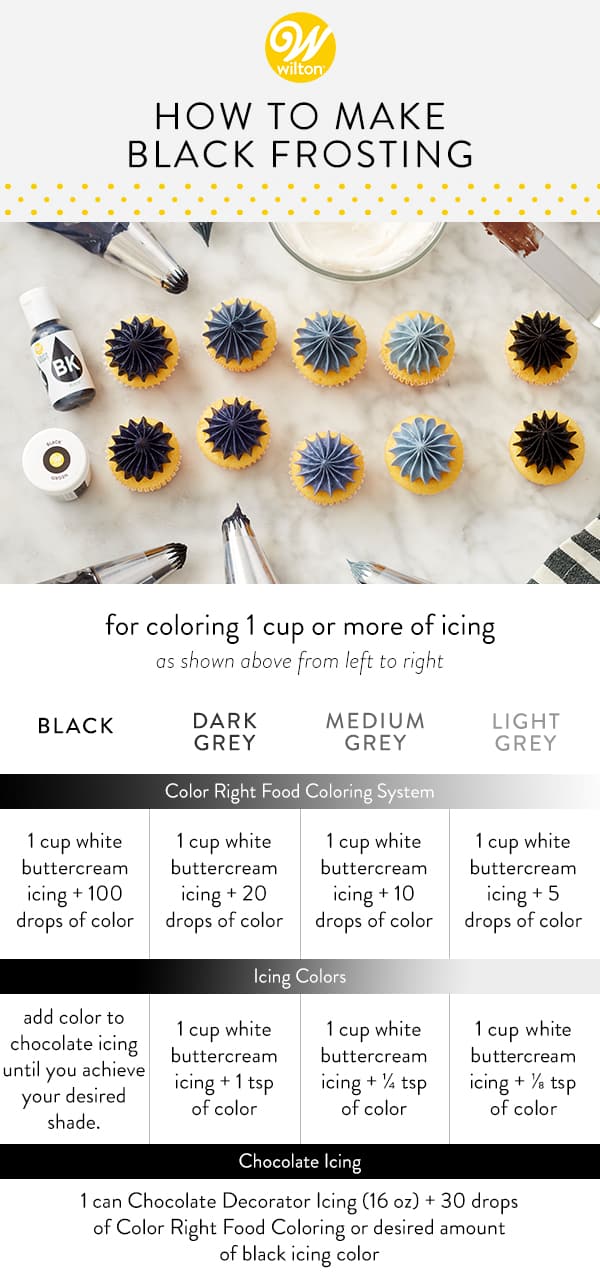
Creating black buttercream can be tricky. Pure black is hard to achieve with food coloring alone. Most black food colorings are made by mixing several colors together. This helps avoid a dull or grayish look.
Buttercream is a creamy base that holds color well. Using the right technique gives you a deep, rich black shade. The process involves careful color mixing and patience for the best results.
Choosing The Right Base For Buttercream
Start with a white or light buttercream base. This shows the true color of the food coloring. Use butter, shortening, or a mix of both. Make sure the buttercream is smooth and creamy.
Mixing Primary Colors To Create Black
Combine equal parts of red, blue, and green food coloring. Mix well to get a dark shade. Adjust by adding more red or blue to deepen the color. Small amounts work better to avoid a muddy look.
Using Gel Food Coloring For Intense Black
Gel food coloring has strong pigments. It adds deep color without thinning the buttercream. Add gel color little by little. Mix thoroughly after each addition to check the color.
Alternative: Adding Black Cocoa Powder
Black cocoa powder creates a natural black tint. It also adds a subtle chocolate flavor. Mix a small amount into the buttercream. Combine with black food coloring for a richer black.
Tips For Achieving A Smooth, Even Black Color
Mix the buttercream well to avoid streaks. Use a spatula or mixer for smooth blending. Let the colored buttercream rest for a few minutes. This helps the color deepen and even out.
Making Black Royal Icing
Creating black royal icing can be tricky. The goal is a deep, rich black without thinning the icing. Using too much black food coloring can change the texture. The right method gives a smooth, glossy finish perfect for decorating.
Start with a white royal icing base. Use a thick consistency to hold its shape. Add color slowly to avoid over-diluting. Mixing colors instead of just black food coloring helps achieve a true black shade.
Choosing The Right Food Colors
Mix equal parts of red, blue, and green gel colors. These primary colors combine to form black. Adjust by adding more red or blue to deepen the tone. Avoid liquid colors to keep icing thick.
Mixing The Colors Thoroughly
Use a toothpick or small spatula to blend colors well. Stir slowly to prevent adding air bubbles. Check the color in natural light. Add tiny drops of color at a time for control.
Adjusting The Shade For Depth
If the icing looks gray, add more red or blue. A little green can balance the shade. Mix and test on a white surface. Repeat until you reach a strong black color.
Maintaining Icing Consistency
Adding too much coloring thins the icing. If too soft, add more powdered sugar. Keep the icing thick but spreadable. Proper consistency helps with smooth piping and sharp details.
Natural Black Food Coloring Options
Natural black food coloring options offer a safe and simple way to add deep color to your dishes. These choices come from plants and natural sources. They avoid artificial chemicals and dyes. Using natural colors can also add subtle flavors and nutrients to your recipes.
Plant-based Colorants
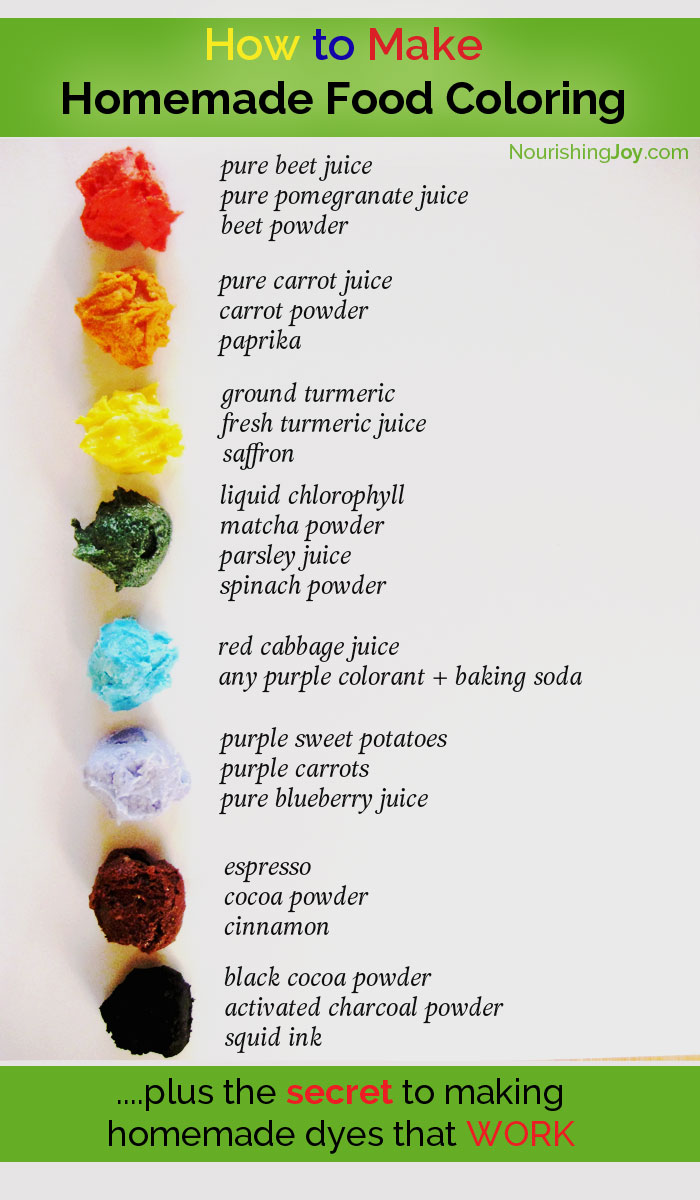
Plant-based colorants create rich black tones using natural ingredients. Activated charcoal is a popular choice. It gives a bold black color and is easy to find. Another option is black cocoa powder. It gives a dark, chocolatey shade perfect for desserts.
Squid ink is a natural black used in savory dishes. It adds a strong color and a unique taste. Black sesame seeds also provide a deep hue when ground into a paste. These natural colorants work well for different recipes and are safe to consume.
Dye-free Alternatives
Dye-free alternatives use natural foods without added pigments. Black beans mashed or pureed create a soft black tint. Blueberries cooked down can turn a dark purple-black shade. These options add color and nutrition without artificial dyes.
Burnt sugar syrup is another dye-free way to get black color. It forms when sugar caramelizes to a very dark shade. This syrup adds sweetness and a rich color to baked goods. Using whole foods for coloring keeps recipes simple and wholesome.
Tips For Vibrant Black Results
Achieving a vibrant black color with food coloring can be tricky. Simple mixing often results in a dull or muddy shade. Follow these tips for rich, deep black hues that stand out. Small adjustments and the right techniques make all the difference.
Focus on testing colors carefully and using strong, concentrated food coloring. This approach helps you avoid weak or faded blacks. Keep your color intense and consistent for the best results.
Testing And Adjusting Colors
Test your black color on a small piece of frosting or dough first. Let it dry to see the true shade. Wet colors often look darker than dry ones.
Adjust the mix by adding tiny amounts of red, blue, or green food coloring. These tweaks deepen the black and remove any unwanted tones. Add drops slowly to avoid turning the color muddy.
Keep notes on your color ratios for future batches. This helps repeat vibrant results every time you make black food coloring.
Using Concentrated Food Coloring
Use gel or paste food coloring instead of liquid types. They have stronger pigments and create darker colors quicker. Concentrated colors need less mixing and reduce the risk of thinning your mixture.
A few drops of black gel food coloring can boost your homemade mix. It intensifies the color and makes it look more vibrant. This is especially useful for frosting and fondant.
Store concentrated coloring properly to maintain its strength. Avoid exposure to air and light to keep the color vibrant over time.
Credit: nourishingjoy.com
Frequently Asked Questions
What Food Coloring Colors Make Black?
Mix equal parts red, blue, and green food coloring to make black. Adjust with extra red, green, or blue for a true black shade. Use gel or paste colors for best results. Alternatively, blend black cocoa powder with dark food coloring for a chocolate black tint.
What Two Colors Make Black?
Mix equal parts of red and blue to create black. Adjust shades by adding small amounts of green or more red.
How To Make Black Food Coloring Ratio?
Mix equal parts red, blue, and green food coloring. Add more red and a bit of green or blue. Adjust until you get a deep black shade. Use gel or paste colors for best results.
How Is Black Food Dye Made?
Black food dye is made by mixing equal parts red, blue, and green food colorings. Adjust with extra red or blue for depth. Alternatively, use black cocoa powder combined with a few drops of dark food coloring for a rich, chocolate-flavored black dye.
What Colors Combine To Make Black Food Coloring?
Mix equal parts of red, blue, and green food coloring to start black.
Can I Make Black Food Coloring Naturally?
Yes, use black cocoa powder or activated charcoal for natural black dye.
How Much Food Coloring Is Needed To Make Black?
Start with small equal amounts of red, blue, and green, then adjust.
Why Does Mixing Colors Not Always Create Perfect Black?
Food coloring shades vary; some mixes may look dark brown or gray.
Can I Use Gel Food Coloring To Make Black?
Yes, gel colors are concentrated and work well for making black shades.
How To Darken Black Food Coloring If It Looks Too Light?
Add tiny drops of blue or green to deepen the black tone.
Conclusion
Creating black food coloring is simple with the right mix of colors. Start by blending equal parts of red, blue, and green. Adjust the shades by adding more red or blue until you get a true black. Using gel or paste colors works best for rich, deep hues.
This method saves money and avoids buying expensive black coloring. Experiment with small amounts to perfect your mix. Now, you can make perfect black food coloring for cakes and treats at home. Enjoy the creative process!