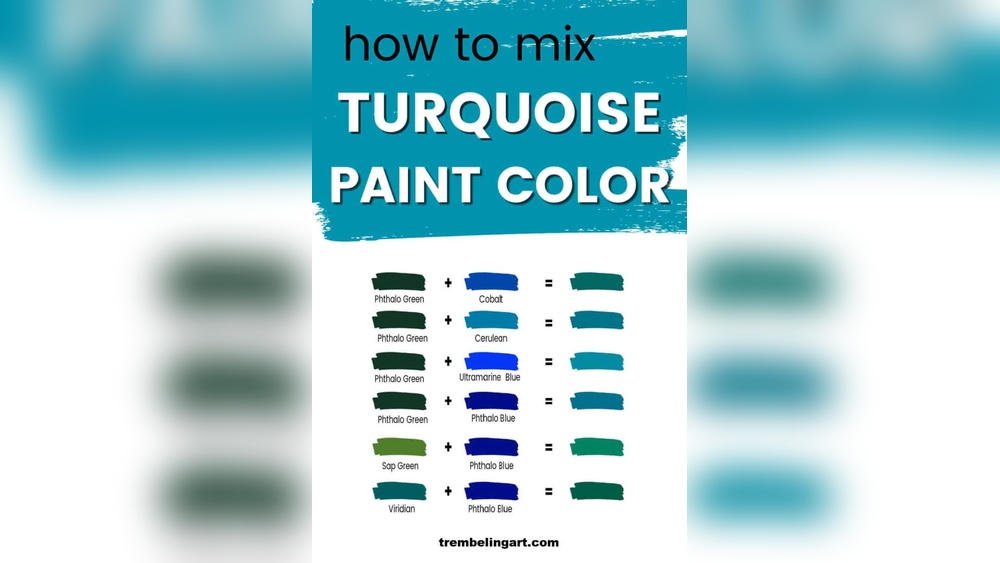
Have you ever admired the vibrant, calming shade of turquoise and wondered how to create it yourself? Whether you’re painting, decorating, or crafting, knowing how to make turquoise color can unlock a whole new level of creativity for you.
It’s easier than you think, and with just a few simple ingredients, you can mix your own perfect shade. In this guide, you’ll discover step-by-step tips to blend blue, green, and white paints to achieve that stunning turquoise hue. Ready to bring this fresh and lively color into your projects?
Keep reading to master the art of making turquoise and watch your creations come to life.

Credit: www.youtube.com
Basic Turquoise Mix
Creating the perfect turquoise color is simple with a basic mix of blue, green, and white paints. Turquoise is a blue-green shade that can be bright or soft depending on the mix. Understanding the right balance helps you achieve the exact shade you want.
Start with blue and green paints as your base. Use more blue than green to keep the color leaning towards blue-green. Then, add white paint to lighten the mix and create a fresh, pastel tone. This simple combination forms the foundation of turquoise.
Start With Blue And Green
Begin by placing blue and green paint on your palette. Use twice as much blue as green for a balanced turquoise. Mix the two colors thoroughly to see the basic turquoise shade emerge.
Lighten With White Paint
Add white paint gradually to the blue-green mix. This step brightens and softens the color. Keep adding white until you reach your preferred lightness.
Adjust For Brightness
To make turquoise brighter, add a tiny amount of yellow paint. Yellow lifts the color and adds warmth. Be careful not to add too much yellow, or the color shifts away from turquoise.

Credit: www.celebratingcolor.com
Choosing Blue And Green Shades
Choosing the right blue and green shades is key to making a perfect turquoise color. Turquoise sits between blue and green on the color wheel. Selecting the correct tones helps create a vibrant and natural turquoise.
Start with a base of blue paint. Pick a medium or bright blue for a lively hue. Avoid very dark or navy blues, as they can dull the final color.
Picking The Blue Shade
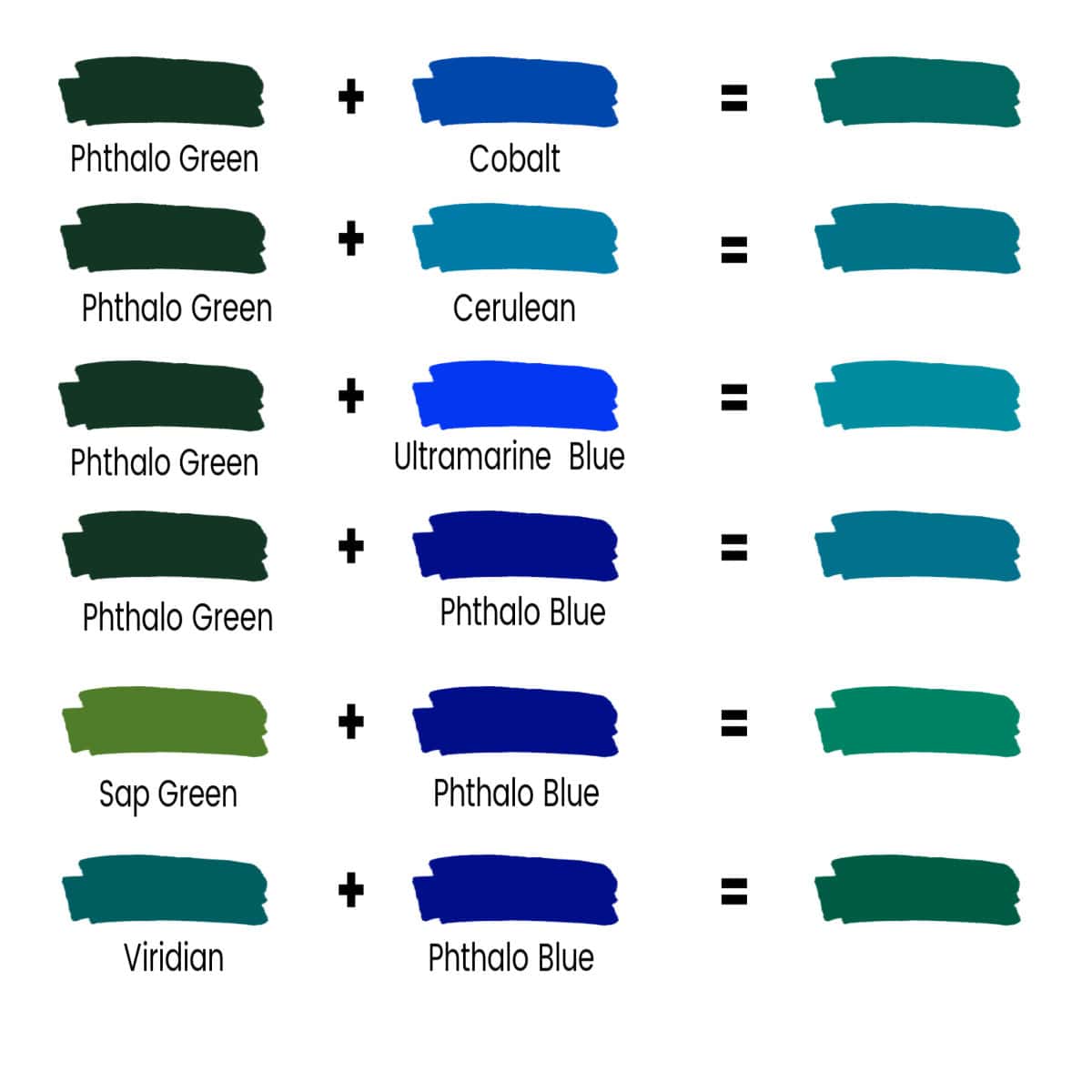
Choose blues that lean toward cyan or teal. These blues have a greenish tint that blends well with green. Avoid pure royal blue, which may overpower the mix. A bright sky blue or cerulean blue works well.
Selecting The Green Shade
Use a fresh, medium green for the best result. Grass green or emerald green are good choices. Avoid dark forest green or yellow-green shades, which can shift the color too much. The green should be clear and vivid.
Balancing Blue And Green
Start mixing with more blue than green. This keeps the turquoise cool and crisp. Add green slowly until you reach the desired shade. Adjust the ratio for a more blue or green turquoise.
Using White To Lighten
White paint brightens and softens the turquoise. Add small amounts of white to get a pastel or lighter tone. Too much white can wash out the color, so mix carefully.
Adding White For Lightness
Adding white to turquoise paint changes its tone and brightness. It creates a softer, lighter shade. This technique is useful for making pastel turquoise colors. White paint works as a lightener without altering the base hue too much.
Lightening turquoise helps match specific design needs. It also adds variety to your color palette. Using white lets you control the shade’s intensity easily.
What Happens When You Add White
White paint reduces the darkness of turquoise. It makes the color less intense and more muted. The result is a pale, gentle blue-green mix. This lighter shade is perfect for calm and peaceful designs.
How To Mix White With Blue And Green
Start with a base of blue and green paint. Use more blue than green for a true turquoise tone. Slowly add white paint in small amounts. Stir well after each addition to check the shade. Stop adding white when you reach the desired lightness.
Tips To Avoid Over-lightening
Add white paint gradually. Too much white can make the color look dull. Test your mixture on a palette or paper first. Adjust the amount of blue or green if the color fades too much.
Using Yellow To Brighten
Using yellow to brighten turquoise is a simple way to make the color pop. Yellow can add warmth and light to the cool blue-green base. This helps create a fresh and lively shade of turquoise.
Adding yellow changes the tone without losing the essence of turquoise. It makes the color more vibrant and eye-catching. A small amount of yellow can go a long way.
Choosing The Right Yellow
Pick a bright, clear yellow for the best effect. Avoid dark or dull yellows as they can muddy the turquoise. Lemon yellow or cadmium yellow works well. These yellows keep the mix fresh and lively.
How Much Yellow To Add
Start with a tiny amount of yellow paint. Mix it into your blue and green base slowly. Add more yellow bit by bit until the color brightens. Too much yellow turns the turquoise greenish, so add carefully.
Mixing Tips For Bright Turquoise
Use a palette knife or brush to blend paints well. Stir until you see a smooth, even color. Test the color on paper to check brightness. Adjust yellow and blue as needed for the perfect shade.
Using White To Enhance Brightness
After adding yellow, lighten the mix with white paint. White softens the tone and adds a pastel touch. It helps balance the brightness while keeping the turquoise fresh. Add white slowly to avoid washing out the color.
Adjusting Ratios For Different Shades
Adjusting the ratios of colors is key to creating different shades of turquoise. The balance between blue, green, and white changes the tone and brightness. Small changes in amounts create a wide range of turquoise shades. Experimenting with these ratios helps find the perfect hue for your project.
Adjusting Blue To Green Ratio
Start with blue and green paint as your base. More blue than green results in a cooler turquoise. Adding more green shifts the color towards a warmer shade. Try small changes, like adding a drop of green at a time. Mix well to see the true color before adding more.
Adding White For Lighter Shades
White paint lightens the turquoise color. Adding white slowly creates pastel or soft turquoise shades. Use a small amount of white at first to avoid washing out the color. Mix thoroughly to get an even lighter tone. This step is essential for softer and airy turquoise colors.
Using Yellow For Brighter Turquoise
Yellow paint can brighten the turquoise hue. A tiny amount of yellow adds warmth and vibrancy. Add yellow drop by drop to control the brightness. Mix well and check the color after each addition. This technique helps make the turquoise pop without overpowering it.
Avoiding Muddy Or Dull Colors
Avoiding muddy or dull colors is essential when mixing turquoise. Muddy colors look lifeless and can ruin your artwork. Dull colors lack vibrancy and fail to capture the beauty of turquoise. Proper mixing techniques keep the color fresh and bright. Understanding how to balance your paints helps prevent these issues.
Choose High-quality Blue And Green Paints
Use bright, pure blue and green paints. Low-quality paints often contain impurities. These impurities cause muddiness in the final color. Select paints with strong pigmentation. This ensures your turquoise stays vibrant and clear.
Control The Ratios Carefully
Start with more blue than green. Too much green can make the color dull. Add green slowly to find the perfect balance. Mix small amounts at a time. This control helps you avoid muddy results.
Add White Gradually For Brightness
White paint lightens turquoise and adds brightness. Add it slowly to avoid washing out the color. Too much white makes the color pale and dull. Aim for a soft, glowing shade of turquoise.
Avoid Mixing Too Many Colors
Mixing many colors leads to muddiness. Stick to blue, green, and white. Adding extra colors like black or brown dulls the mix. Keep your palette simple for clear, vibrant turquoise.
Test Your Mixes On Paper
Always test your color on a scrap piece. Wet paint can look different when dry. Testing helps you adjust the mix before final use. This step avoids surprises and dull colors in your work.
Mixing Turquoise With Acrylic Paint
Mixing turquoise with acrylic paint is simple and fun. Turquoise is a mix of blue and green shades. White paint helps to lighten the color. This section explains how to create turquoise using basic acrylic paints.
Start with blue and green paint. Use more blue than green for a true turquoise. Mix the two colors well on your palette. Add white paint little by little. This lightens the mix to a soft turquoise shade.
Lighter And Brighter Turquoise
To make turquoise lighter, add more white paint. Stir until the color is smooth and even. For a brighter turquoise, add a tiny bit of yellow paint. Mix carefully to keep the balance of colors.
Important Tips For Mixing
Use small amounts of paint at first. It is easier to add color than remove it. Mix paints on a clean palette for true color results. Test your mix on paper before painting your project. Keep notes of your color ratios for future use.
Creating Pastel Turquoise
Creating pastel turquoise involves softening the vibrant turquoise color. It blends the calming blue-green tone with white to make a lighter, more delicate shade. This gentle color works well in art, design, and decor.
Pastel turquoise feels fresh and soothing. It brightens spaces without being overwhelming. The key is balancing the amount of white added to the basic turquoise mix.
Start With Basic Turquoise
Begin by mixing blue and green paint. Use more blue than green for the right turquoise base. Stir the colors well until smooth and even.
Lighten The Color With White
Add white paint slowly to the turquoise base. Mix gently to avoid streaks. Keep adding white until the color becomes a soft, pastel shade.
Adjust Brightness With Yellow
For a brighter pastel turquoise, add a tiny bit of yellow paint. Mix carefully to keep the softness. Yellow brings warmth and light to the color.
Check And Refine The Shade
Test the color on paper or canvas. Look at it in different lights to see the true shade. Add more white or blue as needed to perfect the pastel turquoise.
Tips For Vibrant Turquoise
Creating a vibrant turquoise color requires careful mixing and attention to detail. Small changes in the amount of each color can make a big difference. Using the right techniques ensures your turquoise looks bright and fresh. These tips help you achieve a lively, beautiful turquoise every time.
Use High-quality Blue And Green Paints
Start with strong, clear blue and green paints. Cheap paints may dull the color. Choose vibrant shades for better results. Ultramarine blue and phthalo green work well. These colors blend smoothly and give a bright base.
Balance Blue And Green Correctly
Mix more blue than green for a classic turquoise tone. Too much green makes it look more like teal. Adjust slowly and test often. Add green bit by bit to avoid overpowering blue. This balance creates a fresh, lively turquoise.
Add White To Lighten The Shade
White paint brightens and softens the mixture. Add small amounts of white for a pastel turquoise. Too much white can make it look faded. Mix gently until you reach the perfect lightness. White also helps the color look more vibrant in sunlight.
Use Yellow To Brighten The Color
Add a tiny bit of yellow for a warmer, brighter turquoise. Be careful, as too much yellow shifts it toward green. A drop or two is enough to lift the color. This subtle change makes your turquoise pop on canvas or walls.
Mix Thoroughly For Even Color
Stir the paints well to avoid streaks. Uneven mixing causes dull spots. Use a palette knife or brush for smooth blending. Take your time to create a consistent color. A well-mixed turquoise looks more professional and vibrant.
Test Under Different Lighting
Check your turquoise in natural and artificial light. Colors can appear different in various lights. Adjust your mix if the color looks dull or too dark. Testing helps ensure your turquoise stays vibrant indoors and outdoors.
When To Use Pre-mixed Turquoise
Knowing when to use pre-mixed turquoise saves time and effort in your projects. Pre-mixed turquoise offers consistent color that can be hard to match by mixing paints yourself. It is ready to use straight from the tube or container, which is ideal for quick work.
Pre-mixed turquoise is perfect for beginners who want reliable results. It ensures the exact shade needed without guesswork. Artists working on large projects also benefit from pre-mixed turquoise because it provides uniform color across the entire piece.
Use Pre-mixed Turquoise For Speedy Projects
Projects with tight deadlines require fast solutions. Pre-mixed turquoise lets you skip the mixing process. This saves valuable time and keeps your workflow smooth. It is especially helpful in commercial or classroom settings.
Choose Pre-mixed Turquoise For Color Consistency
Maintaining the same color tone throughout a project can be difficult when mixing paints. Pre-mixed turquoise guarantees the same shade each time. This is crucial for branding, product design, or any work needing precise color matching.
Pre-mixed Turquoise Supports Beginners
Learning to mix colors can be tricky for beginners. Pre-mixed turquoise reduces frustration by offering a ready color. It allows new artists to focus on painting techniques instead of color formulas. This builds confidence and improves skills.
Opt For Pre-mixed Turquoise In Large Scale Art
Large murals or canvases require lots of paint. Mixing the exact turquoise shade repeatedly can be challenging. Pre-mixed turquoise ensures uniform color across the entire surface. This saves effort and improves the final appearance.
Credit: trembelingart.com
Frequently Asked Questions
What Colors Do You Mix To Get Turquoise?
Mix blue and green paint with more blue for turquoise. Add white to lighten. Adjust ratios for different shades.
How To Make Turquoise Color With Acrylic?
Mix blue and green acrylic paints, using more blue. Add white to lighten and create turquoise. Adjust ratios for different shades.
Which Two Colors Make Aqua Blue?
Aqua blue is made by mixing blue and green colors. Use more blue for a vibrant aqua shade.
How To Make Teal Or Turquoise?
Mix blue and green paint, using more blue than green. Add white to lighten and achieve turquoise. Adjust ratios for shade variations.
What Colors Do You Mix To Make Turquoise?
Mix blue and green paint, using more blue, then add white to lighten the shade.
Can I Use Yellow Instead Of Green To Make Turquoise?
Yes, mix blue and yellow with white to create turquoise, adjusting amounts for shade.
How Do I Make Turquoise Paint Lighter?
Add white paint gradually to your turquoise mix to achieve a lighter tone.
What Is The Best Blue For Making Turquoise?
Use a bright blue like cyan or sky blue for a vibrant turquoise color.
How Much Green Should I Add To Blue For Turquoise?
Add less green than blue; start with a small amount and increase slowly.
Can I Make Turquoise Without White Paint?
White helps lighten turquoise; without it, the color will be darker and deeper.
Conclusion
Creating turquoise color is simple with the right mix of blue, green, and white. Start with more blue than green for the classic turquoise look. Add white to lighten the shade and make it softer. A small touch of yellow can brighten the color, but use it carefully.
Use cool blue tones to keep the turquoise fresh and vibrant. Experiment with amounts to find your perfect shade. This easy process helps you achieve beautiful turquoise for art or design projects. Keep practicing to get the exact color you want every time.