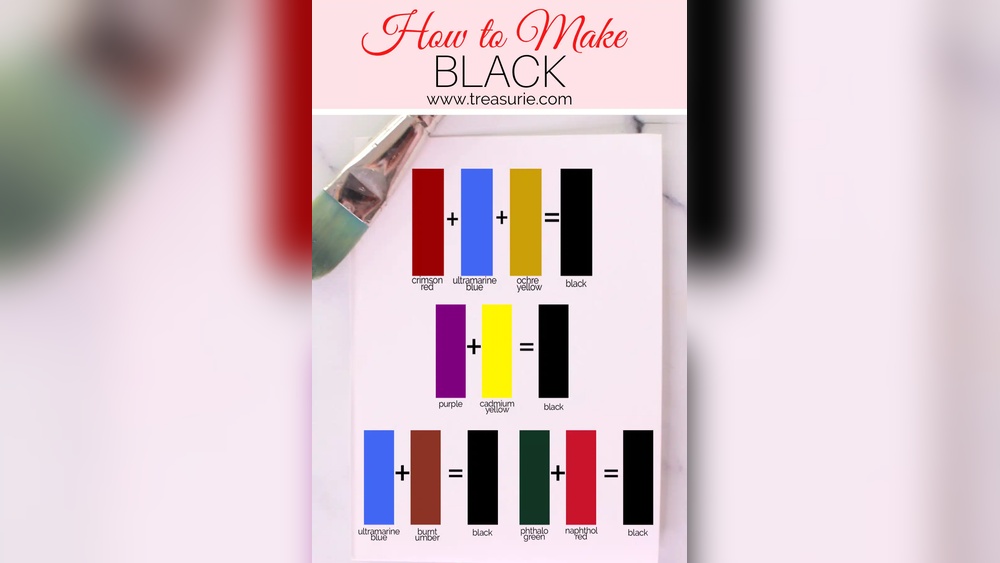
Are you ready to master the art of creating black color right at home? Whether you’re mixing paints for your next masterpiece or experimenting with food coloring for a baking project, knowing how to make a rich, true black can transform your work.
You don’t need to rely on store-bought black—by learning simple mixing techniques, you can customize the exact shade and depth you want. In this guide, you’ll discover easy steps to create black using basic colors, tips to perfect the tone, and tricks to avoid common pitfalls.
Keep reading, and soon you’ll confidently mix your own perfect black every time.

Credit: artstudiolife.com
Primary Colors To Black
Creating the color black using primary colors is a simple and fun process. Primary colors are the building blocks of all other colors. These include red, blue, and yellow. Mixing these three colors in the right way can produce a deep black shade.
Understanding how primary colors combine helps in making black paint or pigment. The balance between red, blue, and yellow affects the darkness and tone of the black created. Each primary color adds unique qualities to the final black color.
What Are Primary Colors?
Primary colors are red, blue, and yellow. They cannot be made by mixing other colors. These colors are the base for creating all other colors.
Mixing primary colors in different amounts gives many colors, including black. Knowing these basics is key to color mixing success.
Mixing Red, Blue, And Yellow To Make Black
To get black, mix equal parts of red, blue, and yellow paint. Stir the colors well for a uniform mix.
Adjust amounts slightly to change the shade. More blue makes a cooler black. More red or yellow warms the color.
Why Mixing Primary Colors Creates Black
Red, blue, and yellow together absorb most light. This absorption makes the color appear black to our eyes.
Each primary color cancels out parts of the others. The result is a dark, nearly black color.
Credit: smart.dhgate.com
Mixing Red, Blue, And Yellow
Mixing red, blue, and yellow is a classic way to create black color. These three colors are the primary colors. When combined in the right way, they absorb light and produce a dark, black shade. This method is useful for painters and designers who want to make black without buying black paint.
Each primary color adds a different depth to the mix. Red brings warmth, blue adds coolness, and yellow gives brightness. Adjusting their amounts changes the black’s tone. This technique helps create a rich, natural black color.
Understanding The Role Of Each Primary Color
Red, blue, and yellow are the building blocks of color mixing. Red is strong and vibrant. Blue is deep and calming. Yellow is bright and lively. Mixing them balances their strengths and creates a neutral shade close to black.
How To Mix Red, Blue, And Yellow For Black
Start by mixing equal parts of red, blue, and yellow paint. Use small amounts to test the color. Stir the mixture well to see the true shade. Add more blue or red if the black looks too warm. Add more yellow if the black seems dull.
Tips To Achieve A True Black Shade
Use high-quality paints for better results. Different brands have different pigment strengths. Mix slowly and test often. Avoid adding white or light colors, as they lighten the black. Patience and practice help get the perfect black color.
Using Complementary Colors
Using complementary colors is a smart way to create black color in art and design. Complementary colors sit opposite each other on the color wheel. When mixed, they neutralize each other and produce a dark shade close to black. This method is useful for artists who want a rich black without using pure black paint.
Mixing complementary colors involves combining two colors that cancel out each other’s brightness. For example, mixing blue with orange or red with green can create a dark, muted color. The result depends on the exact shades and amounts you use.
What Are Complementary Colors?
Complementary colors are pairs of colors opposite each other on the color wheel. Examples include red and green, blue and orange, and yellow and purple. These pairs create high contrast and balance. When mixed, they reduce brightness and can create dark tones.
How To Mix Complementary Colors To Make Black
Start with equal parts of two complementary colors. For example, mix blue and orange paint. Stir them well to see the dark color form. Adjust the ratio if the color looks more brown or gray. Keep mixing until you get a shade close to black.
Tips For Creating A Rich Black With Complementary Colors
Use high-quality, vibrant paints for better results. Mix slowly and test the color on a palette. Try different combinations like red with green or yellow with purple. Adding a small amount of a third color can deepen the black. Experiment until you find the perfect tone.
Adjusting Color Ratios
Adjusting color ratios is essential for creating the perfect black color. Mixing colors in the right balance affects how deep and true the black appears. Small changes in the amount of each color can make a big difference.
Experimenting with different ratios helps find the black shade that suits your needs. Understanding how colors combine improves control over the final result. This section explains how to adjust color ratios effectively.
Balancing Primary Colors
Start with equal parts of red, blue, and yellow. This creates a basic black, but it may look dull or muddy. Adjust the amounts slightly to improve the tone.
Add more blue for a cooler black. Increase red for a warmer black with subtle brown tones. Yellow can brighten the mix but use it sparingly to avoid a greenish tint.
Using Secondary Colors
Mixing secondary colors like purple, green, and orange can also make black. Combine these colors in different ratios to see how they affect the black tone.
For example, purple and green in equal amounts create a rich black. Adding a bit of orange can warm it up. Adjust these colors to refine the black shade.
Testing Small Batches
Always mix small amounts first. This saves paint and helps you test different ratios quickly. Use a palette or mixing tray for easy adjustments.
Observe the color in different lights. Natural light shows true tones, while artificial light may change the appearance. Keep notes on your ratios for future reference.
Creating Black With Food Coloring
Creating black with food coloring can be simple and fun. It involves mixing basic colors to reach a deep black shade. This method saves money and avoids buying separate black dye. It also allows you to control the exact shade of black you want.
Mixing colors to get black is useful for baking, crafts, and homemade projects. Using just food coloring means no extra chemicals or artificial dyes. The process requires patience and a good eye for color blending.
How To Mix Basic Colors For Black
Start with red, blue, and green food coloring. Mix equal parts of each color in a small bowl. Stir well to combine the colors evenly. The result may look dark but not pure black yet.
Add a few more drops of red and green to darken the mix. Keep adding small amounts until you get a deep black tone. Stir each time to see how the color changes.
Tips For Achieving A Rich Black Color
Use concentrated food coloring for better results. Liquid or gel types work well for mixing. Gel colors often give stronger, richer shades.
Mix colors slowly to avoid turning the mixture muddy. Add colors drop by drop and mix fully before adding more. This helps control the exact shade of black.
Common Mistakes To Avoid
Do not add too much of one color at once. This can create a tinted black instead of pure black. Avoid using only two colors; three colors give a better black.
Do not expect instant black color. Mixing takes time and adjustments. Be patient and test small amounts before using the color.
Credit: plumgroveinc.com
Using Gel And Paste Colorants
Using gel and paste colorants is a popular method to create rich black colors. These colorants have a thick consistency that helps achieve deep, vibrant hues. They mix well with other colors and mediums, offering great control over the shade.
Gel and paste colorants are easy to blend. They provide a more intense color than liquid dyes. Artists and crafters often choose them for their strong pigmentation.
Choosing The Right Gel And Paste Colorants
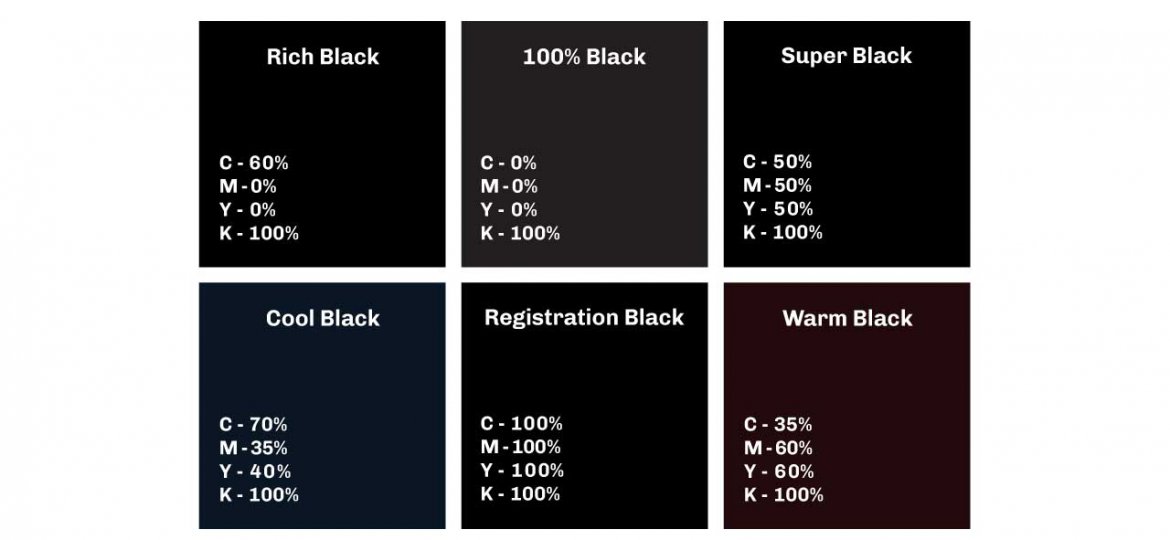
Select colorants labeled as “black” or “dark.” Some brands offer a range of black shades like ivory black or mars black. Choose based on the final look you want.
Mixing Gel And Paste Colorants For Black
Start with a base of dark blue or dark brown paste. Add small amounts of red and yellow paste to deepen the tone. Mix thoroughly until the color is uniform.
Adjusting The Shade Of Black
Add tiny drops of white paste to lighten the black slightly. Use more blue paste to cool the black or add red paste to warm it. Mix slowly to avoid overshooting the shade.
Tips For Using Gel And Paste Colorants
Always stir colorants well before use. Use a palette knife for even mixing. Test the color on a scrap surface before applying to your project.
Natural Black Dyes For Fabrics
Natural black dyes have been used for centuries to color fabrics deep black. These dyes come from plants, minerals, and other natural sources. They offer an eco-friendly alternative to synthetic dyes. Natural black dyes also create rich and lasting colors on fabric.
Using natural dyes requires some patience and care. The process often involves extracting color from the source and fixing it on fabric. The results are beautiful, earthy tones that improve with washing.
Using Logwood For Black Dye
Logwood is a popular natural source for black dye. It comes from the heartwood of the logwood tree. The wood chips are boiled to release the dye. Fabrics soaked in the logwood dye turn a deep black or dark purple.
Logwood works well on cotton, wool, and silk. It produces a strong, lasting color. Adding a mordant like iron intensifies the black shade.
Iron Mordant For Darkening Colors
Iron mordants help make black colors darker and richer. They react with natural dyes to deepen the shade. Iron can be used as a solution to soak the fabric before dyeing.
This method improves color fastness and adds a slight metallic tone. It is commonly combined with tannin-rich dyes for best results.
Black Walnut Hull Dye
Black walnut hulls produce a beautiful dark brown to black dye. The hulls are crushed and boiled to extract the color. This dye works best on natural fibers like wool and cotton.
The color is warm and earthy. It also has good colorfastness. Using a mordant can help fix the color better.
Indigo And Tannin Combination
Indigo alone gives a deep blue color. Mixing indigo dye with tannins results in a natural black shade. Tannins come from plant sources like oak galls or sumac leaves.
The fabric is first soaked in tannin, then dipped in indigo. This two-step process creates a rich black color. It is a traditional method used in many cultures.
Using Black Cocoa Powder
Using black cocoa powder is an excellent way to create a deep, rich black color. This natural ingredient offers a darker and more intense shade than regular cocoa powder. It works well in baking, cooking, and even for coloring frostings and desserts.
Black cocoa powder is made by heavily processing cocoa beans. This process removes acidity and lightens the flavor. The result is a powder with a striking black color and a smooth, mild taste. It can add both color and flavor to your recipes.
What Is Black Cocoa Powder?
Black cocoa powder is a type of cocoa powder treated with an alkalizing process. This makes it darker and less acidic than natural cocoa. It has a velvety texture and a bold, slightly earthy flavor. It is often used in recipes that need a very dark color.
How To Use Black Cocoa Powder For Coloring
To create black color, replace regular cocoa powder with black cocoa powder in your recipe. Use it in cakes, cookies, and frostings for a deeper black shade. Mix it well with other ingredients to get an even color throughout your dish.
Benefits Of Using Black Cocoa Powder
Black cocoa powder provides a natural black color without artificial dyes. It enhances flavor with a subtle chocolate taste. It also blends smoothly in batters and frostings. This makes your baked goods look attractive and taste delicious.
Pre-mixed Dark Paints
Pre-mixed dark paints offer a simple way to get black color without mixing. These paints come ready to use and save time for artists and DIY enthusiasts. They provide a consistent and deep black shade suitable for many projects.
Using pre-mixed dark paints helps avoid guesswork in color mixing. These paints are made by manufacturers to ensure rich and true black tones. This makes them reliable for both beginners and professionals.
Types Of Pre-mixed Dark Paints
There are several types of pre-mixed dark paints available. Acrylic, oil, and watercolor paints all come in black shades. Each type has unique properties for different art styles and surfaces.
Acrylic black paint dries quickly and works well on canvas and wood. Oil black paint takes longer to dry but offers smooth blending. Watercolor black paint is transparent and perfect for delicate layering.
Choosing The Right Black Paint
Select black paint based on your project needs. Consider the surface and drying time. Also, check if the paint is lightfast to avoid fading.
For bold and solid coverage, acrylic or oil black paints are ideal. For subtle effects or washes, watercolor black paint works best. Test samples if possible to find the perfect match.
Benefits Of Using Pre-mixed Black Paint
Pre-mixed black paint saves time and reduces mistakes. It provides a true black tone without needing color theory knowledge. These paints also ensure uniform color across your artwork.
They are convenient for quick touch-ups and large projects. Using pre-mixed black paint helps maintain color consistency. This is especially helpful in professional work or multiple pieces.
Tips For Deeper Black Shades
Creating deeper black shades requires more than mixing basic colors. It involves understanding color balance and layering techniques. These tips help achieve rich, intense black tones in your artwork or design.
Experimenting with different color mixes and techniques leads to a stronger black. Small changes can make a big difference in depth and warmth.
Mix Dark Blues And Warm Browns
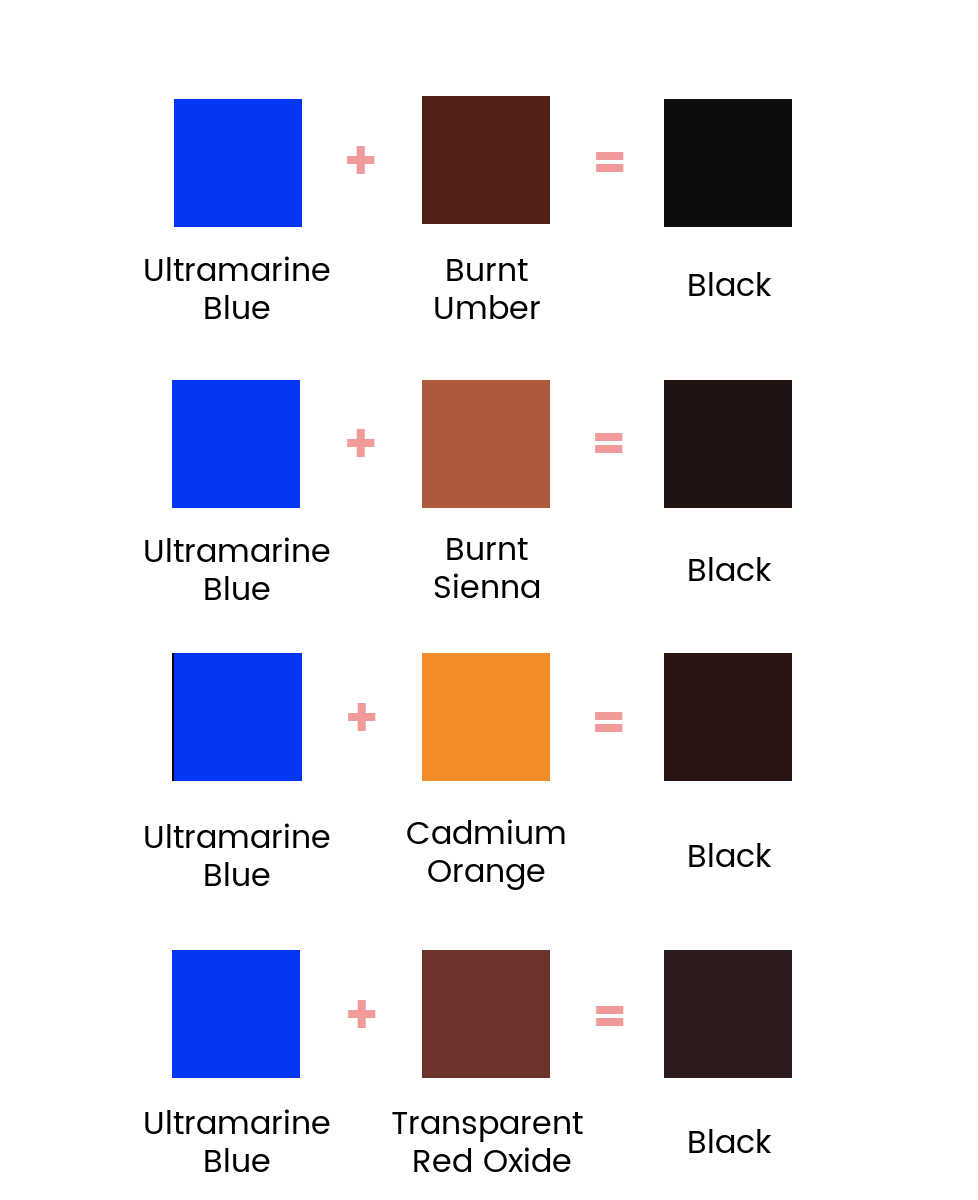
Combine dark blue with warm brown colors like burnt sienna. This mix creates a richer black than using only primary colors. Adjust the ratio to get cooler or warmer black shades. This method adds depth and subtle warmth to black.
Use Multiple Layers Of Thin Paint
Apply thin layers of paint instead of one thick coat. Let each layer dry before adding the next. Layering builds up color intensity and a smooth finish. This technique makes the black appear deeper and more vibrant.
Add Small Amounts Of Complementary Colors
Adding tiny amounts of complementary colors like deep red or green enhances black’s richness. These colors balance the black and prevent it from looking flat. Use a small brush to blend them carefully for subtle effects.
Choose High-quality Pigments
High-quality pigments produce stronger and darker blacks. Cheap paints may look dull or grayish. Investing in good pigments ensures a true, deep black color that lasts. Check pigment labels for richness and opacity.
Avoid Using Only Black Paint
Relying solely on black paint can result in a flat color. Mixing black with other dark colors creates depth and interest. Experiment with different combinations to find the best black shade for your project.
Frequently Asked Questions
What Colors Mix Up To Make Black?
Mix equal parts of red, blue, and yellow paint to create black. Adjust ratios for different black shades. Mixing complementary colors also works.
How To Make Black Coloring?
Mix equal parts of red, blue, and green food coloring for black. Adjust red and green drops for depth. For paint, blend primary colors or mix a dark blue with warm tones. Use black cocoa powder for natural black in food.
What Colors Make You Black?
Mix equal parts of red, blue, and yellow paint to create black. Adjust amounts for different black shades. Mixing complementary colors also produces black.
What Colors Are Needed To Create Black?
To create black, mix equal parts of red, blue, and yellow paint. Adjust ratios to get deeper or warmer black shades.
What Colors Mix To Create Black Paint?
Mix equal parts of red, blue, and yellow to make black paint.
Can Black Be Made By Mixing Only Two Colors?
Yes, mixing dark blue with burnt sienna often creates black.
How Do Primary Colors Produce Black Color?
Combining all three primary colors—red, blue, and yellow—yields black.
Is It Possible To Make Black With Food Coloring?
Mix red, blue, and green food coloring equally for black shade.
How To Adjust Black Color Shade In Mixing?
Change the amounts of primary colors to lighten or darken black.
What Natural Ingredients Create Black Coloring?
Black cocoa powder or logwood dye can produce natural black color.
Conclusion
Creating black color is simple by mixing primary colors carefully. Use equal parts of red, blue, and yellow paint for a basic black. Adjust the amounts to get different shades of black. Experiment with warm and cool colors to see subtle changes.
This technique works well for paint, food coloring, and other art projects. Practice mixing to find the perfect black for your needs. Enjoy exploring colors and making your own rich black tones.