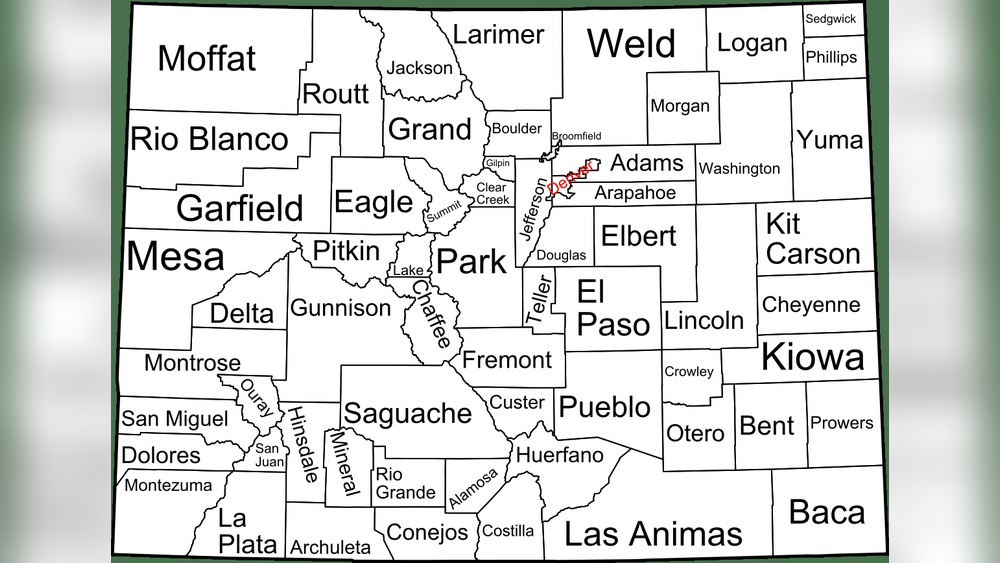
Are you curious about how Colorado is divided and how many counties make up this beautiful state? Knowing the number of counties in Colorado isn’t just a fun fact—it can help you understand its geography, local governance, and even travel plans better.
Whether you’re planning a trip, moving here, or simply want to learn more about Colorado’s unique regions, this article will give you a clear and straightforward answer. Keep reading to discover how many counties Colorado has, which ones are the largest or richest, and some interesting facts that might surprise you!
Total Counties In Colorado
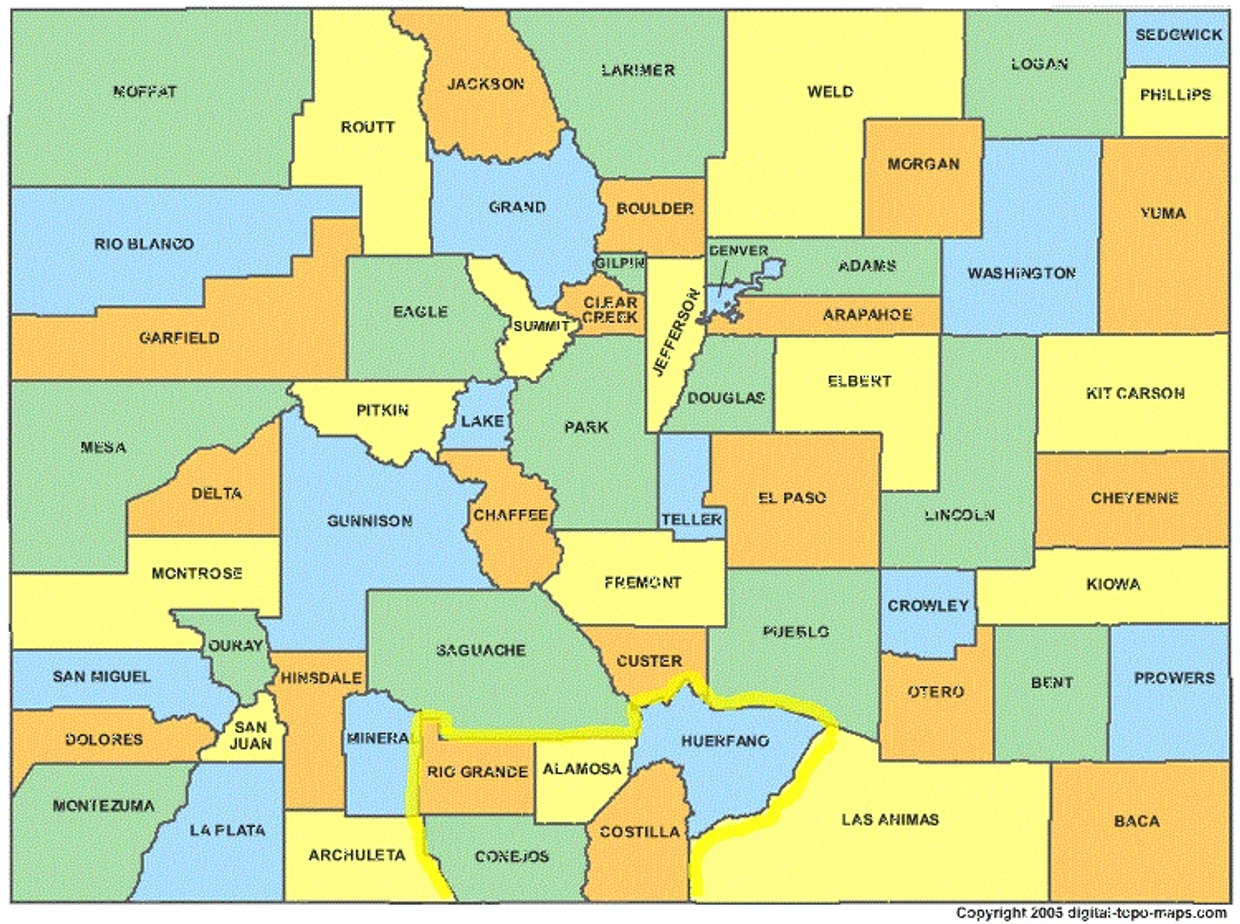
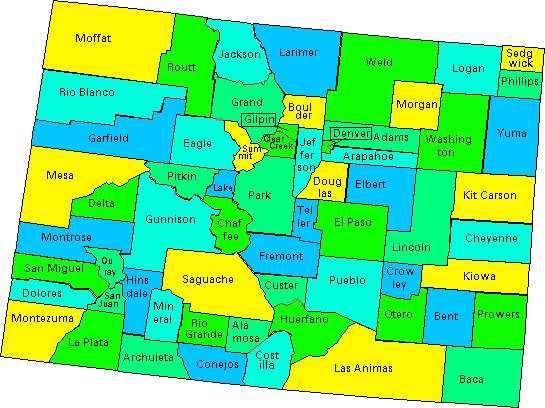
Colorado is divided into 64 counties. Each county has its own local government and unique features. This division helps manage services and resources across the state.
Colorado is divided into several counties that manage local government tasks. The total number of counties in Colorado is 64. Each county has its own government, laws, and services for residents.
This division helps organize the state effectively. Counties vary widely in size and population. Some cover large rural areas, while others include busy cities. Knowing the number of counties is useful for understanding Colorado’s geography and administration.
Credit: citymountainhomes.com
Largest County By Area
Colorado has 64 counties in total. Grand County covers the largest area, making it the biggest by land size in the state.
Largest County By Area In Colorado
Grand County is the largest county by area in Colorado. It covers over 1,800 square miles. This makes it bigger than many states in the US. The county is known for its vast natural landscapes and outdoor activities.
Grand County includes parts of Rocky Mountain National Park. It has mountains, forests, and rivers. The wide open spaces attract visitors who enjoy hiking, fishing, and skiing. Despite its size, the county has a small population. This keeps the area peaceful and less crowded.
Geography And Landscape Of Grand County
The terrain in Grand County is diverse. It has high mountain peaks and deep valleys. Large forests cover much of the land. The Fraser and Colorado Rivers flow through the county. These features create many opportunities for outdoor fun.
Winter sports are popular because of the snowy mountains. The county also has lakes and trails for summer activities. Wildlife like elk and deer roam freely here. The natural beauty makes Grand County a special place in Colorado.
Importance Of Grand County In Colorado
Grand County plays a key role in Colorado’s tourism. Visitors come to enjoy the natural parks and ski resorts. It helps support local businesses and communities. The county also protects important natural resources.
Its large area provides space for wildlife and nature preservation. Grand County balances growth and conservation. This makes it a vital part of Colorado’s environment and economy.
Most Populated County
Colorado has 64 counties in total. El Paso County is the most populated, with many residents living in Colorado Springs. Denver County follows closely as the state’s capital area.
Most Populated County In Colorado
El Paso County holds the title as the most populated county in Colorado. It has more residents than any other county in the state. This county includes the city of Colorado Springs, one of the largest cities in Colorado. Its population growth has been steady, attracting people for jobs and lifestyle.
With its mix of urban and natural attractions, El Paso County offers many opportunities. The county features parks, schools, and businesses that support a growing community. Many families choose to live here because of its balance between city and nature.
Population Size And Growth
El Paso County has over 700,000 residents. This number keeps rising each year. New housing developments and businesses contribute to this growth. People move here for work in technology, military, and service industries.
Key Cities In El Paso County
Colorado Springs is the largest city in El Paso County. It serves as a cultural and economic hub. Other towns like Fountain and Monument also add to the county’s population. Each area offers different living styles, from urban to suburban.
Why El Paso County Attracts Residents
The county provides good schools and job opportunities. Outdoor activities are easy to find, with mountains and parks nearby. Its location near Denver allows easy access to a bigger city’s resources.
Credit: www.denverhomesonline.com
Smallest County By Population
Colorado has 64 counties in total. San Juan County is the smallest by population, with fewer residents than others. This makes it unique among Colorado’s counties.
Smallest County By Population In Colorado
Colorado has many counties with varied population sizes. The smallest county by population offers a unique glimpse into rural life. This county has very few residents compared to others in the state.
San Juan County holds the title of smallest population in Colorado. It is nestled in the southwestern part of the state. The county is known for its scenic beauty and quiet atmosphere. Fewer people live here than in any other Colorado county.
Why San Juan County Has A Small Population
San Juan County is mostly mountainous and rugged. This terrain limits large-scale development and housing. Many areas remain natural and untouched. The county’s economy depends on mining and tourism, not large industries.
Its remote location also affects population growth. The county is far from major cities and highways. This makes it less attractive for new residents or businesses. People who live here often enjoy peace and nature.
Population Density And Community Life
San Juan County has fewer than 800 residents. Its population density is less than one person per square mile. This low density means neighbors live far apart. Community events and local gatherings are small but close-knit.
Schools, stores, and services are limited but serve the local people well. Residents value privacy and a slower pace of life. This county appeals to those who prefer solitude and outdoor activities.
Richest Counties In Colorado
Colorado has many counties, each with unique features. Some counties stand out for their wealth and high income levels. These are considered the richest counties in Colorado.
They show strong economies, high property values, and great living standards. Knowing these counties helps understand Colorado’s economic landscape.
Douglas County
Douglas County ranks as the richest in Colorado. The median household income here is about $139,000. It has booming job markets and excellent schools. Families often move here for safety and comfort. The county combines suburban living with easy access to Denver.
Pitkin County
Pitkin County is famous for luxury and natural beauty. The median income is near $96,000. It includes Aspen, known for skiing and tourism. Wealthy residents enjoy upscale homes and outdoor activities. The county attracts people who love both nature and high-end living.
Other Notable Rich Counties
Arapahoe and Jefferson Counties also show strong incomes. They have diverse economies with tech, healthcare, and retail sectors. These counties balance urban and suburban lifestyles well. Many professionals choose these areas for work and family.
Highest Elevation Counties
Colorado is famous for its high mountains and stunning views. Some counties in the state sit at very high elevations. These counties include some of the tallest peaks in the United States. The high altitude affects the weather, wildlife, and lifestyle in these areas.
Living or visiting these counties means experiencing cooler temperatures and thinner air. Many outdoor activities like skiing, hiking, and mountain climbing are popular here. These counties attract tourists and nature lovers from all over the world.
Lake County
Lake County is the highest county in Colorado. It includes Mount Elbert, the tallest peak in the state. The elevation here reaches over 14,400 feet. The county offers beautiful mountain scenery and many outdoor adventures.
Chaffee County
Chaffee County is known for its high mountains and alpine lakes. It has several peaks over 14,000 feet. The county is a favorite for hikers and climbers. The town of Buena Vista is a popular base for exploring the area.
Alamosa County
Alamosa County sits in the San Luis Valley but has high mountain areas too. The county includes parts of the Sangre de Cristo Mountains. It features peaks that rise above 14,000 feet. This county offers a mix of valley and mountain landscapes.
Costilla County
Costilla County holds some of Colorado’s highest elevations. It contains parts of the Sangre de Cristo range. The county is rich in natural beauty and has many trails. Visitors enjoy fishing, hiking, and camping here.
City-county Governments
In Colorado, some cities and counties have combined their governments. This setup is called a city-county government. It means one government handles both city and county duties. This form simplifies administration and often saves money.
City-county governments manage services like police, fire protection, and road maintenance. They also handle zoning and public health. This creates a unified system that can serve residents more efficiently.
Denver County
Denver is Colorado’s capital and also a city-county. It is the only city that is also a county by itself. Denver County covers the entire city area. Its government manages both city and county responsibilities.
This structure allows Denver to streamline decision-making. It reduces overlaps between city and county offices. Residents benefit from faster services and clearer communication.
Arapahoe County And Aurora
Arapahoe County includes parts of the city of Aurora. Aurora is a large city that spreads over three counties. While Aurora is not a city-county, it works closely with Arapahoe County officials. Together, they coordinate on many public services.
This cooperation helps meet the needs of Aurora’s growing population. It also improves planning and public safety efforts.
Broomfield: A Unique City-county
Broomfield is a newer city-county in Colorado. It became a city and county in 2001. This change gave Broomfield full control over local services. Before, parts of Broomfield were in multiple counties.
Now, Broomfield’s government handles all city and county tasks. This helps the city grow while keeping services consistent. Residents enjoy a single point of contact for local government issues.
Credit: altalandsurvey.com
County Seat Locations
Colorado has 64 counties, each with a unique county seat. A county seat is the main town or city where the county government is based. It often holds important offices like the courthouse and administrative buildings.
County seats vary in size and character. Some are large cities, while others are small towns. They serve as centers for local government and community activities.
Denver: The State And County Seat
Denver is both a city and a county. It serves as the county seat for Denver County. Denver is Colorado’s capital and largest city. It hosts many government offices and the state legislature.
Colorado Springs: El Paso County Seat
Colorado Springs is the county seat of El Paso County. It is the second-largest city in Colorado. The city has a strong military presence and many cultural attractions.
Grand Junction: Mesa County Seat
Grand Junction is the county seat of Mesa County. It is the largest city on Colorado’s Western Slope. The city is a hub for outdoor recreation and energy industries.
Smaller County Seats
Many Colorado counties have small towns as their seats. For example, Hot Sulphur Springs is the county seat of Grand County. These smaller seats often have historic buildings and local charm.
County Names Origins
The names of Colorado’s counties tell many stories. They reflect the state’s rich history and diverse culture. Each name carries meaning from people, places, or events important to Colorado.
Some counties are named after Native American tribes or leaders. Others honor early settlers, explorers, or political figures. A few names come from natural landmarks like rivers or mountains.
Native American Influence
Several counties in Colorado bear names from Native American languages. These names show respect for the original inhabitants of the land. For example, Arapahoe County is named after the Arapaho tribe.
Cheyenne County honors the Cheyenne tribe. These names help preserve the memory of Native American cultures in Colorado.
Honoring Pioneers And Leaders
Many counties are named after important pioneers and leaders. El Paso County is named for the Spanish word for “the pass,” linked to the area’s early explorers. Jefferson County honors Thomas Jefferson, the third U.S. president.
Other counties like Larimer and Weld are named after early settlers who helped shape Colorado’s growth.
Natural Features And Geography
Some counties get their names from natural landmarks. Grand County is named for the Grand River, now part of the Colorado River. Mountain counties like Eagle and Summit reflect the rugged terrain.
These names show the strong connection between Colorado’s geography and its county identities.
Interactive County Map
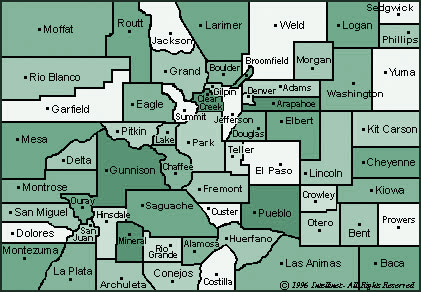
The interactive county map of Colorado lets users explore each county visually. It shows county boundaries clearly and highlights their locations within the state. This tool helps people understand Colorado’s geography quickly and easily.
Counties vary in size and population. The map provides details on each county’s area and population density. Users can click on counties to get more information about them.
How To Use The Interactive County Map
Start by looking at the map overview to see all counties. Hover over a county to view its name and basic facts. Click on a county for detailed data like population, area, and major cities.
Benefits Of The Interactive County Map
The map makes it easy to learn about Colorado counties. It offers a clear visual way to compare size and location. The map also helps students, travelers, and residents find information quickly.
Features Included In The Interactive Map
The map includes zoom and pan options for better viewing. It highlights county borders and major roads. Some maps show additional layers like elevation or population density.
Counties Highlighted On The Map
The map features all 64 counties in Colorado. It highlights large counties like Grand County and populous ones like El Paso County. Each county’s location in the state is easy to spot.
Frequently Asked Questions
What Is Colorado’s Largest County?
Grand County is Colorado’s largest by area, covering more land than any other county in the state.
What County Is The Richest In Colorado?
Douglas County is the richest county in Colorado, with a median household income around $139,000. It ranks among America’s wealthiest counties.
What Is The Least Populated County In Colorado?
San Juan County is the least populated county in Colorado. It has the smallest population among all counties in the state.
What Is The Highest County In Colorado?
Lake County is the highest county in Colorado. It contains Colorado’s highest peaks, including Mount Elbert at 14,440 feet.
How Many Counties Are There In Colorado?
Colorado has 64 counties in total.
Which Is The Largest County By Area In Colorado?
Grand County is the largest by area in Colorado.
What Is The Most Populated County In Colorado?
El Paso County has the highest population in Colorado.
Which County In Colorado Is The Richest?
Douglas County is the richest county in Colorado.
What Is The Least Populated County In Colorado?
San Juan County has the smallest population in Colorado.
Which County Has The Highest Elevation In Colorado?
Lake County holds the highest elevation among Colorado counties.
Conclusion
Colorado has a total of 64 counties. Two of these are unique city-counties: Denver and Broomfield. Each county offers its own character and landscape. From the largest by area, Grand County, to the most populated, El Paso County, diversity is clear.
Whether you explore the rich history or natural beauty, knowing the counties helps. This knowledge supports travel, study, and understanding of Colorado’s geography. The counties shape the state’s identity and daily life. Exploring them brings a deeper connection to Colorado’s land and people.