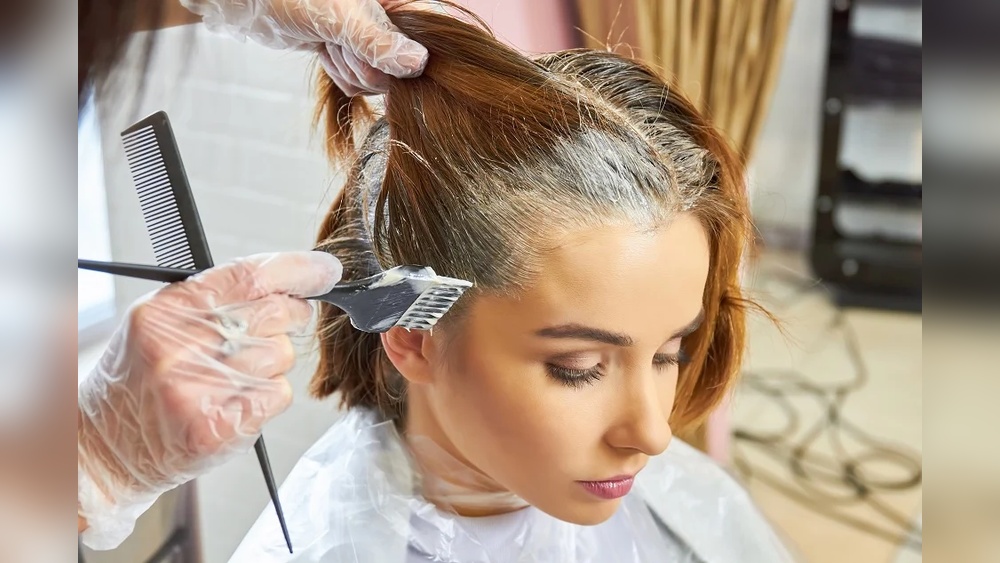
If you’re dealing with a lice infestation, you might wonder if coloring your hair could be a quick fix. Does hair color kill nits and lice, or is it just a myth?
You’re not alone in asking this. Many people believe that the chemicals in hair dye can eliminate those stubborn bugs and their eggs. But can hair dye really get rid of lice for good? Before you reach for that box of color, it’s important to understand what hair dye can and cannot do when it comes to lice treatment.
Keep reading to uncover the truth and learn effective ways to protect your hair and scalp.
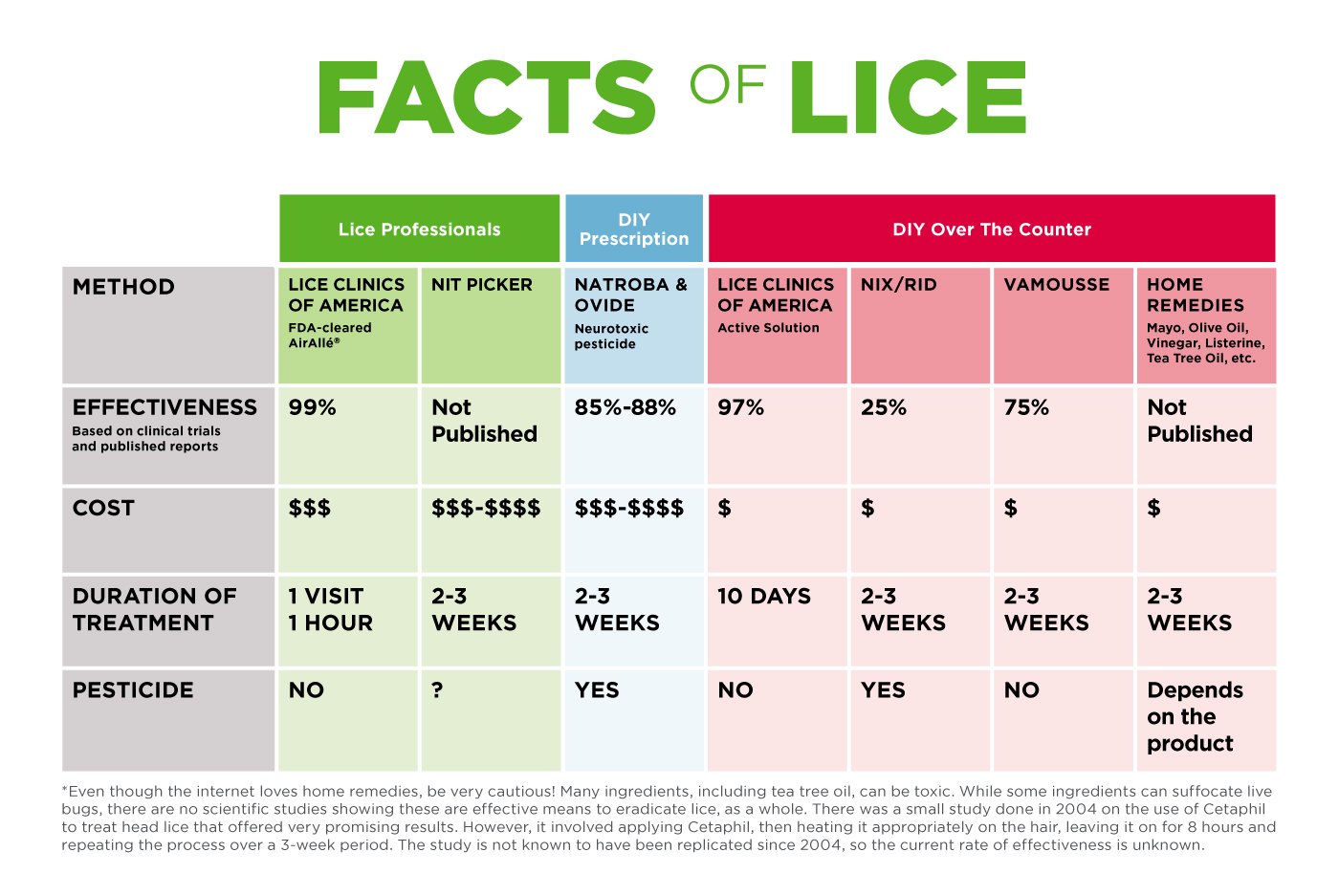
Credit: www.liceclinicsofamerica.com
Hair Dye And Lice Facts
Many believe hair dye can kill lice and nits. This idea comes from hair dye’s strong chemicals. Some think these chemicals might harm lice or their eggs. The truth is more complex and less certain.
Chemicals in hair dye, such as ammonia and peroxide, could kill some live lice. These substances are harsh and can damage small insects. But nits, or lice eggs, have a hard shell that protects them. Hair dye usually does not reach or kill these eggs.
Hair dye changes the hair color but does not guarantee lice removal. Lice can survive on dyed hair and continue to spread. Using hair dye alone is not a reliable lice treatment. Proper lice removal methods are necessary for full control.
How Hair Dye Affects Lice
Hair dye chemicals might kill some lice on contact. The dye coats the hair and scalp, creating an environment lice dislike. Still, many lice can survive the dye process. Live lice often hide deep in the hair, away from the dye.
Why Hair Dye Does Not Kill Nits
Nits stick firmly to hair strands. Their protective shell resists chemicals in hair dye. Hair dye rarely penetrates this shell. This means nits can survive dyeing and later hatch. Removing nits requires special combing or treatments.
Risks Of Using Hair Dye For Lice
Using hair dye to kill lice can cause scalp irritation. Hair dye is not designed as a lice treatment. It may cause allergic reactions or damage hair. Relying on dye wastes time and may delay proper treatment.
Chemical Effects On Live Lice
Understanding the chemical effects on live lice is important when discussing hair color treatments. Hair dyes contain strong chemicals designed to change hair pigment. These chemicals can impact lice, but their effectiveness varies.
Live lice are small insects that cling tightly to hair strands. The chemicals in hair dye may harm or kill some lice by disrupting their bodies. Ammonia and hydrogen peroxide are common ingredients that can dry out lice or damage them.
Despite this, hair dye does not guarantee full lice removal. Many lice can survive the chemical exposure. The short contact time of dye on hair may not be enough to kill all live lice.
Chemical Composition Of Hair Dyes
Hair dyes often include ammonia, peroxide, and other strong agents. Ammonia opens the hair cuticle to allow color to enter. Peroxide helps bleach or lighten hair color. These chemicals can create an environment that is harsh for lice.
However, these substances are not targeted insecticides. Their main purpose is to alter hair color, not to kill pests. This limits their ability to fully eliminate lice.
Impact Of Hair Dye On Lice Survival
Some lice may die from contact with hair dye chemicals. The drying effect and chemical irritation can be harmful to them. Still, many lice survive because they hide close to the scalp or under hair strands.
Hair dye does not penetrate deeply enough to reach all lice. Lice eggs, called nits, are even harder to kill. Nits are protected by a hard shell and stick firmly to hair.
Limitations In Killing Lice Eggs (nits)
Nits are resistant to hair dye chemicals. Their protective coating prevents chemicals from entering. This means hair dye cannot reliably kill lice eggs.
Even after dyeing, nits can hatch and cause a new lice infestation. Proper lice treatments are designed to target both live lice and nits.
Impact On Lice Eggs (nits)
Nits are lice eggs firmly attached to hair shafts. These eggs are tough and protected by a hard shell. This makes them difficult to remove or kill with simple treatments. Understanding how hair color affects nits is important for effective lice control.
Hair dye contains chemicals like ammonia and peroxide. These can be harsh on the scalp and hair. Some believe these chemicals might kill lice and their eggs. However, the reality is different.
Effectiveness Of Hair Color On Nits
Hair dye does not reliably kill lice eggs. The hard shell of nits protects them from chemical damage. Dye can color the eggs but usually does not destroy them. This means nits can survive even after hair coloring.
Why Nits Survive Hair Dye Treatments
Nits are glued tightly to the hair strand. Their shell prevents chemicals from penetrating inside. Hair dye mainly affects the hair surface. It rarely reaches or harms the nits’ core. Therefore, eggs remain viable after dyeing.
Risks Of Relying On Hair Dye For Lice Control
Using hair color as lice treatment can delay proper care. Nits left behind hatch and cause re-infestation. This leads to a cycle of lice returning. Effective treatments target both live lice and nits directly.
Recommended Approach For Nits Removal
Use specialized lice treatments to kill nits safely. Combine treatments with thorough combing to remove eggs. Regularly clean hair accessories and bedding too. This approach ensures lice and nits are fully eliminated.
Common Myths About Hair Color And Lice
Many believe hair color can kill lice and nits. This idea spreads quickly among parents and communities. Myths like these cause confusion about lice treatment. Understanding facts helps in managing lice effectively.
Does Hair Dye Kill All Lice And Nits?
Hair dye may kill some live lice due to its chemicals. Ammonia and hydrogen peroxide in dye can harm lice. The dye does not kill lice eggs (nits). Nits remain firmly attached to hair strands. They can hatch after dyeing, causing a new infestation.
Can Dyed Hair Prevent Lice?
Dyed hair does not stop lice from infesting. Lice look for scalp warmth and blood, not hair color. They can live on any hair type or color. Coloring hair offers no protection against lice spread.
Is Bleach Effective Against Lice?
Bleach contains harsh chemicals that can harm lice. Some believe bleach kills lice and eggs. Bleach is dangerous for scalp and hair health. Its use is not recommended for lice treatment. Safe, approved treatments work better and protect skin.
Scientific Evidence And Studies
Scientific research on whether hair color kills nits and lice is limited. Few formal studies exist, and most findings are anecdotal.
Experts agree that hair dye contains chemicals like ammonia and hydrogen peroxide. These substances can affect lice but are not reliable for full removal.
Laboratory Studies On Hair Dye And Lice
Few laboratory tests have examined hair dye’s effect on lice. Results show some live lice may die after exposure. The chemicals can damage lice’s outer shell.
However, hair dye rarely kills lice eggs, known as nits. Nits have a protective shell that resists many chemicals. This means hair dye alone cannot eliminate an entire infestation.
Clinical Evidence And Expert Opinions
Medical professionals do not recommend hair dye as lice treatment. They warn it does not replace proven lice removal methods. Experts highlight that dyed hair can still host lice and nits.
Health authorities suggest using lice-specific shampoos and combing techniques. These methods target both live lice and nits effectively. Hair dye may only kill some lice but leaves eggs untouched.
Anecdotal Reports And User Experiences
Many people report that hair dye seemed to reduce lice numbers. Some claim the chemicals make hair less attractive to lice. Others notice lice survive despite dyeing hair.
Online forums show mixed opinions about hair dye’s effectiveness. Some users say it helped, while others found no benefit. These experiences vary by hair type and dye formula.

Credit: www.licefreenoggins.com
Anecdotal Reports And Experiences
Anecdotal reports and personal experiences about using hair color to kill nits and lice are common. Many people share stories online and in conversations. Some believe hair dye can help get rid of lice. Others say it does not work well or at all.
These accounts vary a lot. Some people say the chemicals in hair dye, like ammonia and peroxide, might kill lice. Others say the dye only colors the lice and eggs, not killing them. These mixed reports make it hard to know the truth.
Positive Experiences With Hair Dye Against Lice
Some users report success after dyeing their hair. They say live lice seemed to die or disappear. They think the strong chemicals in the dye created a hostile scalp environment. For them, lice could not survive the treatment.
These experiences often come from parents trying to protect their children. They say lice dropped off or stopped moving after hair color use. Still, these stories do not always mention checking for nits carefully.
Negative And Neutral Stories
Other people report no effect or only partial success. They say lice and eggs survived the dye treatment. Some even mention lice crawling through the dye as if nothing changed. These users warn against relying on hair dye alone.
Many stress the importance of thorough lice combing and proper lice treatments. They see hair dye as a cosmetic change, not a lice killer. Some mention that dyed hair does not prevent new lice infestations.
Common Misunderstandings In Anecdotes
Many anecdotes confuse killing lice and killing nits. Hair dye may harm live lice but usually does not kill nits. Nits are very hard to remove without special treatments and combing. People sometimes think colored nits are dead, but they may still hatch.
Another misunderstanding is thinking dyed hair repels lice. Lice do not avoid hair because of color. They look for warmth and blood. Hair color alone does not stop lice from infesting hair again.
Risks Of Using Hair Dye As Treatment
Using hair dye to kill nits and lice can seem like a quick fix. The chemicals in hair dye might harm some lice. Still, this method carries several risks that should not be ignored.
Applying hair dye on the scalp can cause skin irritation. Sensitive skin may react with redness, itching, or even burns. These side effects can be painful and may require medical care.
Hair dye chemicals can damage hair strands. They may make hair dry, brittle, and prone to breakage. This damage can make hair look unhealthy and lifeless.
Hair dye does not kill lice eggs (nits). Nits firmly attach to hair strands and survive most treatments. Using dye alone will not stop the lice cycle, leading to repeated infestations.
Some people may develop allergic reactions to hair dye. Symptoms include swelling, rash, and difficulty breathing. These reactions can be severe and need emergency treatment.
Improper use of hair dye can cause uneven coloring or scalp stains. This can make hair look patchy and unnatural. Professional help is often needed to fix these issues.
Relying on hair dye for lice treatment might delay effective care. It can waste time and allow lice to spread to others. Proper lice treatments are safer and more reliable.
Potential Skin Irritation And Allergic Reactions
Hair dye contains harsh chemicals that may irritate the scalp. Allergic reactions can be severe, causing swelling and rash. Testing dye on a small skin patch is crucial before full use.
Hair Damage And Breakage Risks
The chemicals in hair dye can weaken hair strands. Hair may become dry, brittle, and prone to breakage. This damage worsens with repeated dyeing sessions.
Ineffectiveness Against Lice Eggs (nits)
Hair dye does not kill lice eggs attached to hair. Nits survive and hatch, causing new lice infestations. Effective lice treatments target both live lice and eggs.
Possible Allergic Reactions And Health Concerns
Allergic reactions to hair dye can be dangerous. Symptoms include difficulty breathing and skin swelling. Medical help should be sought immediately if these occur.
Uneven Coloring And Scalp Stains
Incorrect dye application can cause patchy hair color. Scalp stains may also happen, leading to an unnatural look. Professional coloring reduces these risks.
Delaying Proper Lice Treatment
Using hair dye may delay seeking effective lice treatment. Lice can spread to others during this time. Proper lice removal methods offer safer, faster results.

Credit: www.salonhaze.com
Safe And Effective Lice Treatments
Safe and effective lice treatments are essential for quick relief. Many people wonder if hair color can kill nits and lice. The truth is hair dye is not a reliable treatment. It may harm some lice but will not kill all nits or lice.
Proper lice removal requires targeted products and careful methods. Using proven treatments ensures safety and effectiveness. Avoid home remedies that lack scientific support.
Medicated Lice Shampoos And Lotions
Medicated shampoos contain insecticides that kill lice and nits. They are specially formulated for safety and effectiveness. Follow instructions closely for best results. These products are widely available at pharmacies.
Manual Removal With A Fine-toothed Comb
Using a fine-toothed comb helps remove lice and nits physically. This method works well with medicated treatments. Comb hair in sections to ensure thorough removal. It takes time but reduces lice presence significantly.
Natural Remedies With Limited Evidence
Some natural oils like tea tree or neem are popular. They may help but lack strong scientific proof. Use these only as a supplement to proven treatments. Always check for allergies before use.
Professional Lice Removal Services
Professional services use specialized tools and treatments. They provide thorough and safe lice removal. These services are a good option for severe infestations. They also offer advice on preventing re-infestation.
Preventing Lice Infestation
Preventing lice infestation is easier than treating it. Taking simple steps helps keep lice away. Good habits stop lice from spreading quickly. Prevention protects both children and adults from this common problem.
Regular checks of hair can catch lice early. Early detection means faster action and less trouble. Avoid sharing combs, hats, or hair accessories. Lice spread mostly through close contact and shared items.
Maintain Personal Hygiene
Wash hair regularly with shampoo and conditioner. Clean hair is less attractive to lice. Encourage children to keep their hair neat and tied back. This reduces the chance of lice moving from one head to another.
Avoid Sharing Personal Items
Do not share combs, brushes, hats, or scarves. Lice can cling to these items easily. Store personal items separately in bags or lockers. Teach children the importance of this rule at school and home.
Regularly Clean Bedding And Clothes
Wash bedding, pillowcases, and clothes in hot water. Dry items on high heat to kill lice and nits. Vacuum carpets and furniture often to remove stray lice. This stops re-infestation and keeps the home clean.
Inspect Hair Frequently
Check hair weekly, especially after school or playdates. Use a fine-toothed comb to spot lice or nits early. Early detection helps prevent a full infestation. Act quickly if you find any signs of lice.
Handling Dyed Hair With Lice
Dealing with lice in dyed hair can be challenging. The chemicals in hair dye do not guarantee lice removal. Treating dyed hair requires special care to avoid damage and effectively remove lice and nits.
Understanding The Impact Of Hair Dye On Lice
Hair dye contains chemicals like ammonia and peroxide. These may kill some live lice but not the eggs. Nits are firmly attached to hair strands and resist many treatments. Dyeing hair does not provide a full lice treatment.
Safe Treatment Options For Dyed Hair
Choose lice treatments made for colored hair. These products are gentle and avoid fading color. Follow instructions carefully to protect hair health. Regular combing with a fine-toothed lice comb helps remove lice and nits.
Precautions To Take With Dyed Hair
Avoid harsh chemicals that can strip color. Do not rely on hair dye alone to kill lice. Maintain scalp hygiene and wash bedding often. Consult a healthcare provider if lice persist despite treatment.
Frequently Asked Questions
Will Hair Dye Kill Nits?
Hair dye may kill some live lice due to its chemicals, but it does not effectively kill nits (lice eggs).
Does Hair Color Kill Head Lice Effectively?
Hair color may kill some live lice but does not kill lice eggs (nits).
Can Hair Dye Prevent Future Lice Infestations?
No, dyed hair does not prevent getting head lice again.
Why Doesn’t Hair Dye Kill Lice Eggs (nits)?
Nits are protected by a hard shell, making them resistant to hair dye chemicals.
Are Chemicals In Hair Dye Harmful To Lice?
Some chemicals may harm live lice, but they are not reliable for full treatment.
Is Bleaching Hair Better At Killing Lice Than Dyeing?
Bleach may harm lice similarly to dye but does not guarantee killing all lice or nits.
Can Hair Dye Replace Traditional Lice Treatment?
Hair dye is not a safe or effective substitute for recommended lice treatments.
Does Dying Hair Affect Lice Survival On The Scalp?
Dye may make the scalp environment less favorable, but it won’t eliminate all lice or nits.
How Should I Treat Lice If Hair Dye Doesn’t Work?
Use medically approved lice treatments and comb out nits with a fine-tooth comb.
Is It Safe To Use Hair Dye On Lice-infested Scalp?
Hair dye can irritate sensitive scalp skin and is not recommended as lice treatment.
Conclusion
Hair color might kill some live lice but not the eggs. Nits stay firmly attached to hair strands and survive coloring. Relying on hair dye alone won’t fully remove lice. Proper treatments target both lice and nits for best results.
Cleaning bedding and combing hair are important steps too. Use recommended lice treatments for safe, effective removal. Don’t expect hair color to solve a lice problem completely. Taking all necessary actions helps keep lice away longer.