Are you wondering if someone other than the owner can register a car in Colorado? Maybe you want to save time or help a friend or family member handle their vehicle paperwork.
The good news is, under certain conditions, a non-owner can register a car for you—but there are important rules and documents involved. Knowing exactly what’s required can make the process smoother and prevent delays. Keep reading to discover who can register your car in Colorado, what paperwork they’ll need, and how to ensure everything is done correctly and legally.
This guide will help you take the right steps with confidence.
Non-owner Registration Basics
Non-owner registration in Colorado allows someone other than the vehicle owner to register a car. This process requires specific documents and steps to be valid and legal. Understanding these basics helps to avoid delays and issues at the DMV.
Only authorized persons with proper documentation can complete the registration. The vehicle owner must endorse the title correctly. The person registering the car must show their own ID and proof of insurance for the vehicle.
Required Documents For Non-owner Registration
The vehicle title must be signed by the owner to transfer registration rights. The registrant needs valid identification, such as a driver’s license or state ID. Proof of current insurance on the vehicle is mandatory to meet state laws.
Steps To Register A Vehicle As A Non-owner
First, gather all required documents including the endorsed title and insurance proof. Visit the local DMV office or use their online services if available. Pay all necessary fees, which may include title, registration, and taxes.
Emissions And Vehicle Inspection Requirements
Colorado may require an emissions test depending on the vehicle’s age and location. The person registering should check if the car needs a passing emissions certificate. This test ensures the vehicle meets environmental standards.
Owner Authorization Needed
Registering a car in Colorado without the owner’s permission is not allowed. The owner must give clear authorization. This protects both the owner and the person registering the vehicle. The process requires specific documents signed by the owner. These papers confirm the owner agrees to the registration.
Without this authorization, the DMV will reject the registration request. This rule helps prevent fraud and misuse of vehicles. It also ensures the owner stays responsible for their car.
Proof Of Owner’s Consent
The owner must provide a signed title or a power of attorney. The title must be properly endorsed. This means the owner signs the title to transfer or register the vehicle. A power of attorney allows another person to act on the owner’s behalf. Both documents prove the owner’s consent clearly.
Required Documents From The Owner
The owner must supply their ID and the vehicle title. The title must match the vehicle exactly. The owner also needs to ensure the insurance is valid for the car. These documents confirm the owner’s identity and permission. They are essential for the registration to proceed.
Responsibility And Legal Implications
The owner remains responsible for the vehicle until the registration is complete. Unauthorized registration can cause legal issues for both parties. The owner should carefully review any authorization forms. Clear communication between the owner and the person registering is key.
Required Documents
Registering a car in Colorado as a non-owner requires several important documents. These papers prove the vehicle’s ownership, the registrant’s identity, and compliance with state laws. Preparing these documents carefully ensures a smooth registration process.
Vehicle Title Endorsement
The vehicle title must be signed by the owner. This is called an endorsement. It transfers the right to register the car to the non-owner. Without a properly endorsed title, registration cannot proceed.
Non-owner Identification
The person registering the car must show valid ID. This could be a driver’s license or state ID card. The ID must be current and government-issued. It confirms the registrant’s identity to the DMV.
Proof Of Insurance
The vehicle needs valid Colorado insurance. The insurance policy must cover the car during registration. The registrant should present proof, like an insurance card or policy declaration. This protects all drivers on Colorado roads.
Emissions Test
Some vehicles need to pass an emissions test. This depends on the vehicle’s age and location. A passing test report proves the car meets air quality standards. The report must be recent and official to be accepted.
Credit: www.douglas.co.us
Registration Fees And Payments
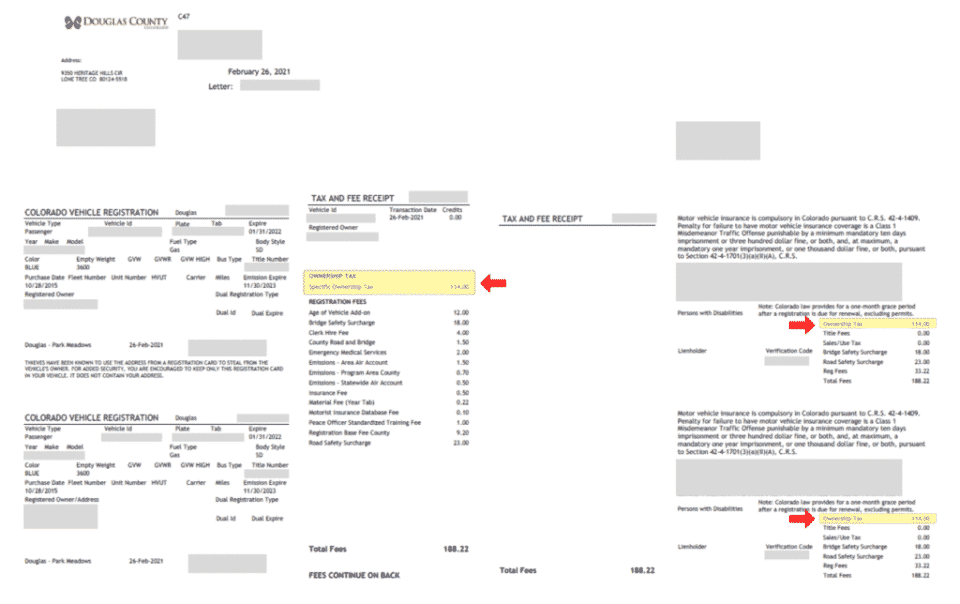
Understanding registration fees and payments is crucial when registering a car in Colorado. Fees vary based on vehicle type, weight, and county. Knowing what to expect helps avoid surprises and ensures a smooth registration process.
Fees must be paid at the time of registration. The Colorado DMV accepts multiple payment methods. These include credit cards, checks, and cash. It is wise to check payment options before visiting the DMV office.
Types Of Registration Fees
Colorado charges a base registration fee for all vehicles. Additional fees apply based on vehicle weight. Newer cars may have higher fees. Some counties add their own local fees too. These fees support road maintenance and public services.
Payment Methods Accepted
The DMV accepts credit and debit cards for convenience. Personal checks are also allowed but must be valid. Cash payments are accepted at local DMV offices. Online payments require a credit or debit card. Choose the method that fits you best.
Late Fees And Penalties
Failing to pay registration fees on time results in penalties. Late fees increase with the delay length. Penalties can affect your driving privileges. Renewing early avoids these extra costs. Keep track of your registration expiration date.
How Non-owners Handle Fees
Non-owners registering a vehicle must pay all required fees. The person registering must have payment ready. The owner’s endorsement on the title is necessary. Proof of insurance must be current and valid. The DMV processes payments the same way for non-owners.
Vin Verification For Out-of-state Vehicles
Registering an out-of-state vehicle in Colorado requires a VIN verification. This process confirms the vehicle’s identity. It ensures the car matches its title and registration documents. VIN verification helps prevent fraud and theft. It is a mandatory step before Colorado issues registration for the vehicle.
What Is Vin Verification?
VIN stands for Vehicle Identification Number. This number is unique to every vehicle. VIN verification means checking this number. Officials compare the VIN on the vehicle with the title or registration. The goal is to confirm they are the same.
Who Can Perform Vin Verification?
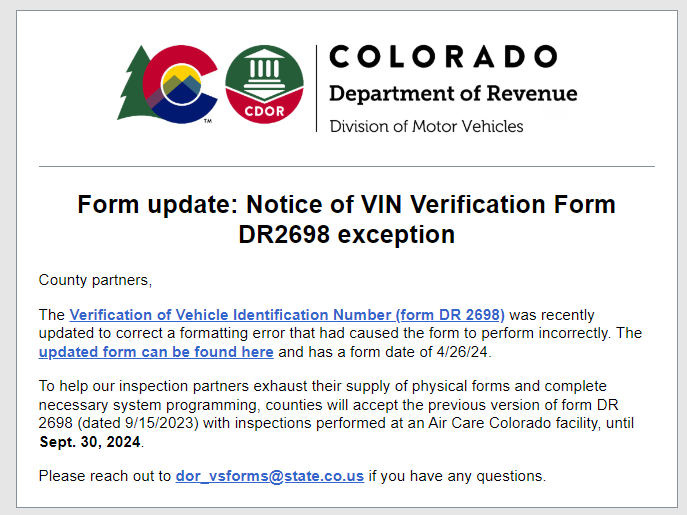
Colorado allows several people to do VIN verification. A law enforcement officer can verify the VIN. Some licensed car dealerships and motor vehicle inspectors can also perform it. The person verifying must fill out a specific form. This form is needed for Colorado DMV registration.
How To Complete Vin Verification For Out-of-state Cars
First, find a qualified person to verify the VIN. The verifier will inspect the car’s VIN plate. They check if the number matches the documents. After inspection, they complete the VIN verification form. Submit this form to the Colorado DMV with your registration application.
Where To Get Vin Verification In Colorado
Many Colorado law enforcement offices offer VIN verification. Some local DMV offices provide this service. Auto dealers and licensed inspectors also help. Choose the closest or most convenient option. Make sure the verifier is authorized by Colorado law.
Credit: aircarecolorado.com
Registering Gifted And Inherited Cars
Registering a car that you received as a gift or inheritance in Colorado follows special rules. These rules help transfer ownership and register the vehicle correctly. The process differs from standard car registration. Understanding the steps can save time and avoid legal issues.
Gifted and inherited cars often come with unique paperwork. The Colorado DMV requires proof that the vehicle changed hands through gift or inheritance. This proof protects both the giver and receiver. It also ensures the state records show the correct owner.
Registering A Gifted Car In Colorado
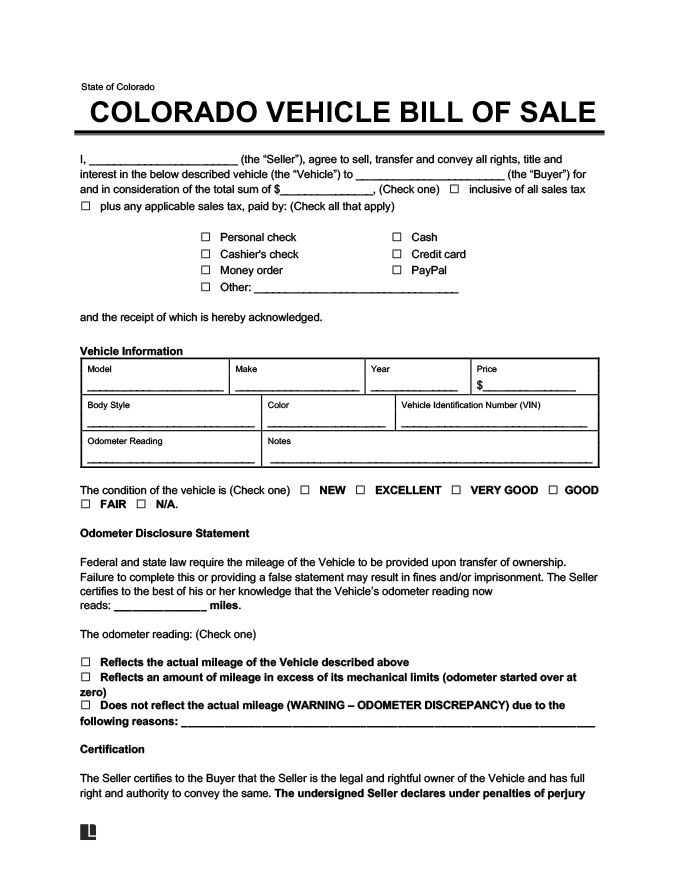
To register a gifted car, the title must show the transfer was a gift. The person giving the car signs the title over to the new owner. Both parties may need to complete a gift affidavit or form. This form states the vehicle was given without payment.
Colorado does not charge sales tax on gifted vehicles if the proper affidavit is submitted. The new owner must provide proof of insurance and pass any required emissions tests. The DMV will then issue new registration and title documents under the new owner’s name.
Registering An Inherited Car In Colorado
Inherited cars require different documents for registration. The new owner must show legal proof of inheritance. This often means providing a will, court order, or affidavit of heirship. These documents confirm the person has the right to the vehicle.
The DMV may ask for the vehicle title or a copy of the death certificate. The new owner must also provide proof of insurance and complete the vehicle registration forms. Fees for registration and title apply unless the car qualifies for exemptions.
Non-resident Vehicle Registration Rules
Non-residents can register vehicles in Colorado under specific conditions. The state does not require a local driver’s license to register a car. Proof of Colorado insurance is mandatory for all vehicle registrations. This rule helps ensure vehicles on Colorado roads meet safety standards.
Non-residents must follow steps to complete registration. These include providing proper documentation and meeting state regulations. Understanding these rules is crucial for smooth vehicle registration in Colorado.
Residency Requirements For Vehicle Registration
Colorado allows vehicle registration without requiring you to be a resident. You do not need a Colorado driver’s license to register a car. However, you must have a valid insurance policy from Colorado. This ensures your vehicle is covered according to state law.
Documents Needed For Non-resident Registration
Non-residents must submit the vehicle title, proof of insurance, and ID. The vehicle title should be properly endorsed by the owner. A government-issued ID is necessary for identity verification. Proof of passing an emissions test may also be required, based on the vehicle’s age and type.
Vehicle Inspection And Emissions Testing
Vehicles registered in Colorado often need a VIN verification. Emissions testing is required in certain counties and for specific vehicles. Passing these inspections is mandatory to complete registration. These checks help maintain clean air and safe roads in Colorado.
Fee Payment And Registration Process
Registration fees and any applicable taxes must be paid at the time of registration. Non-residents should prepare payment for title and registration fees. The Colorado DMV accepts various payment methods to make this easy. Completing payment finalizes the registration process.
Steps To Register Without Owner Present
Registering a car in Colorado without the owner being present involves a clear process. The person handling registration must gather all required documents and follow specific steps. This ensures the vehicle is legally registered and ready for the road.
Each step is important to avoid delays or rejection. Understanding these steps helps non-owners complete the registration smoothly and correctly.
Obtain A Properly Endorsed Vehicle Title
The vehicle title must have the owner’s signature. This endorsement authorizes registration by someone else. Without it, registration cannot proceed.
Prepare Valid Identification
The person registering the vehicle needs to show a valid ID. This proves their identity to the DMV. Acceptable IDs include a driver’s license or state ID card.
Provide Proof Of Insurance
The vehicle must be insured in Colorado. A current insurance card or policy document is required. This protects both the driver and others on the road.
Complete Emissions Testing If Required
Some vehicles need an emissions test in Colorado. The test results must be recent and passed. This depends on the vehicle’s age and county regulations.
Prepare Payment For Fees
Fees for title transfer and registration must be paid. Prepare the correct amount in cash, check, or credit card. The DMV will provide exact fee details.
Submit All Documents At The Dmv
Bring the endorsed title, ID, insurance proof, emissions test, and payment. Submit these to the local DMV office. The vehicle will then be registered under the owner’s name but handled by the non-owner.
Common Registration Challenges
Registering a car in Colorado can be tricky, especially for someone who is not the owner. Many face hurdles that slow down the process. These challenges often relate to paperwork, legal permissions, and state rules. Understanding common issues helps avoid delays and extra costs.
Document Verification Problems
One major challenge is verifying documents. The vehicle title must be signed by the owner. Without this, registration cannot proceed. The person registering the car needs their own valid ID. Proof of insurance must cover the vehicle in Colorado. Missing or incorrect documents lead to rejection.
Legal Authorization Issues
Legal permission is crucial. The non-owner must have clear authorization from the owner. A power of attorney or written consent is often required. Without proper authorization, the DMV will deny the registration. This protects owners from unauthorized use or fraud.
Insurance Requirements
Colorado requires valid insurance for all registered vehicles. The policy must list the vehicle and meet state minimum coverage. Non-owners must ensure insurance is up to date. Lack of proper insurance can stop registration entirely. Proof of insurance must be shown at registration.
Emissions And Safety Inspections
Some vehicles need to pass emissions tests. Colorado uses these tests to control pollution. Depending on the vehicle’s age and location, a test result may be necessary. Failing to provide this proof causes delays or denial. Safety inspections might also be required in some counties.
Payment Of Fees And Taxes
Registration requires payment of fees and taxes. These include title fees, registration fees, and sometimes sales tax. The person registering must have funds ready. Incomplete payment leads to registration refusal. Fees vary by vehicle type and county.
Credit: legaltemplates.net
County-specific Registration Tips
Registering a car in Colorado varies by county. Each county may have unique rules and requirements. Understanding these county-specific tips can simplify the registration process.
Non-owners can register a vehicle, but they must follow local guidelines closely. This section covers key tips for Denver, Boulder, Jefferson, and Adams counties.
Denver
Denver requires proof of Colorado insurance for registration. The registrant must provide valid ID and the vehicle title endorsed by the owner. Emissions testing is mandatory for certain vehicles. Fees include title, registration, and sales tax. Payment must be made during registration.
Boulder
Boulder accepts registrations from non-owners with proper documentation. The vehicle must pass emissions testing if applicable. Insurance proof and a valid ID are necessary. The title must show the owner’s endorsement. Boulder may require additional forms for gifted or inherited vehicles.
Jefferson
Jefferson County requires a completed VIN verification for out-of-state vehicles. The registrant should present proof of insurance and a valid ID. The owner’s signature on the title is essential. Emissions tests apply based on vehicle age and type. Registration fees vary by vehicle weight and type.
Adams
Adams County asks for the owner’s endorsed title and proof of insurance. The registrant must have a government-issued ID. Emissions testing is required for many vehicles. All fees must be paid at registration. Adams may require additional verification for non-owner registrants.
Frequently Asked Questions
Can Someone Else Register My Car In Colorado?
Someone else can register your car in Colorado if they have your endorsed title, their ID, proof of insurance, emissions test (if needed), and payment for fees.
How To Register A Vehicle Without Title In Colorado?
To register a vehicle without a title in Colorado, complete a VIN verification and submit a Vehicle Affidavit. Provide proof of insurance, pay fees, and apply for a bonded title through the DMV. This process ensures legal registration without the original title document.
Can You Register A Car In Colorado If You Don’t Live There?
Non-residents can register a car in Colorado with valid Colorado insurance and required documents. No in-state license needed.
What’s Required To Register A Car In Colorado?
To register a car in Colorado, provide the vehicle title, proof of insurance, and a VIN verification if from another state. Pay title, registration fees, and sales tax. Submit emissions test results if required. Present a valid ID and complete the registration form at the DMV.
Can A Non-owner Register A Car In Colorado?
Yes, a non-owner can register a car if they have the proper documents and owner’s permission.
What Documents Are Needed For Non-owner Car Registration?
You need the vehicle title signed by the owner, proof of insurance, ID, and payment for fees.
Does The Non-owner Need Colorado Insurance To Register The Car?
Yes, proof of valid Colorado insurance is required to register a vehicle in Colorado.
Can Someone Else Pick Up The Car Registration Documents?
Yes, with proper authorization and identification, another person can collect registration documents.
Is A Vin Verification Required For Non-owner Registration?
Yes, if the vehicle was titled in another state, a VIN verification is mandatory.
Are Emissions Tests Required For Non-owner Car Registration?
Depending on the vehicle’s age and location, a passing emissions test might be necessary.
Conclusion
Registering a car in Colorado without being the owner is possible with proper authorization. The owner must endorse the title and provide valid insurance. The person registering needs their own ID and must complete all required steps. Paying fees and submitting necessary documents is essential.
Always follow Colorado DMV rules carefully to avoid issues. This process helps people manage vehicle registration even if they don’t own the car. Understanding these rules saves time and stress. Keep all paperwork ready before visiting the DMV. Clear communication between owner and registrant makes registration smooth.