
Thinking about starting an LLC in Colorado? You’re about to make a smart move for your business, but you might feel overwhelmed by the steps involved.
Don’t worry—this guide breaks it all down into simple, clear actions you can follow right now. From choosing your LLC’s name to filing the right paperwork, you’ll discover exactly what you need to do to get your Colorado LLC up and running smoothly.
Keep reading, and you’ll gain the confidence to launch your business the right way, avoiding common mistakes that could slow you down. Your journey to owning a successful Colorado LLC starts here.
Credit: legaltemplates.net
Choose Your Llc Name
Choosing the right name for your LLC in Colorado is a crucial first step. Your LLC name represents your brand and must follow specific rules. It should be unique and easy to remember. A good name helps your business stand out and builds trust with customers.
Before finalizing your LLC name, you need to understand Colorado’s naming rules. Also, check if your desired name is available. This prevents delays during registration and avoids legal issues later.
Name Requirements In Colorado
Your LLC name must include “Limited Liability Company” or its abbreviations like “LLC” or “L.L.C.” It cannot imply it is a corporation or another business type. The name must be distinguishable from existing Colorado businesses. Avoid words that could mislead the public or require extra approval, such as “bank” or “insurance.”
Checking Name Availability
Use the Colorado Secretary of State’s online database to search for your LLC name. This tool shows if another business already uses your desired name. If the name is taken, you must pick a different one. Reserving your LLC name is possible for 120 days by filing a form and paying a fee. This step protects your name while you prepare your registration.
Designate A Registered Agent
Designating a registered agent is a key step in forming an LLC in Colorado. The registered agent acts as the official contact for your business. This person or company receives important legal papers and government notices. Choosing the right agent helps keep your business compliant and organized.
Role Of Registered Agent
A registered agent accepts legal documents on behalf of your LLC. These include service of process for lawsuits and official state correspondence. The agent must have a physical address in Colorado. They ensure you get timely notification of any legal matters. This role protects your privacy by keeping your personal address off public records.
Choosing An Agent In Colorado
You can select an individual or a professional service as your registered agent. The agent must be available during business hours to receive documents. Many LLC owners hire registered agent companies for convenience. These services provide reliable handling of legal papers. Make sure your agent understands Colorado’s rules and deadlines.
File Articles Of Organization
Filing the Articles of Organization is the first official step to create your LLC in Colorado. This document registers your business with the state. It shows your company is a legal entity. You must complete and submit it to start your LLC.
The Articles of Organization include key details about your business. The state uses this information to identify and regulate your LLC. Filing this document correctly helps avoid delays and legal problems.
Where To File
You must file your Articles of Organization with the Colorado Secretary of State. They handle all LLC formations in the state. You can file online through the Colorado Secretary of State website. Online filing is fast and secure. You may also file by mail, but online is preferred for speed.
Required Information
The Articles of Organization require simple details about your LLC. You need to provide your LLC’s name. It must be unique and follow state naming rules. You also need the principal office address. This is the main business location.
Include the name and address of your registered agent. The registered agent receives legal documents for your LLC. You must state the LLC’s management structure. Indicate whether members or managers run the company. Finally, you may add the LLC’s duration if not perpetual.
Create An Operating Agreement
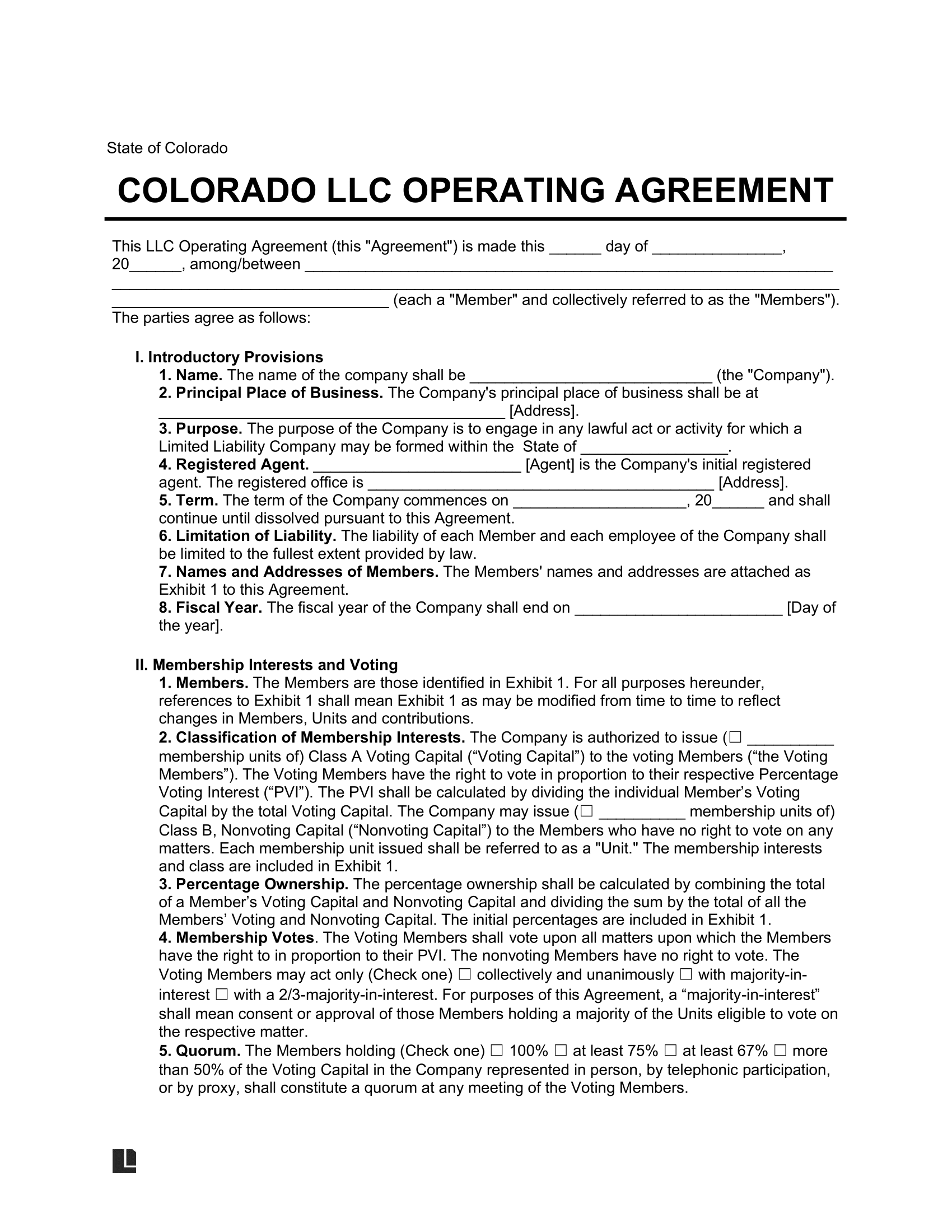
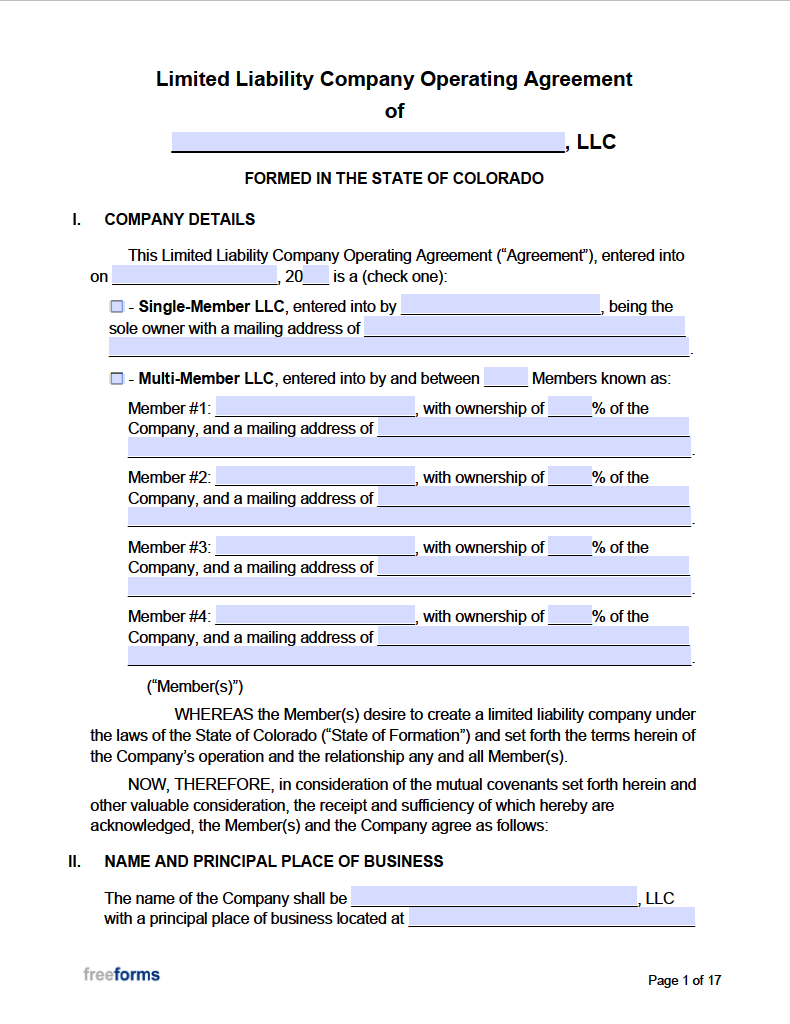
Creating an operating agreement is a key step when forming an LLC in Colorado. This document outlines how your LLC will operate and helps prevent misunderstandings among members. Although Colorado does not require an operating agreement by law, having one adds legal protection and clarity.
Writing a clear operating agreement makes running your business smoother. It defines roles, responsibilities, and procedures. This agreement acts as a rulebook for your LLC, guiding decisions and managing conflicts.
Purpose Of The Agreement
The operating agreement sets the foundation for your LLC’s management. It clarifies ownership percentages and voting rights. This agreement protects members by defining their duties and limits.
It also helps separate personal and business assets, reducing risk. Courts often refer to the operating agreement in disputes. This document shows how profits and losses will be shared among members.
Key Provisions To Include
Start with basic information about your LLC and its members. Include details on capital contributions and ownership percentages. Define how decisions are made and how meetings will be held.
Describe how profits and losses are divided. Include rules for adding or removing members. Outline what happens if a member leaves or the LLC dissolves.
Set clear procedures for resolving disputes. Mention how amendments to the agreement will be handled. Including these provisions ensures your LLC runs smoothly and protects everyone involved.
Obtain An Ein
After forming your LLC in Colorado, you must obtain an Employer Identification Number (EIN). This number is essential for tax reporting and opening business bank accounts. It identifies your LLC to the IRS and simplifies managing your business finances. Applying for an EIN is free and quick when done correctly.
What Is An Ein
An EIN is a unique nine-digit number assigned by the IRS. It works like a social security number but for your business. The IRS uses it to track your business’s tax obligations. Most LLCs need an EIN to hire employees, file taxes, and open bank accounts. It helps keep your business activities separate from your personal finances.
How To Apply Online
Applying for an EIN online is the fastest method. Visit the IRS website and complete the application form. You must provide details about your LLC, such as its legal name and address. The online system is available Monday to Friday from 7 a.m. to 10 p.m. EST. After submitting your application, you receive your EIN immediately. Save the confirmation letter for your records and future use.
Credit: www.zenbusiness.com
Register For State Taxes
Registering for state taxes is a key step in forming your LLC in Colorado. This process ensures your business complies with state tax laws. It also enables you to collect and report taxes properly. Understanding Colorado’s tax rules helps avoid penalties and fines. The registration varies depending on your business activities and sales volume. Follow the state requirements carefully to keep your LLC in good standing.
Colorado Tax Requirements
Colorado requires LLCs to register for state taxes if they have employees or sell taxable goods. You may need to pay income tax, sales tax, and use tax. The state uses the Colorado Department of Revenue to manage tax collection. Register early to get your tax account number. This number identifies your business for tax purposes. Keep good records to simplify tax filing and payments. Check if your LLC must file state income tax returns.
Sales And Use Tax Registration
LLCs selling products or services in Colorado must register for sales and use tax. This tax applies to most retail sales and some services. Register online through the Colorado Department of Revenue website. You will receive a sales tax license after registration. Collect sales tax from customers and file regular tax returns. Use tax applies to goods bought outside Colorado but used in the state. Track your sales carefully to report the right tax amount. Staying compliant avoids costly penalties and audits.
Get Necessary Business Licenses
Getting the right business licenses is a key step to start an LLC in Colorado. Licenses let you operate legally and avoid fines. Different businesses need different licenses depending on location and industry. This section explains the local permits and industry-specific licenses you may need.
Local Permits
Local permits come from city or county offices. These permits control business activities in certain areas. Some common local permits include zoning permits, health permits, and signage permits. Zoning permits ensure your business location fits local rules. Health permits apply if you handle food or personal care. Signage permits regulate business signs outside your building. Check with your city or county clerk’s office to find required permits. Getting local permits helps your business run smoothly without legal trouble.
Industry-specific Licenses
Certain industries need special licenses from state or federal agencies. For example, construction companies need contractor licenses. Food businesses require health department licenses. Professional services like real estate or accounting need state licenses. If your business sells alcohol or firearms, special permits apply. These licenses ensure you meet safety and quality standards. Visit the Colorado Department of Regulatory Agencies website to identify licenses for your industry. Acquiring the right licenses protects your business and builds trust with customers.
Credit: freeforms.com
Meet Ongoing Compliance Rules
After forming your LLC in Colorado, meeting ongoing compliance rules is crucial. Staying compliant protects your business and keeps it active. Ignoring these rules can lead to fines or even dissolution.
Understanding the requirements helps you avoid penalties. Two key areas to focus on are annual reports and maintaining good standing. Both ensure your LLC remains legally recognized and trusted.
Annual Reports
Colorado requires LLCs to file an annual report each year. This report updates the state on your business details. The deadline is the anniversary month of your LLC’s formation. Filing is simple and can be done online. A small fee applies for submitting the report. Missing the deadline can cause late fees or administrative dissolution. Keeping track of this date is essential for smooth business operations.
Maintaining Good Standing
Good standing means your LLC meets all state requirements. Pay all fees on time and file necessary documents. Keep a registered agent with a physical address in Colorado. Maintain proper records and licenses as needed. Good standing builds trust with clients and banks. It also allows your LLC to enter contracts and get loans. Losing good standing may limit your business activities or cause legal issues. Regular checks help you stay compliant and avoid problems.
Understand Llc Costs
Understanding the costs of starting and running an LLC in Colorado helps you plan your budget well. Knowing these fees upfront avoids surprises later. Costs include initial filing fees and ongoing expenses. Each plays a role in the total cost of your LLC.
Initial Filing Fees
To form an LLC in Colorado, you must pay a filing fee to the Secretary of State. This fee covers the Articles of Organization. The current fee is $50. Filing online is fast and simple. You also need to check if your LLC name is available, which is free. You may want to hire a registered agent, which can add to your initial costs.
Ongoing Expenses
Colorado requires LLCs to file a Periodic Report every year. The filing fee for this report is $10. Missing this deadline can lead to penalties. You might also pay for a registered agent service annually. Other costs include business licenses and permits depending on your industry. Keep these ongoing expenses in mind to keep your LLC in good standing.
Consider Llc Disadvantages
Starting an LLC in Colorado offers many benefits, but it is important to consider its disadvantages. Understanding potential drawbacks helps you prepare better. This section highlights key challenges to keep in mind before forming your LLC.
Tax Implications
LLCs have flexible tax options but can face higher taxes. Members often pay self-employment taxes on all profits. This can increase your tax bill compared to other business types. Colorado does not charge a state franchise tax, but federal taxes still apply.
LLCs can choose to be taxed as a corporation, which may reduce taxes. However, this adds complexity and requires filing additional tax forms. Tax rules vary, so consulting a tax professional is wise.
Operational Challenges
LLCs require ongoing paperwork and fees in Colorado. Annual reports and state fees must be filed on time to keep your LLC active. Missing these deadlines can lead to penalties or dissolution.
Managing an LLC involves clear operating agreements and member roles. Without this structure, conflicts between members may arise. LLCs may also face difficulties when raising money from investors compared to corporations.
Frequently Asked Questions
How Much Does It Cost To Set Up An Llc In Colorado?
Setting up an LLC in Colorado costs $50 to file Articles of Organization. Additional fees include a $10 periodic report every two years. Other expenses may apply, like registered agent fees or business licenses.
What Is The Downside Of Starting Llc?
Starting an LLC involves higher setup and maintenance costs, potential self-employment taxes, limited lifespan, and challenges attracting investors.
How Long Does It Take To Get An Llc In Colorado?
Colorado processes LLC formation filings typically within 3 to 5 business days. Expedited services can shorten this time to 24 hours. Online filing speeds up approval compared to mail submissions. Processing times may vary during peak periods or due to incomplete applications.
Do I Need An Ein For My Llc In Colorado?
Yes, most Colorado LLCs need an EIN to open bank accounts and file taxes. Sole-member LLCs without employees may not require one.
What Is An Llc In Colorado?
An LLC is a business structure combining liability protection and flexible management.
How Do I Name My Colorado Llc?
Choose a unique name with “LLC” or “Limited Liability Company” included.
What Are The Steps To Form An Llc In Colorado?
File Articles of Organization, appoint a registered agent, and pay fees.
How Much Does It Cost To Start An Llc In Colorado?
The filing fee is $50, with possible additional costs for licenses.
Do I Need A Registered Agent For My Colorado Llc?
Yes, every Colorado LLC must have a registered agent with a local address.
How Long Does It Take To Form An Llc In Colorado?
Processing usually takes 3 to 5 business days online or longer by mail.
Conclusion
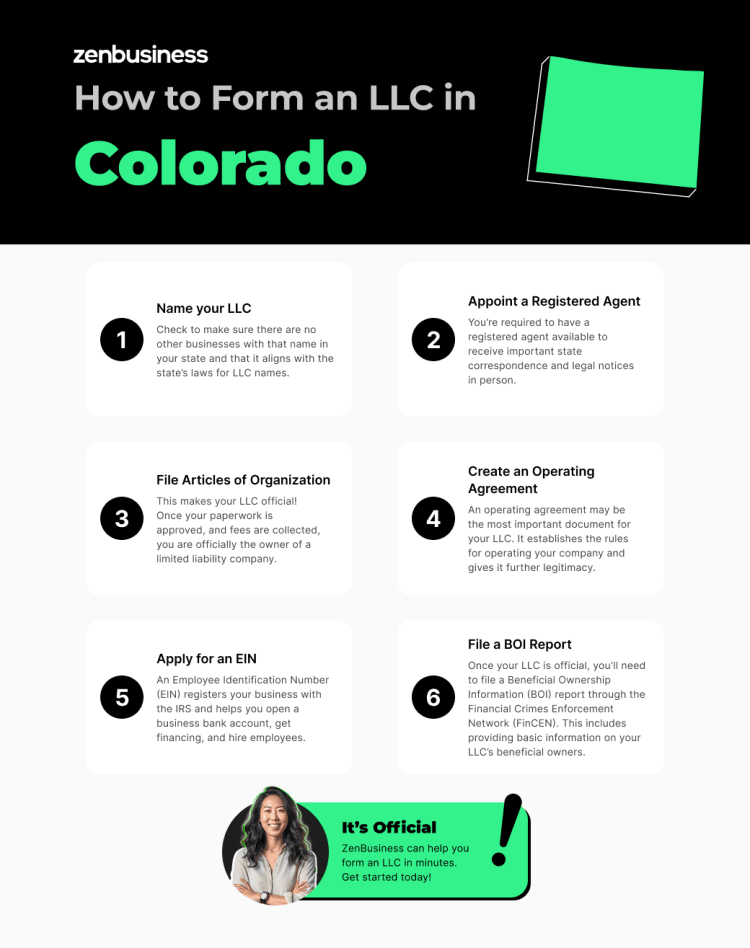
Forming an LLC in Colorado is a clear and manageable process. Follow each step carefully to avoid common mistakes. Choose a unique name, file your Articles of Organization, and appoint a registered agent. Keep up with state fees and annual reports to stay in good standing.
Understanding the basics helps protect your business and personal assets. Starting your LLC right sets a strong foundation for future growth. Take action today and enjoy the benefits of your new Colorado LLC.