
Have you ever tried setting your mouse pointer color to grey, only to find it mysteriously turning pink instead? It’s confusing, frustrating, and can really throw off your workflow.
If you’re wondering why this happens and how to fix it, you’re in the right place. You’ll discover the common reasons behind this unexpected color shift and easy steps you can take to get your mouse pointer looking exactly how you want.
Keep reading to clear up the mystery and take control of your mouse settings once and for all.
Mouse Color Settings In Windows
Windows allows users to customize mouse pointer colors to improve visibility and match personal preferences. Changing the mouse color can help in different lighting conditions or for better focus. Sometimes, setting the cursor to grey may result in an unexpected pink tint. Understanding how to access and adjust these settings can help avoid such issues.
Accessing Mouse Pointer Options
Start by clicking the Start button and select Settings. Next, choose Accessibility or Ease of Access from the menu. Scroll down and click on Mouse pointer. Here, you find all options for changing the pointer’s color and size.
Choosing Grey Color For Cursor
Inside Mouse pointer settings, look for the “Change pointer color” section. Select the custom color option to pick grey. Use the color wheel or enter a grey shade code. Sometimes, certain grey tones may display as pink due to screen or driver issues. Test different grey shades for the best result.

Credit: www.amazon.com
Common Causes Of Color Glitches
Color glitches like a mouse pointer turning pink instead of grey can confuse users. Such issues often arise from basic technical problems within your system. Understanding common causes helps fix the problem faster. Two major sources of color glitches include display driver issues and software conflicts.
Display Driver Issues
Display drivers control how colors appear on your screen. Outdated or corrupted drivers can cause wrong colors to show. A grey mouse pointer might appear pink because the driver misinterprets color data. Reinstalling or updating the display driver often resolves this.
Sometimes, the driver settings might clash with your mouse color preferences. This clash causes unusual color shifts. Checking for the latest driver version and installing it can restore correct colors. Restarting your computer after the update helps apply changes properly.
Software Conflicts
Different software can interfere with mouse color settings. Running multiple programs that manage display or accessibility might cause conflicts. These conflicts can change the mouse pointer color unexpectedly.
Some third-party apps override system colors without clear warnings. Disabling or uninstalling such apps can fix the pink tint issue. Also, resetting mouse pointer settings to default removes conflicting changes. Always test changes one by one to identify the culprit software.
Hardware Check For Display Problems
Hardware issues can cause strange color changes on your display. When setting the mouse color to grey but it turns pink, checking hardware is essential. This step helps identify if the problem stems from your device or the software.
Start by examining the physical connections. Loose or damaged cables often cause color distortions. Testing with different devices can also isolate the issue. Follow these simple checks to find the root of the problem quickly.
Inspecting Video Cables
Begin by unplugging your video cables gently. Look for any visible damage like bends, cuts, or frayed ends. A damaged cable can send incorrect color signals to the monitor.
Reconnect the cables firmly on both the monitor and the computer. Make sure the connections are tight and secure. A loose cable can cause a pinkish tint or other color problems.
Try cleaning the cable connectors using a soft cloth. Dust or dirt can block the connection and affect the display colors.
Testing With Alternate Devices
Use another monitor to check if the pink color persists. If the color issue disappears, the original monitor may have a fault.
Connect your computer to a different display device. This helps determine if your computer’s graphics card causes the problem.
Try using a different video cable with the same monitor. This step confirms whether the cable or the monitor is at fault.
Testing with alternate devices narrows down the cause. It ensures you replace the correct faulty part without extra cost.
Updating And Reinstalling Drivers
Updating and reinstalling drivers often resolves unusual mouse color issues. Drivers control how hardware like your mouse and graphics card behave. Outdated or corrupted drivers can cause color errors, such as a grey mouse cursor turning pink. Refreshing these drivers can restore normal function.
Graphics Driver Update
The graphics driver affects how colors display on your screen. An outdated graphics driver may cause incorrect cursor colors. To update, open Device Manager on your PC. Find “Display adapters,” right-click your graphics card, and select “Update driver.” Choose “Search automatically for updated driver software.”
Windows will find and install the latest driver if available. Restart your computer after updating. This step often fixes color display problems linked to the mouse cursor.
Mouse Driver Reinstallation
Mouse drivers control how your mouse interacts with your system. Corrupt mouse drivers can cause strange cursor colors. To reinstall, open Device Manager again. Locate “Mice and other pointing devices.” Right-click your mouse device and select “Uninstall device.”
After uninstalling, unplug your mouse and wait a few seconds. Plug it back in to let Windows reinstall the driver automatically. This process refreshes the mouse driver and can correct color issues, including the cursor turning pink.
Adjusting Color Calibration Settings
Adjusting color calibration settings helps fix color issues on your screen. Incorrect calibration can cause colors to appear wrong, like grey turning pink. Calibrating your display ensures colors show accurately and clearly.
This process adjusts your screen’s color balance, brightness, and contrast. Proper calibration improves the look of your mouse pointer and overall display colors. Follow simple steps to adjust these settings in Windows.
Using Windows Color Calibration
Open the Start menu and type “Calibrate display color.” Select the tool from the results. Follow the step-by-step wizard to adjust gamma, brightness, contrast, and color balance.
This tool guides you through each setting with visual examples. Make sure your room lighting is consistent for best results. After finishing, your screen will display colors more accurately.
Resetting To Default Settings
Sometimes, custom calibration causes unexpected colors like pink tint. Resetting to default settings can fix this issue. Open Settings, go to System, then Display, and find Advanced display settings.
Select Color calibration and choose to reset or revert to default. This action restores original color profiles and settings. It can clear any incorrect adjustments causing color problems.
Tweaking Accessibility Options
Adjusting accessibility options can affect how your mouse pointer color appears. Sometimes, setting the cursor color to grey may result in a pink hue instead. This happens due to specific settings that change color behavior for better visibility. Tweaking these settings helps you achieve the intended cursor color and improves user experience.
Custom Cursor Colors
Custom cursor colors let you pick any shade for your mouse pointer. The system may override grey with pink in some cases. This occurs if the color contrast is low or the grey shade is too close to pink tones. Choosing a different grey or adjusting color values fixes this issue.
Use the custom color picker carefully. Avoid colors that blend with backgrounds or cause color shifts. Selecting colors with clear contrast prevents unexpected changes. Saving the settings properly ensures your cursor remains the chosen color.
High Contrast Themes
High contrast themes change colors to improve visibility. These themes may replace grey with pink for better screen readability. The system prioritizes contrast over exact color matching in such modes.
Disabling high contrast themes or adjusting their settings can restore the grey cursor color. Check theme options to customize pointer colors without unwanted changes. Keeping contrast balanced helps prevent color shifts while maintaining accessibility.
Resetting Mouse Customizations
Resetting mouse customizations often fixes unexpected color changes. When setting the mouse pointer color to grey turns it pink, resetting can help. This process clears conflicting settings and restores normal behavior.
Two key steps include removing custom color profiles and restoring the default pointer scheme. These steps are simple and quick to follow.
Removing Custom Color Profiles
Custom color profiles may cause the mouse pointer to display incorrect colors. Removing these profiles resets the pointer color settings.
Open your mouse settings and find the color customization options. Look for any saved profiles or custom colors applied. Delete or reset these profiles to remove conflicts.
After removing custom color profiles, restart your computer. This ensures all changes take effect properly.
Restoring Default Pointer Scheme
Restoring the default pointer scheme resets all pointer settings to the original Windows defaults. This helps fix color issues caused by custom schemes.
Go to the Control Panel and open the Mouse settings. Find the Pointer tab and select the default scheme from the list. Click Apply and OK to save.
Using the default pointer scheme removes any color overrides. Your mouse pointer should now show the correct grey color instead of pink.

Credit: www.amazon.com
Checking For Third-party Software Impact
Sometimes, setting your mouse color to grey results in a pink cursor. This issue often stems from third-party software conflicts. Checking for third-party software impact helps identify if external programs alter cursor colors. These apps may override default settings and cause unexpected color changes. Troubleshooting such apps can restore the intended cursor color and improve user experience.
Disabling Cursor Enhancement Apps
Many users install cursor enhancement apps to customize their mouse pointer. These apps can change cursor color, size, or add animations. Disable these apps temporarily to check if they cause the pink cursor issue. Open the app settings and turn off any active cursor modifications. If the cursor returns to grey, the app was the cause. Consider uninstalling or updating the app for better compatibility.
Running Clean Boot Diagnostics
Performing a clean boot helps identify if background services affect cursor color. This process starts Windows with minimal drivers and programs. Press Windows + R, type msconfig, and press Enter. In the System Configuration window, select the Services tab. Check “Hide all Microsoft services” and click “Disable all.” Next, open the Startup tab and disable all startup items. Restart your PC and test the cursor color. If the cursor is grey, a third-party service or startup item caused the pink color. Enable items one by one to find the culprit.
Using System Restore And Updates
System restore and updates can fix color problems with your mouse pointer. Sometimes, the mouse color setting changes unexpectedly. Using these tools helps return settings to normal and improves system stability.
System restore takes your computer back to a previous point in time. Updates install the latest fixes from Microsoft. Both steps can solve the issue of the mouse turning pink instead of grey.
Rolling Back Recent Changes
System Restore lets you undo recent system changes. It returns your computer to a state before the problem started. This process does not affect your personal files.
Open Control Panel and search for “Recovery.” Select “Open System Restore.” Pick a restore point dated before the mouse color issue began. Follow the instructions to complete the restore. After the restart, check if the mouse color is correct.
Installing Windows Updates
Windows updates include fixes for bugs and errors. Installing these updates might solve the pink mouse color problem. Go to Settings and open “Update & Security.” Click “Check for updates.”
Download and install any available updates. Restart your computer after installation. Test the mouse color again to see if the issue is fixed. Keep your system updated to avoid similar problems.
When To Seek Professional Help
Sometimes, mouse color settings do not work as expected. Setting the mouse color to grey but seeing it turn pink can be frustrating. Troubleshooting might solve the issue, but some problems need expert help. Knowing when to seek professional assistance saves time and prevents further damage.
Persistent Color Issues
If the mouse color stays pink despite changing settings, the problem might be deeper. Software glitches or driver conflicts can cause persistent color issues. Restart the computer and update drivers to check for fixes. When these steps fail, the issue may involve complex system errors. Persistent color problems often require a specialist’s diagnosis. Experts can identify hidden software bugs or system faults causing the color error.
Hardware Repair Options
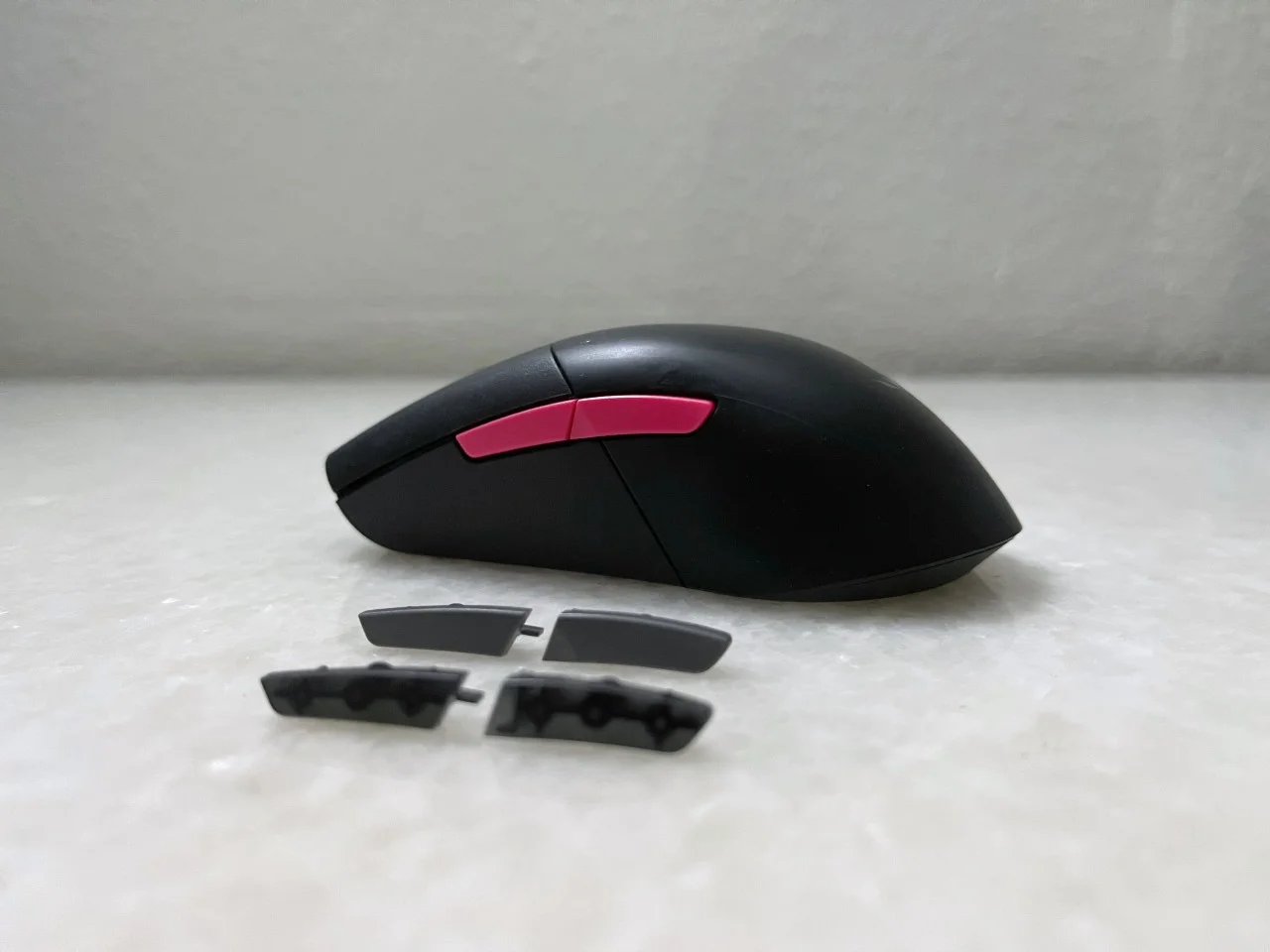
Hardware faults can cause incorrect mouse colors. A faulty sensor or damaged internal components may trigger color changes. Professionals can open the mouse to inspect and repair hardware parts safely. They may replace damaged circuits or sensors to restore correct color display. Attempting hardware repair without skills risks further damage. Seeking professional help ensures proper tools and expertise are used. This approach avoids voiding warranties and extends device life.
Credit: potions.sg
Frequently Asked Questions
Why Is My Display Pinkish?
A pinkish display often signals a loose or damaged video cable. Check and reseat cables, inspect for damage, or try a different cable or device.
How Do I Change The Mouse Cursor Color?
To change your mouse cursor color, open Settings, go to Accessibility or Ease of Access, then select Mouse pointer. Choose a preset color or click Custom to pick any color. Changes apply immediately.
How To Make The Mouse Pointer Pink?
Open Settings, go to Accessibility, then select Mouse pointer. Choose Custom color and pick pink from the color wheel. Apply changes to make your mouse pointer pink instantly.
How To Fix Laptop Screen Turning Pink?
Check and reconnect the display cable inside your laptop. Update or reinstall the graphics driver. Test with an external monitor to isolate the issue. Replace damaged cables or screen if needed.
Why Does My Mouse Color Turn Pink Instead Of Grey?
This happens due to color profile conflicts or software bugs affecting color display.
Can Display Settings Cause Mouse Color To Change Unexpectedly?
Yes, incorrect display or accessibility settings can alter mouse pointer colors.
How To Fix Mouse Color Turning Pink On Windows?
Check mouse settings in Accessibility, update drivers, or restart your computer.
Does Mouse Software Affect Pointer Color Accuracy?
Custom mouse software may override system colors causing unexpected pointer colors.
Is This Issue Common In Certain Windows Versions?
Some Windows updates have known bugs causing color display issues including this.
Can Graphics Drivers Cause Mouse Color Display Problems?
Outdated or corrupted graphics drivers can distort colors including mouse pointer color.
Conclusion
Setting your mouse color to grey but seeing pink can be confusing. This often happens due to system glitches or color profile issues. Checking your settings carefully helps fix the problem quickly. Try resetting the mouse pointer color or updating your graphics driver.
Simple steps like these usually solve the pink tint issue. Keep your device’s software up to date for smooth performance. Clear, correct colors make your screen easier to use. Stay patient and follow troubleshooting tips to get the right mouse color.