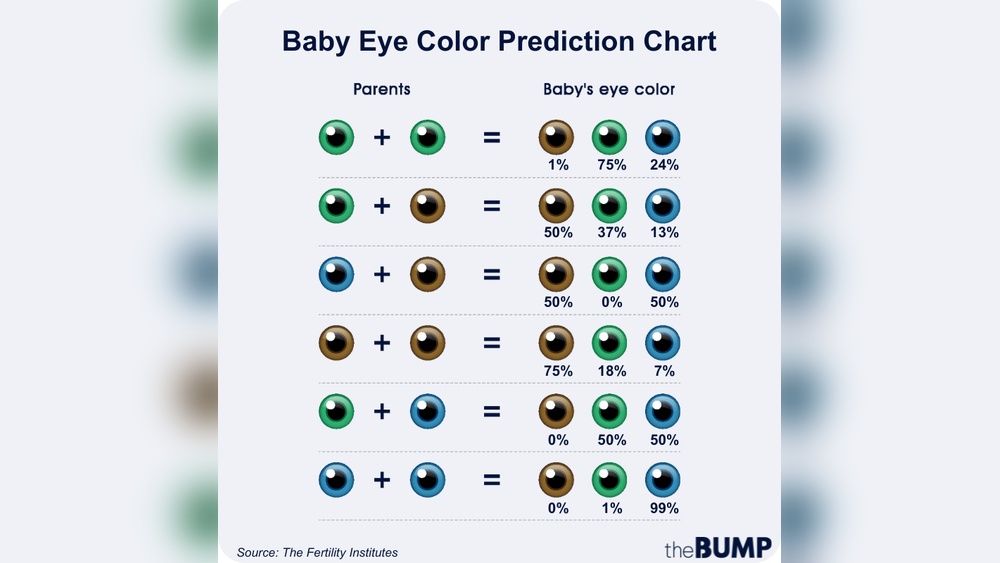
Have you ever wondered when your baby’s eye color will settle? It’s one of those little mysteries that keeps parents watching closely, day after day.
Right now, your newborn’s eyes might look blue or gray, but that’s often just the beginning. The real color is still on its way, slowly revealing itself as melanin—the natural pigment in the iris—builds up over time. Whether your baby’s eyes end up brown, green, hazel, or stay blue, understanding the process can help you feel more connected to these tiny changes.
Keep reading to discover what influences eye color, why it changes, and exactly when you can expect your baby’s true eye color to shine through.
Baby Eye Color At Birth
Babies are often born with light-colored eyes. Usually, these eyes look blue or gray. This happens because melanin, the pigment that colors eyes, is not fully developed yet. Babies grow in the dark womb, so their eyes start with less pigment.
After birth, exposure to light begins to change eye color. The cells in the iris produce more melanin. This process can take months or even years. The final eye color depends on how much melanin the iris makes.
Why Are Newborns’ Eyes Usually Blue Or Gray?
Melanin is the key to eye color. Newborns often have blue or gray eyes because melanin is low at birth. The iris has not yet produced enough pigment. This low melanin level makes eyes appear light.
How Melanin Affects Eye Color Development
Melanin is a natural pigment that gives color to eyes, skin, and hair. More melanin means darker eyes. Brown eyes have the highest melanin levels. Green or hazel eyes have a moderate amount. Blue eyes have the least melanin.
Common Baby Eye Colors At Birth
- Blue or Gray: Most common at birth due to low melanin.
- Brown: Darker eyes usually develop if melanin increases quickly.
- Green or Hazel: These colors appear if melanin grows moderately.
Genetic Influence On Eye Color
Genes control melanin production in the iris. Eye color is not simply dominant or recessive. Many genes work together to decide final color. This is why eye color can surprise parents.
How Long Until Eye Color Changes?
Eye color starts to change in the first few months. Most babies’ eyes settle by 6 to 12 months. Some babies take up to 3 years for their final color. The process is slow and gradual.
Role Of Melanin
Melanin plays a central role in the development of baby eye color. At birth, many babies have blue or gray eyes because melanin levels are low. Melanin is the pigment responsible for the color of eyes, skin, and hair. Over time, melanin production increases in the iris, which changes the baby’s eye color.
The amount and type of melanin in the iris determine the shade of the eyes. More melanin means darker eyes, such as brown, while less melanin results in lighter eyes, like blue or green. This process usually takes several months to a year after birth.
Melanin And Initial Eye Color
Most newborns have blue or gray eyes at first. This happens because melanin is not fully developed. Babies spend their time in the womb in darkness, so melanin production is minimal. The iris appears light-colored until melanin starts to build up.
How Melanin Changes Eye Color
After birth, exposure to light activates melanocytes. These special cells produce melanin in the iris. As melanin increases, the eye color darkens and changes from blue or gray to its permanent shade. This change can happen slowly over several months.
Melanin Amount And Eye Shades
- Brown eyes: High melanin levels create brown eyes, the most common color worldwide.
- Green or hazel eyes: Moderate melanin produces green or hazel eyes.
- Blue eyes: Low melanin results in blue or gray eyes.
Genetics And Melanin Production
Genes control how much melanin the iris produces. Eye color is not a simple trait. It depends on many genes working together. This is why babies’ eye colors can differ from their parents’ eye colors.
Eye color usually begins to change around 3 to 6 months of age. Melanin production increases gradually during this time. Most babies have their permanent eye color by 12 months. Some may continue to change up to 3 years old.
Common Eye Colors In Newborns
Newborn babies often show eye colors that differ from their permanent shade. Most babies start with light-colored eyes. This happens because melanin, the pigment in the iris, is not fully developed at birth.
Eye color changes as melanin builds up after birth. The amount of melanin decides how dark or light the eyes will be. This process can take months or even years.
Initial Blue Or Gray Eyes
Many babies are born with blue or gray eyes. This is common because their melanin levels are low. The womb is dark, so melanin production is minimal before birth.
Light eyes at birth do not mean the child will keep that color. Exposure to light after birth increases melanin production, changing the eye color gradually.
Brown Eyes
Brown eyes are the most common final color for babies. Brown-eye genes are dominant, causing more melanin to form in the iris. More melanin results in darker eyes.
Babies with brown eyes at birth often keep this color. Sometimes, their eyes start lighter and darken over time as melanin increases.
Green Or Hazel Eyes
Green or hazel eyes happen with a moderate amount of melanin. These colors are less common than brown or blue. The final shade depends on genetics and melanin levels.
Green and hazel eyes can appear as the baby grows. Their color may shift slightly during the first year.
Genetic Influence
Genes play a big role in eye color. Multiple genes work together to decide melanin production. Eye color is not simply dominant or recessive.
Sometimes, parents with brown eyes can have a blue-eyed baby, or vice versa. This happens because of complex genetic combinations.
Eye color usually starts to change around 3 to 6 months. The change continues slowly and may settle by 12 to 18 months. Some children’s eye color can take up to 3 years to fully develop.
The final eye color depends on how much melanin the iris produces over time. Early eye color is just the beginning.

Credit: kdfoundation.org
How Genetics Affect Eye Color
Eye color depends mostly on genetics. Genes control how much melanin is in the iris. Melanin is the pigment that gives color to eyes, hair, and skin.
Newborns often have blue or gray eyes at birth. Their melanin levels are low because they develop in the dark womb. After birth, melanin starts to increase with light exposure. This process changes their eye color over time.
Melanin And Eye Color
Melanin is the key to eye color changes. More melanin creates darker eyes. Less melanin results in lighter eyes. Brown eyes have the most melanin. Green or hazel eyes have a medium amount.
Brown Eyes And Dominant Genes
Brown eye genes are dominant. This means brown eyes are more common. If one parent has brown eyes, the baby has a high chance of brown eyes. Brown eyes come from high melanin production.
Green And Hazel Eyes
Green and hazel eyes have moderate melanin. These colors come from a mix of genes. The exact shade depends on how much melanin the iris produces. These colors are less common than brown.
Genetic Complexity
Eye color does not follow simple rules. Multiple genes interact to decide the final color. Babies can have eye colors different from their parents. This makes predicting eye color tricky.
When Does Eye Color Settle?
Eye color usually changes in the first year. Melanin builds up during this time. Some babies’ eyes change color for up to three years. After that, the color stays mostly the same.
Timeline For Eye Color Change
Babies often arrive with blue or gray eyes. This happens because melanin, the pigment in the iris, is low at birth. The eyes may change color as melanin increases after birth.
Melanin production begins after exposure to light outside the womb. This process decides the baby’s final eye color. The amount and type of melanin create various shades like brown, green, or hazel.
Initial Eye Color At Birth
Most newborns have light blue or gray eyes. The melanin in their irises has not yet developed fully. Their eyes appear this color because they spent months in the dark womb.
Melanin Production Begins
After birth, light stimulates cells called melanocytes. These cells start producing melanin in the iris. The more melanin produced, the darker the eye color becomes.
Gradual Eye Color Change
Eye color can change over the first 6 to 12 months. Some babies’ eyes shift color slowly. Others may show faster changes in the first few months.
Final Eye Color Stabilizes
By about one year, most babies have their permanent eye color. In some cases, subtle changes continue up to 3 years old. After this, eye color usually stays the same.
Genetic Influence On Eye Color
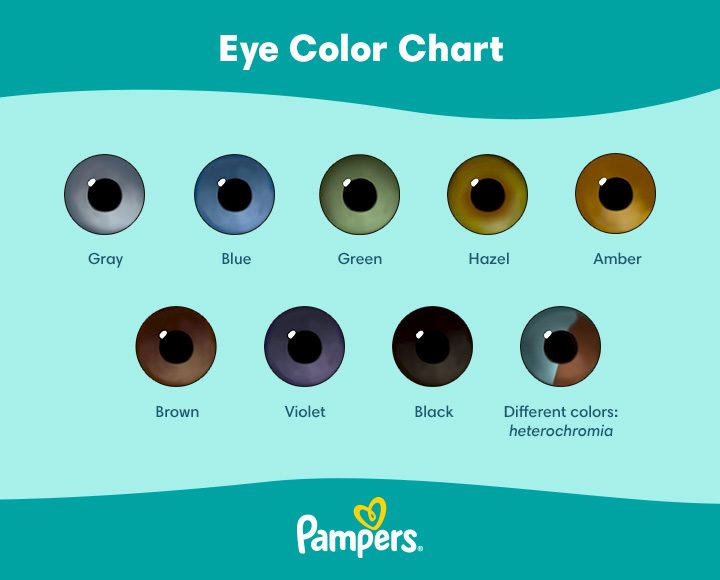
Genes control how much melanin the iris produces. Eye color is not just dominant or recessive traits. A mix of genes from both parents affects the final color.
Credit: www.pampers.com
Factors Influencing Eye Color Development
Babies’ eye colors change due to several important factors. These factors affect how much pigment, called melanin, forms in the iris.
At birth, many babies have blue or gray eyes. This is because melanin is not yet fully produced. Over time, melanin increases and changes the eye color.
Melanin Production
Melanin controls the darkness of the eyes. More melanin means darker eyes like brown. Less melanin results in lighter colors such as blue or green.
Melanin begins to develop after birth when babies are exposed to light. Melanocytes in the iris create melanin slowly, causing gradual eye color change.
Genetic Influence
Genes play a major role in eye color. They control how much melanin the iris makes. Eye color is not set by a single gene but by many working together.
Parents’ eye colors can give clues, but the baby’s eye color may still surprise you. This is because gene combinations vary greatly.
Timing Of Eye Color Change
Eye color usually starts to change within the first six months. Some babies’ eyes settle by one year old. Others may take up to three years for final color.
The change is slow and steady. Keep in mind that each baby is unique, so the timeline can differ widely.
Environmental Factors
Light exposure affects melanin production. Babies in brighter environments may develop darker eyes faster. Less light can slow down melanin development.
Nutrition and health also impact eye development. Healthy babies tend to have normal melanin growth and typical eye color changes.
When Eye Color Stabilizes
Baby eye color changes during the first year. The final color does not appear right away. Most babies are born with blue or gray eyes.
This happens because melanin, the pigment in the iris, is still developing. Melanin is the main factor in eye color. More melanin means darker eyes.
Eye color usually stabilizes between 6 and 12 months of age. Some babies may take up to 18 months for their eye color to settle. After this time, changes are rare and very subtle.
How Melanin Affects Eye Color
Melanin controls the shade of the iris. Babies start with low melanin levels, causing lighter eyes. As they grow, melanin increases, and eye color darkens. Brown eyes have the highest melanin. Green and hazel eyes have moderate levels.
Genetics And Eye Color Stability
Genes decide how much melanin the eyes will produce. Eye color is not a simple dominant or recessive trait. Multiple genes work together to set the final color. Sometimes, eye color differs from parents’ eyes due to this complex genetic mix.
Signs Eye Color Has Settled
The eye color looks consistent over several months. There are no visible changes in shade or brightness. The iris pattern and color look the same in different lighting. At this stage, eye color is stable and likely permanent.
Variations In Eye Color Changes
Baby eye color can change over time. These changes vary widely among infants. Understanding these variations helps parents know what to expect. Eye color change depends on melanin, genetics, and timing.
Newborns often have blue or gray eyes. This happens because melanin is low at birth. Melanin is the pigment that gives color to the iris. As melanin increases, eye color usually darkens.
Melanin And Initial Eye Color
Most babies start with light-colored eyes. Blue or gray shades are common at birth. The womb’s darkness limits melanin development. Once exposed to light, melanocytes begin producing melanin. This process causes the eye color to change gradually.
Brown Eyes And Melanin Levels
Brown eyes are the most common final color. They appear when melanin production is high. Brown-eye genes are dominant in genetics. More melanin means darker eye color. Babies with brown eyes often start with lighter shades that deepen over time.
Green And Hazel Eyes
Green or hazel eyes result from moderate melanin amounts. These colors sit between blue and brown. Melanin production is enough to add color but not too much to make eyes fully brown. These eye colors may continue to shift for months.
Genetic Influence On Eye Color
Genes control how much melanin the iris produces. Eye color depends on a combination of genes. It is not just about parents’ eye colors. Sometimes, babies have unexpected eye colors. This genetic mix causes wide variation in eye color changes.
Timeline Of Eye Color Changes
Eye color usually begins changing at about six months. Changes can continue up to 12 months or longer. Some babies’ eye colors settle quickly. Others may take two years or more to reach their final shade. Patience is key during this process.
Impact Of Environment And Light
Light exposure after birth helps melanin develop in a baby’s eyes, gradually changing their color. A darker environment may slow this process, while more light encourages melanin production. Eye color usually settles as melanin levels stabilize over several months.
Light and environment play important roles in the change of baby eye color.
Babies usually have blue or gray eyes at birth. Their melanin levels are low because they developed in darkness inside the womb.
After birth, exposure to light activates special cells called melanocytes. These cells create melanin, which darkens the iris over time.
The amount of melanin produced depends on how much light the baby’s eyes receive. More light can encourage more melanin.
How Light Affects Melanin Production
Light triggers melanocytes to produce melanin in the iris.
When a baby spends time in natural light, melanin increases gradually.
This process causes eye color to shift from light blue or gray to darker shades like brown or green.
Indoor lighting may slow melanin production compared to sunlight.
Environment’s Role In Eye Color Development
Environmental factors like climate and sunlight exposure influence eye color changes.
Babies living in sunnier areas may develop darker eyes faster.
Less light exposure can delay the darkening of eye color.
Environment works together with genetics to shape the final eye color.

Credit: community.babycenter.com
Tips For Parents Monitoring Eye Color
Monitoring your baby’s eye color can be a fascinating experience. Eye color may shift during the first year as melanin develops in the iris. Parents often wonder how to observe these changes and what to expect. Careful observation helps understand your baby’s unique development.
Here are some useful tips for parents to track and appreciate their baby’s eye color journey.
Observe Eye Color In Natural Light
Check your baby’s eyes in natural daylight. Artificial lighting can change how colors appear. Morning or afternoon sunlight works best. Look at both eyes carefully to spot subtle differences.
Take Photos Regularly
Snap pictures every few weeks to document changes. Use the same lighting and angle for consistency. Comparing photos over time shows gradual shifts in color clearly. This method also creates a keepsake of your baby’s growth.
Avoid Direct Bright Light
Bright light can make pupils shrink, changing eye color appearance. Avoid shining flashlights or camera flashes directly into your baby’s eyes. Gentle lighting keeps the true color visible without discomfort.
Note The Time Frame Of Changes
Eye color usually starts changing between 3 and 6 months. Most babies’ final eye color appears by 12 months. Some changes may continue up to 18 months. Patience is important during this natural process.
Understand Genetics Influence
Eye color depends on several genes from both parents. Predicting exact color can be tricky. Blue, green, hazel, or brown may develop depending on melanin levels. Genetics plays a big role but surprises can happen.
Consult A Pediatrician If Concerned
If one eye changes color differently or suddenly, mention it to your doctor. Rare conditions can affect eye color or vision. Early check-ups ensure your baby’s eyes are healthy and developing normally.
Frequently Asked Questions
What Color Will Grey Baby Eyes Turn?
Grey baby eyes usually darken as melanin develops. They often turn brown, green, or hazel, depending on genetics.
When Do Babies’ Eye Colors Usually Start To Change?
Babies’ eye colors often begin changing between 6 and 12 months of age.
Why Are Most Newborns’ Eyes Blue Or Gray Initially?
Newborns have low melanin in their irises, causing blue or gray eye colors.
How Long Does It Take For A Baby’s Eye Color To Settle?
Eye color typically settles by 12 to 18 months, but sometimes takes longer.
Can A Baby’s Eye Color Change After One Year?
Yes, some babies’ eye colors continue to change up to 3 years old.
What Role Does Melanin Play In Baby Eye Color?
Melanin controls eye color; more melanin means darker eyes like brown or hazel.
Why Do Brown Eyes Appear More Often In Babies?
Brown-eye genes are dominant, leading to more melanin and darker eye colors.
Can Genetics Predict My Baby’s Eye Color Accurately?
Genetics gives clues, but exact eye color can’t always be predicted from parents.
When Do Green Or Hazel Baby Eyes Develop?
Green or hazel eyes appear when moderate melanin is produced after birth.
Do Environmental Factors Affect A Baby’s Eye Color?
Light exposure after birth helps melanin production but doesn’t change genetics.
Conclusion
Baby eye color usually starts to change around six months. The color can keep shifting until the child is about one year old. Melanin levels in the iris increase over time, making eyes darker or more defined. Genetics play a big role in the final eye color but are not always predictable.
Many babies begin with blue or gray eyes due to low melanin at birth. Watching your baby’s eye color develop is a slow, natural process. Patience is key—each child’s eyes change in their own time.