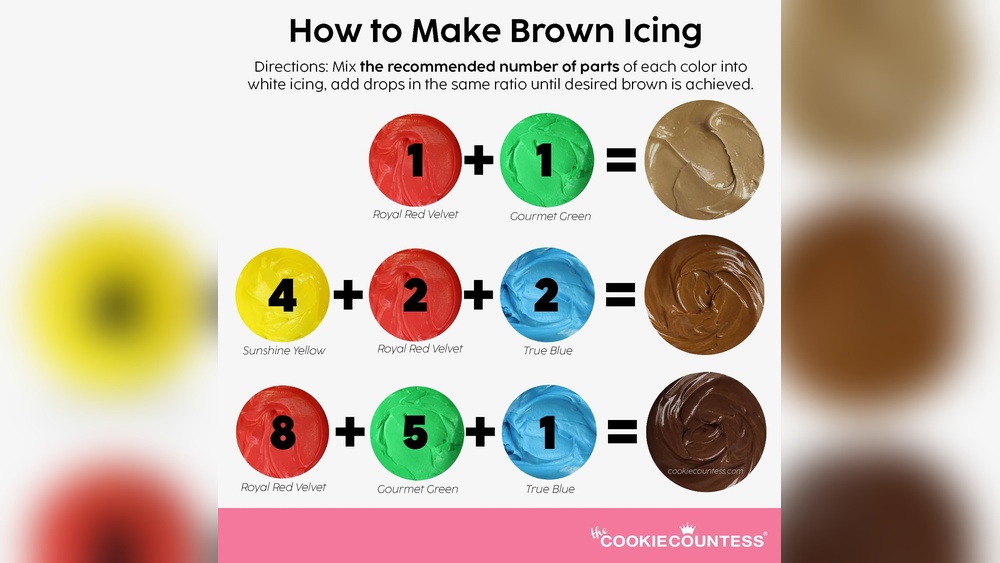
Are you wondering how to make brown with food coloring for your next baking or craft project? Brown isn’t one of the basic food coloring shades you find in a box, but creating it yourself is easier than you might think.
By mixing just a few simple colors, you can unlock a range of rich browns—from warm caramel tones to deep chocolate hues. Whether you want to color frosting, dough, or any edible creation, mastering this skill lets you customize your colors perfectly.
Keep reading to discover straightforward tips and tricks that will help you mix the perfect brown every time—no guesswork needed!
Basic Colors For Brown
Creating the perfect brown color with food coloring starts with understanding the basic colors. Brown is not a primary color but a mix of several colors. Knowing which colors to combine helps you get the right shade every time. This section explains the essential colors needed to make brown.
Red And Green
Mixing red and green food coloring is a quick way to make brown. Red provides warmth, while green cools the mix. Start with equal parts, then adjust to darken or lighten the brown. This method works well for a natural brown tone.
Red, Yellow, And Blue
Combine the three primary colors—red, yellow, and blue—to create brown. Red and yellow make orange, and adding blue turns it into brown. Adjust the amounts to get darker or lighter shades. This mix offers more control over the final brown color.
Orange Base With Blue
Create an orange base by mixing red and yellow first. Then add a small amount of blue to turn the orange into brown. This method allows gradual changes and helps avoid too dark or too dull brown. It’s a simple way to make a warm brown color.
Mixing Red And Green
Mix red and green food coloring in equal parts to create brown. Adjust the amounts slightly to get the shade you want. Starting with an orange base and adding a bit of blue also works well to make brown.
Mixing red and green food coloring creates brown. This method uses two colors that combine to form a rich brown shade. It is simple and effective for many baking and decorating needs.
Start by adding equal parts of red and green food coloring. Mix them thoroughly to see the initial brown tone. The color may look different depending on the shade of red and green used.
Adjusting The Shade
To get a darker brown, add more green. For a warmer brown, add extra red. Add the colors gradually to avoid making the mix too dark or too bright.
Test the color on a small amount of frosting or dough. This helps to see the true color after mixing. Adjust the amounts as needed for the perfect brown.
Tips For Best Results
Use gel or paste food coloring for stronger color. Liquid colors may require more product and can change texture. Stir well to blend colors evenly.
Remember that colors deepen as they sit. Wait a few minutes before deciding if the brown is right. Mix slowly to avoid wasting food coloring.
Using Primary Colors
Using primary colors is a basic and effective way to create brown with food coloring. Primary colors include red, yellow, and blue. By mixing these in the right amounts, you can make various shades of brown. This method is simple and uses colors everyone has at home.
Start With Equal Parts Of Red, Yellow, And Blue
Begin by placing equal drops of red, yellow, and blue food coloring on a palette or plate. Mix them thoroughly using a toothpick or small spoon. This will create a dark brown color. Adjust the amounts if the color looks too bright or dull.
Adjust The Shade By Adding More Yellow Or Blue
Add more yellow to make the brown warmer and lighter. Add more blue to create a cooler, deeper brown. Mix slowly and check the color often. Small changes can make a big difference in the final shade.
Use Red To Warm Up The Brown Tone
Adding a little extra red makes the brown richer and more vibrant. Be careful not to add too much, as red can overpower the other colors. Mix well and test the color on a white surface to see the true shade.
Mixing Tips For Consistent Brown Color
Always start with small amounts of color. You can add more, but you cannot remove excess color once mixed. Use a white bowl or plate to see the color clearly. Stir gently for an even mix without bubbles.
Creating Orange Base
Creating an orange base is the first step to making brown with food coloring. Orange acts as a warm foundation for the final brown shade. It balances the colors and helps control the tone of brown. You can easily create orange by mixing red and yellow food coloring.
Start with equal parts of red and yellow. This mix creates a bright orange color. Adjust the ratio slightly if you want a deeper or lighter orange. A little more red will give a richer orange. More yellow will make the orange brighter and lighter.
Once you have the perfect orange, you are ready to add blue. Blue is the key to turning orange into brown. Adding blue will darken the orange and neutralize its brightness.
Choosing The Right Red And Yellow Shades
Use vibrant red and yellow colors for a strong orange base. Avoid pale or pastel shades. They can make the final brown dull or weak. Gel or paste food coloring works best. These types give richer colors than liquid ones.
Mixing Red And Yellow To Get Orange
Start with equal drops of red and yellow. Stir well to blend the colors. Check the shade of orange. Add more red or yellow if needed. Mix slowly to control the color depth. Use a clean spoon or toothpick for mixing.
Adjusting Orange For Desired Brown Tone
The shade of orange affects the brown you get later. A darker orange makes a deeper brown. A lighter orange results in a softer brown. Test small amounts of orange before moving on. This saves food coloring and gives better control.
Adding Blue For Depth
Adding blue to brown food coloring can create a richer, deeper shade. Blue acts as a cool tone that balances the warm colors in brown. It helps to avoid dullness and makes the brown look more natural and vibrant.
Start with a mixture of red and yellow to make orange. Then, add a little blue slowly to this mix. The blue will darken the color and give it more depth. Use small amounts of blue at a time. Too much blue can turn the color gray or muddy.
This technique works well for icing, cake decorations, and other food crafts. It allows you to control the shade of brown easily. Experiment with different amounts to find the perfect brown for your project.
How Blue Changes The Brown Shade
Blue cools down the warm tones of red and yellow. It creates a more balanced brown. Without blue, brown may look flat or too bright. Adding blue gives a subtle shadow effect, making brown appear richer.
Steps To Add Blue For Depth
Mix red and yellow to make orange first. Add blue drop by drop to the orange mix. Stir well after each drop. Watch the color change carefully. Stop adding blue when the brown looks right to you.
Tips For Using Blue Food Coloring
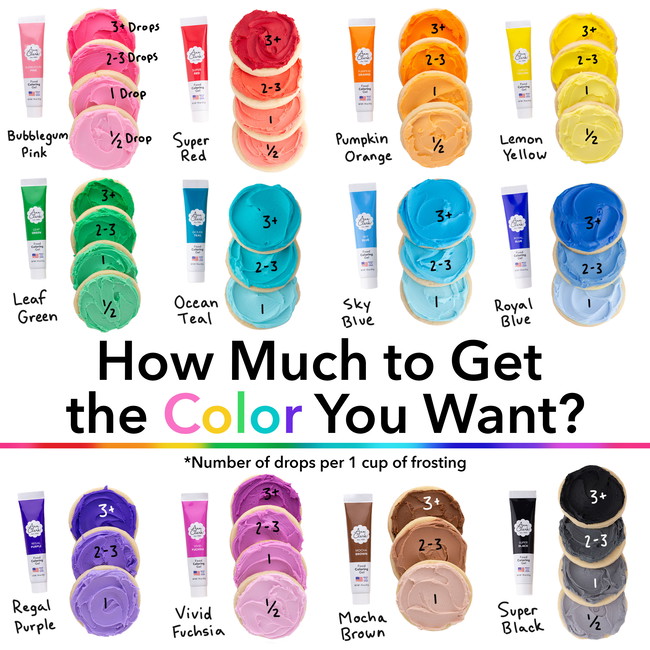
Choose a strong blue food coloring for better results. Gel or paste forms work best. Liquid blue may need more drops and take longer to show effect. Always add blue slowly to avoid over-darkening.
Credit: www.annclark.com
Adjusting Shades Of Brown
Adjusting shades of brown with food coloring allows you to create the perfect color for your recipes. Brown comes in many tones, from light tan to deep chocolate. Slight changes in the mix can change the shade dramatically. Understanding how to tweak the colors helps you get the exact brown you want.
Adding More Red For Warm Brown
To create a warm brown, increase the amount of red. Red brings warmth and richness to the color. Start with equal parts red and green, then add small drops of red. Mix well and check the color. Keep adding red until you get a warm brown tone.
Using Blue To Darken Brown
Blue helps darken brown and adds depth. Add blue slowly because it is strong and can turn the color too dark. Begin with a little blue, mix, then add more if needed. This method works best after creating a base brown with red and yellow or red and green.
Lightening Brown With Yellow Or White
To lighten brown, add yellow or white food coloring. Yellow gives a golden tint, making the brown brighter. White softens the brown without changing its tone. Add these colors in tiny amounts and stir well. Adjust until the brown shade looks lighter but still natural.
Balancing Shades By Mixing Primary Colors
Brown can be made by mixing red, yellow, and blue. Change the shade by adjusting each color slightly. More red makes it warmer, more blue darkens it, and more yellow lightens or brightens it. Experiment with small amounts until you find the right balance for your shade.
Using Opposite Colors
Using opposite colors is a simple and effective way to create brown with food coloring. This technique relies on mixing colors that sit opposite each other on the color wheel. When combined, these opposite colors cancel each other out, resulting in a rich brown shade. It is a great method for beginners and offers control over the shade of brown you want.
What Are Opposite Colors?
Opposite colors, also called complementary colors, are pairs that contrast strongly. Examples include red and green, blue and orange, and yellow and purple. These pairs create brown when mixed in the right proportions. Using these pairs can help you achieve a natural brown tone.
Mixing Red And Green Food Coloring
Start with equal parts of red and green food coloring. Mix them thoroughly on a palette or in a small bowl. Adjust the amount of each color to get the brown shade you want. More red gives a warmer brown, while more green cools it down.
Using Blue And Orange For Brown
Combine blue and orange food coloring to make brown. Begin with a base of orange, made from red and yellow. Add blue slowly until the color shifts to brown. This mix often creates a deep, earthy brown perfect for many recipes.
Adjusting Yellow And Purple For Different Browns
Mix yellow and purple in small amounts to form brown. Purple is made by mixing red and blue. Adding yellow to purple dulls the color, turning it brown. Change the ratio to lighten or darken your brown as needed.

Credit: smart.dhgate.com
Avoiding Common Mistakes
Making brown with food coloring can be tricky. Many beginners face common problems that ruin the color. Avoiding these mistakes saves time and ingredients. Here are some simple tips to keep your brown color perfect.
Use The Right Color Ratios
Mixing too much of one color can create a muddy shade. Start with small amounts of red, yellow, and blue. Gradually add colors until the brown looks natural. Keep track of your ratios for future use.
Avoid Overmixing Colors
Stirring too long can dull the color. Mix just enough to blend the colors evenly. Overmixing may cause the brown to turn gray or black. Stop mixing as soon as you get the shade you want.
Choose Quality Food Coloring
Cheap food coloring often has weak pigments. Use gel or paste colors for richer tones. Liquid colors may dilute your mixture and change texture. Good quality colors give better and more consistent results.
Test Colors Before Final Use
Always test your color on a small sample. The color may look different once it dries. Adjust your mix if the brown is too light or too dark. Testing helps avoid surprises on your final product.
Work In Good Lighting
Colors appear different under poor lighting. Use natural or bright white light while mixing. This ensures the brown shade is accurate. Avoid yellow or dim lighting that can mislead your eyes.
Natural Brown Alternatives
Natural brown alternatives offer a safe and simple way to color food. These options use ingredients you can find in your kitchen. They create rich brown hues without artificial dyes.
Using natural colors can enhance flavor and nutrition. They are perfect for homemade recipes and for those seeking natural ingredients.
Using Cocoa Powder
Cocoa powder is a popular natural brown colorant. It adds a deep brown shade and a chocolate flavor. Mix it with a little water to make a smooth paste. Add this paste to your recipe for a natural brown tint.
Brewing Strong Tea
Strong black tea creates a soft brown color. Brew the tea extra strong by using more tea leaves. Cool the tea before adding it to your food or icing. This method works well for beverages and desserts.
Using Coffee Extract
Coffee extract gives a dark brown color and a rich taste. Brew a small amount of strong coffee. Let it cool and add a few drops to your mixture. Adjust the amount for the shade you want.
Caramel Coloring
Caramel coloring is made by heating sugar until it browns. It produces a dark brown liquid that can color many foods. Use sparingly, as it has a strong taste. It works well in sauces and baked goods.
Beet Juice With A Touch Of Blue
Beet juice gives a red tint. Mixing it with a small amount of blue natural dye, like butterfly pea flower tea, creates brown. This mix is subtle and natural. Perfect for gentle brown shades in frosting or dough.
Tips For Perfect Brown Icing
Creating the perfect brown icing with food coloring can be simple with the right approach. Brown shades vary, so precise color mixing is key. Small changes in color can make a big difference.
Follow these practical tips to get a rich and even brown icing every time. These tips help control color depth and keep the texture smooth.
Use Gel Or Paste Food Coloring
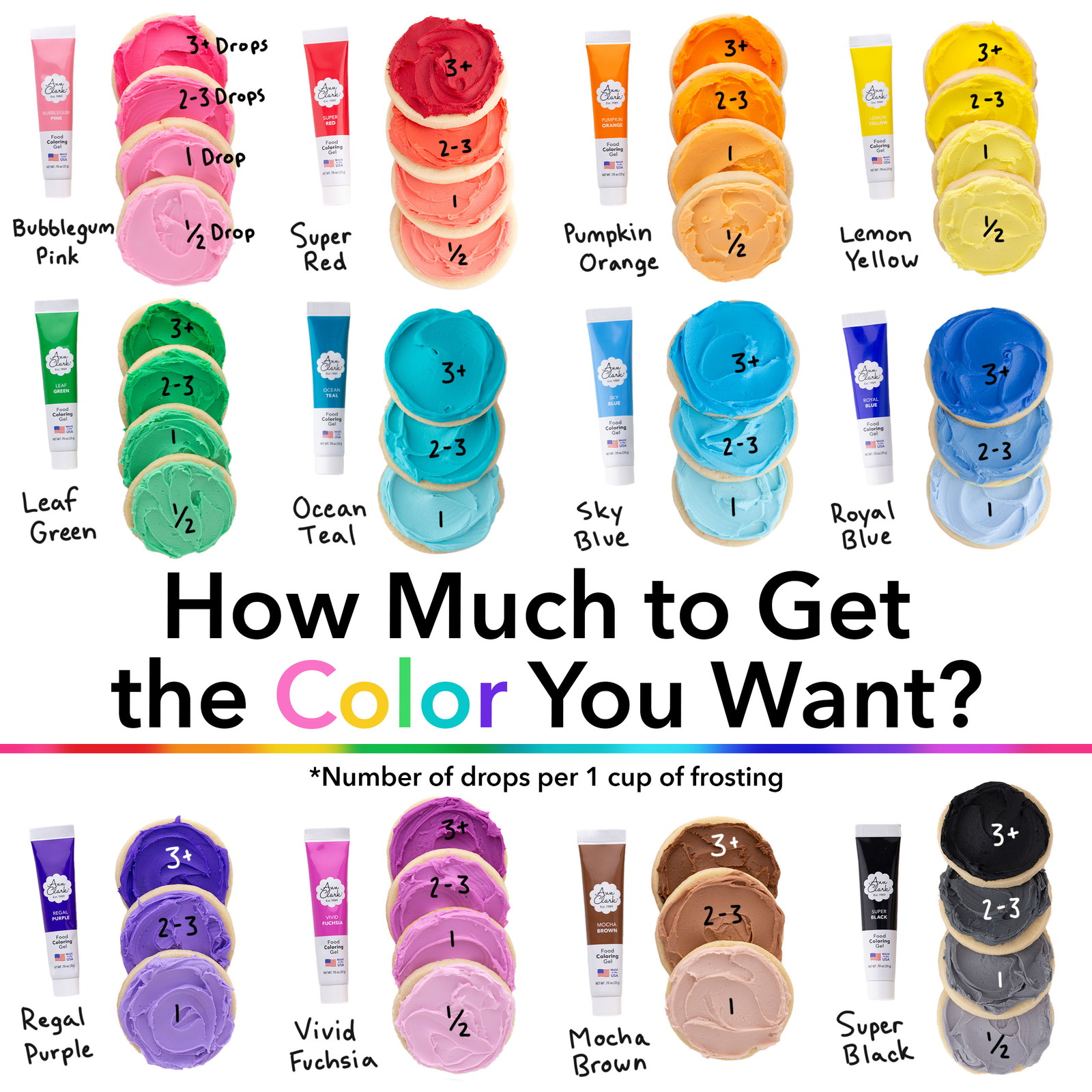
Gel or paste food coloring works best for brown icing. These types have strong pigments. They add color without thinning the icing. Liquid food coloring may make your icing too runny.
Start With A Base Of Orange
Begin by mixing red and yellow to create orange. This gives a warm base for brown. Add small drops of blue to change orange into brown. Adjust the blue slowly to avoid a gray or dull shade.
Add Colors Gradually
Put colors in small amounts at a time. Stir well after each addition. This helps you see the true color. It also prevents adding too much of one color.
Mix Thoroughly For Even Color
Mix the icing well to blend colors evenly. Uneven mixing can cause streaks. Use a spoon or spatula to fold the icing until smooth and uniform.
Test Color Before Full Mixing
Check the color on a small amount first. Let it sit for a few minutes. Colors can darken or change slightly as they rest. Adjust colors if needed before coloring all icing.
Balance Color And Flavor
Be aware that some food colorings may affect taste. Use quality colors with mild flavors. Keep color amounts minimal to avoid altering the icing flavor.
Credit: www.annclark.com
Frequently Asked Questions
What Colors Of Food Coloring Make Brown?
Mix red and green food coloring equally to make brown. Alternatively, blend red, yellow, and blue for various brown shades. Start with orange (red + yellow), then add blue to darken the brown. Adjust colors to achieve the desired tone.
What Two Colors Make Brown?
Mix red and green to make brown. Alternatively, combine the three primary colors—red, yellow, and blue—for brown shades.
How Do I Darken Food Coloring To Make Brown?
Darken food coloring to make brown by mixing red and green in equal parts. Add blue for cooler, darker shades. Start with orange (red + yellow), then slowly add blue until brown forms. Adjust colors to achieve the perfect brown tone.
Can I Mix All Food Coloring To Make Brown?
You can mix red and green or combine red, yellow, and blue food coloring to make brown. Adjust proportions for shade variations. Adding a little blue to orange also creates brown. Avoid mixing all colors randomly, as it may result in muddy or uneven brown tones.
What Colors Make Brown With Food Coloring?
Mix red and green, or combine red, yellow, and blue to make brown.
How Do I Mix Food Coloring To Get Brown?
Start with orange (red + yellow), then add blue gradually to get brown.
Can I Make Different Shades Of Brown With Food Coloring?
Yes, adjust the amount of blue or red to create lighter or darker browns.
Is It Better To Use Gel Or Liquid Food Coloring For Brown?
Gel food coloring gives richer, more vibrant brown colors than liquid ones.
How Much Blue Should I Add To Orange To Get Brown?
Add blue drop by drop until the orange changes to a brown tone.
Can I Use Only Two Colors To Make Brown Food Coloring?
Yes, mixing red and green alone can produce a good brown color.
Conclusion
Making brown with food coloring is easy and fun. Start by mixing red and green in equal parts. Add a little blue for a darker shade. Using primary colors—red, yellow, and blue—also works well. Adjust the amounts to get the exact brown tone you want.
Practice a few times to see what looks best. This simple method helps you create natural-looking brown for cakes, crafts, and more. Try it today and enjoy the creative process!