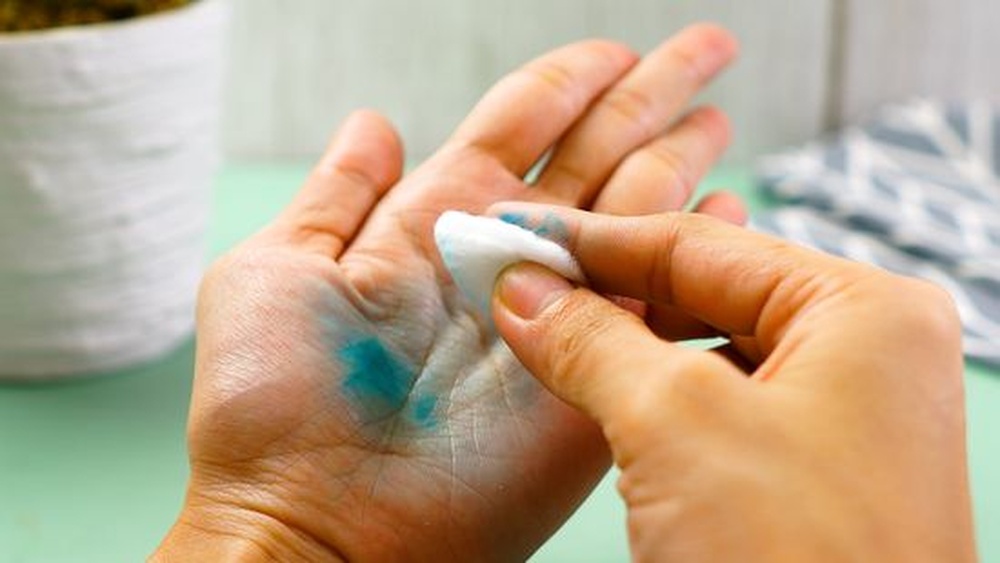
Have you ever ended up with stubborn food coloring stains on your skin and wondered how to get rid of them quickly? Whether you’ve been baking with kids, decorating cakes, or just experimenting with vibrant colors, those bright stains can be tough to remove and frustrating to deal with.
But don’t worry—you’re not stuck with colorful hands or arms all day! You’ll discover simple, effective ways to wipe away food coloring from your skin using common household items. These easy tricks will save you time and keep your skin healthy, so you can get back to enjoying your colorful creations without the mess.
Keep reading to find the best methods tailored for your skin type and the supplies you have at home!

Credit: www.wikihow.com
Common Stains And Challenges
Food coloring stains on skin can be stubborn and tricky to remove. They vary in color intensity and how deeply they soak into the skin. Some colors leave a faint tint, while others create bold, hard-to-remove marks.
Different types of food coloring pose different challenges. Liquid dyes often spread quickly and stain larger areas. Gel-based colors may cling more tightly to the skin. Powdered colors can dust off but still leave residues.
Bright And Dark Colors
Bright colors like red, blue, and green often cause the toughest stains. They contain strong pigments that stick well to skin. Dark colors like purple or black can also leave lasting marks. These require more effort and repeated cleaning.
Stains On Sensitive Skin
Some skin types react differently to cleaning methods. Sensitive skin may get irritated by harsh chemicals. Removing food coloring gently without causing redness or dryness is important. Natural oils or mild soaps work best here.
Stains Around Nails And Cuticles
Food coloring often settles around nails and cuticles. These areas are harder to clean due to texture and small crevices. Stains can linger longer in these spots. Careful scrubbing and oil treatments help loosen the dye.
Dry Or Cracked Skin
Dry skin absorbs food coloring more deeply. Cracks or flakes trap color and make removal tough. Moisturizing before cleaning helps loosen stains. Avoid harsh scrubbing that worsens skin damage.
Using Rubbing Alcohol
Using rubbing alcohol is a simple and effective way to remove food coloring from your skin. It breaks down the dye quickly and helps lift the stain off. This method works well for most skin types but can dry out sensitive skin, so use it carefully.
Rubbing alcohol is easy to find in most homes or pharmacies. It evaporates fast and does not leave a sticky residue. Always follow up with soap and water to clean your skin thoroughly.
What You Need To Remove Food Coloring With Rubbing Alcohol
Gather rubbing alcohol, cotton balls or a soft cloth, and mild soap. Make sure your skin is dry before starting. Keep a towel nearby for drying after washing.
Steps To Use Rubbing Alcohol On Skin Stained By Food Coloring
First, pour a small amount of rubbing alcohol on a cotton ball or cloth. Gently rub the stained area in a circular motion. Avoid harsh scrubbing to prevent skin irritation.
Continue rubbing until the color starts to fade. If needed, use fresh cotton balls with more rubbing alcohol. Once the stain is gone or nearly gone, rinse your skin with warm water.
Aftercare Tips For Skin Treated With Rubbing Alcohol
Wash the area with mild soap and warm water. This removes any leftover rubbing alcohol and food coloring. Pat your skin dry gently with a towel.
Apply a moisturizer to prevent dryness. Rubbing alcohol can strip natural oils, so moisturizing keeps skin soft and healthy.
Applying Baby Oil
Applying baby oil is a gentle and effective way to remove food coloring from skin. It works by breaking down the dye without harsh scrubbing. This method suits sensitive skin well and leaves the skin soft.
How To Apply Baby Oil On Stained Skin
Start by pouring a small amount of baby oil onto a cotton ball or soft cloth. Gently rub the oil onto the stained area in circular motions. Allow the oil to sit for a few minutes to loosen the color.
Washing Off The Baby Oil
After the oil has soaked in, wash the area with warm water and mild soap. This step removes the oil along with the food coloring. Repeat if any stain remains, but avoid harsh scrubbing to protect your skin.
Why Baby Oil Works Well
Baby oil breaks down the food coloring because it is oil-based. It lifts the dye from the skin without causing irritation. Plus, it moisturizes the skin, preventing dryness after cleaning.
Toothpaste As A Stain Remover
Toothpaste works well to remove food coloring stains from skin. It contains mild abrasives and cleaning agents that help lift color off gently. Using toothpaste is simple and effective, making it a popular home remedy.
Apply a small amount of toothpaste to the stained skin area. Rub it gently in circular motions with your finger or a soft cloth. The mild abrasives in toothpaste break down the dye particles on your skin.
After rubbing for about one minute, rinse the area with warm water. You may need to repeat the process if the stain is stubborn. Toothpaste also helps remove any oily residue from the coloring.
Choosing The Right Toothpaste
Use a white, non-gel toothpaste for best results. Toothpaste with baking soda works especially well because it enhances the scrubbing power. Avoid colored or gel toothpastes as they may add more stains.
How To Apply Toothpaste Safely
Apply a pea-sized amount of toothpaste to the stain. Rub gently without pressing too hard to avoid skin irritation. Rinse thoroughly after cleaning to remove all toothpaste residue.
When To Avoid Toothpaste
Do not use toothpaste on broken or sensitive skin. It may cause discomfort or redness. For sensitive skin, try baby oil or a mild soap instead to avoid irritation.
Baking Soda Paste Method
The baking soda paste method is a simple and effective way to remove food coloring from skin. It uses common household ingredients that are gentle yet work well to lift stains. This method is suitable for all skin types, including sensitive skin.
Baking soda acts as a mild abrasive, helping to scrub away the color without irritating the skin. Mixing it with water creates a paste that is easy to apply and rinse off. This natural approach avoids harsh chemicals and is safe for kids too.
How To Make Baking Soda Paste
Start with two tablespoons of baking soda in a small bowl. Slowly add one tablespoon of water. Stir the mixture well until it forms a thick paste. Adjust the water or baking soda to get the right consistency—spreadable but not too runny.
Applying The Paste To Skin
Use your fingers or a cotton ball to apply the paste directly onto the stained area. Gently rub the paste in circular motions. Avoid scrubbing too hard to protect your skin. Let the paste sit for one to two minutes for better stain removal.
Rinsing Off And Aftercare
Rinse your skin with warm water to remove the paste and loosened color. Use a soft cloth if needed to wipe away any residue. Pat your skin dry with a towel. Moisturize afterward to keep your skin soft and hydrated.
Credit: jacofallthings.com
Lemon Juice And Salt Paste
Lemon juice and salt paste is a natural and simple way to remove food coloring from the skin. This mixture uses the natural bleaching effect of lemon and the gentle scrubbing power of salt. Together, they help lift the food dye from your skin without harsh chemicals.
The acid in lemon juice breaks down the color pigments. Salt acts as a mild scrub that removes the loosened dye. This paste is safe for most skin types but avoid using it on cuts or irritated skin. It works best on fresh stains and can be repeated if needed.
How To Make Lemon Juice And Salt Paste
Squeeze fresh lemon juice into a small bowl. Add a pinch of salt and mix well. The paste should be thick enough to stick to your skin without dripping. Use fresh lemon juice for the best results.
Applying The Paste To Stained Skin
Spread the lemon and salt paste over the stained area. Gently rub in circular motions for one to two minutes. Avoid scrubbing too hard to prevent skin irritation. Let the paste sit on your skin for a few minutes after rubbing.
Rinsing And Aftercare
Wash the paste off with warm water and mild soap. Pat your skin dry with a clean towel. Moisturize the area afterward to keep your skin soft. Repeat the process if some color remains on your skin.
Laundry Detergent For Tough Stains
Laundry detergent is a strong helper to remove food coloring stains on skin. It works well on tough and stubborn spots. The detergent breaks down the color molecules, making them easier to wash away.
This method is simple and can be done at home with common supplies. Use mild detergent to avoid skin irritation. It cleans deeply without harsh scrubbing.
Laundry Detergent Preparation
Mix a small amount of liquid laundry detergent with water. Create a gentle solution that can be safely applied to skin. Avoid using too much detergent to protect your skin’s natural oils.
Applying Detergent To The Stain
Dip a clean cloth or cotton ball into the detergent solution. Gently rub the stained area in small circles. The detergent will start to lift the food coloring from the skin.
Rinsing And Moisturizing
Rinse the skin with warm water after rubbing. Check if the stain is gone. Repeat the process if needed. Apply moisturizer to keep skin soft and hydrated after cleaning.

Credit: www.youtube.com
Other Household Removers
Food coloring stains on skin can be tricky to remove. Many household items work well as gentle removers. These common products are easy to find and safe for most skin types. Using them can help clear stains without harsh chemicals.
Shaving Cream
Shaving cream can lift food coloring from the skin. Apply a small amount to the stained area. Rub gently with your fingers in a circular motion. Leave it for a minute to work. Rinse off with warm water. Repeat if needed until the color fades.
Dish Soap
Dish soap cuts through oily food coloring stains. Wet your hands with warm water first. Add a drop of dish soap and rub it over the stain. Scrub gently with a soft cloth or your fingers. Rinse thoroughly and dry. This method is quick and effective for fresh stains.
Vinegar
Vinegar’s mild acid helps break down food coloring. Dab white vinegar on the stain with a cotton ball. Let it sit for 2 to 3 minutes. Gently rub the area to lift the color. Wash your skin with soap and water afterward. Vinegar is a natural option that works well.
Makeup Remover
Makeup remover works on stubborn food coloring stains. Use a cotton pad soaked with remover and press it on the stain. Rub lightly in small circles. Most removers dissolve dyes and oils effectively. Afterward, wash your skin with water to remove residue and avoid irritation.
Skin Care After Cleaning
After removing food coloring from your skin, proper skin care is essential. Cleaning can sometimes dry out or irritate your skin. Taking a few simple steps helps your skin heal and stay healthy.
Moisturizing the skin replenishes lost hydration. Choose a gentle lotion or cream that suits your skin type. Apply it evenly to keep your skin soft and smooth.
Using mild products protects your skin’s natural barrier. Harsh soaps or scrubs can cause redness or dryness. Opt for fragrance-free cleansers and avoid over-washing.
Protecting the skin from sun exposure aids healing. Food coloring removal can make skin sensitive. Use sunscreen or cover the area when outside.
Hydrate Your Skin Regularly
Drink plenty of water to keep skin hydrated from inside. Hydrated skin repairs faster and feels healthier.
Apply Soothing Creams
Use creams with aloe vera or chamomile to calm irritation. These ingredients reduce redness and provide relief.
Avoid Scratching Or Rubbing
Touching or rubbing the skin may cause more irritation. Let your skin rest and heal naturally.
Use Gentle Cleansers
Switch to mild soap or cleansing oils after stain removal. This prevents further dryness or damage.
Protect Skin From Sunlight
Apply sunscreen or wear protective clothing. Sun exposure can worsen skin sensitivity after cleaning.
Tips For Sensitive Skin
Removing food coloring from skin can be tricky for sensitive skin. Harsh chemicals may cause irritation or redness. Choose gentle methods to protect your skin. Use soft, natural products that clean without damage. Follow these tips to safely remove stains and soothe your skin.
Use Baby Oil Or Olive Oil
Apply a small amount of baby oil or olive oil to the stained area. Gently massage the oil in a circular motion. Let it sit for a few minutes to loosen the color. Wash your skin with mild soap and warm water. Oils break down the dye without harsh scrubbing.
Try Baking Soda Paste
Mix baking soda with a little water to make a paste. Apply the paste gently on the stained skin. Rub softly for about one minute, then rinse with warm water. Baking soda acts as a mild scrub that is safe for sensitive skin. Avoid scrubbing too hard to prevent irritation.
Use Gentle Toothpaste
Choose a toothpaste with baking soda and no strong whiteners or gels. Dab a small amount on the food coloring stain. Rub gently with your fingertip in a circular motion. Rinse off with warm water and mild soap. Toothpaste helps remove stains without harsh chemicals.
Apply Lemon Juice Carefully
Use fresh lemon juice on a cotton ball or soft cloth. Dab it lightly on the stained skin area. Lemon juice naturally lightens color but can be drying. Rinse skin well after a few minutes to avoid irritation. Avoid sun exposure after lemon juice application.
Moisturize After Cleaning
Always apply a gentle moisturizer after removing food coloring. Sensitive skin needs hydration to heal and stay soft. Use fragrance-free creams or lotions. This helps restore the skin’s natural barrier and prevents dryness.
Frequently Asked Questions
What Removes Food Coloring From Skin?
Rubbing alcohol removes food coloring effectively. For sensitive skin, use baby oil, toothpaste, or baking soda paste. Lemon juice, hand sanitizer, or dish soap also work well. Always wash skin with soap and water after treatment.
How Do You Get Dye Off Your Skin Asap?
Apply rubbing alcohol or baby oil to the stained skin. Rub gently, then wash with soap and water. Alternatively, use toothpaste, baking soda paste, lemon juice, or hand sanitizer for quick removal. Repeat if needed for stubborn dye.
Does Vinegar Remove Food Coloring?
Vinegar can help remove food coloring stains on skin by soaking a cloth and rubbing gently. Repeat if needed.
Will Rubbing Alcohol Remove Food Dye?
Rubbing alcohol effectively removes food dye from skin. Apply it with a cotton ball, rub gently, then wash with soap and water.
What Is The Fastest Way To Remove Food Coloring From Skin?
Rubbing alcohol quickly lifts food coloring. Apply with a cotton ball, then wash with soap.
Can Baby Oil Help Get Food Coloring Off Skin?
Yes, baby oil softens the dye. Rub it on, wait a few minutes, then rinse.
Does Toothpaste Remove Food Coloring Stains On Skin?
Toothpaste with baking soda gently scrubs away stains. Apply, rub softly, then wash off.
How Effective Is Lemon Juice For Food Coloring Stains?
Lemon juice lightens stains naturally. Dab it on, let it sit briefly, then rinse well.
Can Hand Sanitizer Remove Food Coloring From Hands?
Hand sanitizer can break down dye. Rub it on the stain, then wash with soap.
Is Baking Soda Useful For Cleaning Food Coloring On Skin?
Make a paste with water and baking soda. Gently scrub the stain, then rinse off.
Conclusion
Removing food coloring from skin is simple with the right methods. Use rubbing alcohol or baby oil for gentle cleaning. Toothpaste and baking soda paste work well for tougher stains. Lemon juice and salt can also help brighten the skin.
Always wash your skin with soap and water after treatment. Patience and gentle rubbing make a big difference. Keep these tips in mind to quickly get rid of food coloring. Clean skin feels fresh and stain-free again.