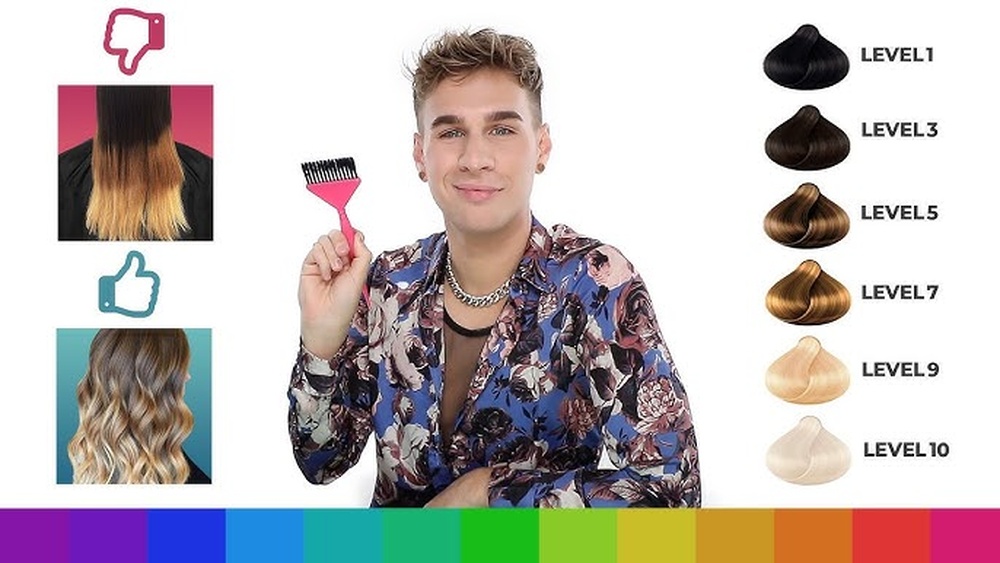
Thinking about changing up your look by coloring your hair at home? You’re not alone.
Doing it yourself can save time, money, and give you the freedom to experiment with your style whenever you want. But it can also feel tricky—how do you get that perfect color without a professional’s help? In this guide, you’ll discover simple, step-by-step tips to color your hair at home safely and effectively.
Whether you want a subtle change or a bold new shade, you’ll learn how to avoid common mistakes and achieve salon-worthy results right in your own bathroom. Ready to take control of your hair color and look your best? Let’s dive in!
Choosing The Right Hair Color
Choosing the right hair color is the first step in coloring hair at home. The color you pick affects your look and confidence. It also depends on your skin tone, natural hair color, and style goals.
Picking a shade too far from your natural color can look unnatural. The right color blends well and enhances your features. Take time to find a color that suits your personality and lifestyle.
Understanding Your Skin Tone
Skin tone helps guide your color choice. Warm skin tones look good with golden, honey, or copper shades. Cool skin tones match well with ash, platinum, or blue-based colors. Neutral skin tones can wear many shades. Test colors near your face to see what fits best.
Matching Your Natural Hair Color
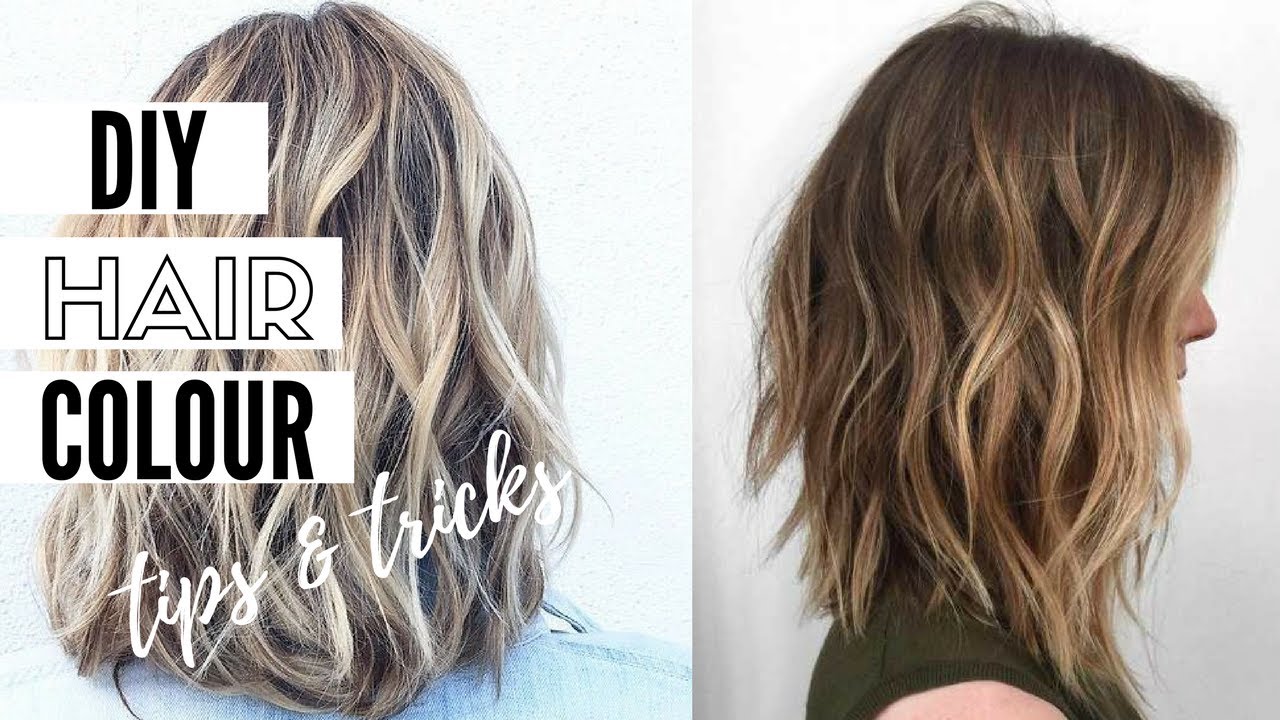
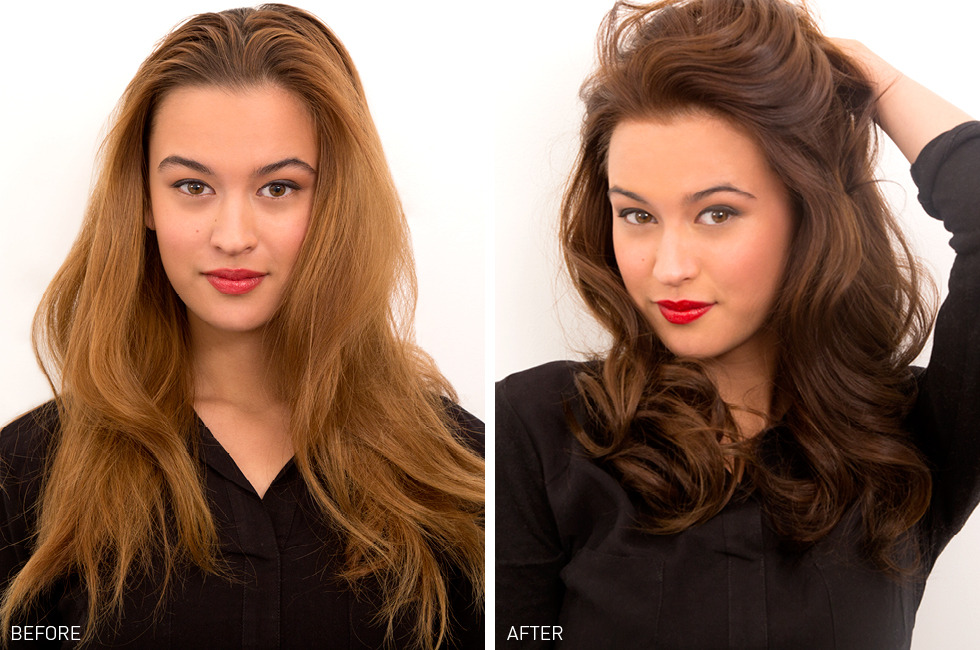
Choosing a color close to your natural shade creates a natural look. Going more than two shades lighter or darker can cause damage and uneven color. If you want a big change, consider a professional. For subtle changes, pick colors that enhance your base color.
Deciding Between Permanent And Semi-permanent
Permanent color lasts longer and covers gray hair well. It uses stronger chemicals and needs more care. Semi-permanent color is gentler and fades after several washes. It adds shine and tone without much damage. Choose based on how long you want the color to last.
Credit: www.youtube.com
Gathering Essential Supplies
Gathering the right supplies is the first step to coloring hair at home. Having all essentials ready helps the process go smoothly. It also reduces mistakes and saves time.
Prepare your workspace. Choose a well-lit area with a mirror. Wear old clothes or a cape to avoid stains.
Hair Color Kit
Choose a hair color kit suitable for your hair type. Check the shade carefully. Follow instructions on the box for best results. Kits usually include color cream, developer, and gloves.
Protective Gear
Wear gloves to protect your hands from chemicals. Use a cape or old towel to cover your clothes. Apply petroleum jelly around your hairline to prevent staining your skin.
Application Tools
Use a mixing bowl and brush for better control. Many kits provide these tools, but you can buy them separately. A wide-tooth comb helps spread color evenly through your hair.
Additional Supplies
Have clips ready to section your hair. Keep an old towel nearby for any spills. Use a timer to track the processing time exactly. A deep conditioner will help keep hair healthy after coloring.
Preparing Your Hair
Preparing your hair before coloring is very important. It helps the color stick better and last longer. Clean, healthy hair gives the best results.
Spend a few days caring for your hair before the dye. Avoid washing it right before coloring. Natural oils protect your scalp during the process.
Choose The Right Time To Color
Do not color your hair right after washing. Wait at least two days. This keeps your scalp safe from irritation. The natural oils help protect your skin.
Deep Condition Your Hair
Use a deep conditioner a few days before coloring. This makes your hair soft and strong. Healthy hair absorbs color evenly. Avoid heavy conditioners on the day of coloring.
Detangle Your Hair
Brush your hair gently to remove knots. Tangled hair can cause uneven color. Smooth hair allows the dye to spread well. Use a wide-tooth comb to avoid breakage.
Do A Patch Test
Test the dye on a small skin area before full use. This checks for allergies or reactions. Wait 24 hours to see results. Never skip this step for safety.
Credit: www.beautylish.com
Protecting Your Skin And Clothes
Timing and monitoring the hair coloring process at home is crucial for good results. Leaving the dye on too long can damage hair or cause an unwanted color. Removing it too soon may result in uneven or faded color. Careful attention helps achieve the shade you want without harm.
Check the instructions on the dye box carefully. These usually suggest the ideal time to leave the color on your hair. This time varies by dye type and desired shade. Following the recommended timing improves color success and hair health.
Setting A Timer
Use a timer to track the coloring time exactly. A kitchen timer or phone alarm works well. Avoid guessing or checking the clock often. Set the timer once you finish applying the dye. This keeps your focus on the process and stops over-processing.
Regularly Checking Hair Color
Look at your hair during the process to see color changes. Check every few minutes without rinsing the dye out. This helps catch early signs of over-processing or uneven color. If you see unwanted tones, prepare to rinse sooner.
Handling Uneven Color Development
Some areas may absorb dye faster than others. Roots often lighten quicker than ends. Watch these spots closely. If unevenness appears, gently massage the dye to blend it. Avoid scrubbing which can damage hair.
Rinsing At The Right Time
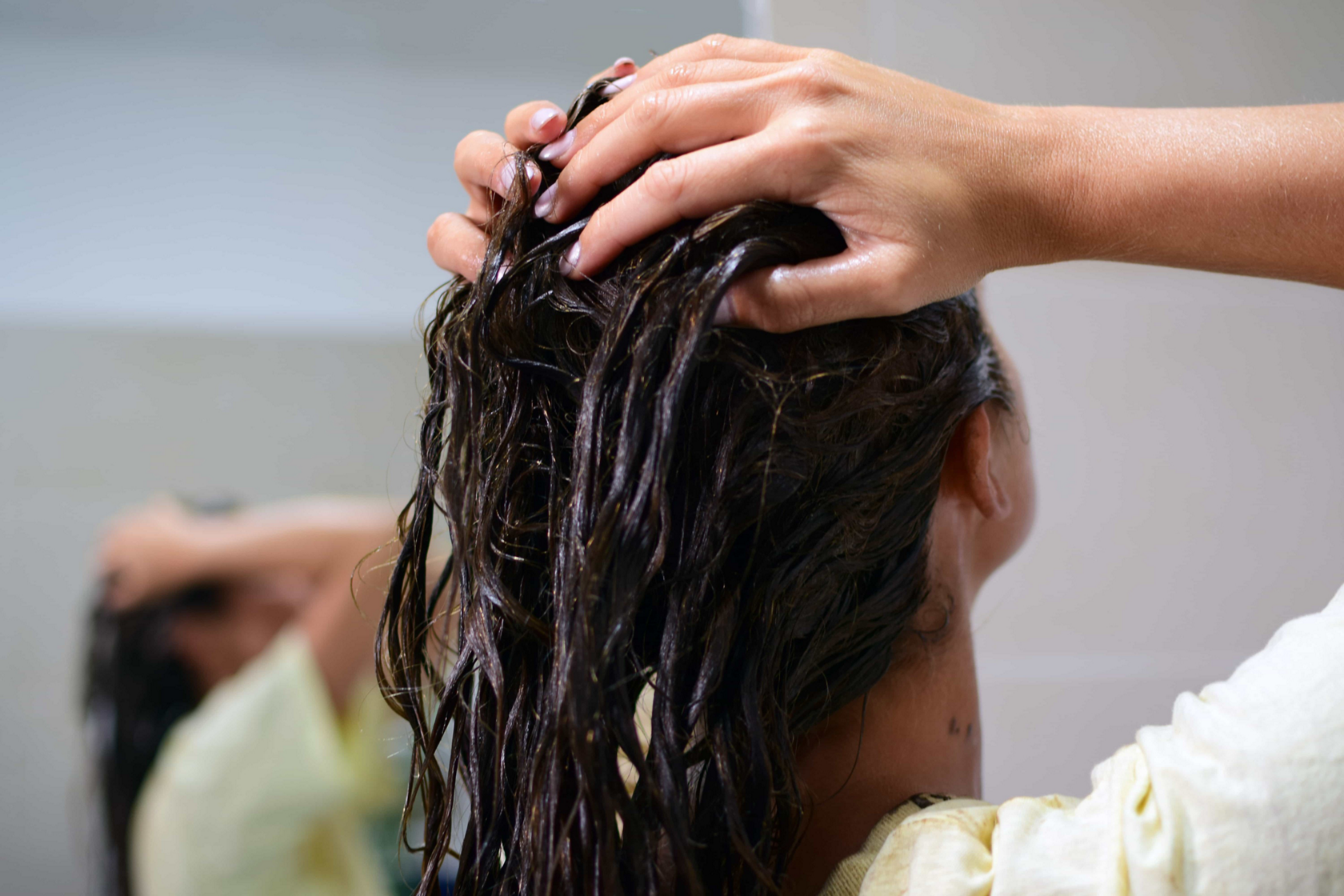
Rinse hair immediately when the timer ends. Use lukewarm water for best results. Thorough rinsing removes excess dye and stops processing. Follow with conditioner to protect and soften hair.
Credit: www.johnfrieda.com
Frequently Asked Questions
What Is The Easiest Way To Color Your Own Hair?
The easiest way to color your own hair is by using a quality at-home hair dye kit. Follow instructions carefully and perform a patch test. Section hair for even application and use gloves to protect your hands. Rinse thoroughly and condition to maintain color and hair health.
Why Do Hairdressers Not Like Box Dye?
Hairdressers dislike box dye because it offers uneven, unpredictable results and can damage hair with harsh chemicals. It ignores hair’s unique history, causing difficult, costly corrections. Box dye often leads to flat color, breakage, and buildup, which professionals must fix carefully for healthy, vibrant hair.
How To Apply Hair Color Step By Step At Home?
Section hair with clips. Mix dye as instructed. Apply evenly from roots to ends. Wait the recommended time. Rinse thoroughly with lukewarm water. Condition hair and style as usual.
How Do You Cover Gray Hair At Home?
To cover gray hair at home, choose a quality permanent dye matching your natural color. Apply to dry hair, following package instructions carefully. Use gloves and section hair for even coverage. Leave dye on for the recommended time, then rinse thoroughly.
Condition hair to maintain softness and shine.
How Do I Prepare My Hair Before Coloring At Home?
Wash hair 24-48 hours before coloring to keep natural oils that protect scalp and hair.
What Tools Are Needed For Home Hair Coloring?
You need gloves, a dye brush, bowl, old towel, and hair clips for sectioning.
How Do I Choose The Right Hair Color Shade?
Pick a shade close to your natural color for best results and less damage.
How Long Should I Leave Hair Dye On?
Follow the instructions on the box; usually between 20 to 45 minutes works well.
Can I Dye My Hair If It Is Already Colored?
Yes, but do a strand test first to check how the new color reacts.
How Often Can I Safely Color My Hair At Home?
Wait at least 4 to 6 weeks between coloring to avoid hair damage.
Conclusion
Coloring hair at home can be simple and satisfying. Prepare well and follow steps carefully. Choose the right dye and tools for your hair type. Protect your skin and clothes from stains. Take your time to apply color evenly. Rinse thoroughly and condition your hair after dyeing.
Regular care helps keep your color fresh and vibrant. Enjoy your new look with confidence and style. Home hair coloring saves time and money when done right. Practice makes perfect, so don’t be afraid to try again.