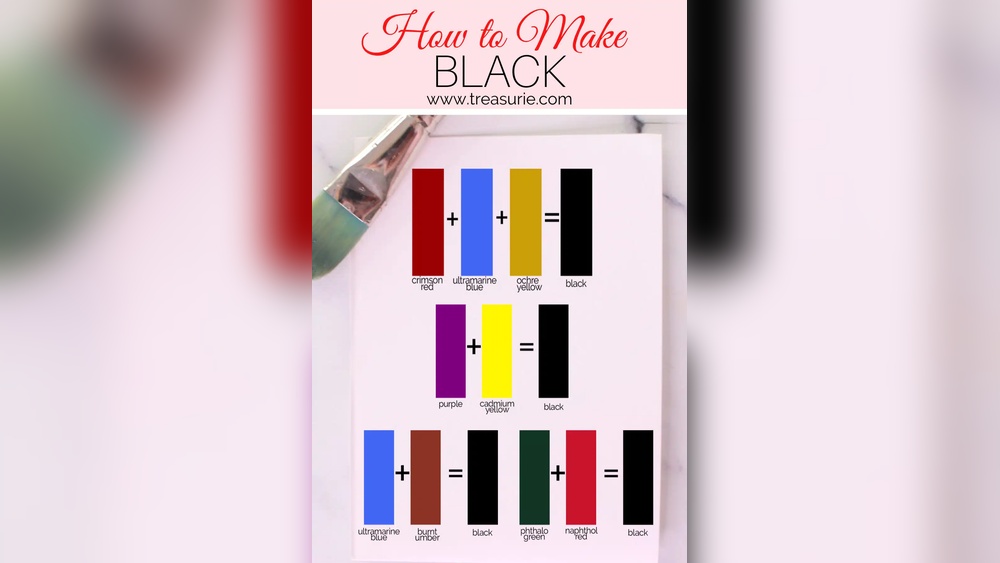
Are you curious about how to create the color black from other paints? Whether you’re an artist looking to mix your own shades or just want to understand color better, knowing how to make black can unlock new creative possibilities for you.
Instead of reaching for a tube of black paint, you can craft your own by blending different colors right on your palette. In this guide, you’ll discover simple and effective methods to mix black using primary colors, complementary pairs, and even some surprising combinations.
Keep reading to learn how you can master the art of creating black and add depth and richness to your work like never before.

Credit: www.youtube.com
Primary Colors To Black
Creating the color black using primary colors is a fundamental skill in art and design. The primary colors are red, yellow, and blue. By mixing these colors correctly, you can produce a rich, deep black. This method offers more control over the shade and tone of black than using just black paint.
Understanding how primary colors combine helps in achieving the perfect black. Each color affects the final result differently. Experimenting with ratios can lead to various shades of black, from warm to cool.
Mixing Red, Yellow, And Blue To Make Black
Start by mixing equal parts of red, yellow, and blue. These three colors blend to absorb most light, creating black. If the color looks muddy or brownish, adjust the amounts. Add more blue to cool the black or more red for warmth.
Balancing Primary Colors For A True Black
Balance is key when mixing primary colors. Too much yellow can make the mix greenish. Too much red or blue can create dark browns or purples. Small changes can shift the shade significantly. Test your mix on paper to see the true color.
Tips For Using Primary Colors To Create Black
Use high-quality pigments for better results. Mix colors slowly and in small amounts. Let the paint dry to judge the true color. Practice mixing to understand how each primary color influences the black tone. This method offers a natural, custom black for your projects.
Using Complementary Colors
Using complementary colors is a smart way to create the color black. Complementary colors sit opposite each other on the color wheel. When mixed, they can produce a rich, deep black instead of muddy browns. This technique is useful for artists and designers who want a natural black without using pure black pigments.
Blue And Orange
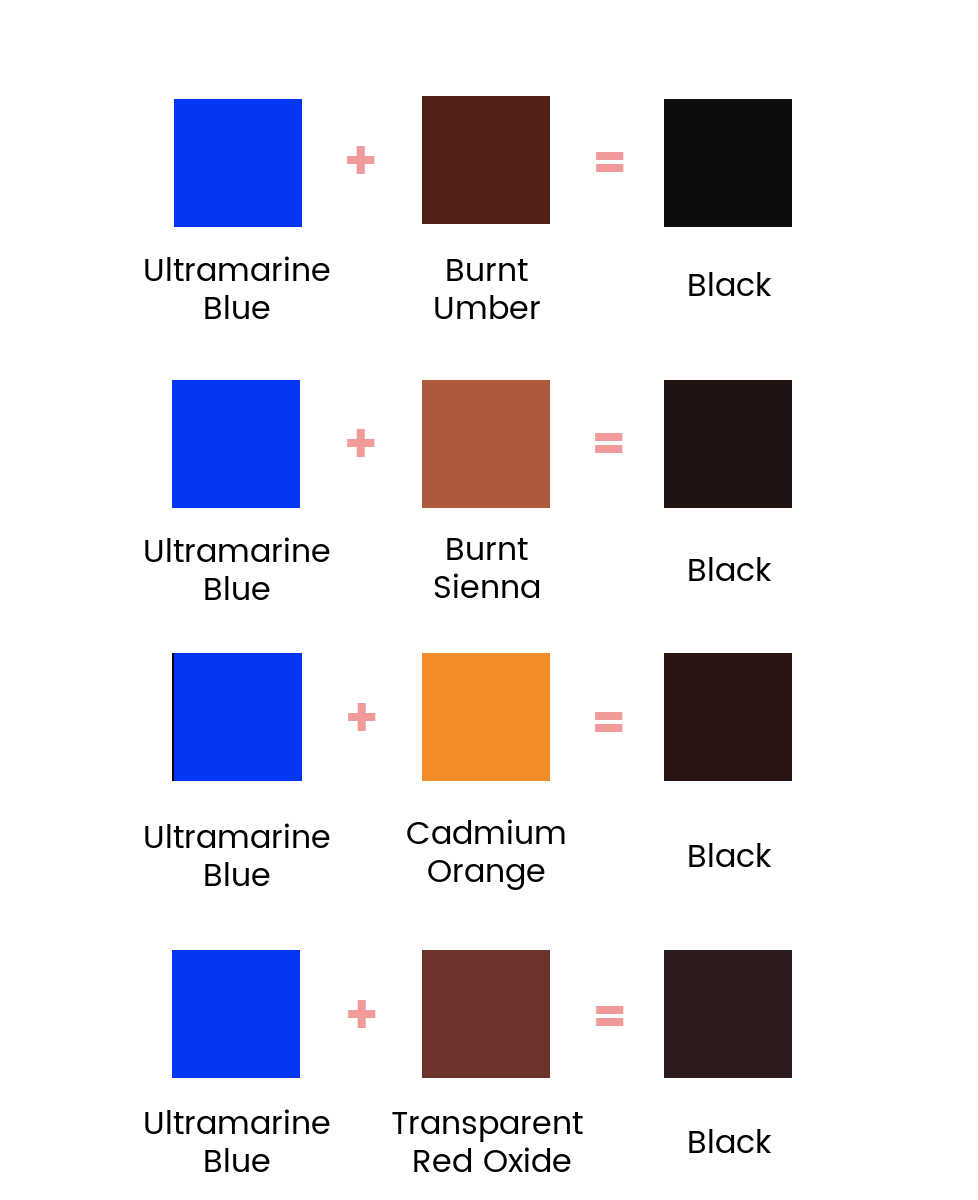
Mixing blue and orange creates a dark color close to black. Blue is a cool color, and orange is warm. Combining them balances their tones. Use equal parts of blue and orange paint. Adjust the mix to get a deeper black shade. This mix works well for painting shadows and dark areas.
Red And Green
Red and green are another pair of complementary colors. When mixed, they create a strong black color. Start with equal amounts of red and green paint. Blend slowly to see the color change. This mix can add warmth to black tones in your artwork. It’s perfect for natural and earthy scenes.
Yellow And Purple
Yellow and purple also mix to form black. Yellow is bright, purple is dark and cool. Mixing these colors balances brightness and depth. Use small amounts of yellow with purple for better control. This combination gives a slightly cooler black tone. It works well in floral or evening light paintings.
Mixing Blue And Brown
Mixing blue and brown is a simple way to create a rich, deep black color. This method uses two dark tones that blend well together. The result can be a natural-looking black with warm or cool undertones.
Choosing the right shades of blue and brown affects the final black color. Experimenting with different tones helps achieve the perfect shade.
Ultramarine Blue And Burnt Umber
Ultramarine blue is a deep, vivid blue with a slight purple tint. It works well with burnt umber, a dark brown with red and orange hints. Mixing these two colors creates a dark, almost black shade.
The purple tones in ultramarine blue balance the warm tones in burnt umber. This mix results in a natural black that is not too harsh. It works well for painting shadows and dark areas.
Adjusting Blue And Brown Ratios
Start with equal parts of ultramarine blue and burnt umber. Mix them thoroughly to see the initial black shade. If the color looks too brown, add more blue in small amounts.
If the black looks too blue, add more burnt umber gradually. Adjust the ratio until the black feels balanced and deep. This process allows control over the warmth or coolness of the black.
Mixing blue and brown is an easy way to create black paint at home. It offers flexibility and a natural look in your artwork.
Credit: plumgroveinc.com
Alternative Color Combos
Alternative color combinations offer creative ways to make black. These mixes create deep, rich blacks without using pure black paint. They add depth and warmth to your artwork. Experimenting with these combos can bring unique tones and textures. Below are two popular mixes for making black using different pigments.
Transparent Oxide Red With Ultramarine Blue
Mixing Transparent Oxide Red with Ultramarine Blue creates a strong, dark black. The red adds warmth, while the blue provides cool depth. Use equal parts or adjust to get the shade you want. This mix works well for shadows and dark backgrounds. It gives a natural black that looks less flat than pure black paint.
Alizarin Crimson And Viridian
Combine Alizarin Crimson with Viridian to produce a deep, muted black. The crimson gives a slight red tone, and Viridian adds a greenish-blue touch. This mix is excellent for creating soft, subtle blacks in landscapes or portraits. Adjust the ratio to control the black’s warmth or coolness. It’s a versatile choice for artists seeking unique blacks.
Adjusting Black Shades
Adjusting black shades allows you to create a richer and more dynamic black color. Pure black can sometimes appear flat or harsh. Adding subtle tones changes its mood and warmth. This technique helps artists and designers achieve the perfect black for their work.
Cooling Black With Blue Tones
Adding blue tones to black cools down the color. It creates a deep, calm, and slightly mysterious black. Mix a small amount of ultramarine or cobalt blue into your black. The blue gives the black a soft, cool feeling without making it look like navy. This shade works well in winter scenes or modern designs.
Warming Black With Red Or Brown
Mixing red or brown into black warms up the shade. Use burnt umber or burnt sienna for a natural, earthy black. Adding a touch of red can make the black feel richer and more inviting. This warm black suits autumn themes and cozy designs. Start with a tiny amount and adjust slowly to avoid overpowering the black.
Avoiding Muddy Colors
Creating a true black color can be tricky. One common problem is ending up with muddy colors. These colors look dull and unclear, losing the deep richness black should have. Avoiding muddy results is key to making a perfect black. Understanding how to balance color saturation and keep the black vibrant helps a lot.
Balancing Saturation
Saturation means how strong or vivid a color is. When mixing colors to make black, low saturation can cause a dull, muddy look. Use colors with higher saturation to keep the mix lively. For example, mixing bright blue with deep brown keeps the black rich. Adjust the mix slowly and test often. This way, you avoid weak or muddy black shades.
Preventing Dullness
Dullness happens when colors blend too much and lose their brightness. To prevent this, avoid using too many colors at once. Stick to two or three colors with strong tones. Adding a touch of a cool color like blue can brighten the black. Always mix in small amounts to control the final shade. This keeps the black fresh and strong instead of flat.
Black Variations In Painting
Black is not just a single shade in painting. It has many variations that artists use to create depth and mood. Each black tone can bring a different feeling to your artwork. Understanding these black variations helps you choose the right mix for your painting.
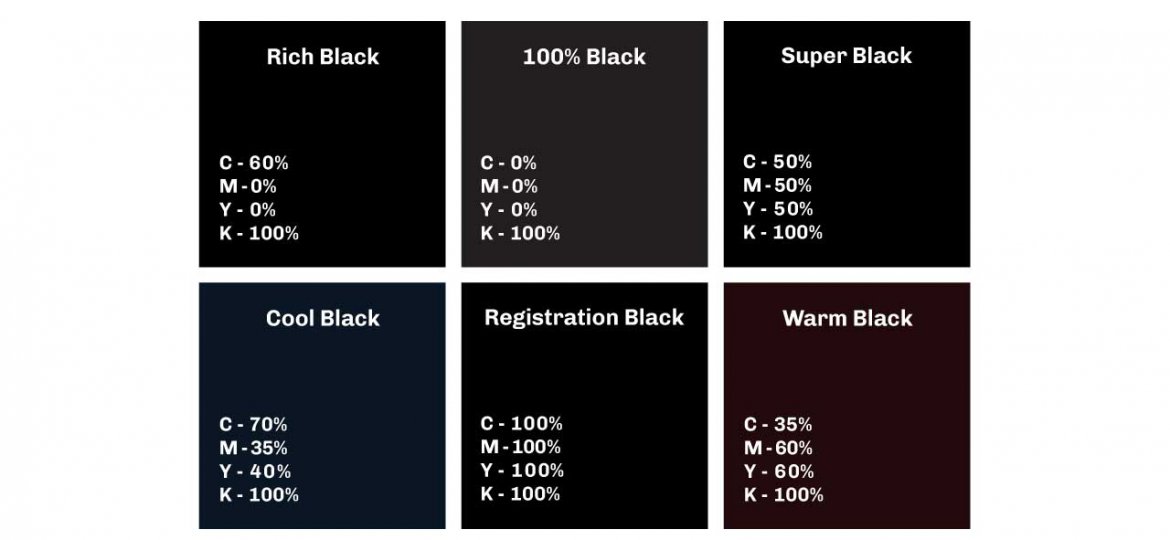
Warm Black
Warm black has red, brown, or orange tones. It feels cozy and rich. To create warm black, mix burnt umber or burnt sienna with ultramarine blue. This mix gives a softer, inviting black that works well in shadows and skin tones.
Cool Black
Cool black has blue or green undertones. It looks calm and deep. Mix ultramarine blue with a small amount of black or green to get cool black. This black is perfect for night scenes or cold, distant moods in paintings.
Neutral Black
Neutral black has no strong color bias. It is balanced and true black. Mix equal parts of complementary colors like blue and orange or red and green. Neutral black is useful for general shading and outlines without changing the color feel.
Credit: smart.dhgate.com
Tools For Mixing Black
Creating the color black requires specific tools to mix paints accurately. Using the right palette and brushes helps control the blending process. Proper mixing techniques ensure a deep, rich black color without muddiness. These tools make the difference in achieving the perfect shade of black for your artwork.
Palettes And Brushes
A sturdy palette offers enough space to mix multiple colors easily. Plastic or wooden palettes work well for mixing paints. Choose a palette that is easy to clean and holds paint without drying too fast.
Brushes come in various shapes and sizes, each serving a purpose. Flat brushes help spread paint evenly while round brushes allow precise color mixing. Use clean brushes to avoid unwanted color contamination. A palette knife is also useful for mixing colors thoroughly.
Mixing Techniques
Start by placing small amounts of each color on the palette. Use a palette knife or brush to blend colors slowly. Mix primary colors like red, yellow, and blue to create black. Combining complementary colors such as blue and orange can also produce black.
Adjust the mix by adding more of one color to reach the desired shade. Stir gently to avoid introducing air bubbles. Test the mixed color on a scrap piece before applying it to your final work. Proper layering and gradual mixing improve the depth of black.
Common Mistakes To Avoid
Creating the perfect black color can be tricky. Many beginners make simple mistakes that affect the final shade. Knowing what to avoid helps achieve a richer and deeper black. Focus on these common errors to improve your color mixing skills.
Using Pure Black Paint Only
Using pure black paint straight from the tube limits your options. It often looks flat and dull on canvas. Mixing your own black with other colors creates depth and warmth. Pure black can overpower other colors in your artwork. Try blending dark blues, browns, or greens for a more natural black tone.
Overmixing Colors
Overmixing colors can make black look muddy and lifeless. Stirring too long blends all pigments into a dull mess. Stop mixing once you reach a rich, dark color. Small adjustments with each color help control the shade. Keep your mix balanced to avoid losing vibrancy and texture.
Tips For Perfect Black Shades
Creating the perfect black shade requires careful attention and some simple techniques. Black is not just a single color; it has many subtle tones and depths. Getting the right black can make your artwork or design look richer and more professional. The tips below will help you achieve deep, balanced black shades.
Testing Small Batches
Always test your black mixtures in small amounts first. Mixing colors in small batches helps avoid wasting paint or materials. It allows you to see how different combinations work before committing to a larger quantity. Use a palette or small container for your tests. Observe the shade under natural light to ensure accuracy. Adjust the ratios gradually to find the perfect tone.
Layering For Depth
Layering colors adds richness and complexity to your black. Start with a base layer of your chosen black mix. Let it dry completely before adding more layers. Each new layer deepens the black and improves its texture. Use thin layers to control the intensity without making the paint too thick. This method creates a more vibrant and dynamic black shade than a single, flat mix.
Frequently Asked Questions
What Colors To Mix To Make Black?
Mix equal parts of red, yellow, and blue to make black. Alternatively, mix complementary colors like blue and orange, red and green, or yellow and purple. Combining dark blue with dark brown, such as ultramarine blue and burnt umber, also creates black.
What Two Colors Turn Into Black?
Mix blue and orange or red and green to create black. These complementary colors combine to form a rich black shade.
Do Green And Purple Make Black?
Mixing green and purple often creates a dark, muted color close to black. Adjust ratios for deeper black tones.
How Is The Color Black Created?
Black color forms by mixing equal parts of primary colors: red, yellow, and blue. Alternatively, blend complementary colors like blue and orange or red and green. Combining dark blue with brown also creates rich black shades. Adjust ratios to achieve the desired black tone.
What Colors Mix To Create The Color Black?
Mix primary colors (red, yellow, blue) or complementary colors like blue and orange.
Can Black Be Made By Mixing Only Two Colors?
Yes, mixing complementary colors like red and green or blue and orange can create black.
Which Primary Colors Combine To Form Black?
Red, yellow, and blue mixed together can produce black or a very dark shade.
How Do Complementary Colors Make Black Paint?
Combining colors opposite on the wheel, such as yellow and purple, results in black.
Can Mixing Blue And Brown Create Black?
Mixing dark blue (ultramarine) with dark brown (burnt umber) can produce black.
Why Does Mixing Colors Sometimes Not Make Perfect Black?
Color shades and paint types affect the final black shade; adjustments may be needed.
Conclusion
Creating the color black is simpler than it seems. Mix primary colors or complementary pairs carefully. Adjust amounts to get the shade you want. Experiment with blue and brown for natural black tones. Practice helps you understand how colors combine best.
Now, you can try mixing black in your art projects. Keep exploring and enjoy the creative process!